Impact of Sodium-Glucose Cotransporter-2 Inhibitors on Post-Transurethral Resection of Bladder Tumor Infection and Prognosis
Nobutaka Nishimura, Makito Miyake, Tatsuki Miyamoto, Daiki Ichii, Makito Naoi, Kosuke Narita, Mikiko Kohashi, Atsushi Tomioka, Kazumasa Torimoto, Ryotaro Kawashima, Kazuki Miyazaki, Tomoharu Iwao, Kuniaki Inoue, Toshihiko Matsubara, Kiyohide Fujimoto

TL;DR
This study finds that using SGLT2 inhibitors before bladder tumor surgery increases the risk of urinary tract infections and persistent pyuria, suggesting these drugs should be temporarily stopped before the procedure.
Contribution
The study provides new evidence that SGLT2 inhibitors are independently associated with increased post-TURBT infection risk and worse prognosis.
Findings
DM SGLT2i group had significantly shorter fUTI-free survival compared to DM non-SGLT2i group.
SGLT2i use was linked to prolonged pyuria persistence and worse UTUC-free survival in diabetic patients.
No significant differences in outcomes were found between different types of SGLT2 inhibitors.
Abstract
Background/Objectives: Sodium-glucose cotransporter-2 inhibitors (SGLT2is), by elevating urinary glucose levels, may predispose patients to urinary tract infections (UTI). However, limited evidence is available regarding the association between SGLT2is and postoperative outcomes after transurethral resection of bladder tumors (TURBT). We evaluated the impact of SGLT2is on post-TURBT pyuria and febrile UTI (fUTI), as well as oncological outcomes. Methods: We retrospectively reviewed the data of 812 patients with and without diabetes mellitus (DM) who underwent TURBT between January 2019 and May 2024. The patients were categorized into three groups: non-DM (Nara Medical University cohort, n = 344), DM non-SGLT2i (multi-institutional cohort, n = 363), and DM SGLT2i (multi-institutional cohort, n = 105). We compared fUTI-free survival, fUTI-related hospitalization-free survival, and…
Genes, proteins, chemicals, diseases, species, mutations and cell lines named across the full text — each resolved to its canonical identifier and authoritative record.
Click any figure to enlarge with its caption.
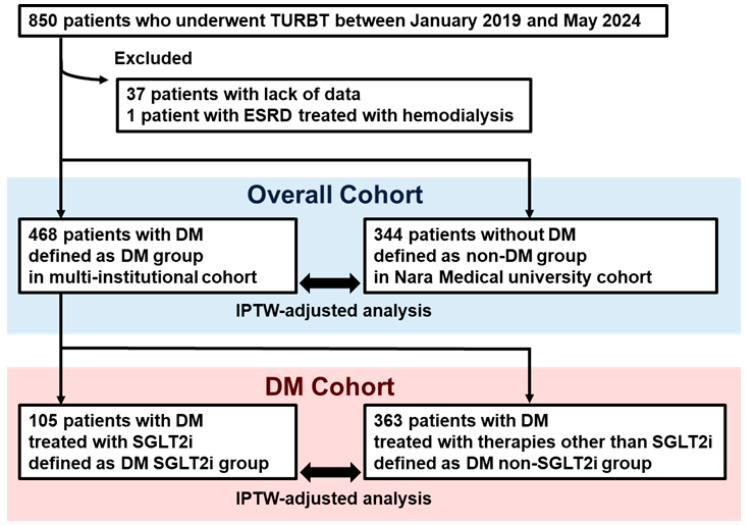 Figure 1
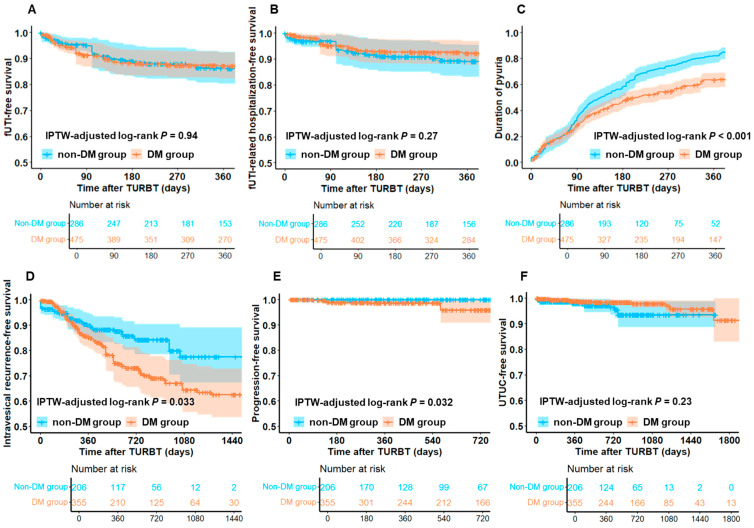 Figure 2
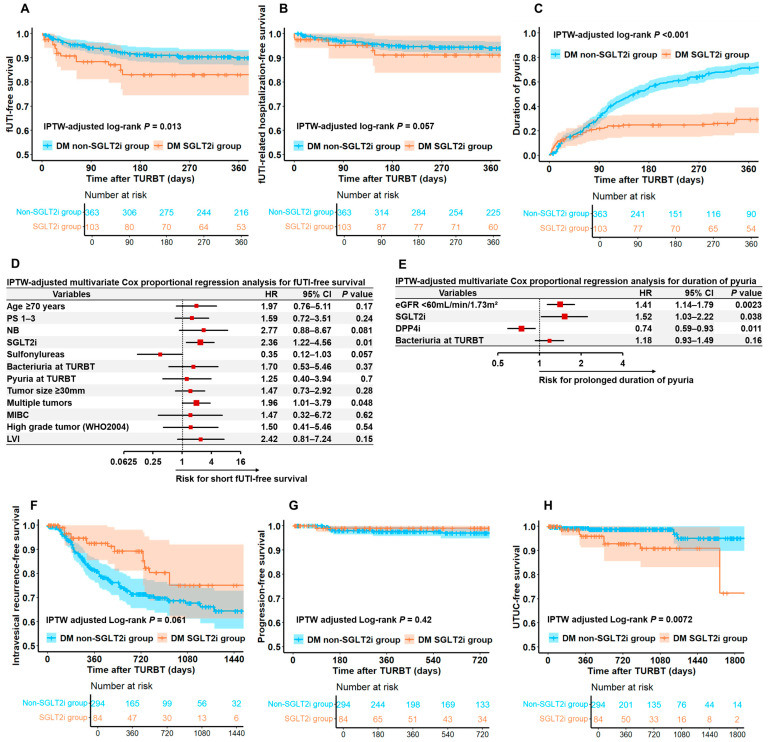 Figure 3
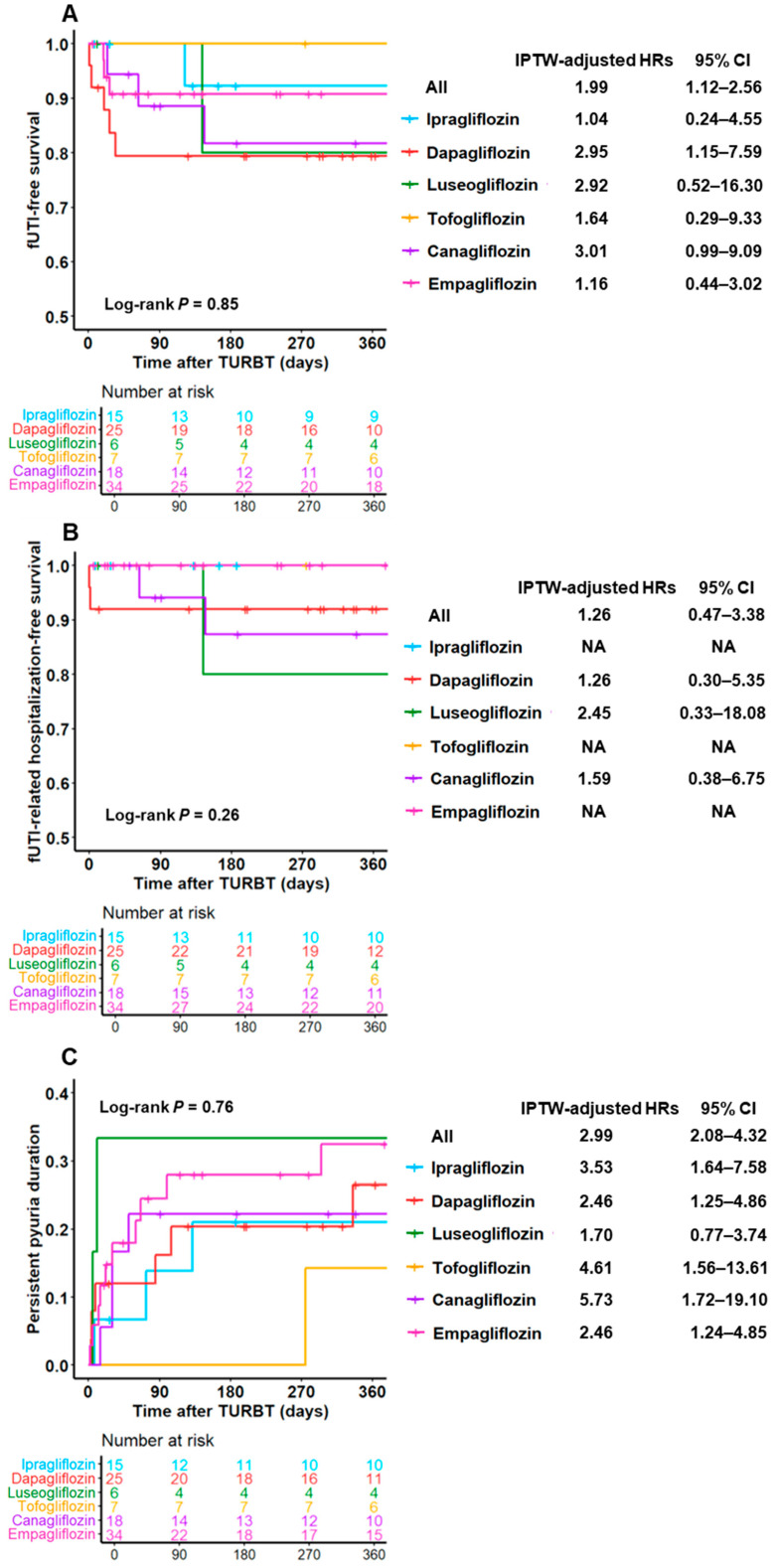 Figure 4
Peer Reviews
No public reviews on file for this paper yet. If you reviewed it on a platform where reviews are public (OpenReview, ICLR, NeurIPS, ICML), you can paste yours below so the community can read it here.
Videos
No videos yet. Explain this paper in a talk, walkthrough, or lecture? Add one.
Taxonomy
TopicsDiabetes Treatment and Management · Neuroendocrine Tumor Research Advances · Amino Acid Enzymes and Metabolism