Targeted Overexpression of Mitochondrial ALDH2 in Coronary Endothelial Cells Mitigates HFpEF in a Diabetic Mouse Model
Guodong Pan, Bipradas Roy, Emmanuel Oppong Yeboah, Thomas Lanigan, Roland Hilgarth, Rajarajan A. Thandavarayan, Michael C. Petriello, Shailendra Giri, Suresh Selvaraj Palaniyandi

TL;DR
Overexpressing ALDH2 in heart endothelial cells improves heart function in diabetic mice with a specific type of heart failure.
Contribution
Demonstrates that targeted ALDH2 overexpression in coronary endothelial cells can mitigate HFpEF in a diabetic mouse model.
Findings
ALDH2 gene transfer increased ALDH2 levels specifically in coronary vascular endothelial cells.
ALDH2 gene transfer reduced 4HNE adducts and improved diastolic function in diabetic mice.
The study shows that ALDH2 overexpression in CVECs partially ameliorates HFpEF pathogenesis.
Abstract
Heart failure (HF) has become an epidemic, with a prevalence of ~7 million cases in the USA. Despite accounting for nearly 50% of all HF cases, heart failure with a preserved ejection fraction (HFpEF) remains challenging to treat. Common pathophysiological mechanisms in HFpEF include oxidative stress, microvascular dysfunction, and chronic unresolved inflammation. Our lab focuses on oxidative stress-mediated cellular dysfunction, particularly the toxic effects of lipid peroxidation products like 4-hydroxy-2-nonenal (4HNE). Aldehyde dehydrogenase 2 (ALDH2), a mitochondrial enzyme, plays a vital role in detoxifying 4HNE and thereby protecting the heart against pathological stress. ALDH2 activity is reduced in various metabolic stress-mediated cardiac pathologies. The dysfunction of coronary vascular endothelial cells (CVECs) is critical in initiating HFpEF development. Thus, we…
Genes, proteins, chemicals, diseases, species, mutations and cell lines named across the full text — each resolved to its canonical identifier and authoritative record.
Click any figure to enlarge with its caption.
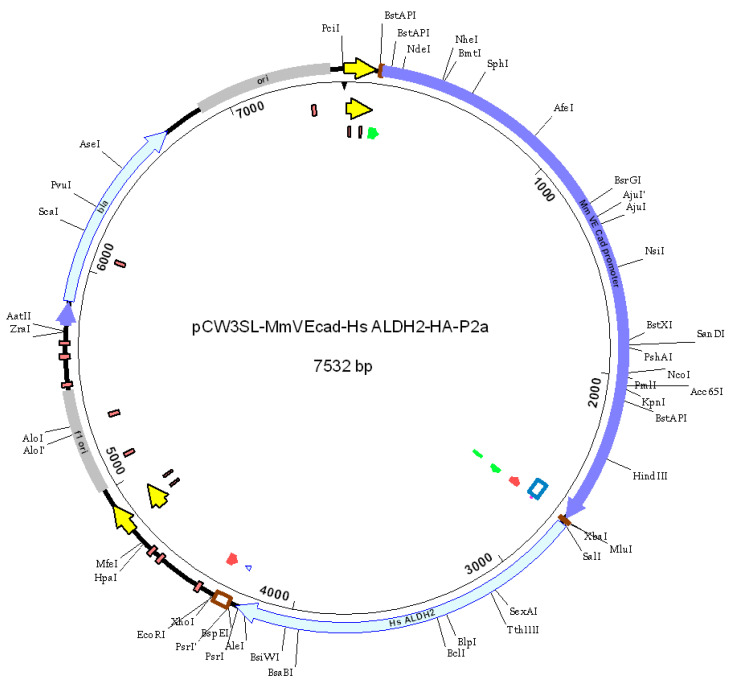 Figure 1
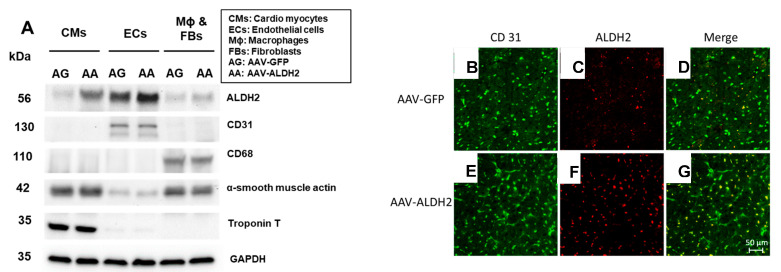 Figure 2
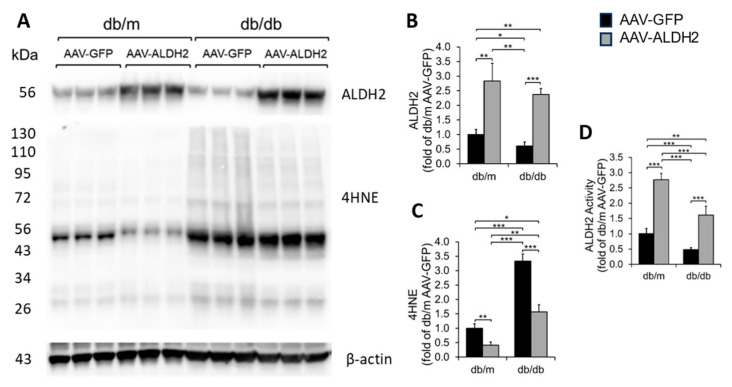 Figure 3
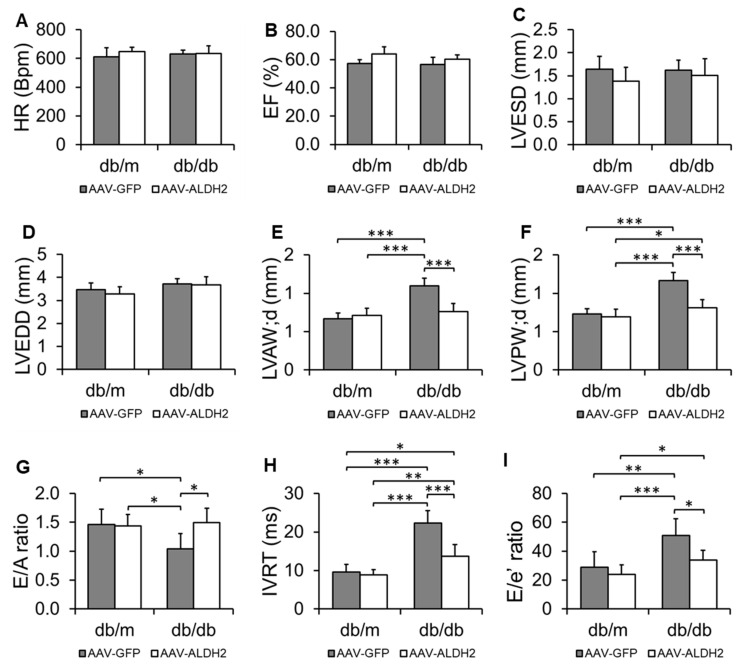 Figure 4
Peer Reviews
No public reviews on file for this paper yet. If you reviewed it on a platform where reviews are public (OpenReview, ICLR, NeurIPS, ICML), you can paste yours below so the community can read it here.
Videos
No videos yet. Explain this paper in a talk, walkthrough, or lecture? Add one.
Taxonomy
TopicsCardiovascular Function and Risk Factors · Cardiac Ischemia and Reperfusion · Adipose Tissue and Metabolism