Stathmin Serine 16 Phosphorylation Is a Key Regulator of Cell Cycle Progression Without Activating Migration and Invasion In Vitro
Paul L. Deford, Andrew P. VonHandorf, Brian G. Hunt, Simran Venkatraman, Susan E. Waltz, Katherine A. Burns, Susan Kasper

TL;DR
This study shows that phosphorylation of Stathmin 1 at serine 16 promotes cancer cell growth but not metastasis, suggesting a new strategy to treat metastatic prostate and breast cancer.
Contribution
The study identifies Stathmin 1 serine 16 phosphorylation as a key regulator of cell growth without promoting metastasis in prostate and breast cancer.
Findings
High Stathmin 1 levels correlate with poor survival in metastatic prostate and breast cancer.
Phosphorylation of Stathmin 1 at serine 16 promotes cell proliferation but not migration or invasion.
Inhibiting Stathmin 1 serine 16 phosphorylation could help treat metastatic cancer without promoting further spread.
Abstract
Treating metastatic prostate cancer is challenging because it will become resistant to most forms of treatment. This study investigated Stathmin 1, a protein that regulates cancer cell growth, and found that Stathmin 1 levels were high in metastatic breast and prostate cancer. High Stathmin 1 expression was also associated with poor overall survival, and survival worsened when prostate cancer metastasized to the liver compared to other organs. In cell culture assays, the addition of a phosphate molecule to serine 16 on the Stathmin 1 protein increased cancer cell growth, while removing the phosphate inhibited cell growth. Notably, Stathmin 1 phosphorylated on serine 16 did not promote metastasis. Thus, selectively preventing Stathmin 1 serine 16 phosphorylation may provide an alternative strategy for inhibiting growth factor-mediated metastatic cell growth in combination with current…
Genes, proteins, chemicals, diseases, species, mutations and cell lines named across the full text — each resolved to its canonical identifier and authoritative record.
Click any figure to enlarge with its caption.
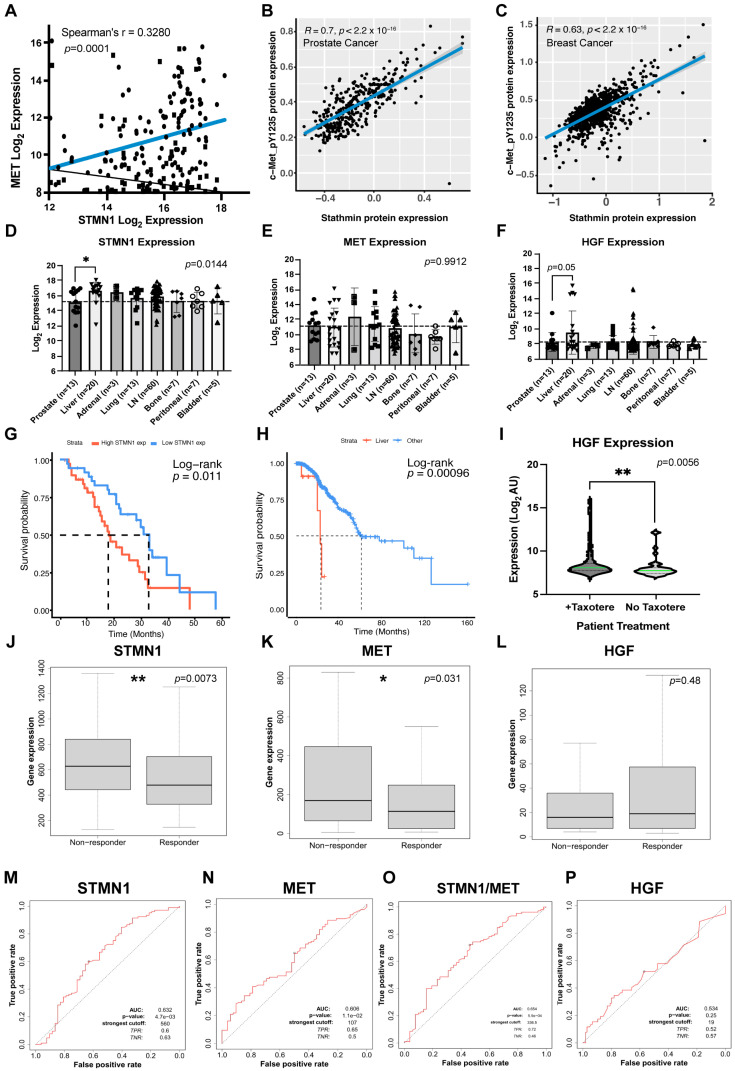 Figure 1
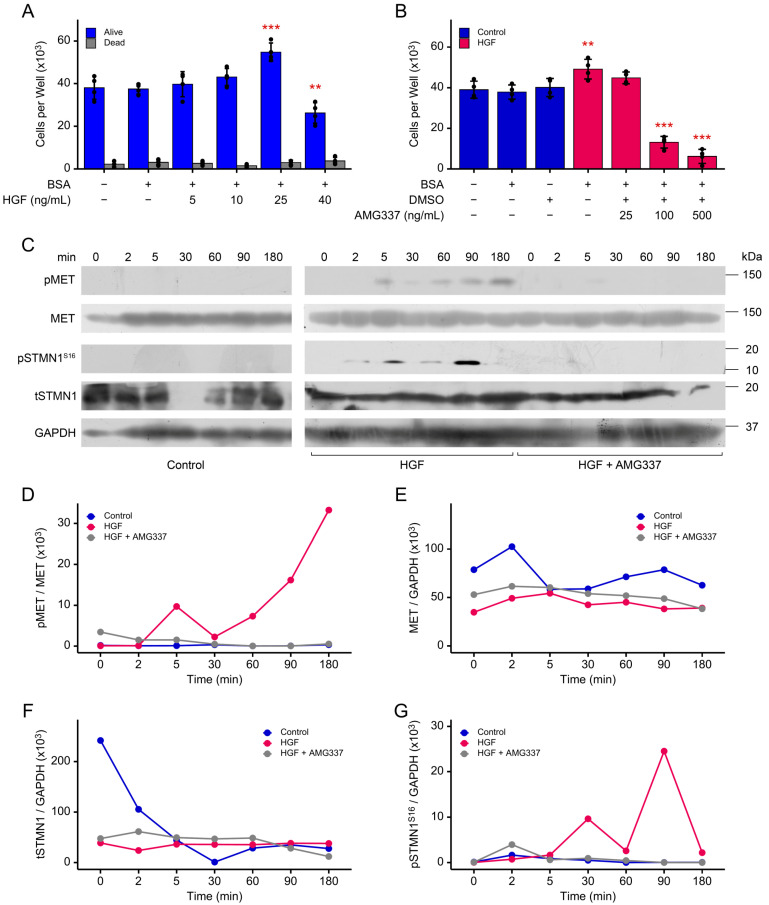 Figure 2
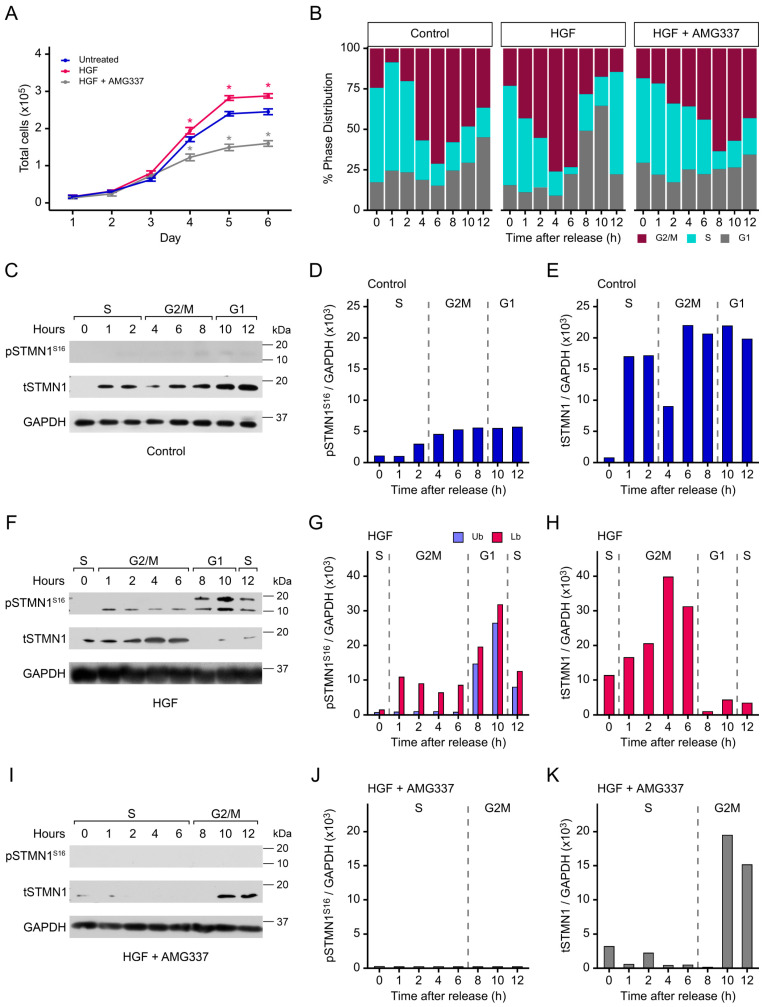 Figure 3
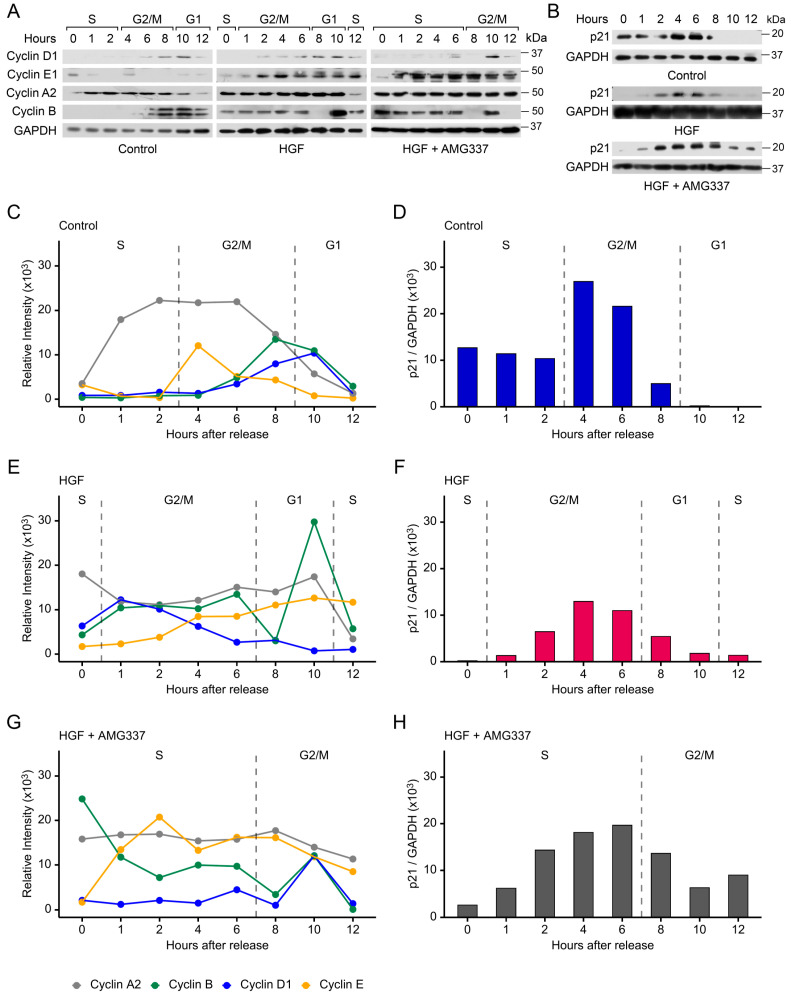 Figure 4
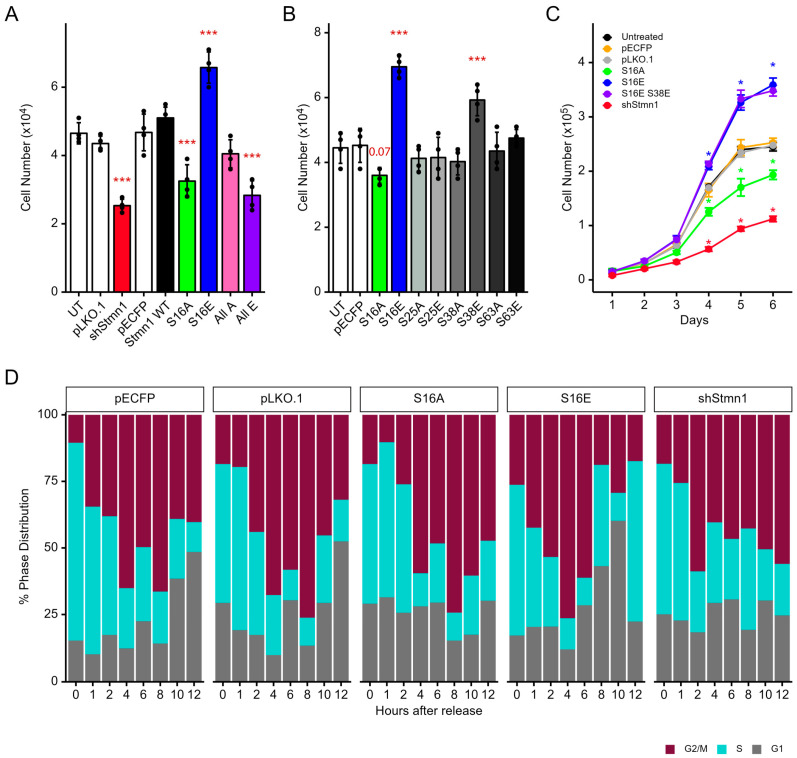 Figure 5
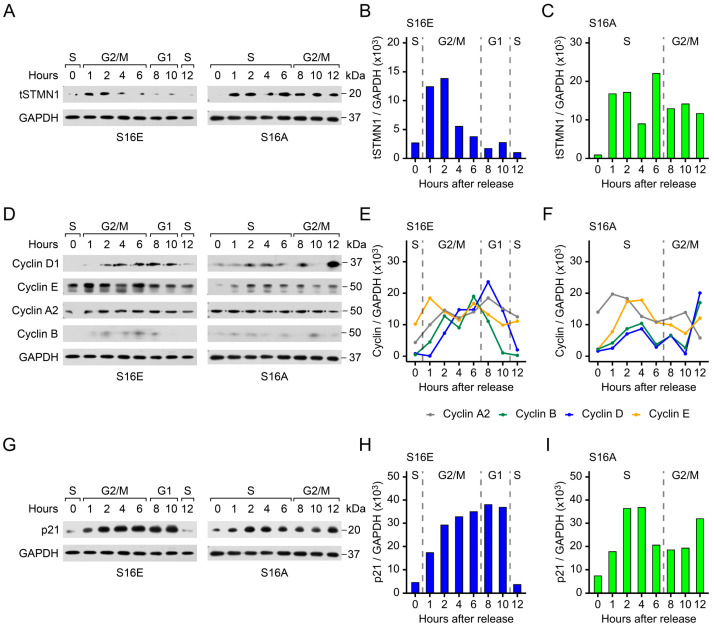 Figure 6
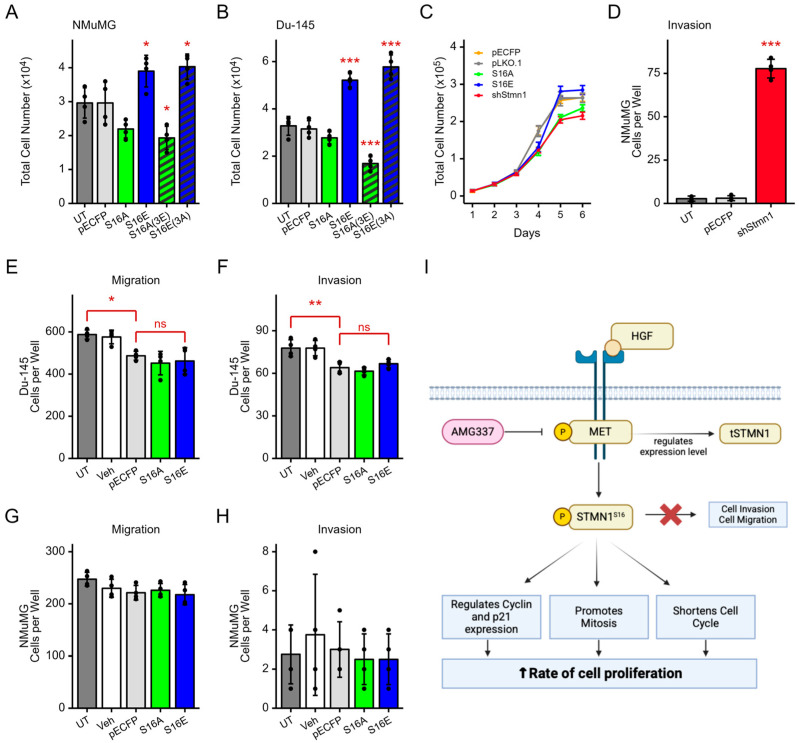 Figure 7
Peer Reviews
No public reviews on file for this paper yet. If you reviewed it on a platform where reviews are public (OpenReview, ICLR, NeurIPS, ICML), you can paste yours below so the community can read it here.
Videos
No videos yet. Explain this paper in a talk, walkthrough, or lecture? Add one.
Taxonomy
TopicsCancer Genomics and Diagnostics · Epigenetics and DNA Methylation · Cancer-related Molecular Pathways