Impact of Metastatic Microenvironment on Physiology and Metabolism of Small Cell Neuroendocrine Prostate Cancer Patient-Derived Xenografts
Shubhangi Agarwal, Deepti Upadhyay, Jinny Sun, Emilie Decavel-Bueff, Robert A. Bok, Romelyn Delos Santos, Said Al Muzhahimi, Rosalie Nolley, Jason Crane, John Kurhanewicz, Donna M. Peehl, Renuka Sriram

TL;DR
This study explores how the liver and bone environments affect the behavior of aggressive prostate cancer in mice, aiming to improve diagnosis and treatment.
Contribution
The study reveals how tumor microenvironments in the liver and bone influence cancer metabolism and physiology using advanced imaging techniques.
Findings
Liver tumors showed consistent metabolic markers, while bone tumors were influenced by interactions with bone cells.
Combined MRI techniques are needed to accurately assess tumor characteristics before treatment.
Understanding microenvironment effects could lead to better treatment strategies for metastatic prostate cancer.
Abstract
Powerful drugs targeting androgen receptors can trigger a very aggressive form of metastatic prostate cancer known as small cell neuroendocrine prostate cancer (SCNC). This type of cancer is tough to treat and has a poor survival rate, especially when it spreads to the liver, compared to when it spreads only to the bones. The objective was to understand why SCNC tumors behave differently in the liver versus the bones, which is critical for improving how we diagnose and treat this severe cancer using imaging. To this end, the same SCNC cells derived from patients were implanted in mouse bone and liver, and many different parameters were investigated using magnetic resonance technology. The results showed that the metabolic activity of cancer cells in the liver matched certain biochemical markers, whereas in the bones, these markers were influenced by interactions with bone cells. These…
Genes, proteins, chemicals, diseases, species, mutations and cell lines named across the full text — each resolved to its canonical identifier and authoritative record.
Click any figure to enlarge with its caption.
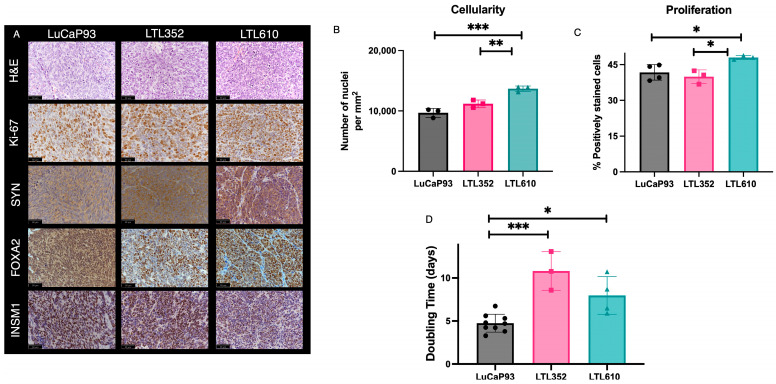 Figure 1
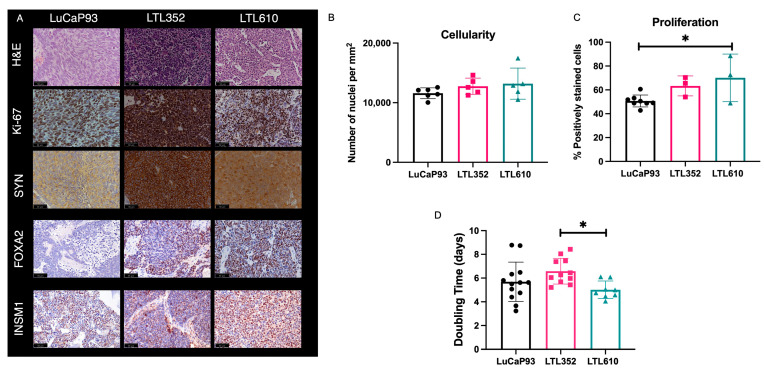 Figure 2
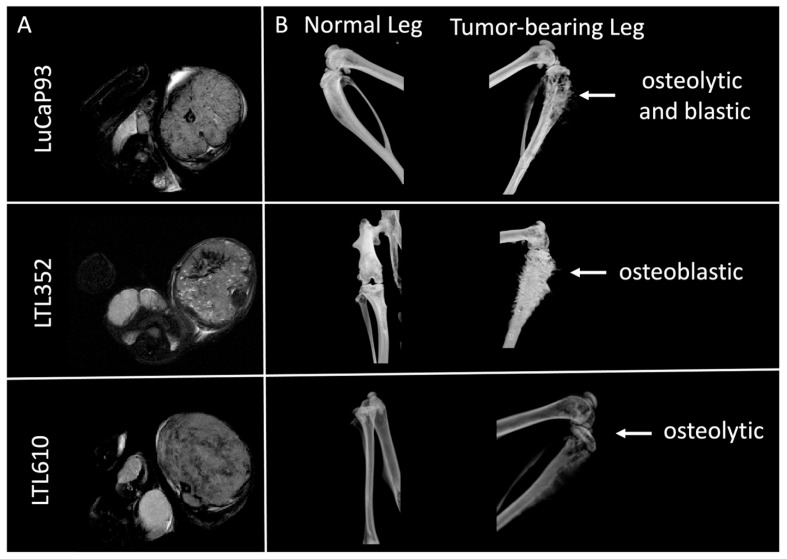 Figure 3
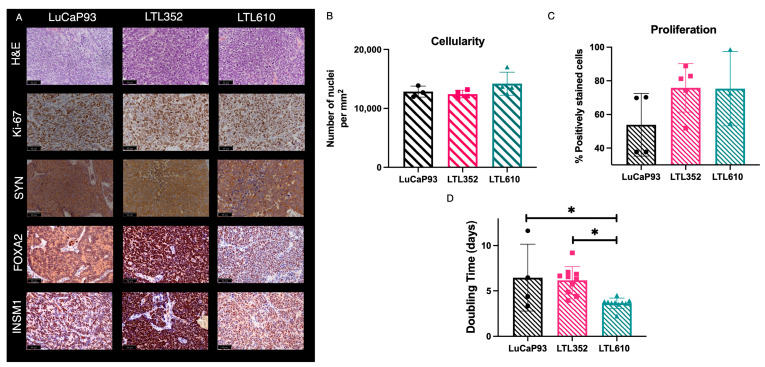 Figure 4
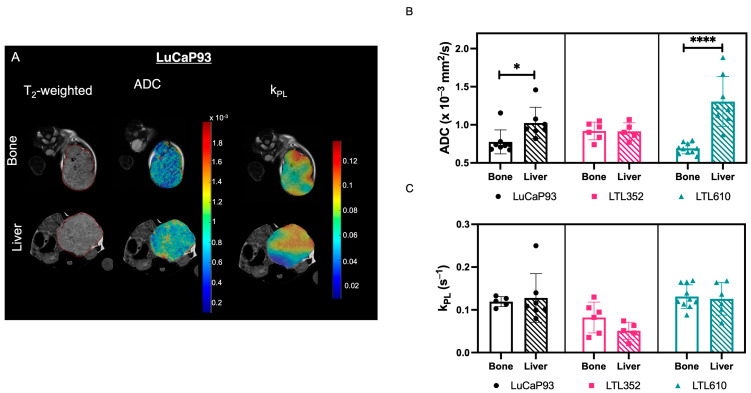 Figure 5
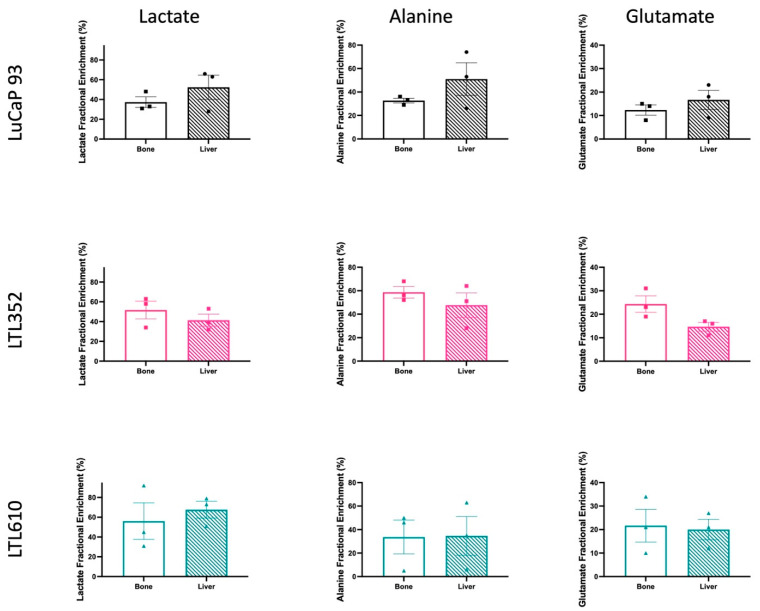 Figure 6
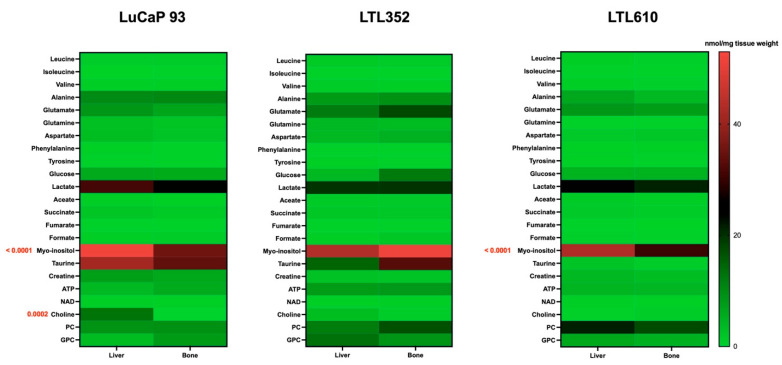 Figure 7
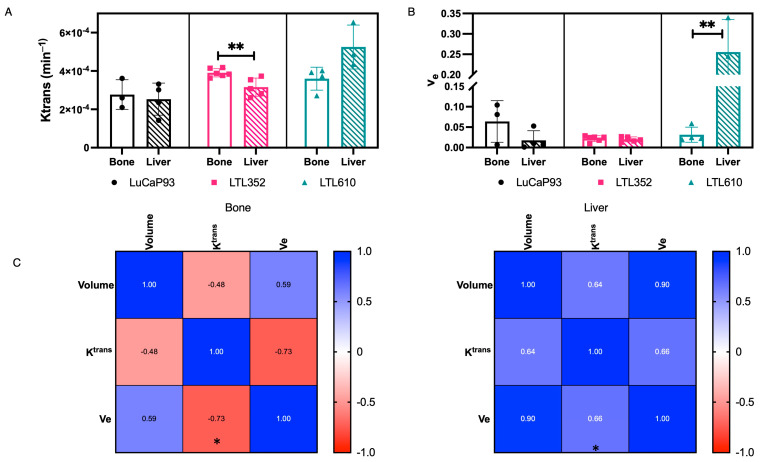 Figure 8
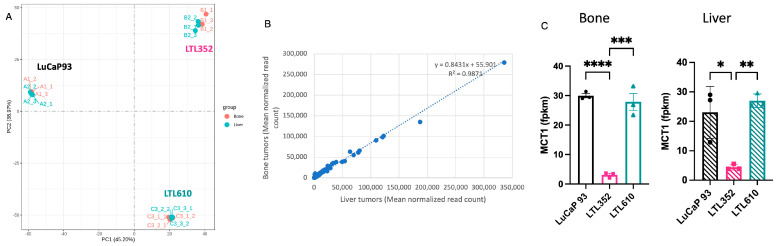 Figure 9
Peer Reviews
No public reviews on file for this paper yet. If you reviewed it on a platform where reviews are public (OpenReview, ICLR, NeurIPS, ICML), you can paste yours below so the community can read it here.
Videos
No videos yet. Explain this paper in a talk, walkthrough, or lecture? Add one.
Taxonomy
TopicsProstate Cancer Treatment and Research · Radiopharmaceutical Chemistry and Applications · Bone health and treatments