Photoprotective Effects of Quercetin and Hesperidin in Polymorphous Light Eruption: A Comparative Study with Alpha-Glucosylrutin
Yoon-Seo Choi, Sang-Hoon Park, Inhee Jung, Eun-Ju Park, Wonki Hong, Jin-Hee Shin, Won-Sang Seo, Jongsung Lee

TL;DR
This study compares natural flavonoids quercetin and hesperidin to a synthetic compound for protecting skin from UV damage, finding the natural mix more effective and safer.
Contribution
The study introduces a safer, natural flavonoid complex as an effective alternative to synthetic photoprotective agents.
Findings
An 8:1 quercetin:hesperidin complex outperformed alpha-glucosylrutin in restoring antioxidant enzymes and reducing inflammation.
The complex reduced allergic response markers more effectively than the synthetic compound.
Hesperidin maintained high cell viability across all tested concentrations, unlike quercetin at higher doses.
Abstract
Polymorphous Light Eruption (PLE) is a prevalent UV-induced photodermatosis characterized by abnormal immune responses, oxidative stress, and cutaneous inflammation. Alpha-glucosylrutin (AGR), a chemically modified flavonoid widely used for its antioxidant and photoprotective effects, has shown clinical efficacy; however, its synthetic origin and classification as a potential skin sensitizer and aquatic toxin raise safety and environmental concerns. These limitations underscore the need for safer, naturally derived alternatives. In this study, we investigated the comparative efficacy of quercetin (QC) and hesperidin (HPN)—two plant-based flavonoids—against AGR in in vitro and ex vivo models of sun-induced skin damage. An optimized QC:HPN 8:1 (w/w) complex significantly restored antioxidant enzyme activities (SOD: 4.11 ± 0.32 mU/mg; CAT: 1.88 ± 0.04 mU/mg) and suppressed inflammatory…
Genes, proteins, chemicals, diseases, species, mutations and cell lines named across the full text — each resolved to its canonical identifier and authoritative record.
Click any figure to enlarge with its caption.
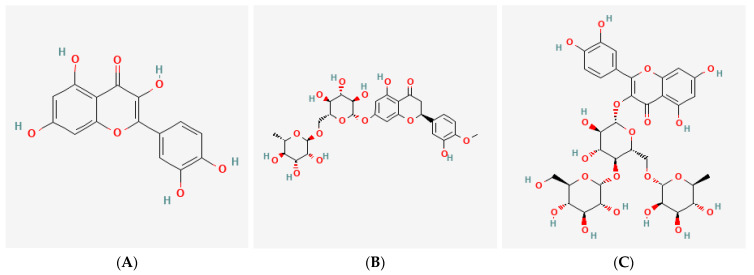 Figure 1
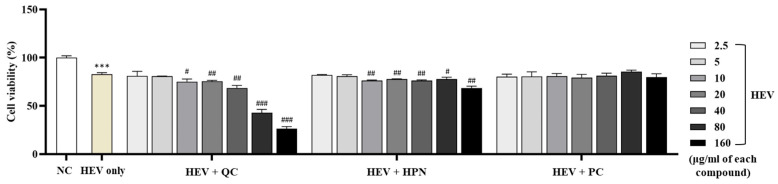 Figure 2
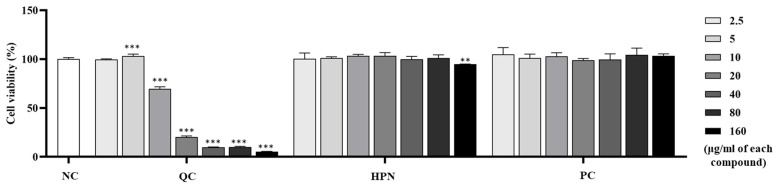 Figure 3
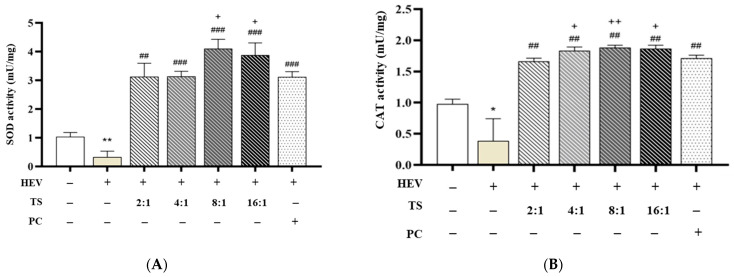 Figure 4
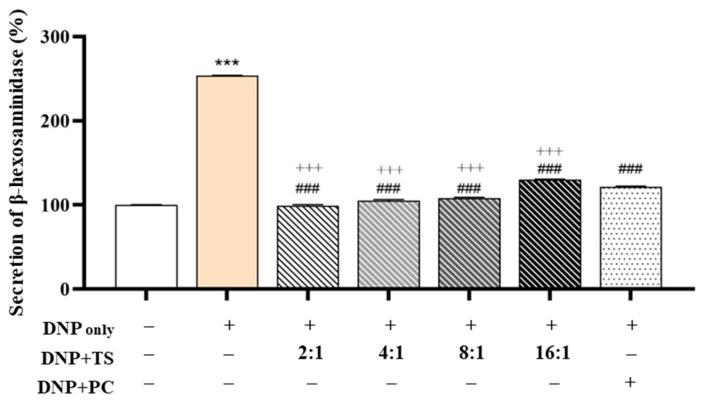 Figure 5
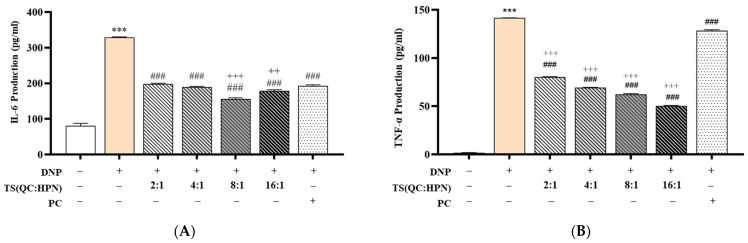 Figure 6
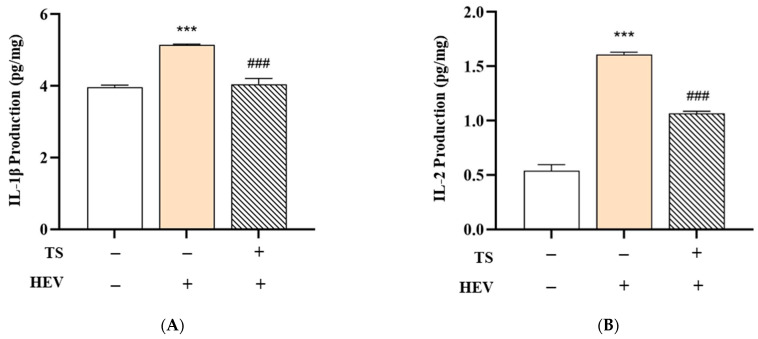 Figure 7
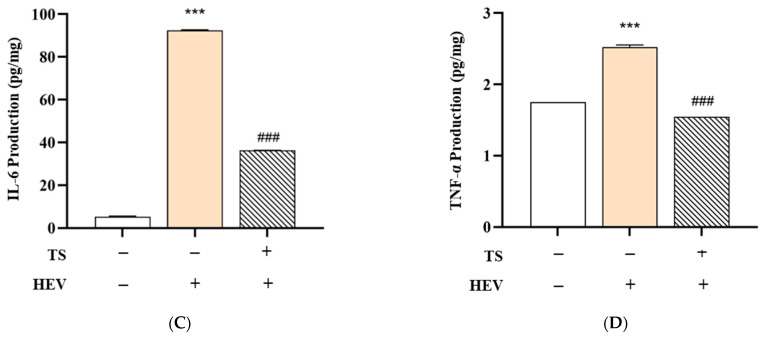 Figure 8
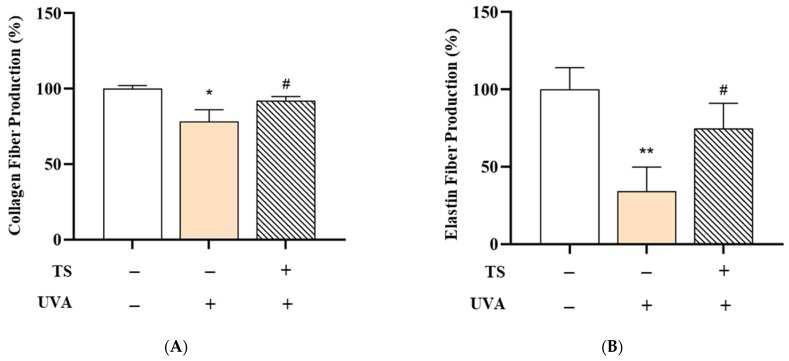 Figure 9
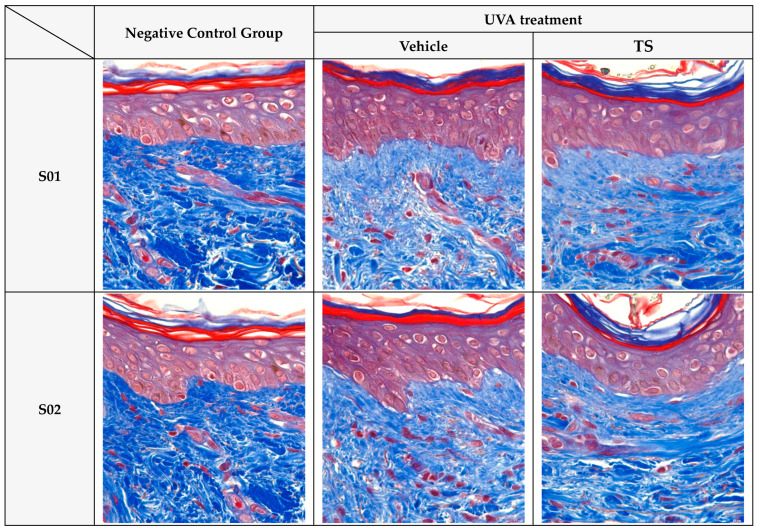 Figure 10
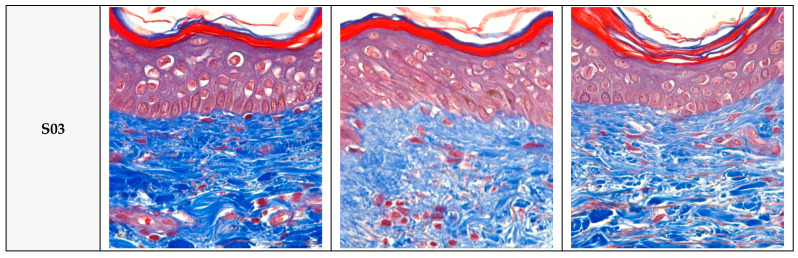 Figure 11
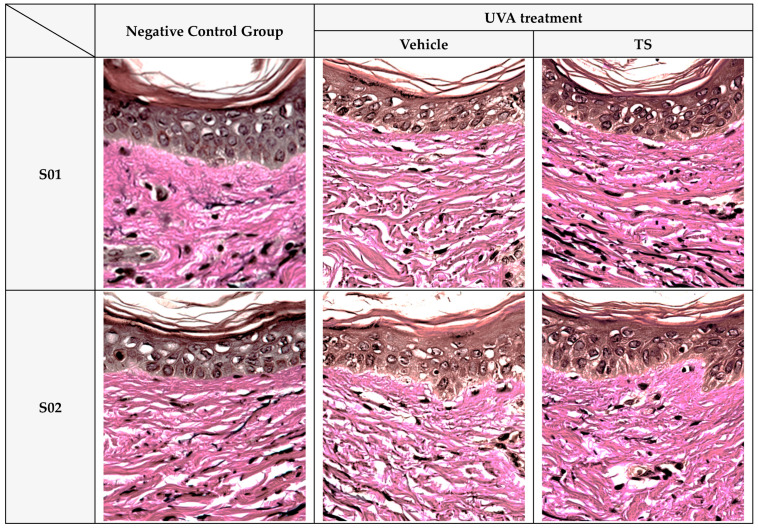 Figure 12
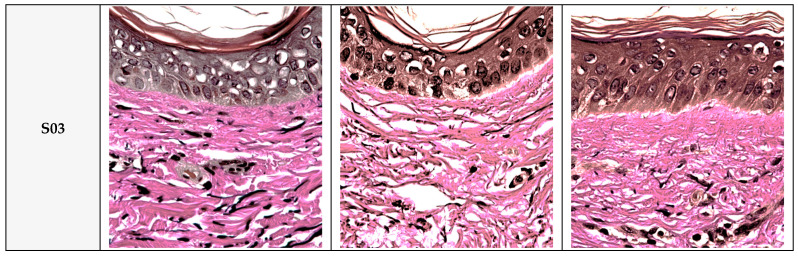 Figure 13
Peer Reviews
No public reviews on file for this paper yet. If you reviewed it on a platform where reviews are public (OpenReview, ICLR, NeurIPS, ICML), you can paste yours below so the community can read it here.
Videos
No videos yet. Explain this paper in a talk, walkthrough, or lecture? Add one.
Taxonomy
TopicsSkin Protection and Aging · Essential Oils and Antimicrobial Activity · melanin and skin pigmentation