Automated Aneurysm Boundary Detection and Volume Estimation Using Deep Learning
Alireza Bagheri Rajeoni, Breanna Pederson, Susan M. Lessner, Homayoun Valafar

TL;DR
This paper introduces an automated deep learning method to detect aneurysm boundaries and estimate their volume using medical imaging, reducing the need for manual analysis.
Contribution
The novel approach combines pre-trained neural networks and expert systems to estimate aneurysm volume without requiring pixel-wise aorta segmentations.
Findings
The method achieved an R2 score of 71% for predicting the aneurysm start point.
It achieved an R2 score of 92% for estimating aneurysm volume.
The approach reduces reliance on annotated datasets for clinical aneurysm analysis.
Abstract
Background/Objective: Precise aneurysm volume measurement offers a transformative edge for risk assessment and treatment planning in clinical settings. Currently, clinical assessments rely heavily on manual review of medical imaging, a process that is time-consuming and prone to inter-observer variability. The widely accepted standard of care primarily focuses on measuring aneurysm diameter at its widest point, providing a limited perspective on aneurysm morphology and lacking efficient methods to measure aneurysm volumes. Yet, volume measurement can offer deeper insight into aneurysm progression and severity. In this study, we propose an automated approach that leverages the strengths of pre-trained neural networks and expert systems to delineate aneurysm boundaries and compute volumes on an unannotated dataset from 60 patients. The dataset includes slice-level start/end annotations…
Genes, proteins, chemicals, diseases, species, mutations and cell lines named across the full text — each resolved to its canonical identifier and authoritative record.
Click any figure to enlarge with its caption.
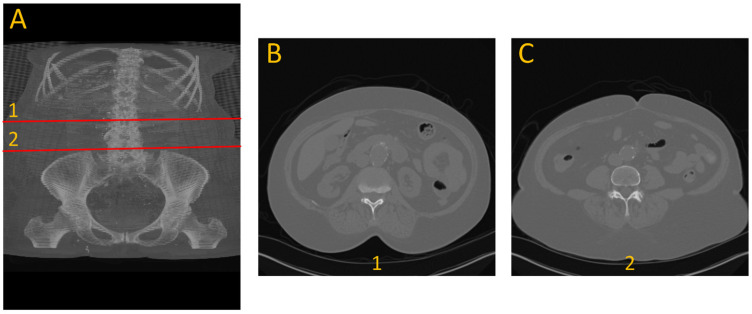 Figure 1
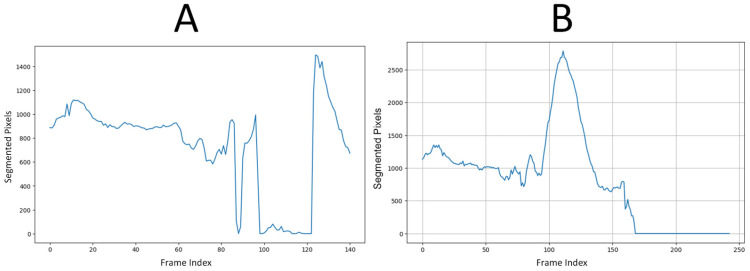 Figure 2
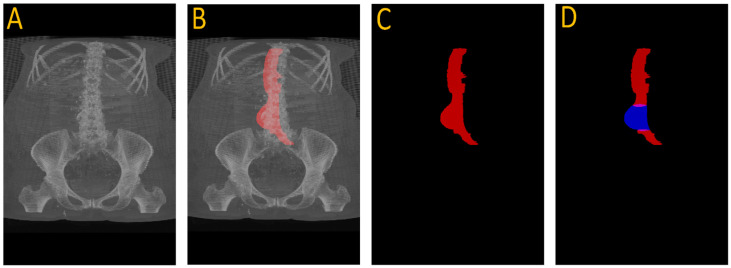 Figure 3
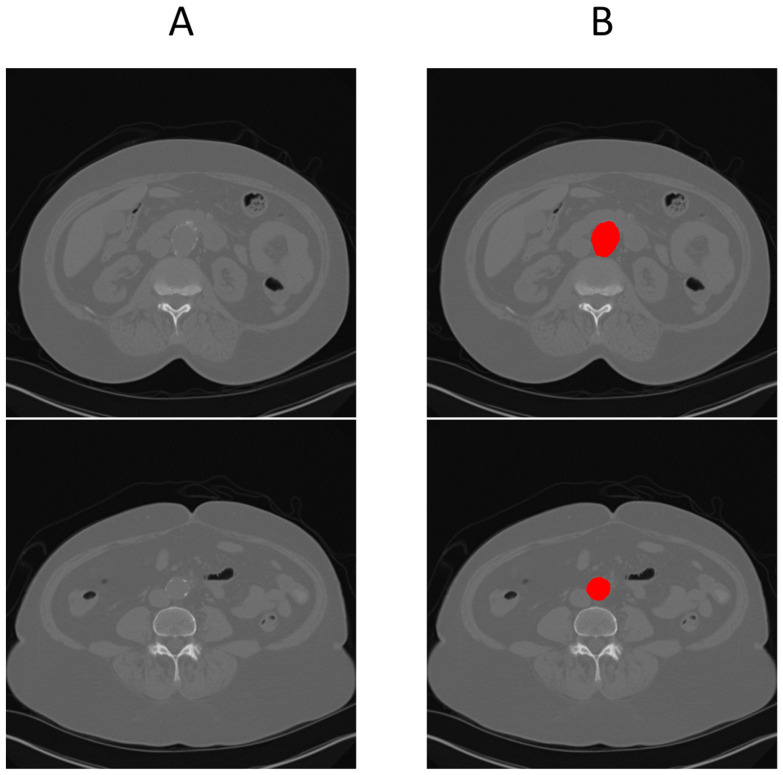 Figure 4
 Figure 5
 Figure 6
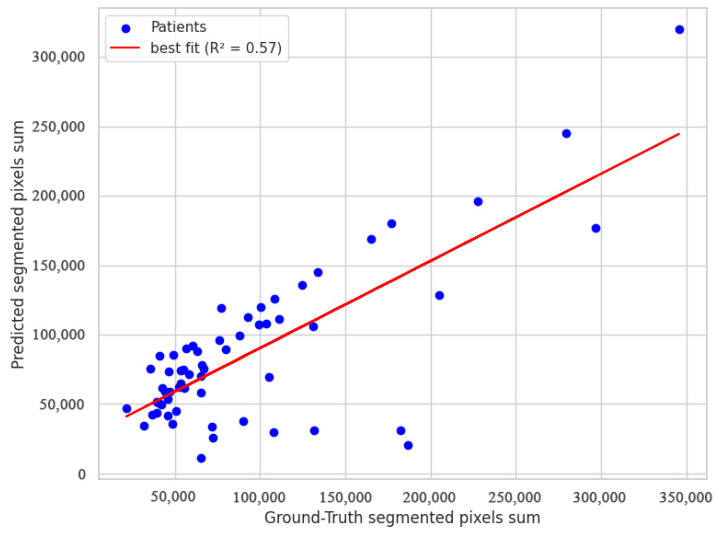 Figure 7
 Figure 8
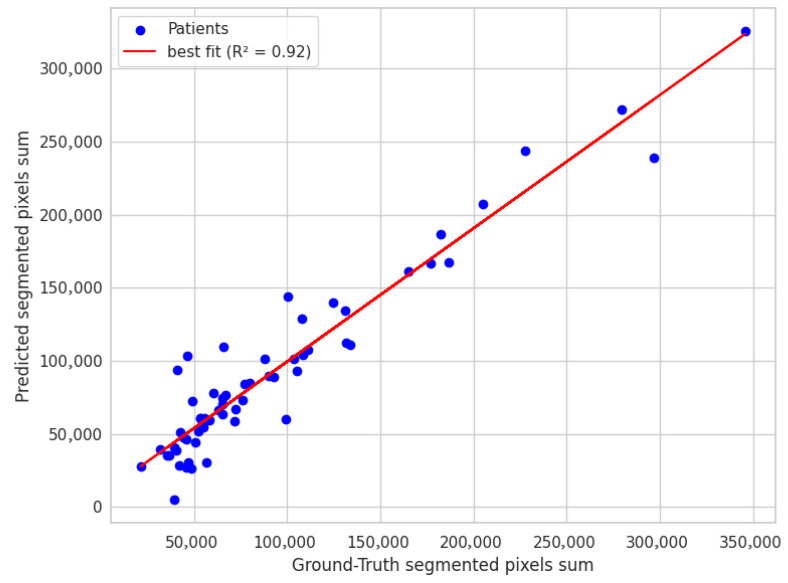 Figure 9
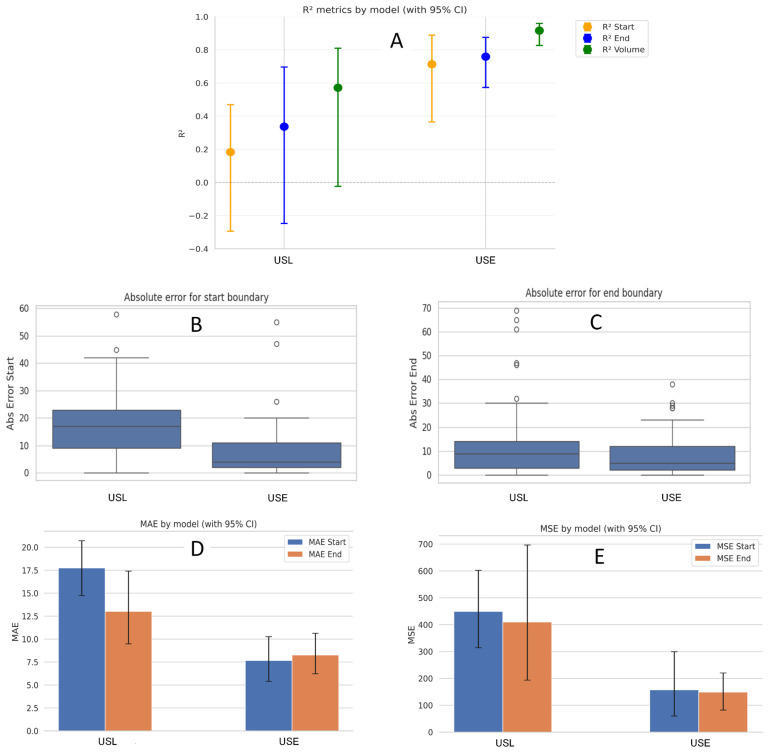 Figure 10
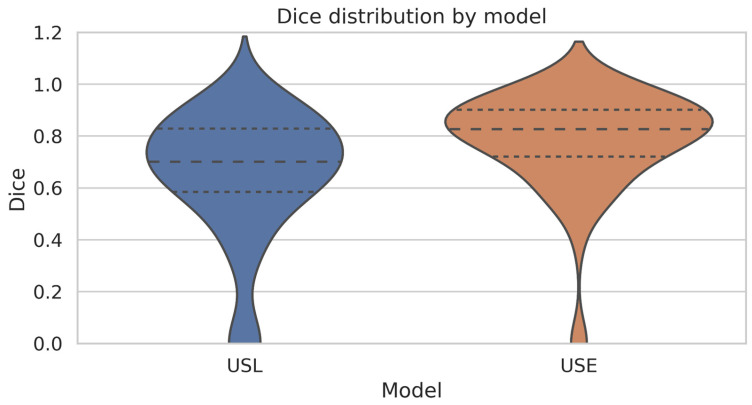 Figure 11
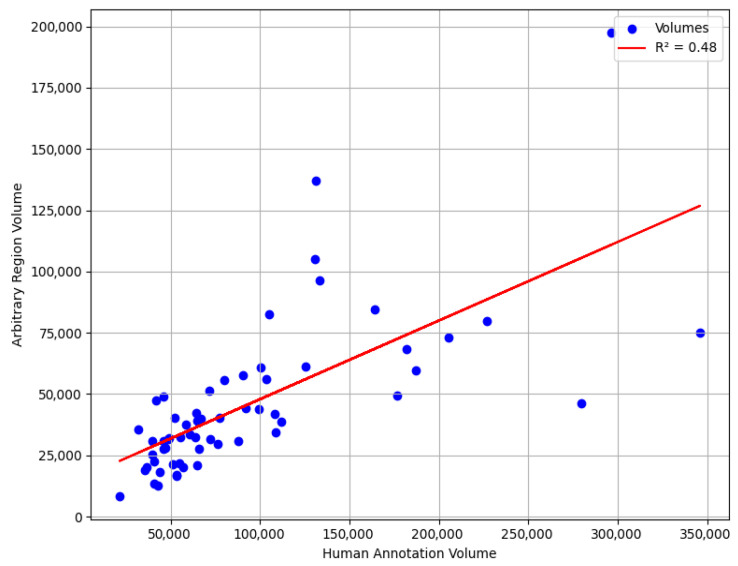 Figure 12
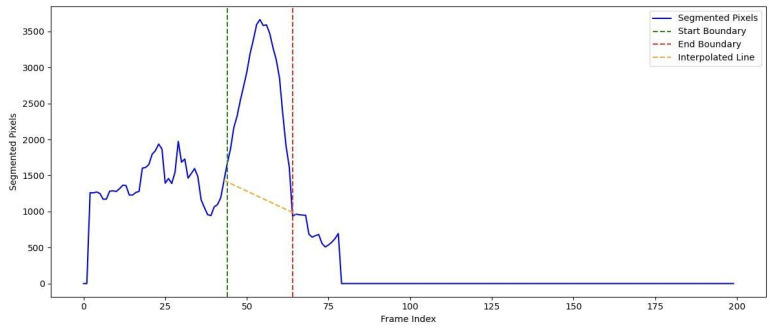 Figure 13
Peer Reviews
No public reviews on file for this paper yet. If you reviewed it on a platform where reviews are public (OpenReview, ICLR, NeurIPS, ICML), you can paste yours below so the community can read it here.
Videos
No videos yet. Explain this paper in a talk, walkthrough, or lecture? Add one.
Taxonomy
TopicsAortic aneurysm repair treatments · Intracranial Aneurysms: Treatment and Complications · Cardiac, Anesthesia and Surgical Outcomes