Translational Insights into Interferon Alpha’s Effects on Immunomolecular Dynamics in Philadelphia-Negative Myeloproliferative Neoplasms
Regina García-Delgado, Elena Luque-Lupiáñez, David Mora-Infante, Rodolfo Matías Ortíz-Flores, Borja Cidoncha-Morcillo, Julio Torres-González, Andrés Fontalba-Navas, Alejandro Escamilla-Sánchez

TL;DR
This study explores how interferon alpha affects immune responses and gene activity in blood cancer patients, revealing patterns that could help personalize treatment.
Contribution
The study identifies dynamic immunomolecular changes during interferon alpha therapy in myeloproliferative neoplasms, suggesting potential biomarkers for treatment response.
Findings
Prolonged interferon alpha exposure reduces pro-inflammatory cytokines and downregulates STAT1/STAT3 signaling.
Intermediate treatment exposure is linked to transient TH2/regulatory cytokine peaks and upregulation of genes like CXCL10, SOCS3, and TNFAIP3.
Functional correlations between cytokine and gene expression patterns suggest immune reprogramming by interferon alpha.
Abstract
Patients with chronic blood cancers called myeloproliferative neoplasms (MPNs) can benefit from a therapy based on interferon alpha, which helps the immune system fight disease. However, we still do not fully understand how this treatment works at the molecular level, or how to predict who will respond best. In this study, we analyzed blood samples from patients treated with interferon alpha to investigate changes in immune signals and gene activity over time. We found a progressive decrease in inflammation-related molecules and changes in genes involved in immune regulation, cell survival, and blood cell production. These results suggest that interferon gradually reshapes the immune system and may help control the disease by reducing inflammation and promoting cell death in abnormal blood cells. Our findings may help identify new biomarkers to personalize treatment and monitor its…
Genes, proteins, chemicals, diseases, species, mutations and cell lines named across the full text — each resolved to its canonical identifier and authoritative record.
Click any figure to enlarge with its caption.
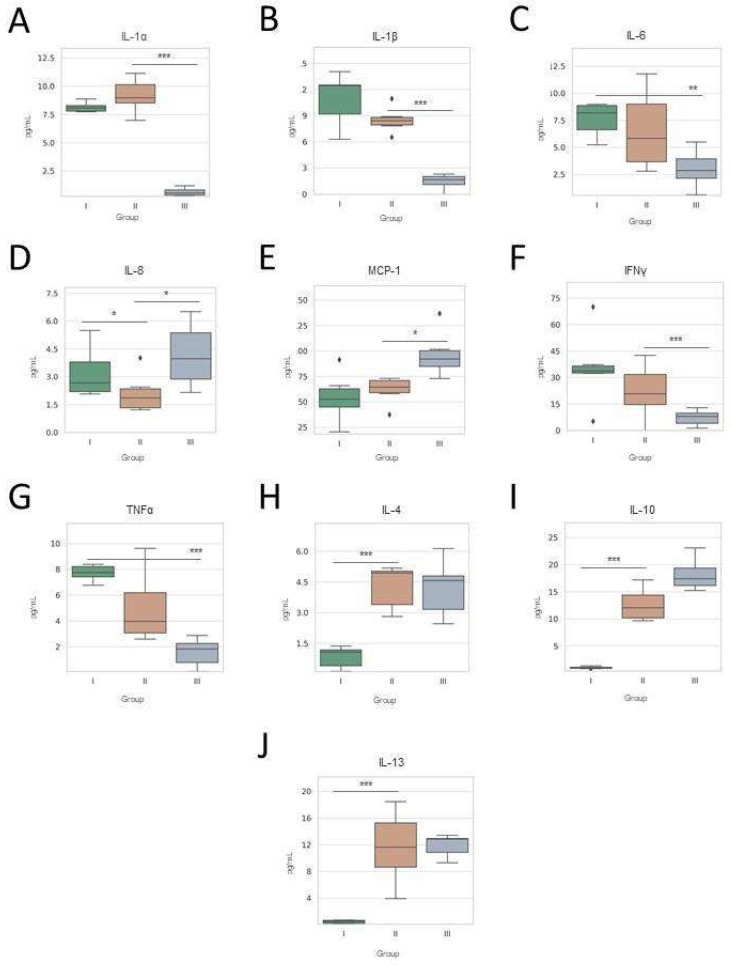 Figure 1
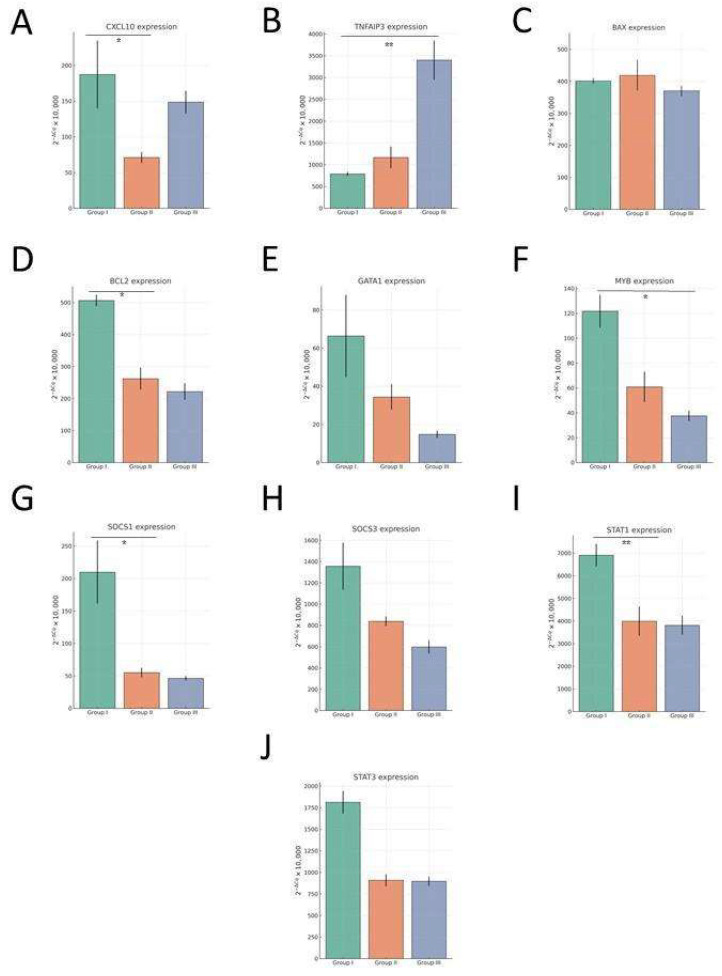 Figure 2
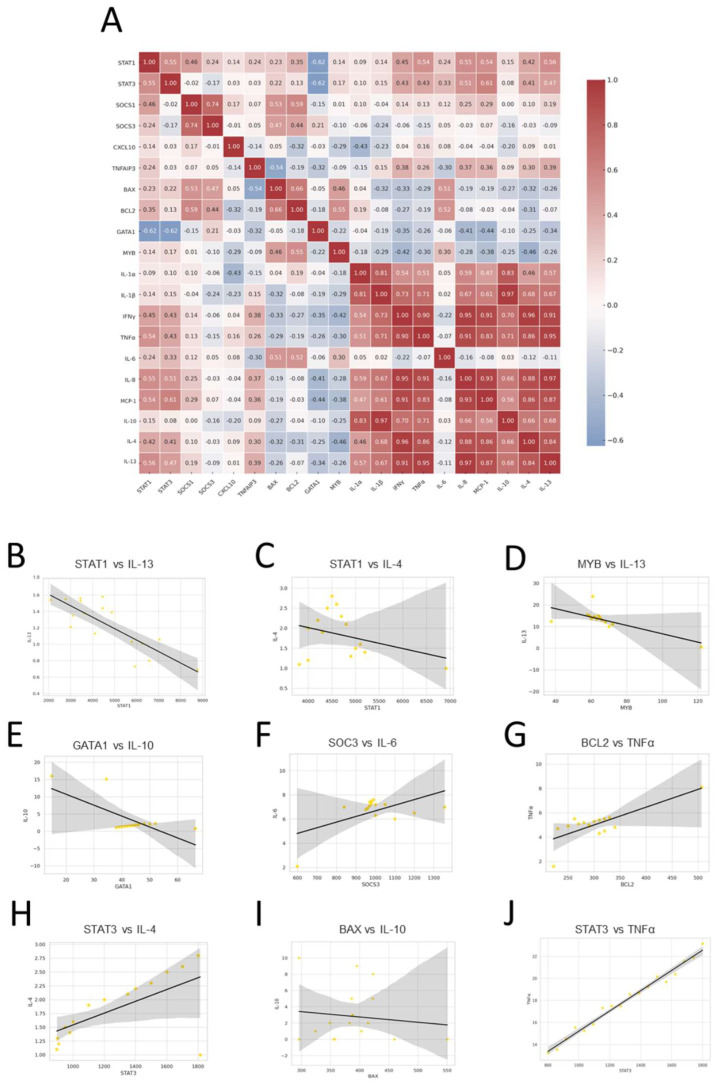 Figure 3
Peer Reviews
No public reviews on file for this paper yet. If you reviewed it on a platform where reviews are public (OpenReview, ICLR, NeurIPS, ICML), you can paste yours below so the community can read it here.
Videos
No videos yet. Explain this paper in a talk, walkthrough, or lecture? Add one.
Taxonomy
TopicsMyeloproliferative Neoplasms: Diagnosis and Treatment · Eosinophilic Disorders and Syndromes · Chronic Myeloid Leukemia Treatments