Prognosis of Pediatric Dilated Cardiomyopathy: Nomogram and Risk Score Models for Predicting Death/Heart Transplantation
Bowen Xu, Yue Yuan, Lu Gao, Zhiyuan Wang, Zhenyu Lv, Wen Yu, Hongfang Jin, Zhen Zhen, Zhihui Zhao, Jia Na, Aihua Hu, Yanyan Xiao

TL;DR
This study created a model to predict the risk of death or heart transplantation in children with dilated cardiomyopathy using clinical factors.
Contribution
The study introduces a novel nomogram and risk score model for predicting outcomes in pediatric dilated cardiomyopathy.
Findings
Age of onset, cardiac classification III–IV, and mitral regurgitation are key predictors of D/HT risk.
The nomogram achieved 80.3% sensitivity and 66.7% specificity in predicting D/HT.
A scoring system with a cutoff of ≥13.25 improved prediction accuracy to 68.9% sensitivity and 73.9% specificity.
Abstract
Background: This study aimed to develop a predictive model to assess risk factors and prognoses in pediatric patients with dilated cardiomyopathy (DCM). Methods: A total of 233 pediatric patients with DCM who were hospitalized between January 2019 and June 2024 were enrolled. The children were followed up and categorized into two groups: the death/heart transplantation (D/HT) group and the non-D/HT group. Univariate and multivariate analyses identified risk factors. A nomogram model and a scoring system were developed. The performance of these models was evaluated using the H-L test, ROC analysis, and internal validation. Results: The results demonstrated that the age of onset, cardiac functional classification III–IV, moderate-to-severe mitral regurgitation, low voltage in limb leads on an ECG, and the need for vasoactive drugs are independent predictors of D/HT risk in children with…
Genes, proteins, chemicals, diseases, species, mutations and cell lines named across the full text — each resolved to its canonical identifier and authoritative record.
Click any figure to enlarge with its caption.
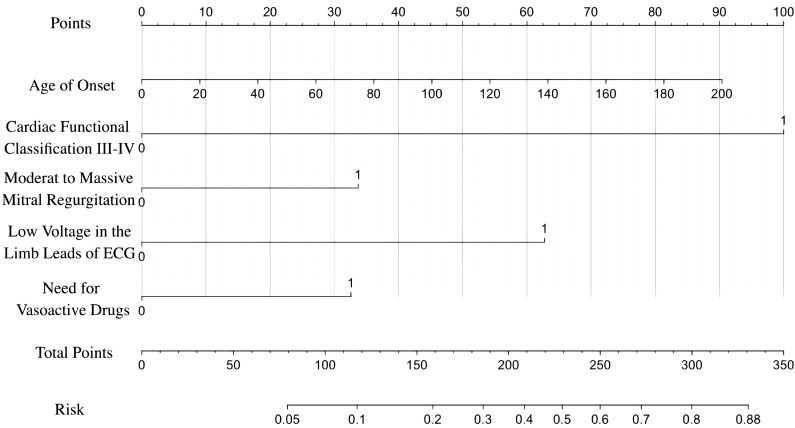 Figure 1
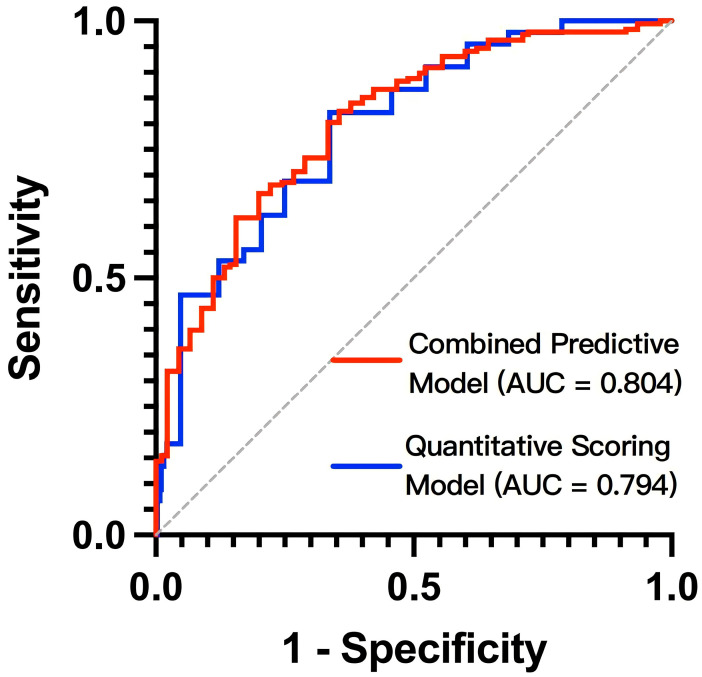 Figure 2
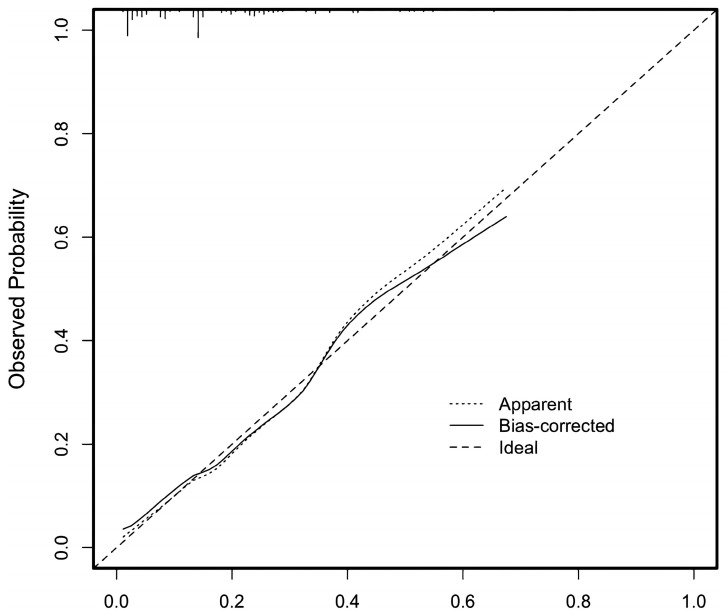 Figure 3
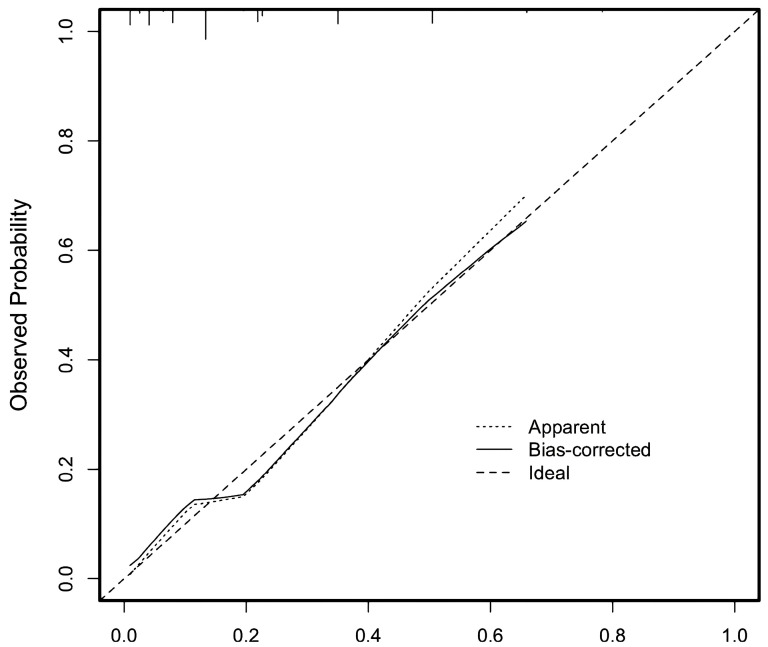 Figure 4
Peer Reviews
No public reviews on file for this paper yet. If you reviewed it on a platform where reviews are public (OpenReview, ICLR, NeurIPS, ICML), you can paste yours below so the community can read it here.
Videos
No videos yet. Explain this paper in a talk, walkthrough, or lecture? Add one.
Taxonomy
TopicsCardiac Arrhythmias and Treatments · Cardiac pacing and defibrillation studies · Cardiac Structural Anomalies and Repair