Clinical Insights into Risk Factors for Infantile Hemangioma and Propranolol Treatment Outcomes
Ioana Roșca, Raluca-Gabriela Miulescu, Alexandra-Maria Roman, Oana-Alexandra Peta, Alina Turenschi, Anca Miu, Aurelia Sosoi, Andreea Teodora Constantin, Leonard Năstase, Sânziana Miu, Alexandru Dinulescu, Elena Poenaru, Florica Șandru

TL;DR
This study explores risk factors for infantile hemangioma and the effectiveness of propranolol treatment in infants, finding that pre-term birth and low birth weight are common and propranolol is effective with mild side effects.
Contribution
The study provides clinical insights into risk factors and treatment outcomes for infantile hemangioma using a retrospective observational approach.
Findings
Infantile hemangioma is more common in pre-term and low-birth-weight infants.
Propranolol treatment resulted in significant lesion regression with mild complications.
Early diagnosis and timely treatment are crucial for favorable outcomes.
Abstract
Background/Objectives: Infantile hemangioma (IH) is a common vascular tumor in neonates, influenced by multiple prenatal and perinatal factors. This study aimed to identify risk factors in both infants and mothers, assess their link to clinical characteristics and severity, and evaluate treatment outcomes when systemic propranolol therapy was administered. Methods: We conducted a retrospective observational study analyzing 43 infants under 12 months, including 11 neonates (<28 days) diagnosed with IH. Maternal and neonatal factors, diagnostic timelines, clinical presentation, and treatment efficacy were examined. Data analysis included descriptive statistics, focusing on gestational age, birth weight, Apgar scores, and the Infantile Hemangioma Referral Score (IHReS). Results: The study found a female predominance and a correlation between IH and pre-term birth (50%) and low birth weight…
Genes, proteins, chemicals, diseases, species, mutations and cell lines named across the full text — each resolved to its canonical identifier and authoritative record.
Click any figure to enlarge with its caption.
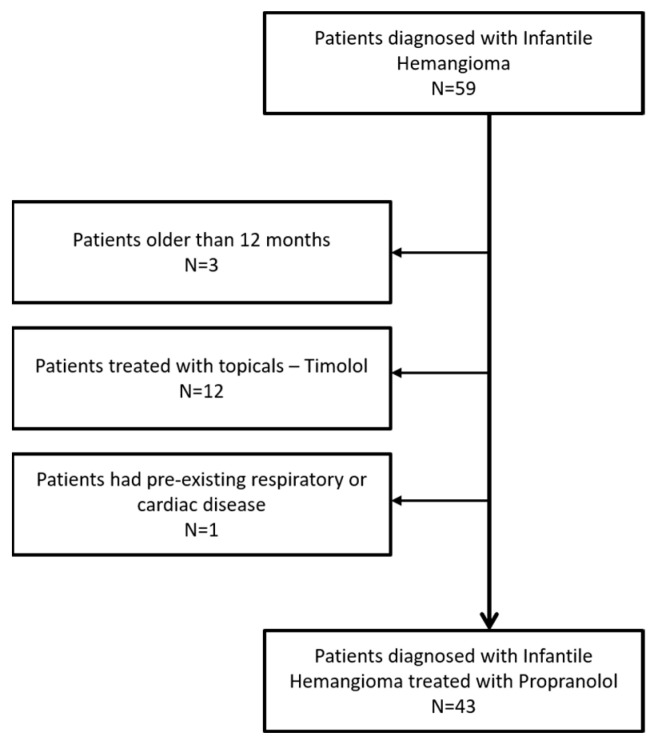 Figure 1
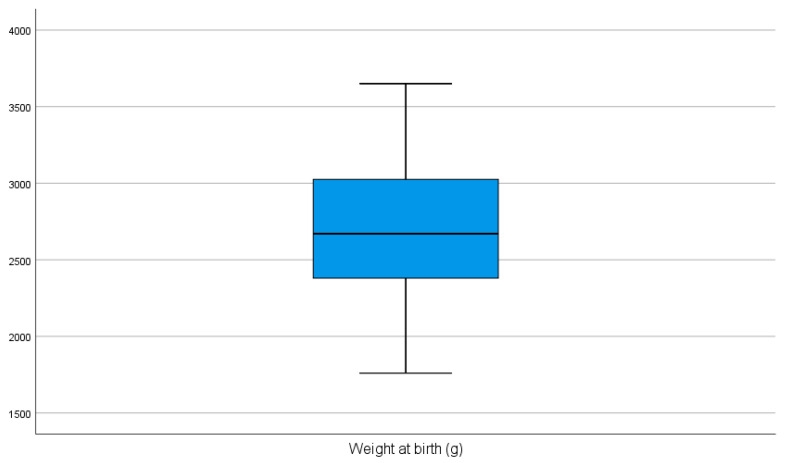 Figure 2
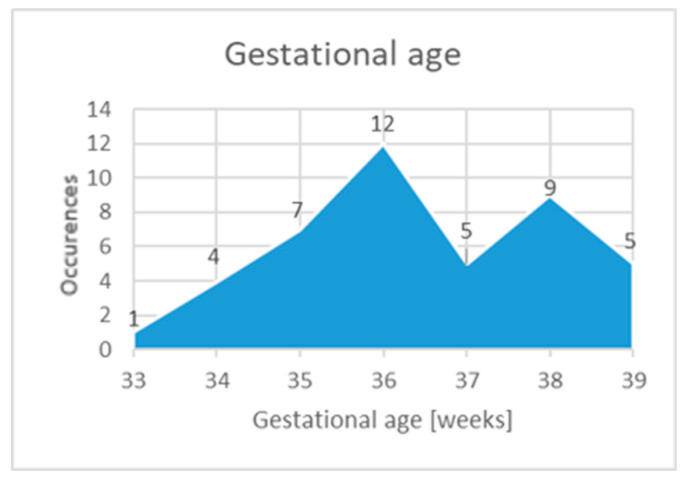 Figure 3
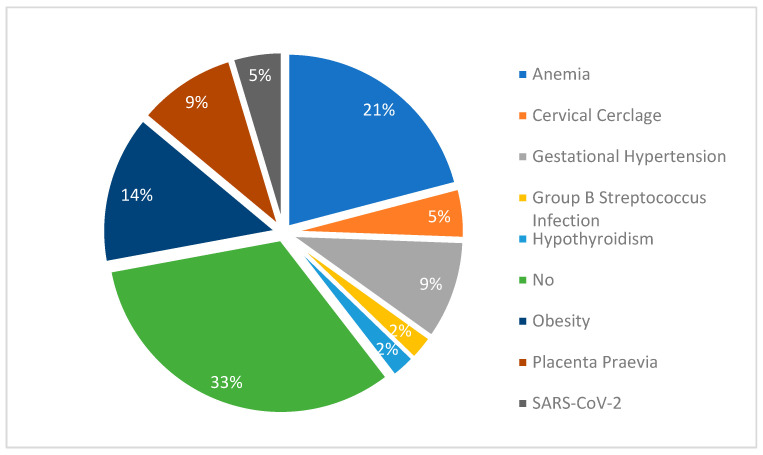 Figure 4
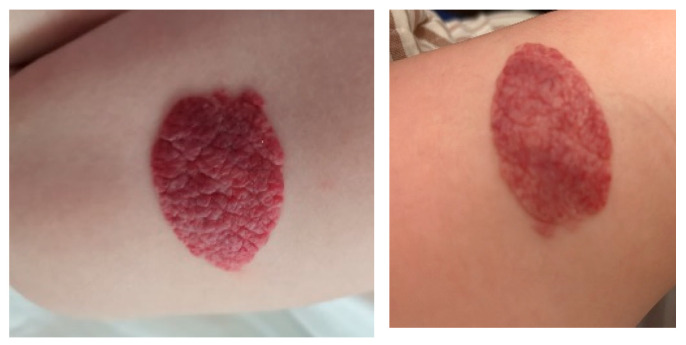 Figure 5
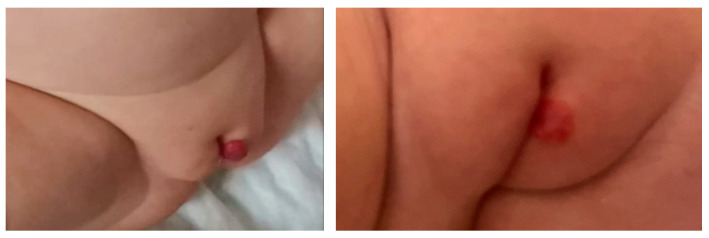 Figure 6
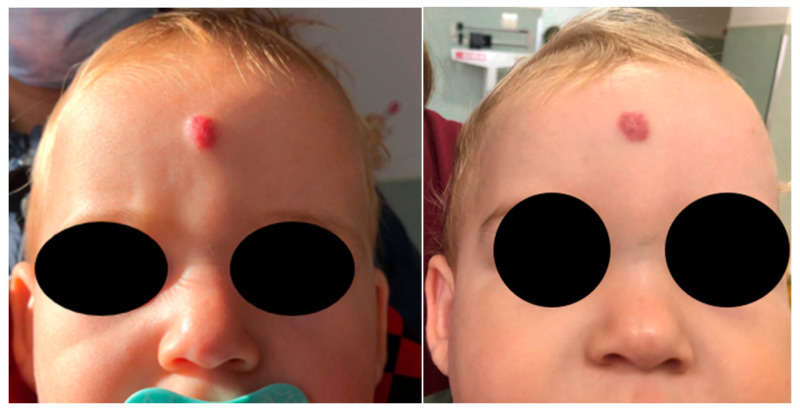 Figure 7
Peer Reviews
No public reviews on file for this paper yet. If you reviewed it on a platform where reviews are public (OpenReview, ICLR, NeurIPS, ICML), you can paste yours below so the community can read it here.
Videos
No videos yet. Explain this paper in a talk, walkthrough, or lecture? Add one.
Taxonomy
TopicsVascular Malformations and Hemangiomas · Tumors and Oncological Cases · Teratomas and Epidermoid Cysts