Ambulatory Blood Pressure Monitoring in Children: A Cross-Sectional Study of Blood Pressure Indices
Sulaiman K. Abdullah, Ibrahim A. Sandokji, Aisha K. Al-Ansari, Hadeel A. Alsubhi, Abdulaziz Bahassan, Esraa Nawawi, Fawziah H. Alqahtani, Marwan N. Flimban, Mohamed A. Shalaby, Jameela A. Kari

TL;DR
This study shows that ambulatory blood pressure monitoring can better detect cardiovascular risks in children, especially those with kidney disease.
Contribution
The study evaluates ABPM-derived indices in children, including those with CKD, and identifies their clinical utility in cardiovascular risk assessment.
Findings
Systolic and diastolic hypertension were significant predictors of elevated average real variability (ARV).
BMI and GFR were positively associated with the ambulatory arterial stiffness index (AASI).
ABPM demonstrated greater sensitivity in detecting vascular health markers in children with CKD.
Abstract
Background: Ambulatory blood pressure monitoring (ABPM) is increasingly recognized as a more reliable indicator of blood pressure status in children than clinic-based measurements, with superior predictive value for cardiovascular morbidity and mortality. However, evidence on the clinical utility of ABPM-derived indices, such as pulse pressure (PP), pulse pressure index (PPI), rate pressure product (RPP), ambulatory arterial stiffness index (AASI), and average real variability (ARV), remains underexplored in the pediatric population, particularly among children with chronic kidney disease (CKD). Objective: To evaluate the correlation between ABPM-derived indices in children, with a subgroup analysis comparing those with and without CKD. Secondary objectives included identifying factors associated with AASI and ARV and assessing their utility in cardiovascular risk stratification.…
Genes, proteins, chemicals, diseases, species, mutations and cell lines named across the full text — each resolved to its canonical identifier and authoritative record.
Click any figure to enlarge with its caption.
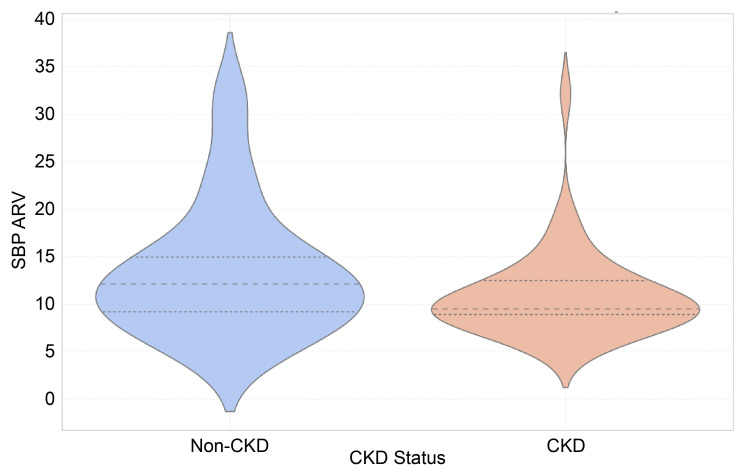 Figure 1
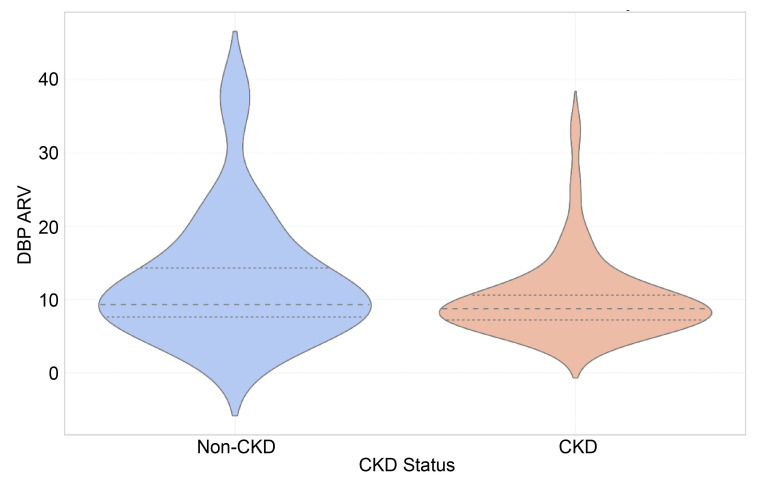 Figure 2
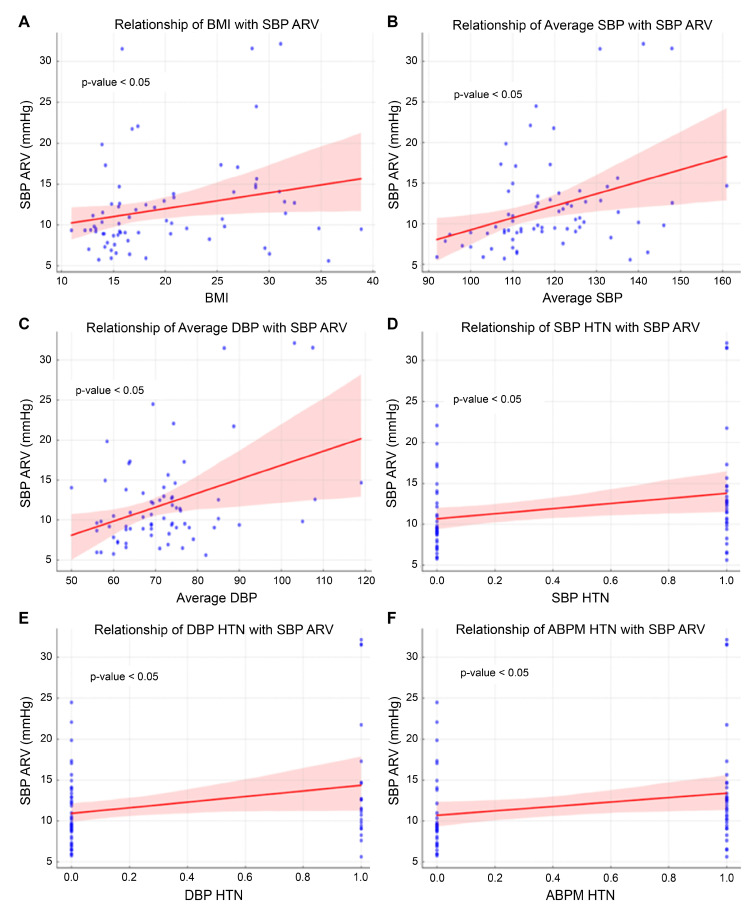 Figure 3
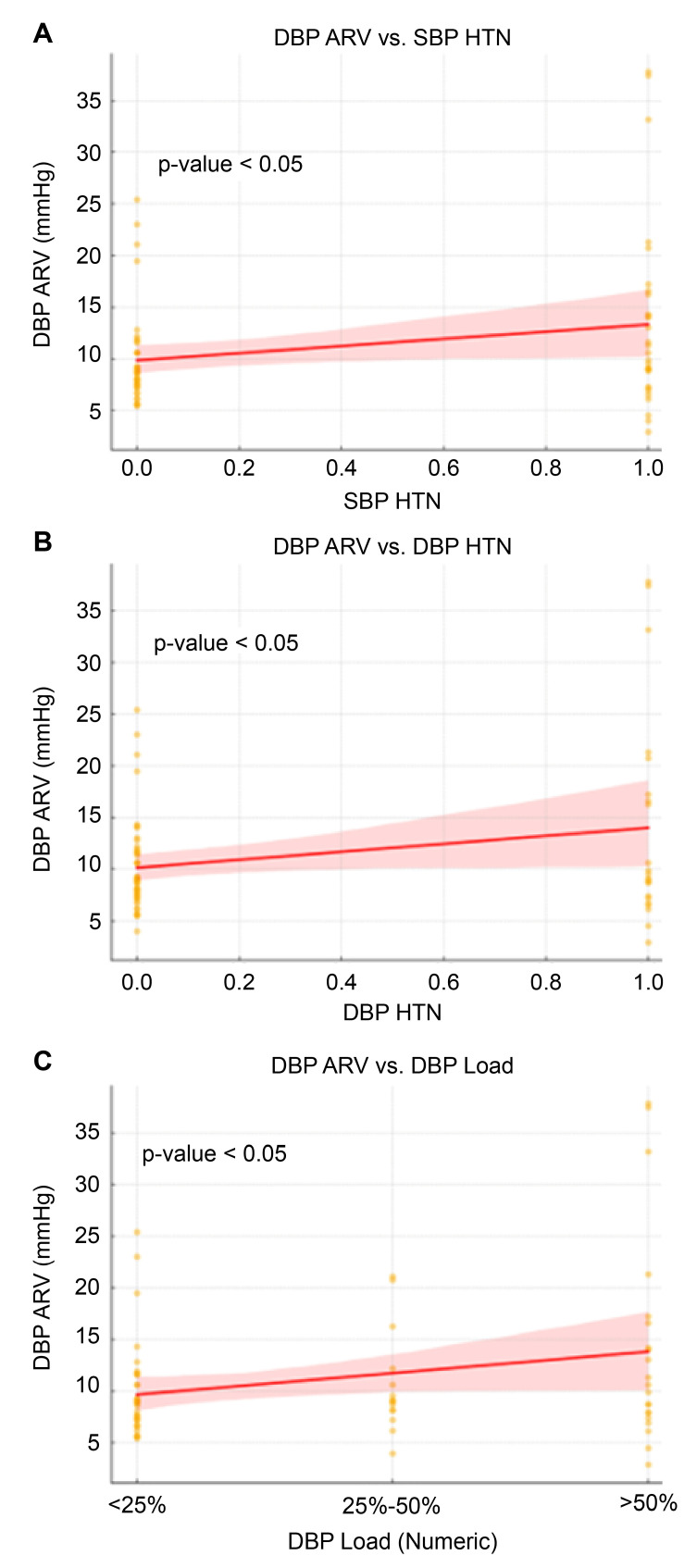 Figure 4
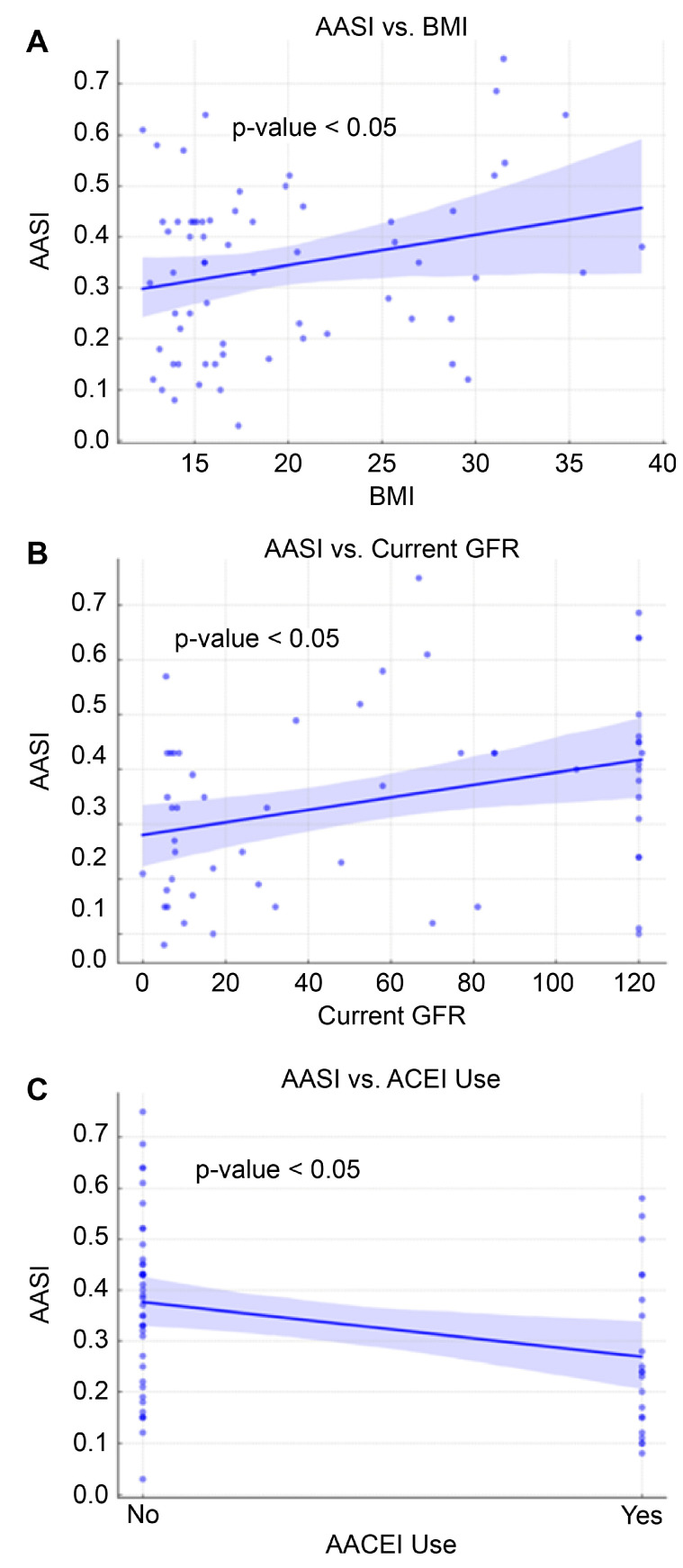 Figure 5
Peer Reviews
No public reviews on file for this paper yet. If you reviewed it on a platform where reviews are public (OpenReview, ICLR, NeurIPS, ICML), you can paste yours below so the community can read it here.
Videos
No videos yet. Explain this paper in a talk, walkthrough, or lecture? Add one.
Taxonomy
TopicsBlood Pressure and Hypertension Studies · Cardiovascular Health and Disease Prevention · Heart Rate Variability and Autonomic Control