Non-Coding RNAs in Asthma: Regulators of Eosinophil Biology and Airway Inflammation
Eglė Vasylė, Andrius Januškevičius, Kęstutis Malakauskas

TL;DR
This paper reviews how non-coding RNAs regulate eosinophils and contribute to asthma inflammation.
Contribution
It consolidates current knowledge on ncRNAs' role in eosinophil biology and asthma progression.
Findings
Non-coding RNAs regulate eosinophil development and function.
ncRNAs contribute to asthma pathogenesis through immune regulation.
ncRNAs are linked to Type 2 inflammation and airway remodeling.
Abstract
Asthma is a complex and heterogeneous disease characterized by chronic airway inflammation, bronchial hyperresponsiveness, and reversible airflow obstruction. Despite extensive research, its underlying molecular mechanisms remain incompletely understood. Among the key immune cells involved, eosinophils play a central role in asthma pathophysiology through their contributions to Type 2 inflammation, tissue remodeling, and immune regulation. Recent studies have shown that non-coding RNAs (ncRNAs) play a crucial role in regulating eosinophil biology and contribute to the molecular mechanisms underlying asthma progression. This review consolidates the current understanding of ncRNAs in the development of eosinophils, their involvement in asthma pathogenesis, and the mechanisms underlying this process.
Genes, proteins, chemicals, diseases, species, mutations and cell lines named across the full text — each resolved to its canonical identifier and authoritative record.
Click any figure to enlarge with its caption.
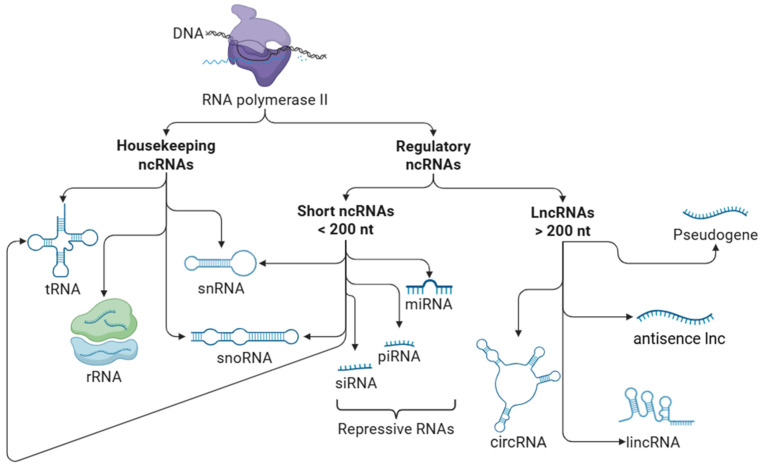 Figure 1
Peer Reviews
No public reviews on file for this paper yet. If you reviewed it on a platform where reviews are public (OpenReview, ICLR, NeurIPS, ICML), you can paste yours below so the community can read it here.
Videos
No videos yet. Explain this paper in a talk, walkthrough, or lecture? Add one.
Taxonomy
TopicsCancer-related molecular mechanisms research · IL-33, ST2, and ILC Pathways · MicroRNA in disease regulation