Dramatic Deterioration of Subclinical Hyperparathyroidism in Children and Adolescents During the Post-COVID-19 Period
Maria Loutsou, Eleni Dermitzaki, Rodis D. Paparodis, Aspasia N. Michoula, Nicholas Angelopoulos, Panagiotis Christopoulos, Stavros Diamantopoulos, George Mastorakos, Ioanna N. Grivea, Dimitrios T. Papadimitriou

TL;DR
The study shows a significant rise in vitamin D deficiency and subclinical hyperparathyroidism in children post-COVID-19, linked to potential health risks.
Contribution
The study reveals a marked deterioration in vitamin D status and calcium metabolism in children during the post-COVID-19 period.
Findings
60.8% of children had vitamin D deficiency or insufficiency, worsening with age.
Subclinical hyperparathyroidism increased to 21.5%, with 73.5% of those being vitamin D deficient or insufficient.
Vitamin D deficiency was linked to higher BMI and seasonal variations, with levels dropping in winter.
Abstract
Background: Vitamin D is a steroid hormone, essential for the immune system and bone health. Since the sun is meant to provide at least 80% of daily vitamin D requirements, the COVID-19 pandemic is likely to have induced a considerable influence on calcium metabolism. Methods: We analyzed data from 1138 children, seen in an outpatient pediatric endocrinology clinic from 2022–2023. Vitamin D status was classified as deficiency if 25(OH)D ≤ 20 ng/mL, insufficiency < 30 ng/mL, and sufficiency ≥ 30 ng/mL. Results: Overall, 60.8% of children had vitamin D deficiency or insufficiency worsened with age (p < 0.005), and with adolescent males having higher 25(OH)D concentrations than females (p < 0.05). A negative correlation was found between 25(OH)D and BMI SDS (R2 = 0.02, p < 0.001), and 25(OH)D concentrations varied seasonally, decreasing in winter. Subclinical hyperparathyroidism…
Genes, proteins, chemicals, diseases, species, mutations and cell lines named across the full text — each resolved to its canonical identifier and authoritative record.
Click any figure to enlarge with its caption.
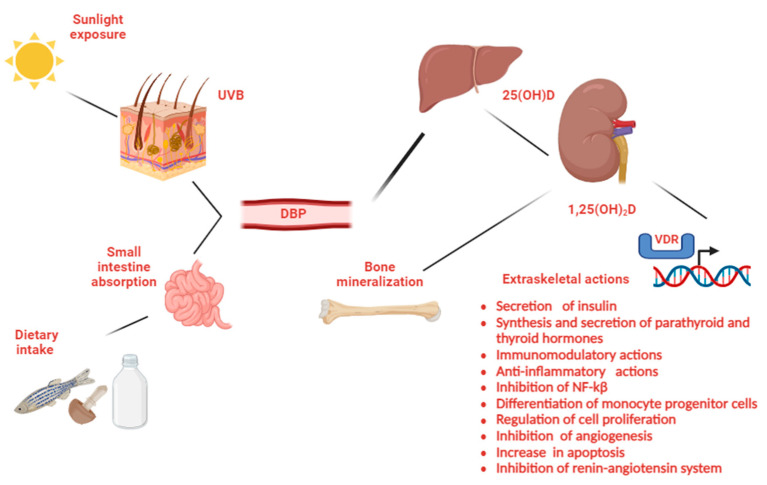 Figure 1
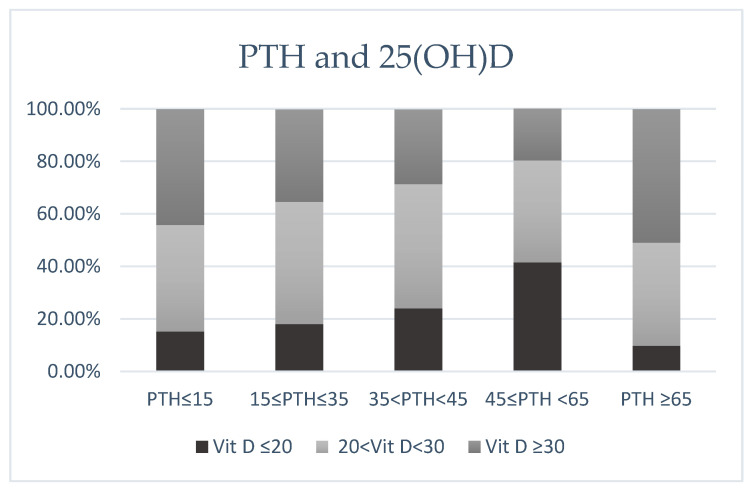 Figure 2
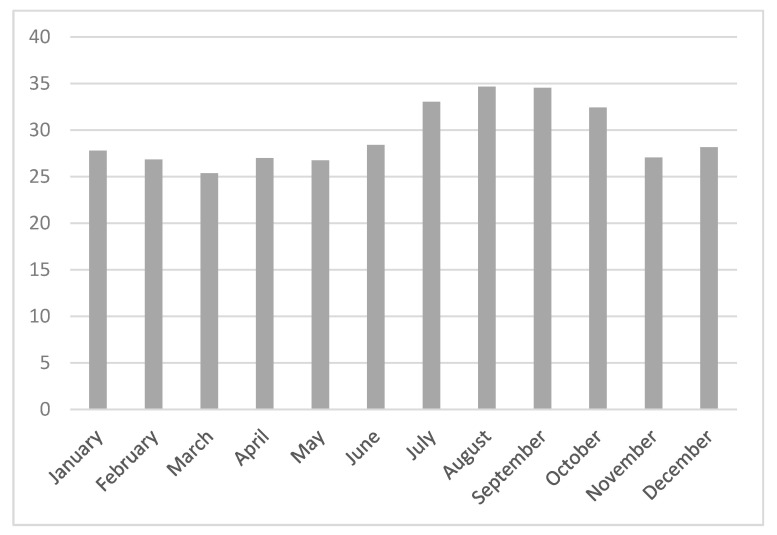 Figure 3
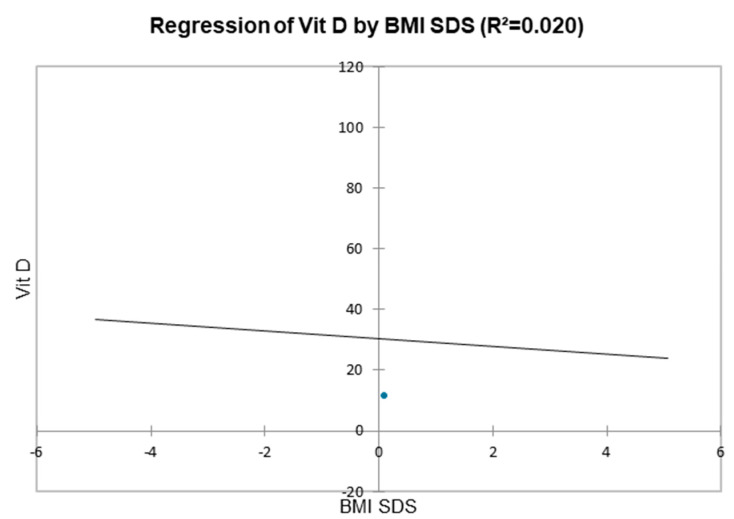 Figure 4
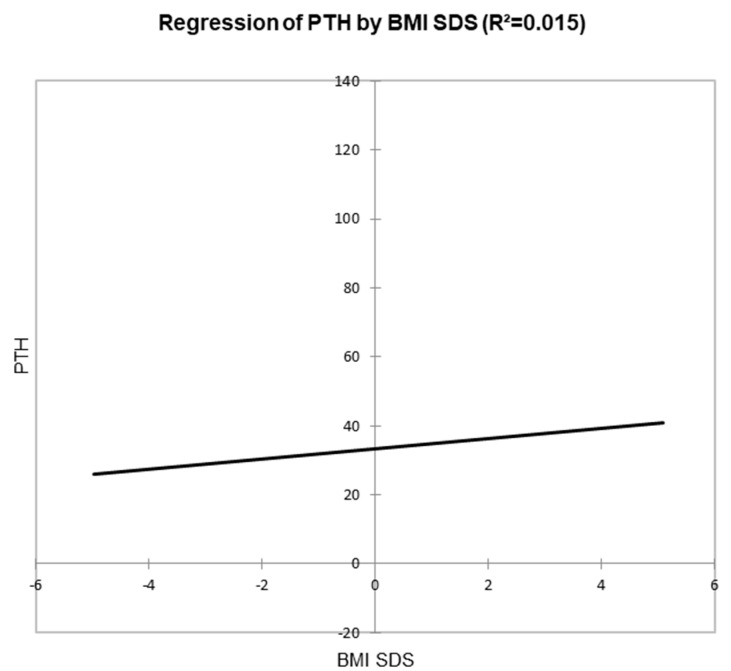 Figure 5
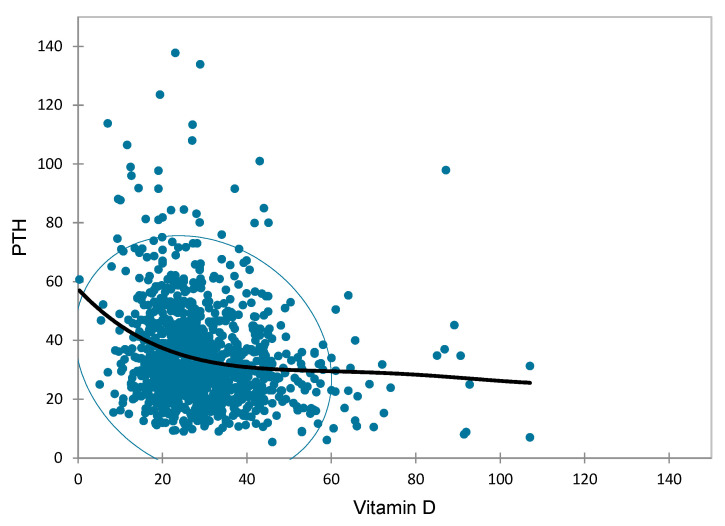 Figure 6
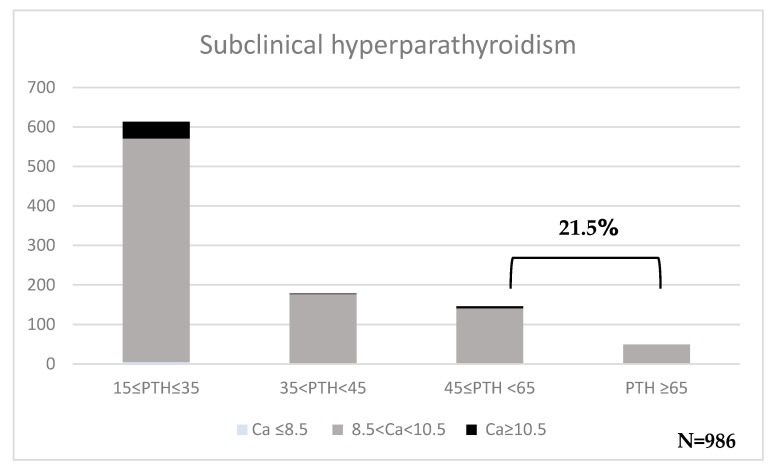 Figure 7
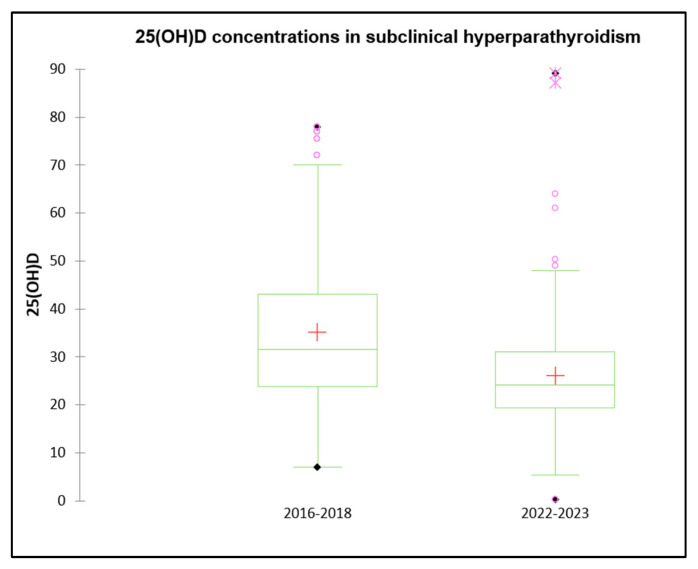 Figure 8
Peer Reviews
No public reviews on file for this paper yet. If you reviewed it on a platform where reviews are public (OpenReview, ICLR, NeurIPS, ICML), you can paste yours below so the community can read it here.
Videos
No videos yet. Explain this paper in a talk, walkthrough, or lecture? Add one.
Taxonomy
TopicsVitamin D Research Studies · Vitamin C and Antioxidants Research · COVID-19 Clinical Research Studies