The Interaction of DMRTA2 with HSP90β Inhibits p53 Ubiquitination and Activates the p53 Pathway to Suppress the Malignant Progression of Non-Small-Cell Lung Cancer
Shiyang Deng, Ling Li, Jiang Du

TL;DR
This study shows that DMRTA2 interacts with HSP90β to stabilize p53 in non-small-cell lung cancer, potentially offering a new therapeutic target.
Contribution
The novel finding is that DMRTA2 inhibits p53 ubiquitination by binding HSP90β, thereby activating the p53 pathway to suppress lung cancer progression.
Findings
DMRTA2 is highly expressed in NSCLC tissues and correlates with poor prognosis.
DMRTA2 binds HSP90β, blocking its interaction with p53 to suppress p53 ubiquitination and nuclear export.
This p53 pathway activation inhibits lung cancer cell proliferation and invasion.
Abstract
Background: Lung cancer, predominantly NSCLC (80%), has a poor prognosis due to late diagnosis and limited treatment efficacy. DMRTA2 (DMRT5), a transcription factor linked to neural/germ cell development, is overexpressed in NSCLC per TCGA data, indicating its potential role in tumorigenesis and as a therapeutic target. Methods: Conduct a comprehensive search of the relevant theoretical foundations. Based on this, differential expression analysis will be performed using the DESeq2 package in R on RNA-seq data from lung adenocarcinoma and lung squamous cell carcinoma in the TCGA database. The research will then employ various methods, including CRISPR genome editing, MTS assay, flow cytometry, Western blot, co-immunoprecipitation, immunofluorescence, and qRT-PCR. Results: Through experimental validation, we found that DMRTA2 mRNA is highly expressed in non-small-cell lung cancer (NSCLC)…
Genes, proteins, chemicals, diseases, species, mutations and cell lines named across the full text — each resolved to its canonical identifier and authoritative record.
Click any figure to enlarge with its caption.
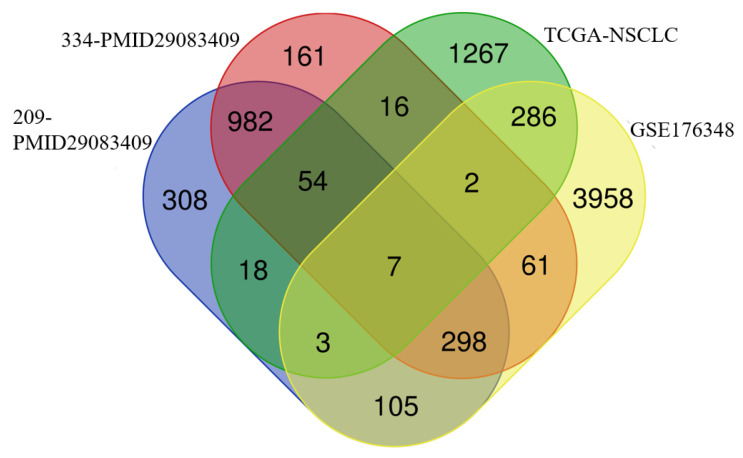 Figure 1
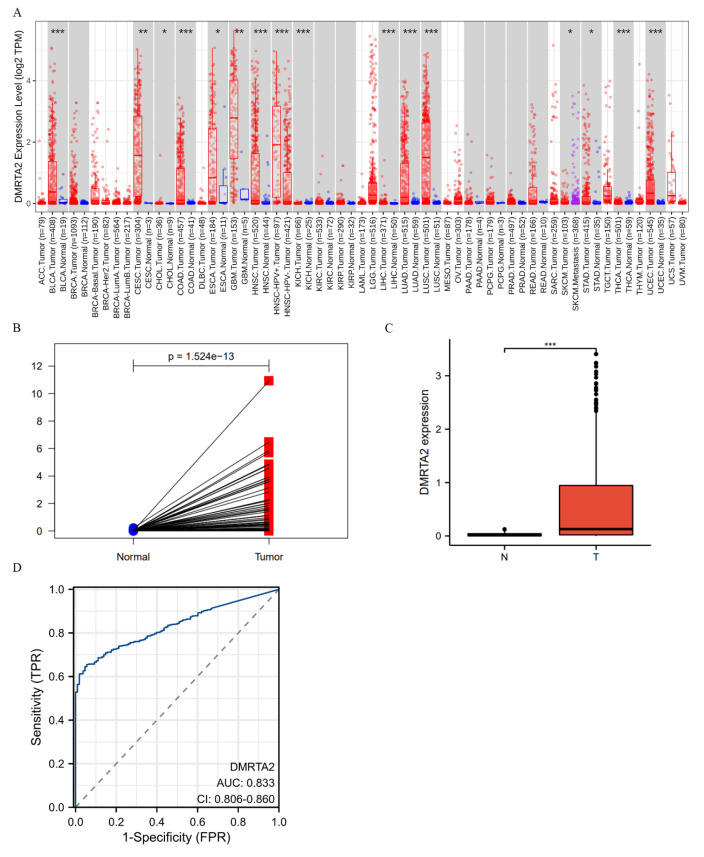 Figure 2
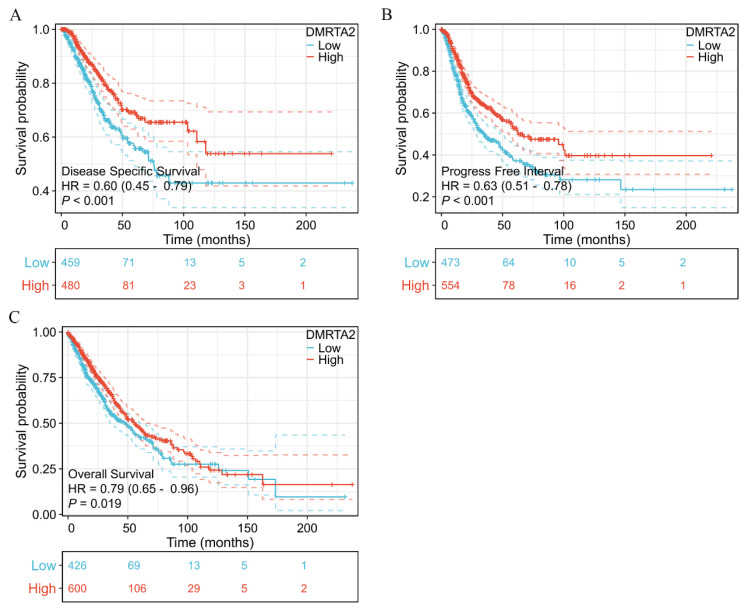 Figure 3
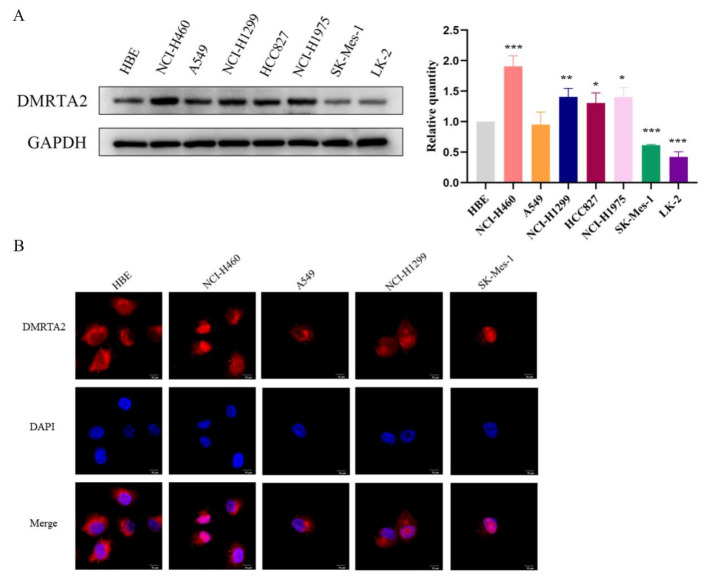 Figure 4
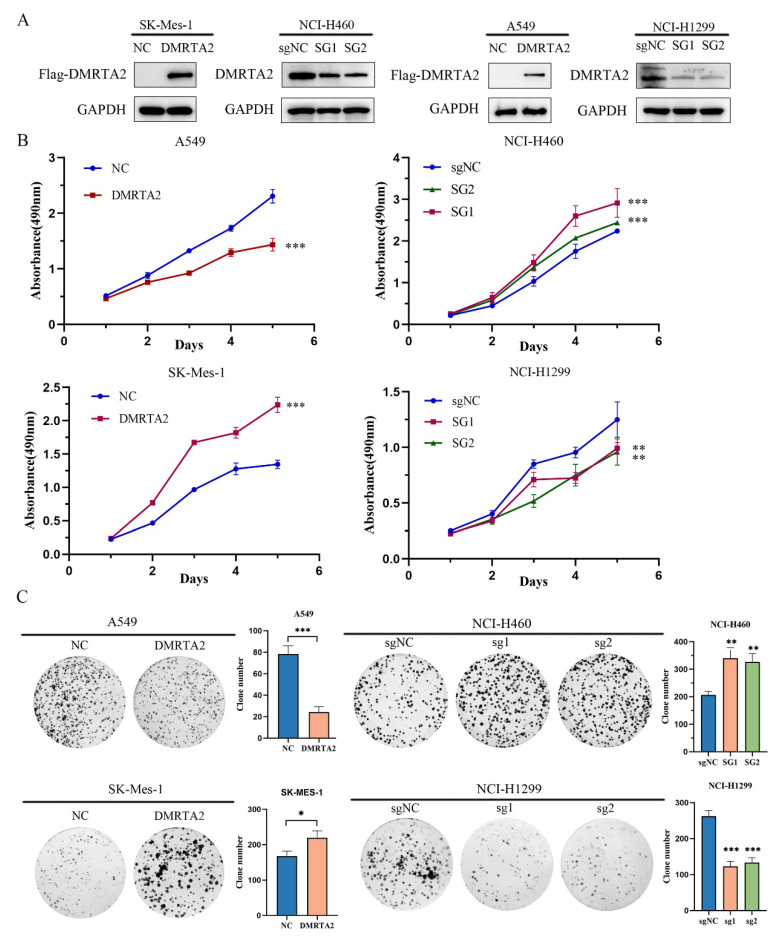 Figure 5
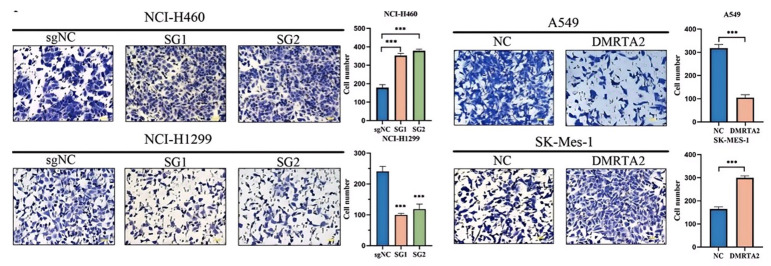 Figure 6
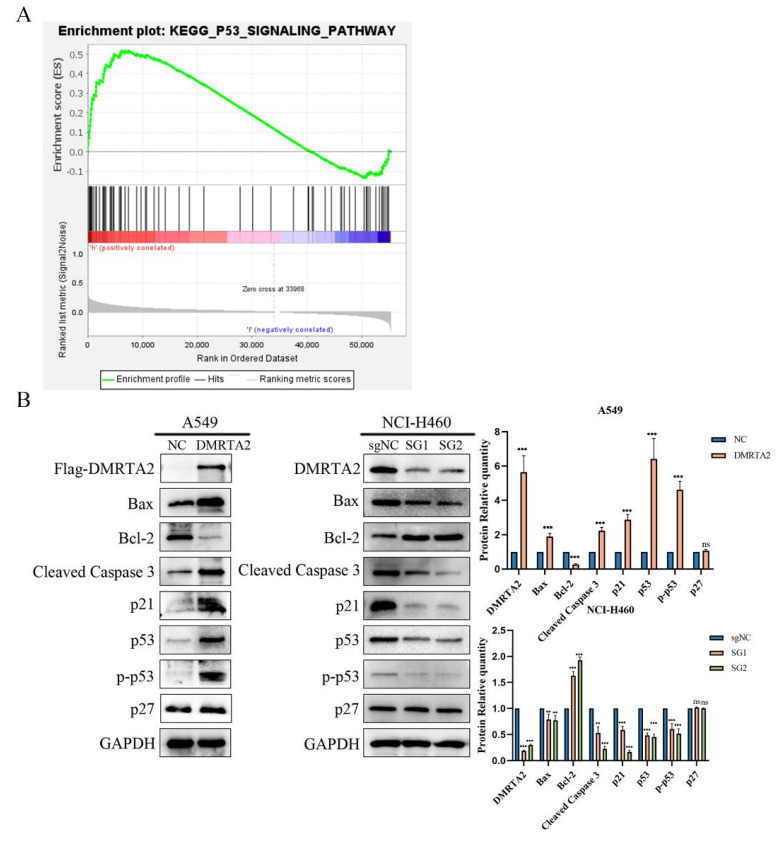 Figure 7
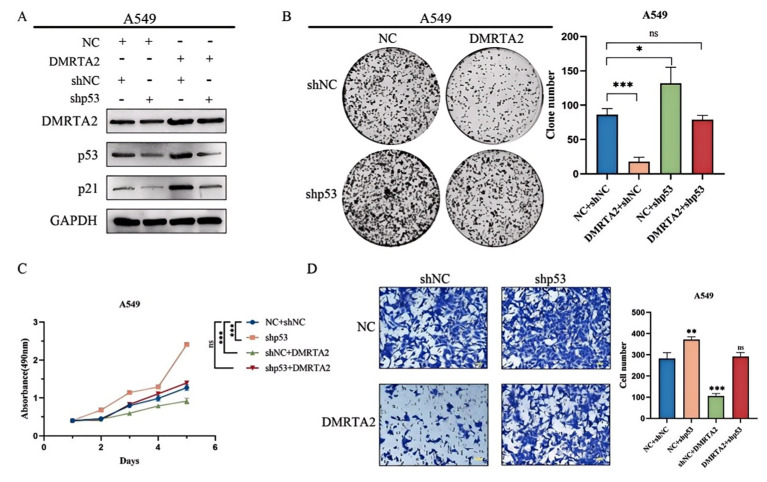 Figure 8
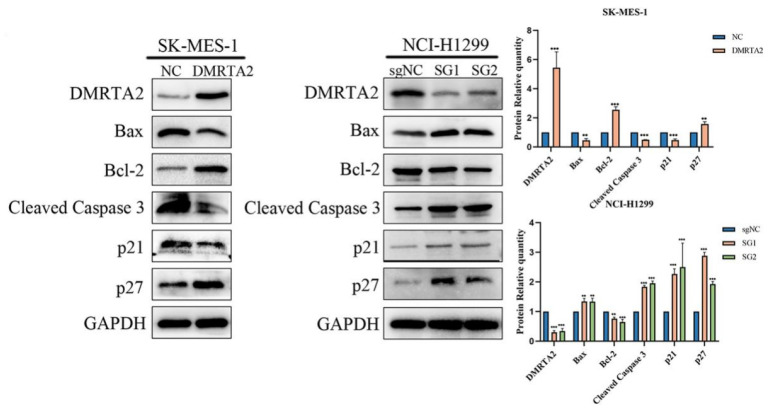 Figure 9
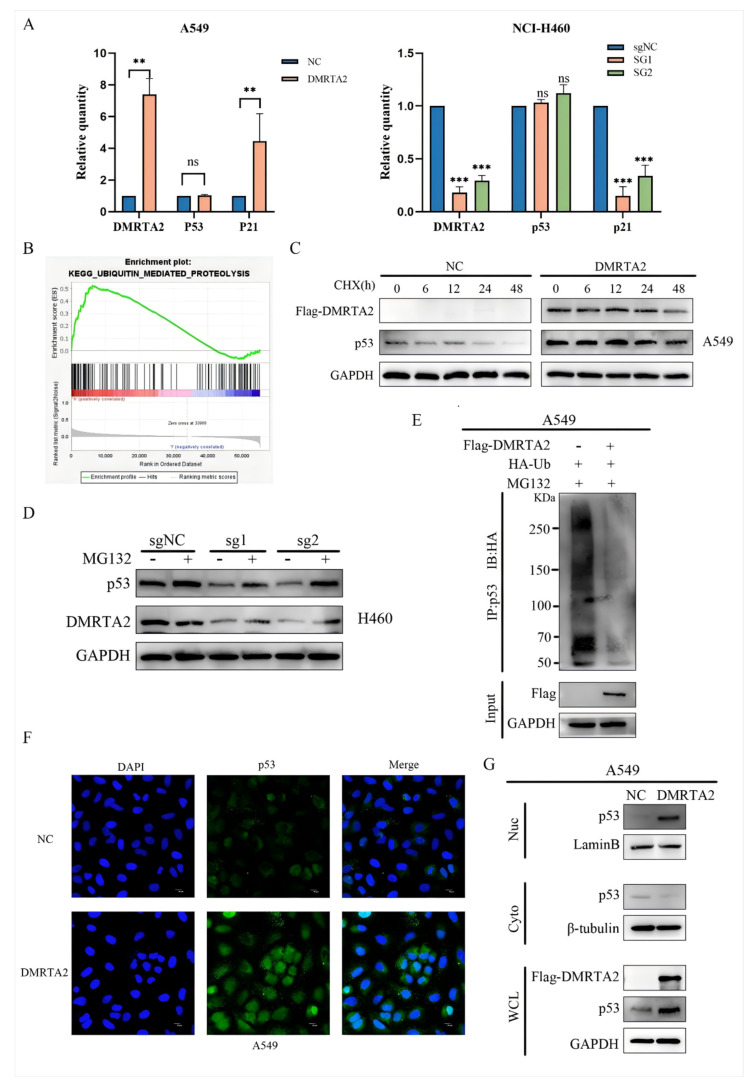 Figure 10
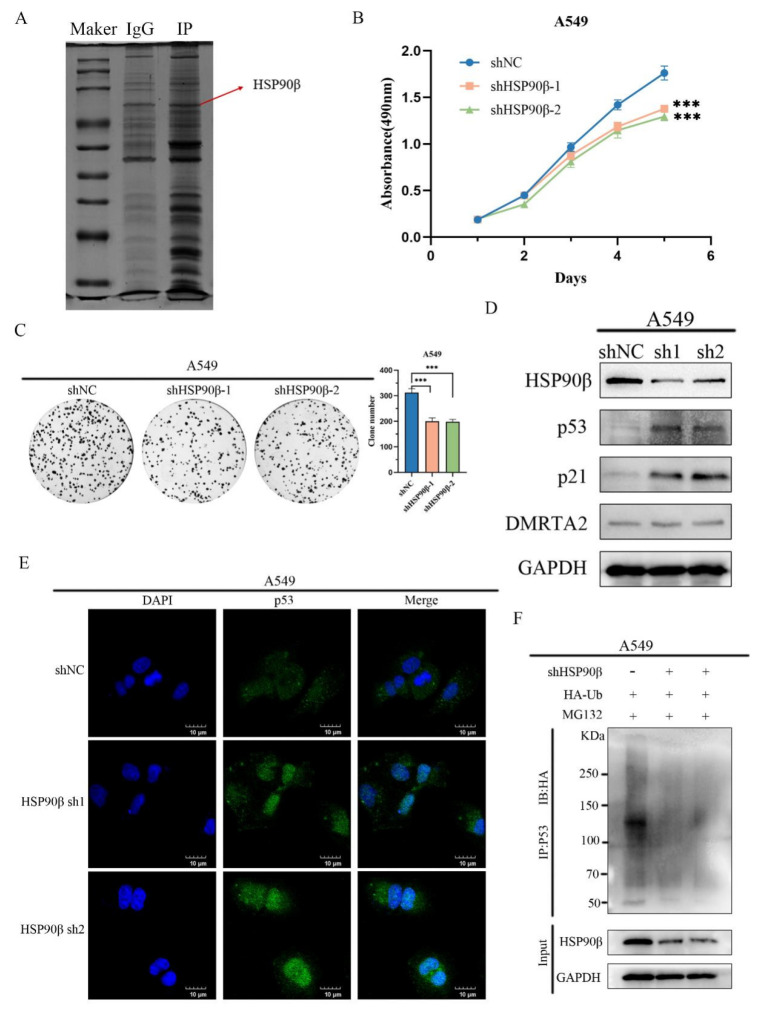 Figure 11
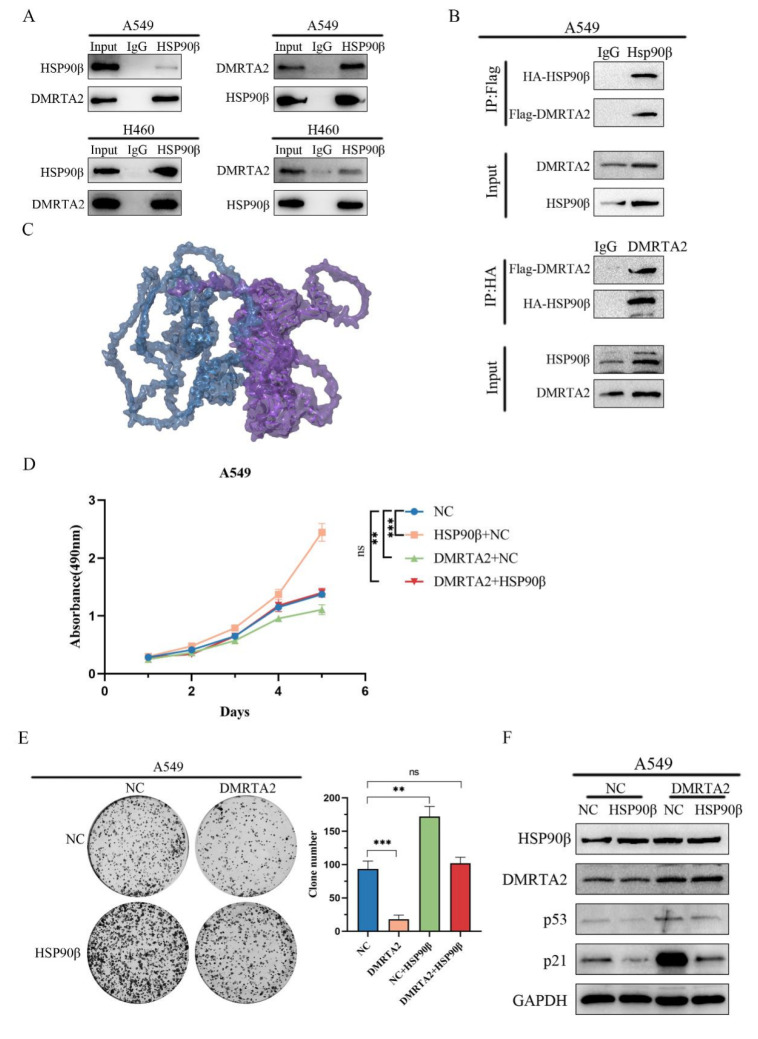 Figure 12
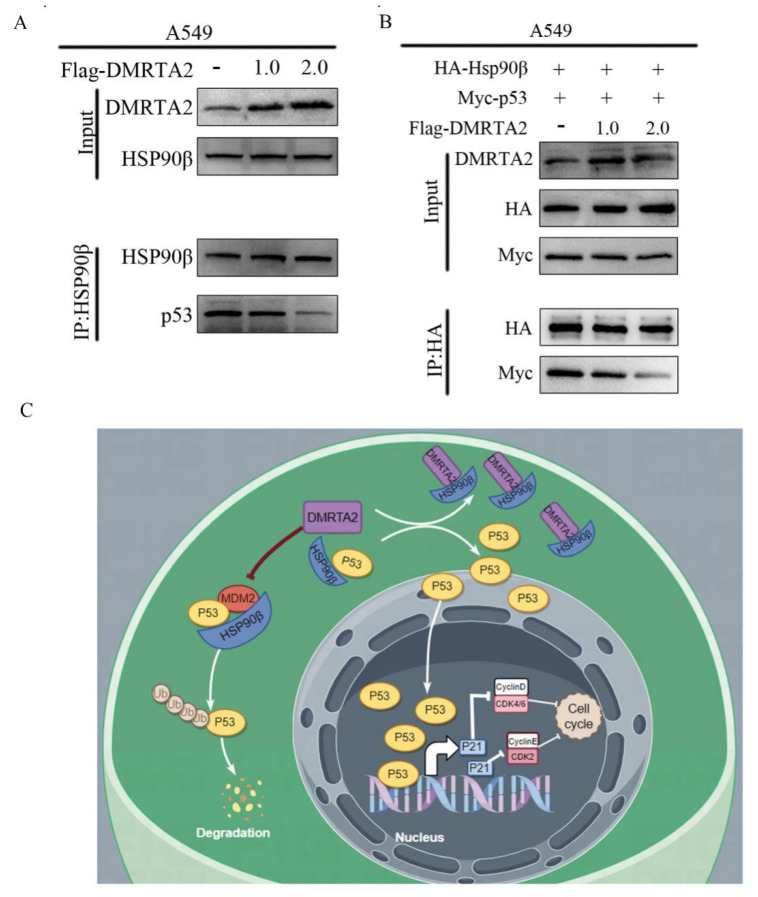 Figure 13
Peer Reviews
No public reviews on file for this paper yet. If you reviewed it on a platform where reviews are public (OpenReview, ICLR, NeurIPS, ICML), you can paste yours below so the community can read it here.
Videos
No videos yet. Explain this paper in a talk, walkthrough, or lecture? Add one.
Taxonomy
TopicsRNA modifications and cancer · Epigenetics and DNA Methylation · Cancer-related molecular mechanisms research