Unveiling ctDNA Response: Immune Checkpoint Blockade Therapy in a Patient with POLE Mutation-Associated Early-Onset Colon Cancer
Ramya Ramachandran, Marisa Cannon, Supriya Peshin, Madappa Kundranda, Aaron J. Scott

TL;DR
A young man with a rare genetic mutation in his colorectal cancer responded well to immunotherapy, showing promise for personalized cancer treatments.
Contribution
This case highlights the potential of immunotherapy for POLE-mutated early-onset colorectal cancer.
Findings
A patient with POLE-mutated colorectal cancer showed dramatic tumor shrinkage after immunotherapy.
Blood tests revealed a near disappearance of cancer-related DNA following treatment.
The patient remained cancer-free two years after starting immunotherapy.
Abstract
Colorectal cancer is one of the most common cancers, and alarmingly, an increasing number young people under 50 are being diagnosed with it. The reasons for this are not fully understood, but certain genetic changes may play a part. One of these involves a gene called POLE, which normally helps to repair DNA mistakes. When POLE is mutated, cells collect too many errors, but this also makes the cancer more visible to the body’s immune system. This report details a case of a young man with advanced colorectal cancer carrying the POLE mutation who did not respond to regular chemotherapy. However, once he started immunotherapy, a treatment that helps the immune system to fight cancer, his tumors shrank dramatically. Blood tests showed that his cancer-related DNA nearly vanished, and two years later, he remains cancer-free. This story shows how understanding a tumor’s unique genetics can…
Genes, proteins, chemicals, diseases, species, mutations and cell lines named across the full text — each resolved to its canonical identifier and authoritative record.
Click any figure to enlarge with its caption.
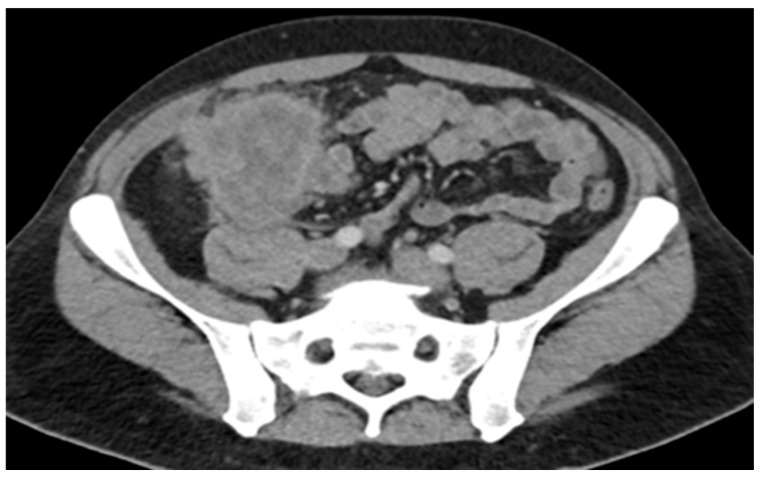 Figure 1
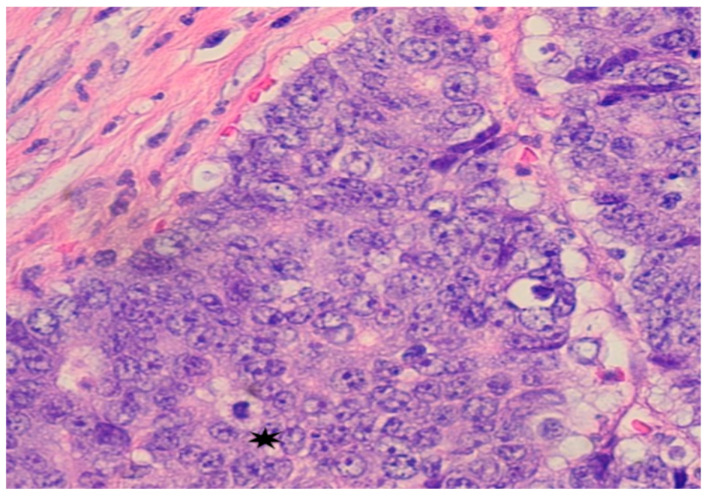 Figure 2
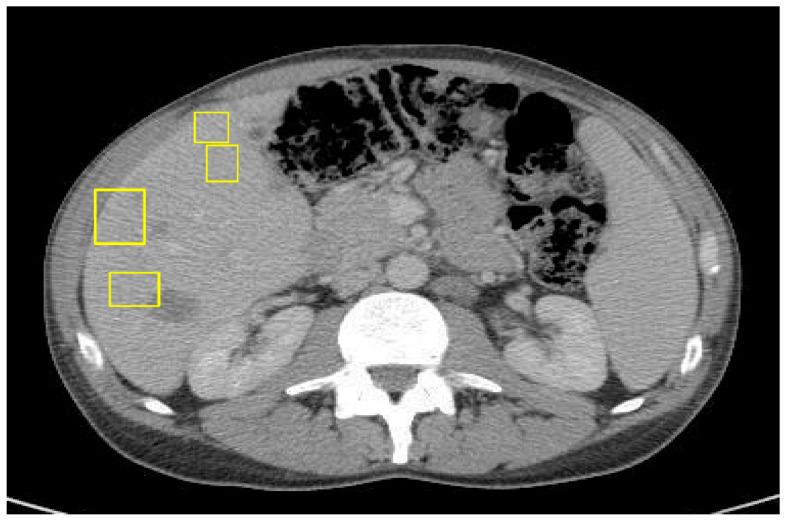 Figure 3
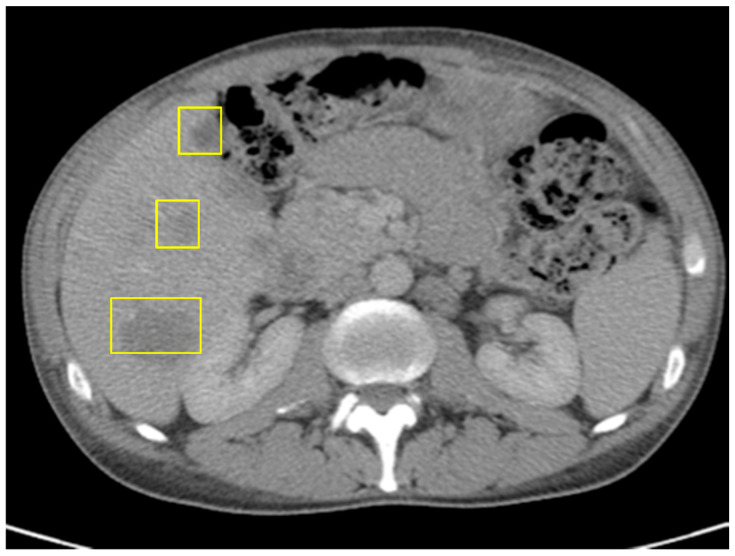 Figure 4
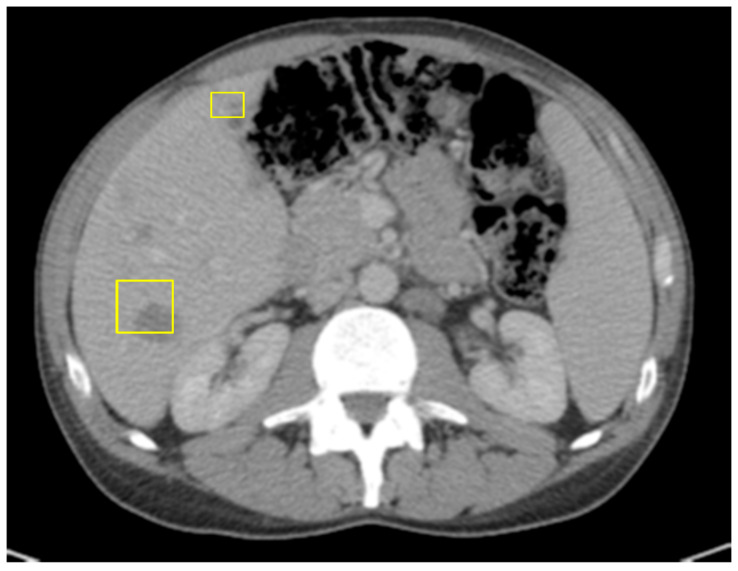 Figure 5
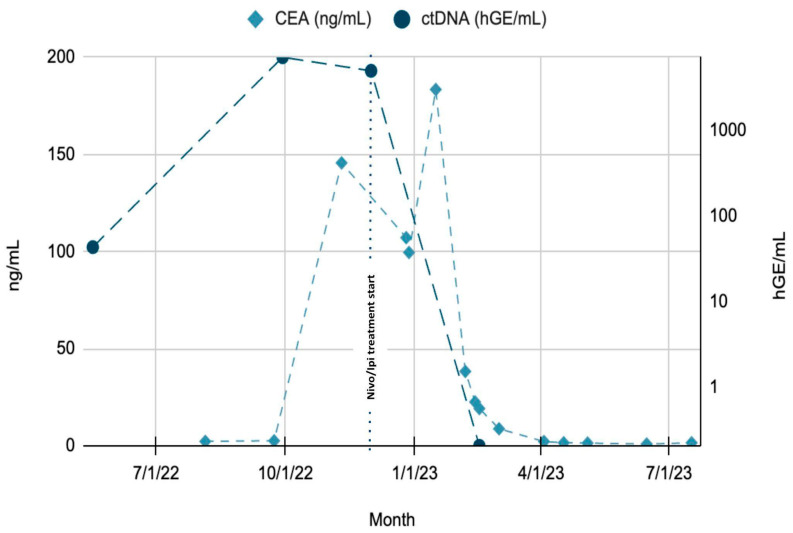 Figure 6
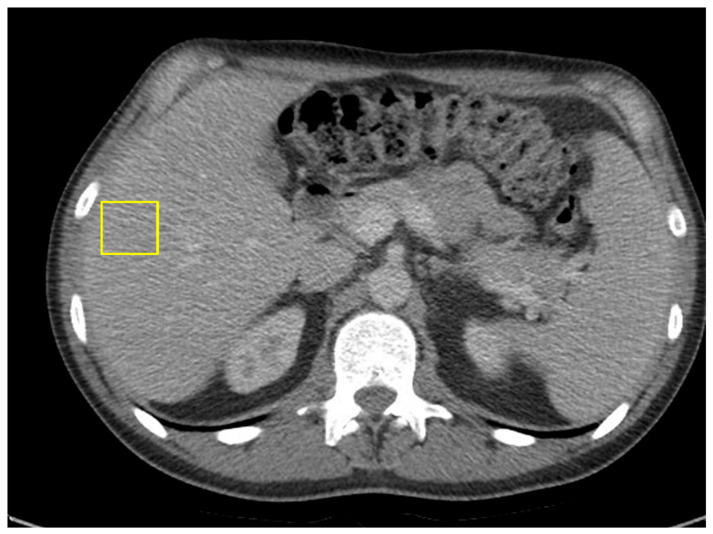 Figure 7
Peer Reviews
No public reviews on file for this paper yet. If you reviewed it on a platform where reviews are public (OpenReview, ICLR, NeurIPS, ICML), you can paste yours below so the community can read it here.
Videos
No videos yet. Explain this paper in a talk, walkthrough, or lecture? Add one.
Taxonomy
TopicsCancer Genomics and Diagnostics · Genetic factors in colorectal cancer · Cancer Immunotherapy and Biomarkers