Total Flavones of Rhododendron Protect Against Ischemic Cerebral Injury by Regulating the Phosphorylation of the RhoA-ROCK2 Pathway via Endothelial-Derived H2S
Xiaoqing Sun, Xingyu Zhang, Yuwen Li, Jiyue Wen, Zhiwu Chen, Shuo Chen

TL;DR
This study shows that Rhododendron flavones protect the brain from injury by boosting hydrogen sulfide in blood vessels, which helps control a key signaling pathway.
Contribution
The study reveals a novel mechanism where TFR protects against cerebral injury via endothelial H2S regulation of the RhoA-ROCK2 pathway.
Findings
TFR inhibits H/R-induced H2S reduction and suppresses RhoA and ROCK2 activity in endothelial cells.
TFR's protective effects are reduced by CSE or 3-MST knockout, showing their role in H2S production.
TFR reverses neuronal injury by modulating RhoA and ROCK2 phosphorylation in a co-culture system.
Abstract
This study aims to investigate the mechanism by which the total flavones of Rhododendron (TFR) protect against cerebral ischemic injury through the endothelial-derived H2S-mediated regulation of RhoA phosphorylation at the Ser188 and Rho kinase 2 (ROCK2) phosphorylation at Thr436. For experimental design, mouse or rat cerebrovascular endothelial cells (ECs) were cultured with or without neurons and subjected to hypoxia/reoxygenation (H/R) injury. The vasodilation of the cerebral basilar artery was assessed. Cerebral ischemia/reperfusion (I/R) injury was induced in mice by bilateral carotid artery ligation, followed by Morris water maze and open field behavioral assessments. The protein levels of cystathionine-γ-lyase (CSE), 3-mercaptopyruvate sulfurtransferase (3-MST), RhoA, ROCK2, p-RhoA (RhoA phosphorylated at Ser188), and p-ROCK2 (ROCK2 phosphorylated at Thr436) were quantified.…
Genes, proteins, chemicals, diseases, species, mutations and cell lines named across the full text — each resolved to its canonical identifier and authoritative record.
Click any figure to enlarge with its caption.
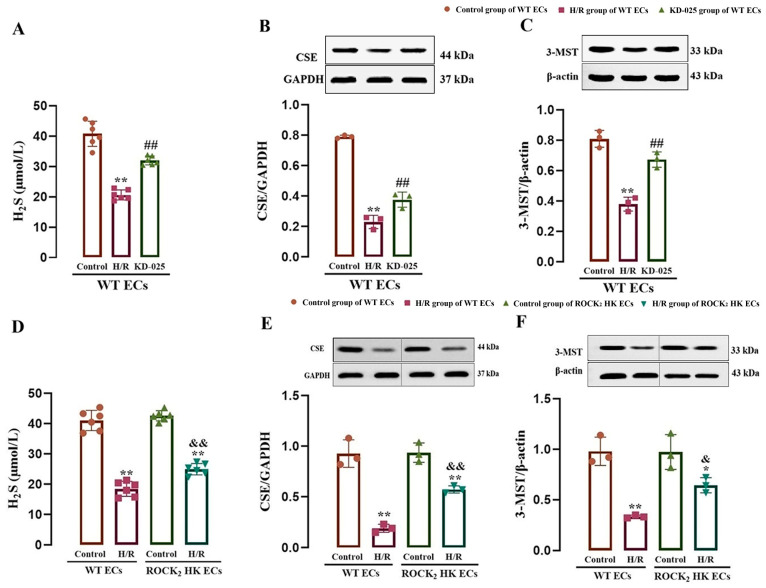 Figure 1
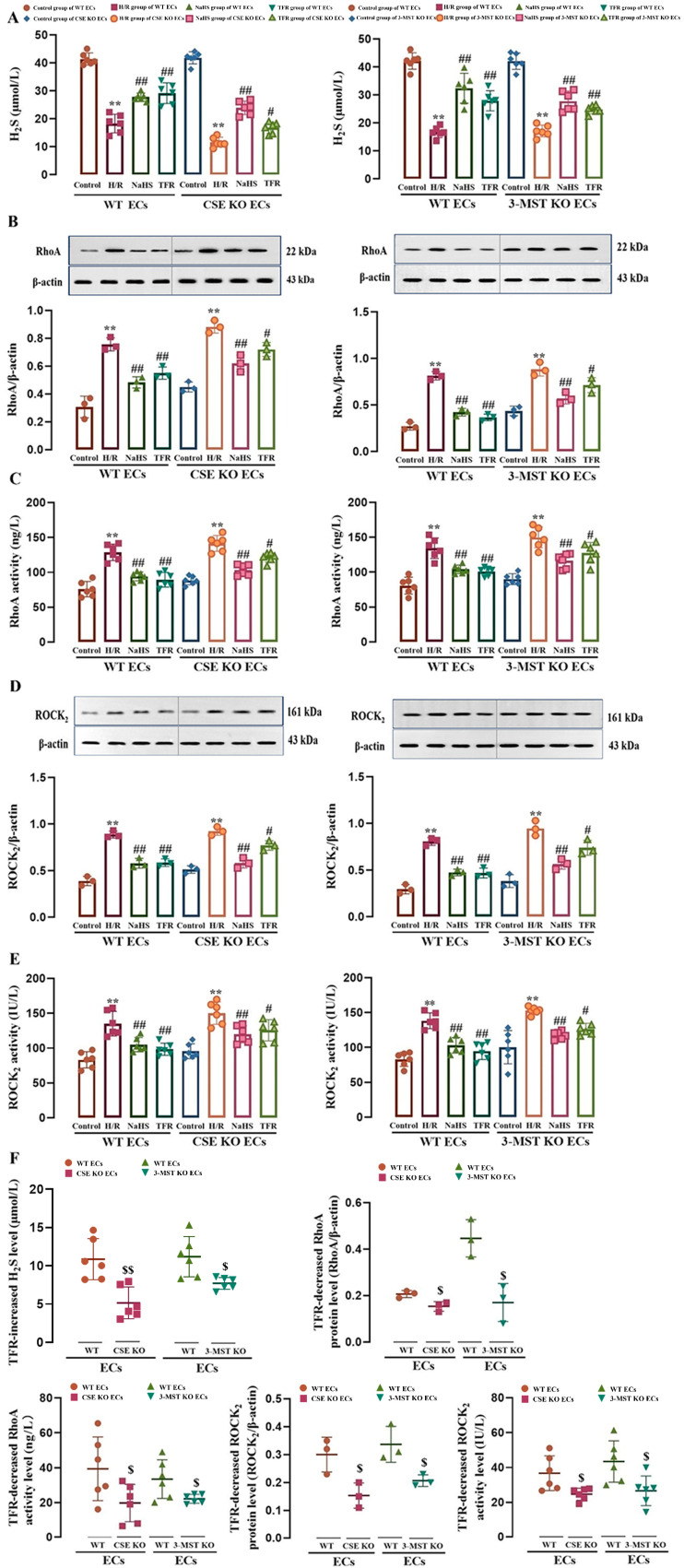 Figure 2
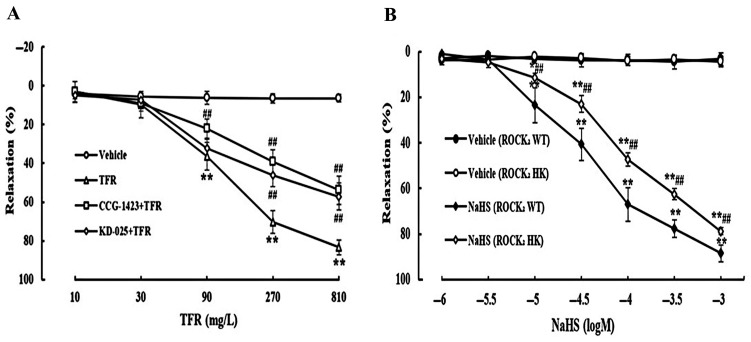 Figure 3
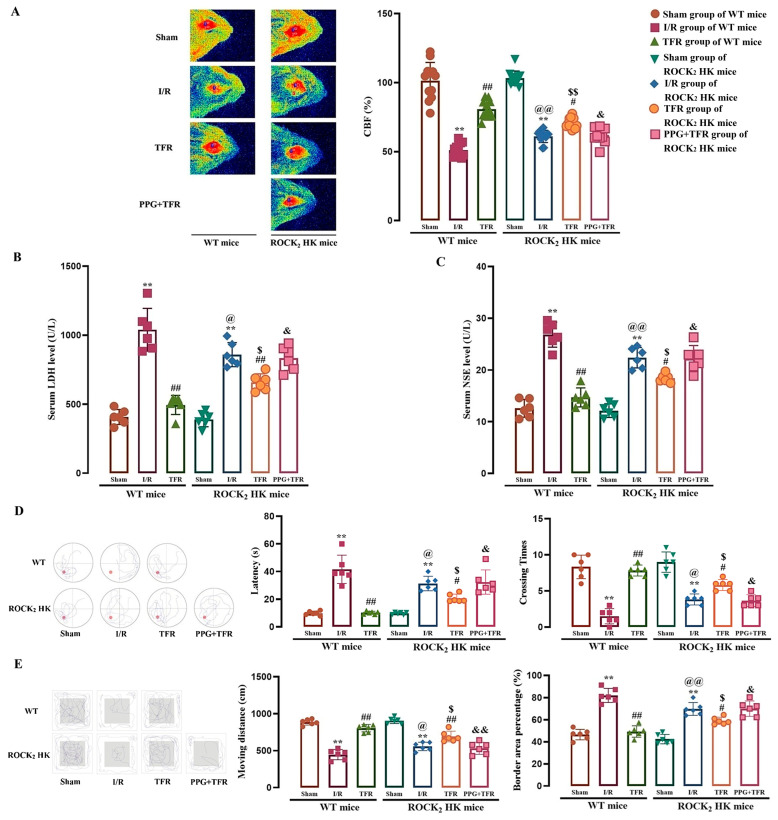 Figure 4
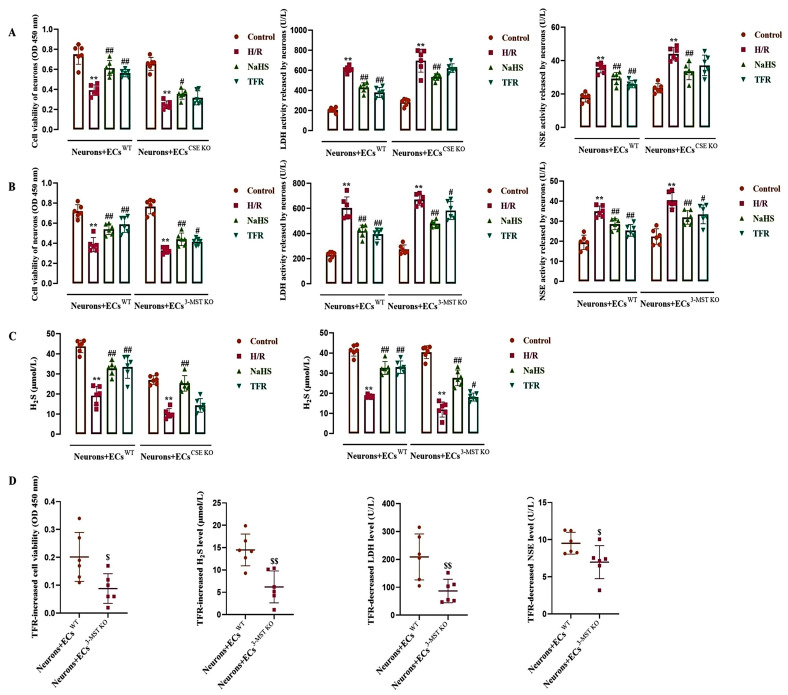 Figure 5
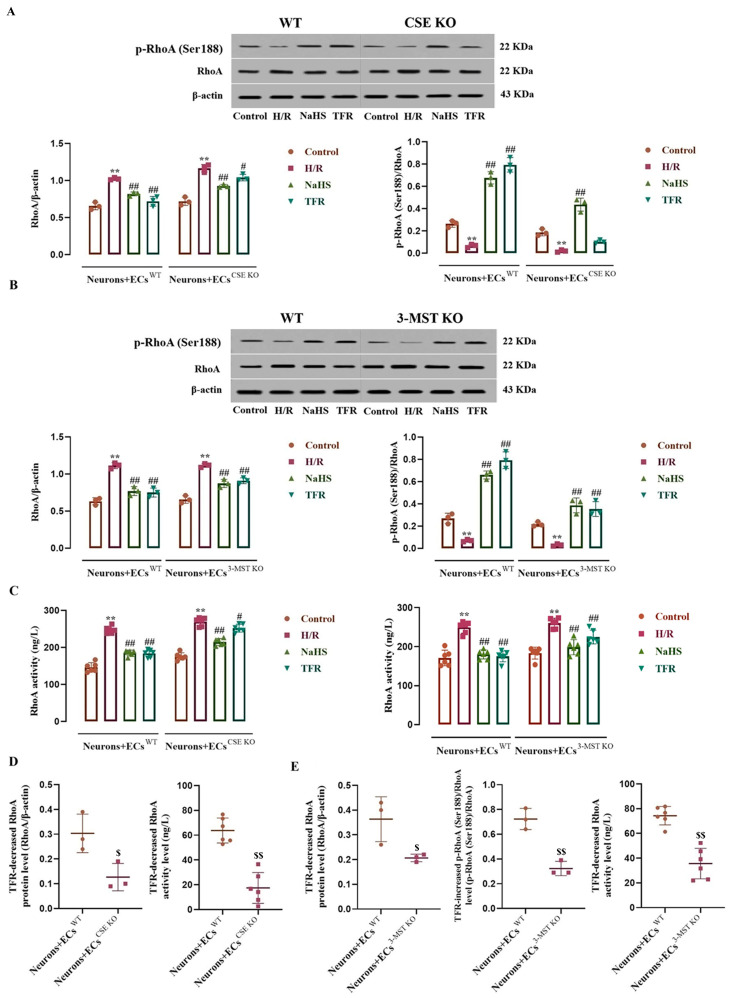 Figure 6
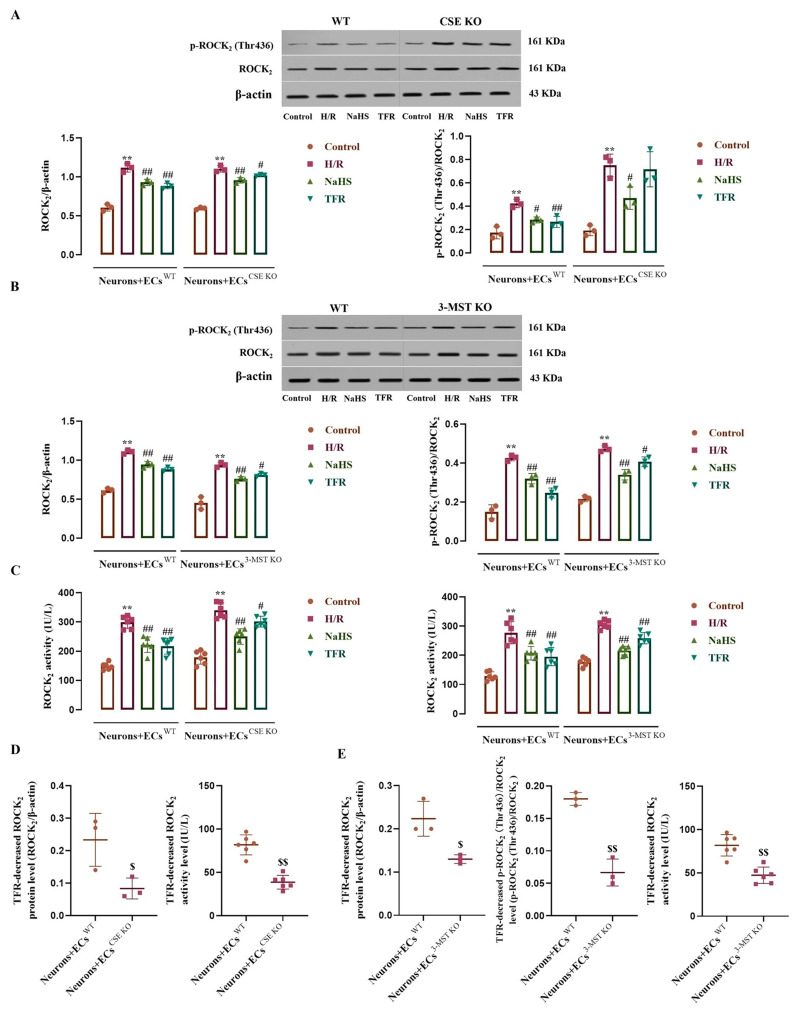 Figure 7
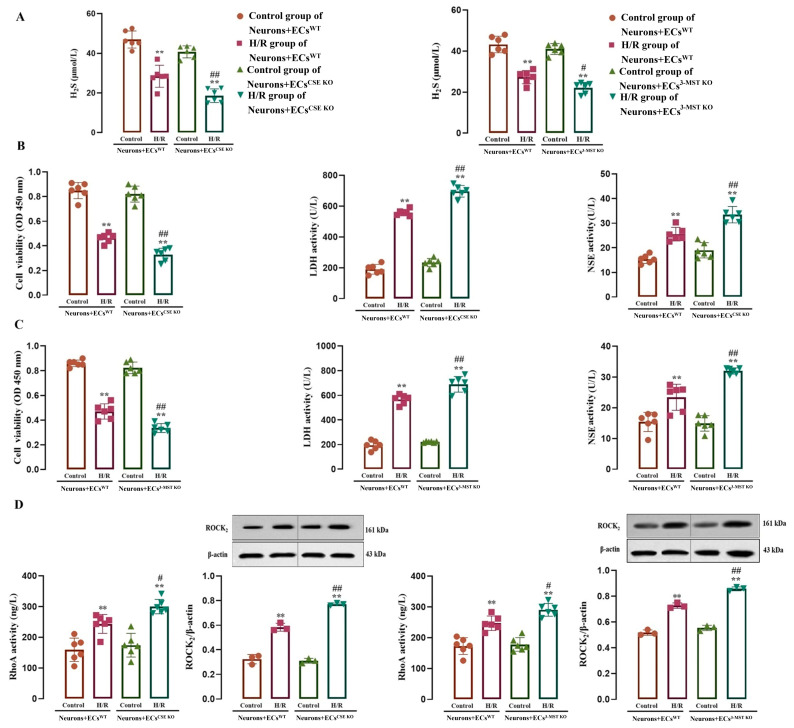 Figure 8
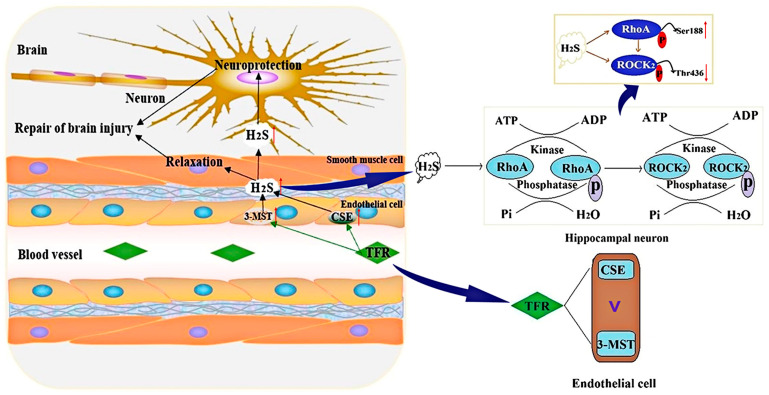 Figure 9
Peer Reviews
No public reviews on file for this paper yet. If you reviewed it on a platform where reviews are public (OpenReview, ICLR, NeurIPS, ICML), you can paste yours below so the community can read it here.
Videos
No videos yet. Explain this paper in a talk, walkthrough, or lecture? Add one.
Taxonomy
TopicsNeurological Disease Mechanisms and Treatments · Eicosanoids and Hypertension Pharmacology · Intracerebral and Subarachnoid Hemorrhage Research