Optimizing Adjuvant Care in Early Breast Cancer: Multidisciplinary Strategies and Innovative Models from Canadian Centers
Angela Chan, Nancy Nixon, Muna Al-Khaifi, Alain Bestavros, Christine Blyth, Winson Y. Cheung, Caroline Hamm, Thomas Joly-Mischlich, Mita Manna, Tom McFarlane, Laura V. Minard, Sarah Naujokaitis, Christine Peragine, Cindy Railton, Scott Edwards

TL;DR
This paper explores team-based care models to manage the growing complexity of early breast cancer treatment in Canada, aiming to improve patient care while reducing pressure on specialists.
Contribution
The paper introduces a flexible, multidisciplinary care playbook for managing hormone receptor-positive, HER2-negative early breast cancer in Canada.
Findings
Team-based care models led by nurses, NPs, GPOs, and pharmacists can effectively manage treatment adherence and patient safety.
These models reduce the workload on oncologists and improve the sustainability of care delivery.
Real-world applications in Canadian centers demonstrate the adaptability and effectiveness of these models.
Abstract
Breast cancer is the most common cancer among women in Canada, and more patients are living longer thanks to improved treatments. One common type—hormone receptor-positive, HER2-negative early breast cancer—now has several effective therapies, some of which require frequent monitoring and follow-up. This increases pressure on cancer specialists, especially as cancer diagnoses continue to rise. Our study explores how care teams can meet this demand by adopting innovative, team-based care models. These include approaches led by nurses, nurse practitioners, general practitioners in oncology, and pharmacists. We describe how each model functions, how they support patient safety and treatment adherence, and how they can relieve pressure on oncology services. These models are already in use at some Canadian cancer centers and can be adapted based on local needs and resources. Rather than…
Genes, proteins, chemicals, diseases, species, mutations and cell lines named across the full text — each resolved to its canonical identifier and authoritative record.
Click any figure to enlarge with its caption.
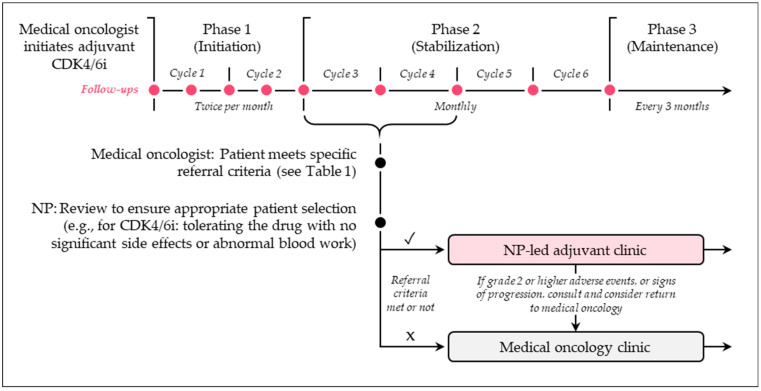 Figure 1
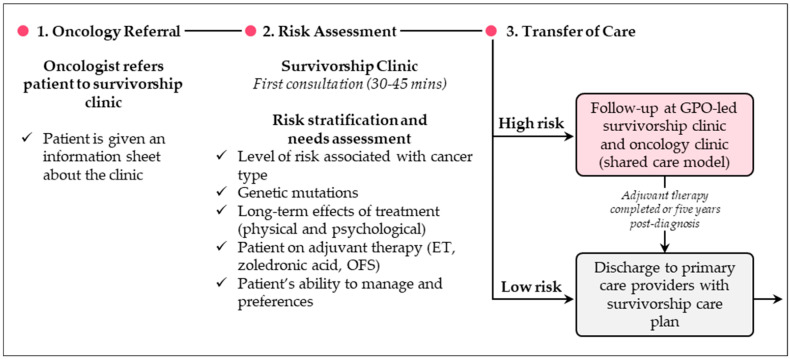 Figure 2
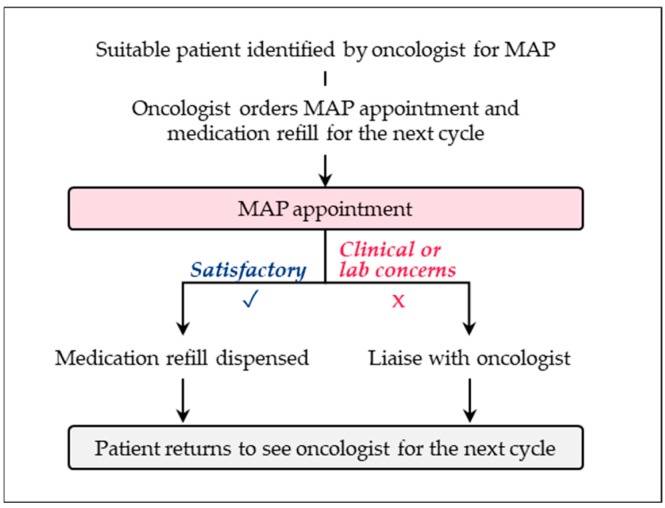 Figure 3
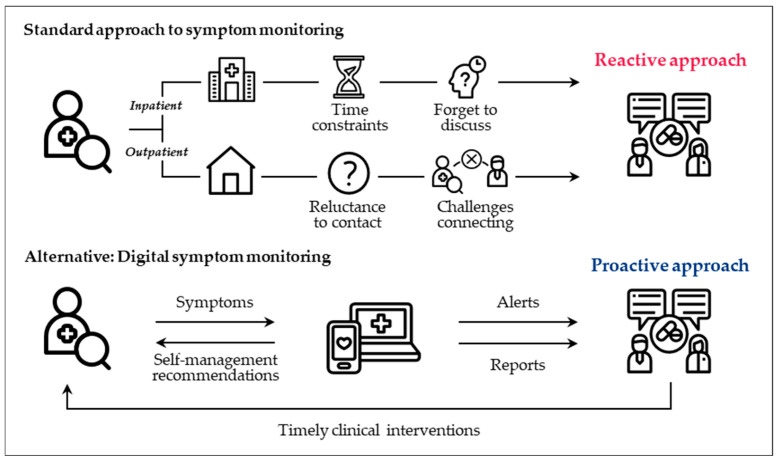 Figure 4
Peer Reviews
No public reviews on file for this paper yet. If you reviewed it on a platform where reviews are public (OpenReview, ICLR, NeurIPS, ICML), you can paste yours below so the community can read it here.
Videos
No videos yet. Explain this paper in a talk, walkthrough, or lecture? Add one.
Taxonomy
TopicsBreast Cancer Treatment Studies · Cancer survivorship and care · Global Cancer Incidence and Screening