Biocompatible Inorganic PVD MeSiON Thin Films (Me = Cr or Zr) Used to Enhance the Bond Strength Between NiCr-Based Metallic Frameworks and Ceramic in Dental Restorations
Mihaela Dinu, Cosmin Mihai Cotrut, Alina Vladescu (Dragomir), Florin Baciu, Anca Constantina Parau, Iulian Pana, Lidia Ruxandra Constantin, Catalin Vitelaru

TL;DR
This paper explores using biocompatible MeSiON thin films to strengthen the bond between metal and ceramic in dental restorations.
Contribution
The study introduces biocompatible inorganic MeSiON thin films as interlayers to enhance bond strength in dental restorations.
Findings
ZrSiON coatings showed better roughness and adhesion than Cr-based coatings.
The highest bond strength was achieved with ZrSiON deposited at −200 V due to increased surface roughness and interlocking.
Modifications in coating stoichiometry and roughness significantly improved ceramic-to-metal adhesion.
Abstract
Background/Objectives: The increasing demand for aesthetics in dentistry has driven significant advancements in both materials and techniques. The primary cause of ceramic detachment in dental restorations is extensive mechanical stress, which often results in detachment and clinical complications. This study aims to improve the bond strength between NiCr-based metal frameworks and ceramic coatings by introducing biocompatible inorganic MeSiON thin films (Me = Cr or Zr) as interlayers. Methods: MeSiON coatings with a thickness of ~2 μm were deposited on NiCr alloy using cathodic arc evaporation. To tailor the stoichiometry, morphology, and mechanical properties of the coatings, the substrate bias voltage was varied: −50 V, −100 V, −150 V, −200 V. Structural and surface characterization was performed using SEM/EDS, XRD, profilometry, and contact angle analysis. The coating adhesion was…
Genes, proteins, chemicals, diseases, species, mutations and cell lines named across the full text — each resolved to its canonical identifier and authoritative record.
Click any figure to enlarge with its caption.
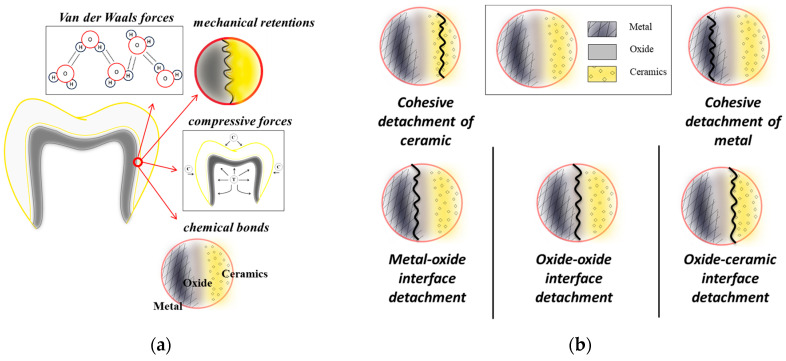 Figure 1
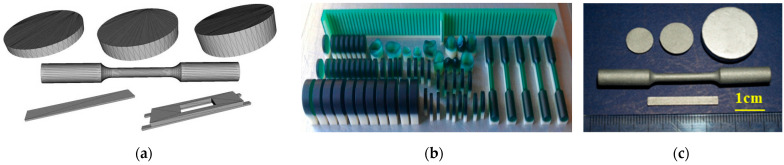 Figure 2
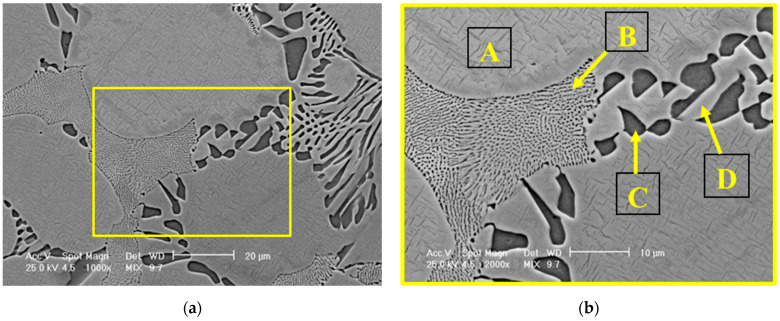 Figure 3
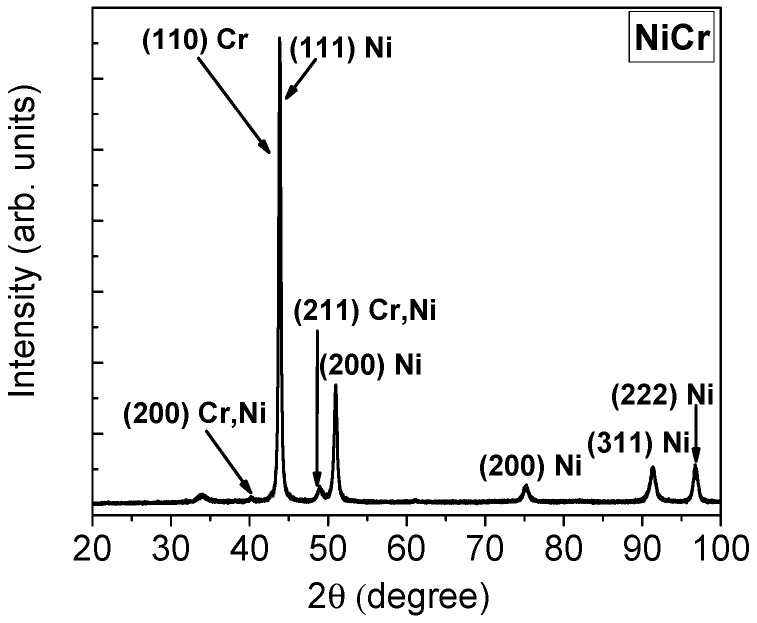 Figure 4
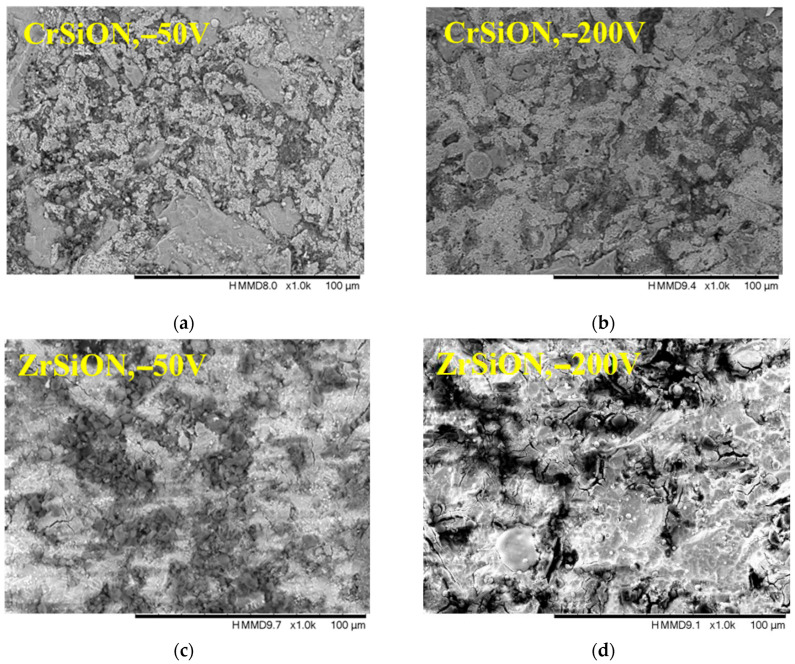 Figure 5
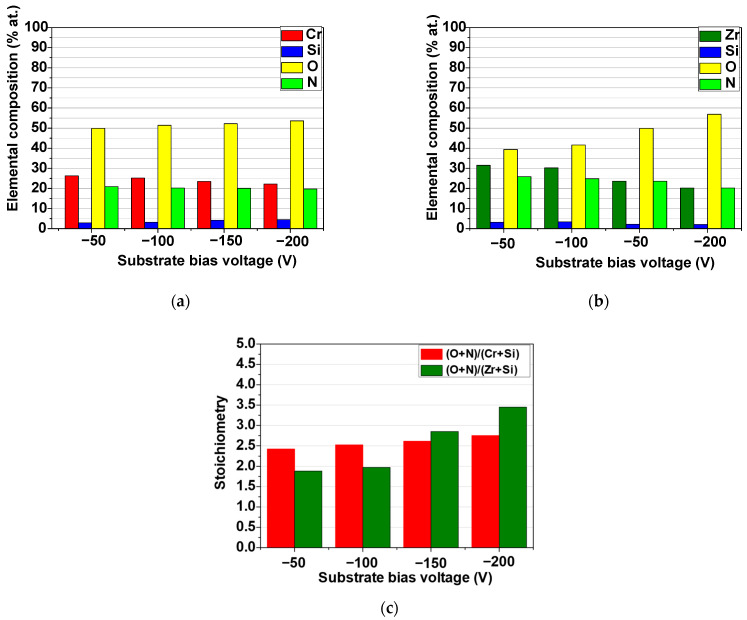 Figure 6
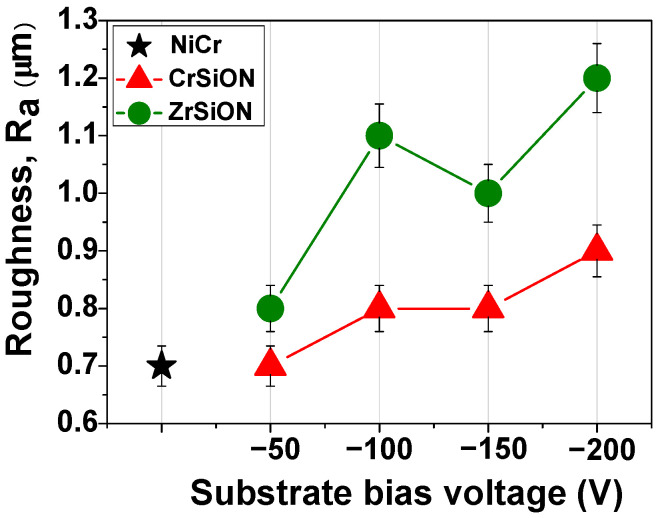 Figure 7
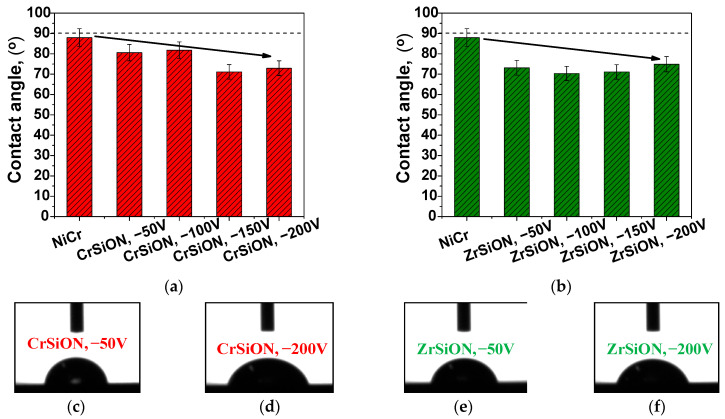 Figure 8
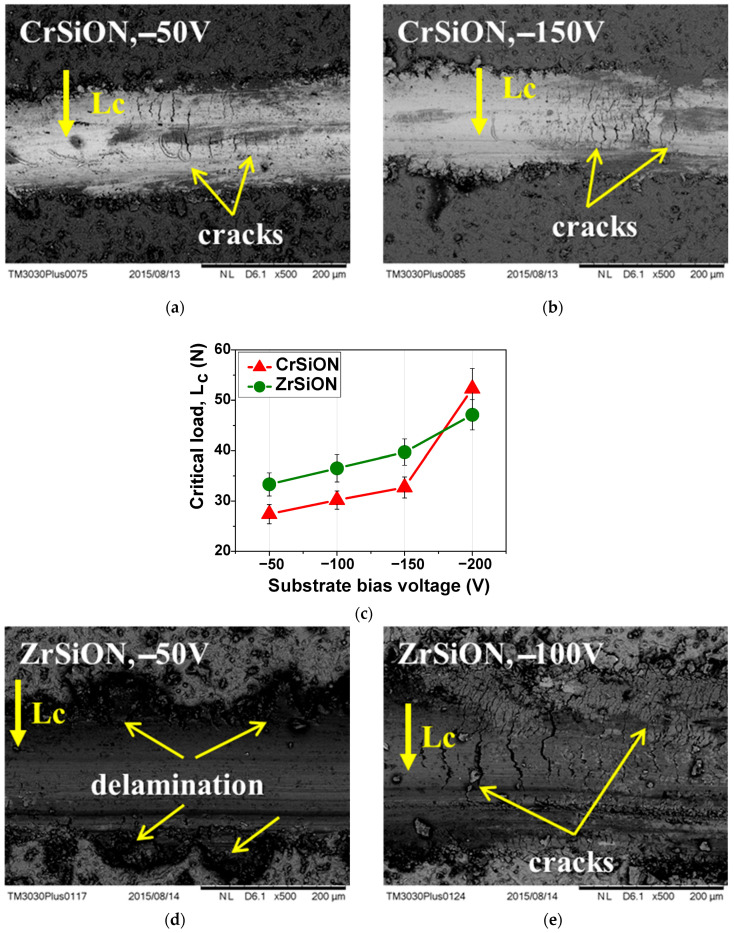 Figure 9
 Figure 10
 Figure 11
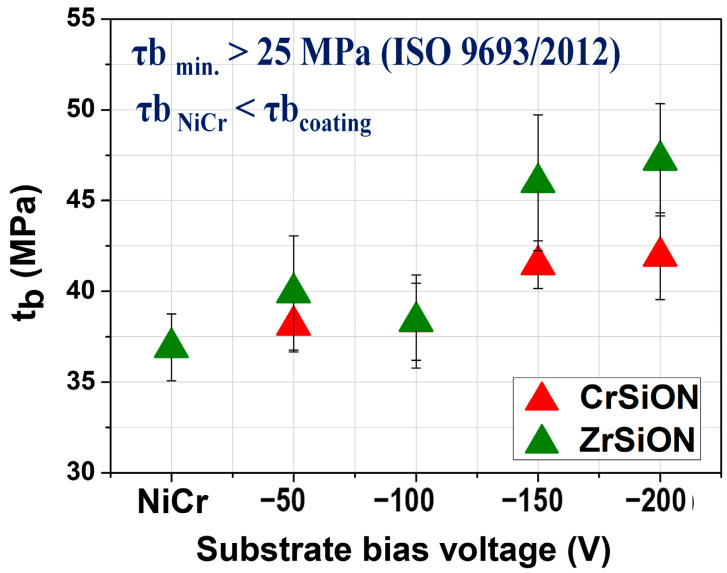 Figure 12
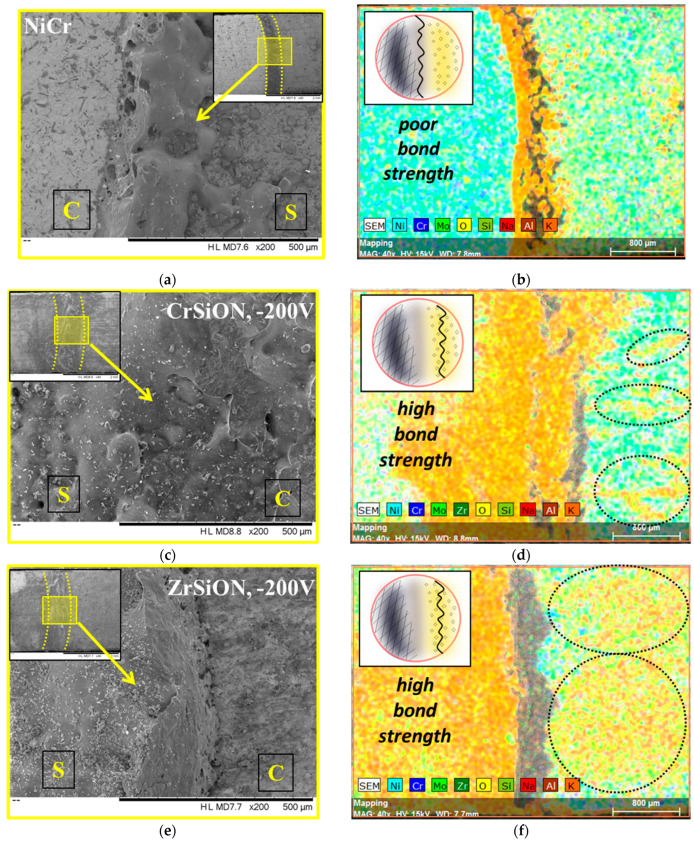 Figure 13
 Figure 14
 Figure 15
 Figure 16
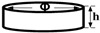 Figure 17
 Figure 18
Peer Reviews
No public reviews on file for this paper yet. If you reviewed it on a platform where reviews are public (OpenReview, ICLR, NeurIPS, ICML), you can paste yours below so the community can read it here.
Videos
No videos yet. Explain this paper in a talk, walkthrough, or lecture? Add one.
Taxonomy
TopicsAdvanced materials and composites · Dental materials and restorations · Bone Tissue Engineering Materials