Sensitisation of HeLa Cell Cultures to Xanthone Treatment by RNAi-Mediated Silencing of NANOG and STAT3
Oliwia Gruszka, Dorota Żelaszczyk, Henryk Marona, Ilona Anna Bednarek

TL;DR
This study shows that silencing specific genes in HeLa cells increases the effectiveness of xanthone-based cancer treatments.
Contribution
RNAi-mediated silencing of NANOG and STAT3 enhances xanthone treatment efficacy in HeLa cells.
Findings
Silencing NANOG and STAT3 increases HeLa cell sensitivity to xanthone treatment.
Xanthones induce cytotoxicity and apoptosis in HeLa cells.
ROS levels are affected by xanthone treatment and gene silencing.
Abstract
The increasing morbidity of various types of cancer in the world’s population and the limited number of universal methods of their treatment contribute to the growth in research into the development of new treatment strategies. Most of this research focuses on treatments that target specific factors in cancer cell signalling pathways. There is also great interest in drugs derived from natural substances, as these represent one of the largest sources of potential pharmaceuticals. In our analysis, we focused on the action of α-mangostin and gambogic acid, which are natural xanthones or their synthetic derivatives. We studied their influence on the expression of STAT3 and NANOG, which play a confirmed role in different stages of cancer development. For this purpose, we applied RNAi-mediated gene silencing of NANOG and STAT3 to enhance the efficacy of xanthone-based anticancer treatment in…
Genes, proteins, chemicals, diseases, species, mutations and cell lines named across the full text — each resolved to its canonical identifier and authoritative record.
Click any figure to enlarge with its caption.
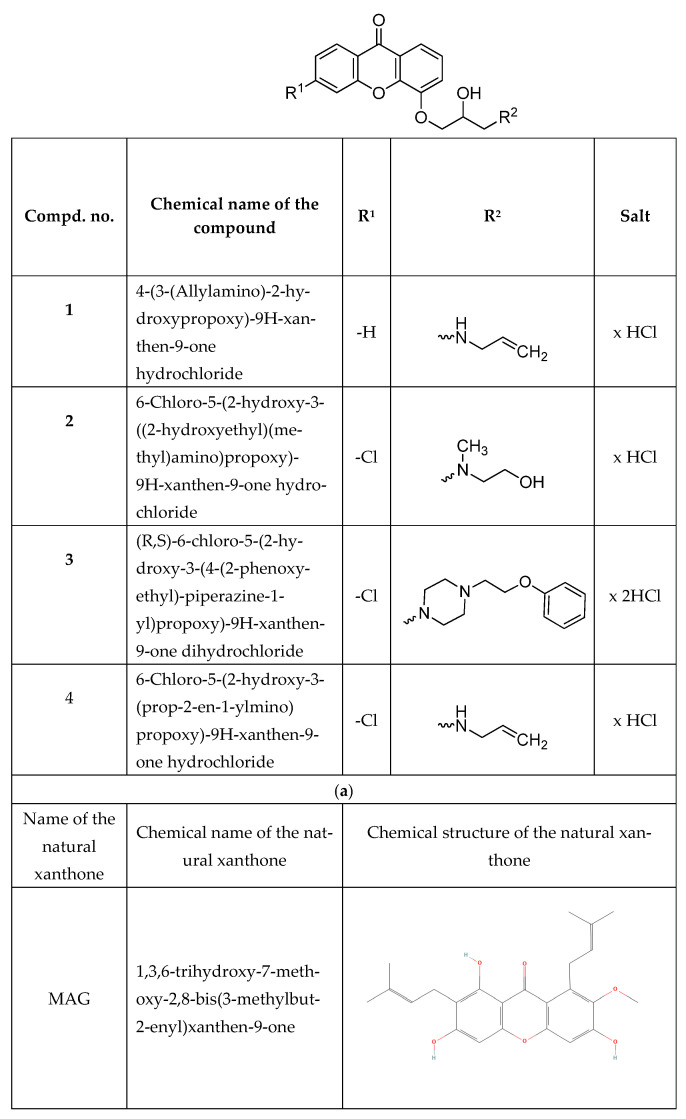 Figure 1
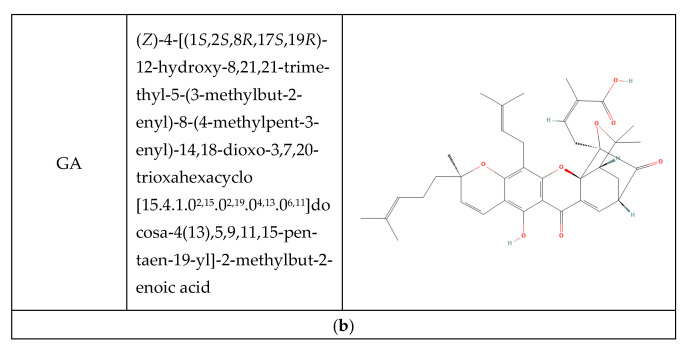 Figure 2
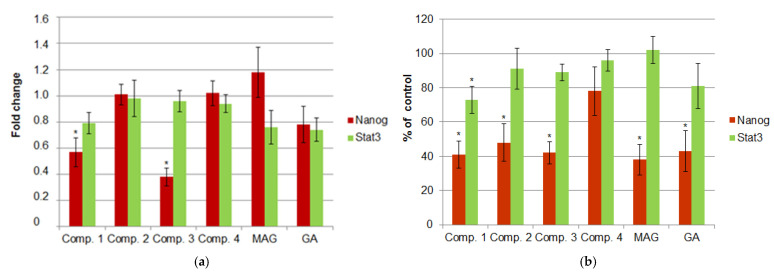 Figure 3
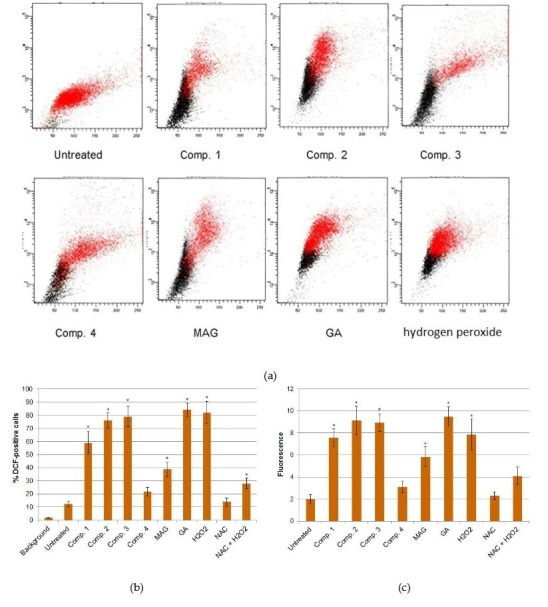 Figure 4
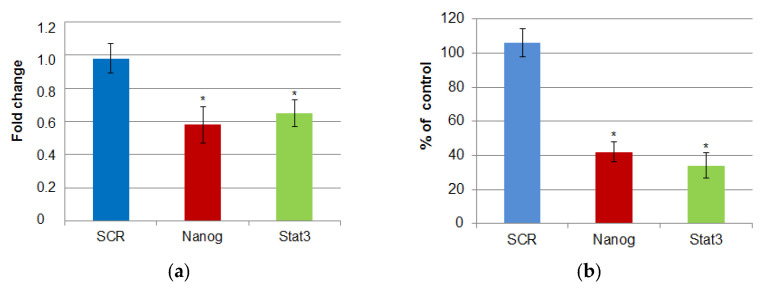 Figure 5
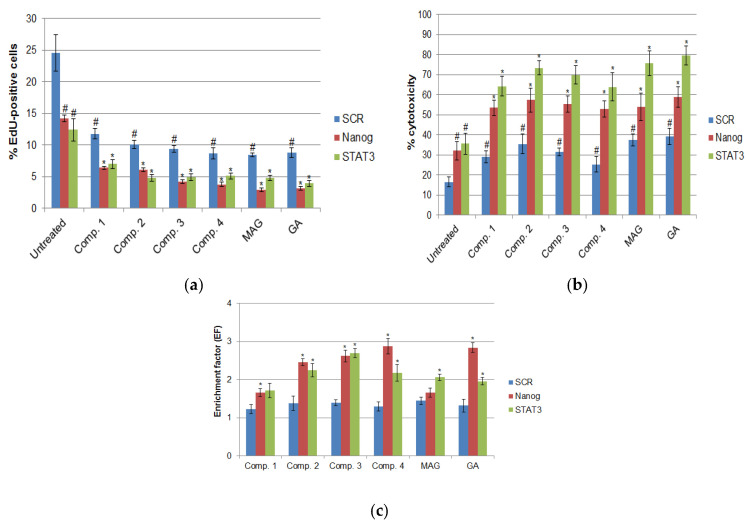 Figure 6
Peer Reviews
No public reviews on file for this paper yet. If you reviewed it on a platform where reviews are public (OpenReview, ICLR, NeurIPS, ICML), you can paste yours below so the community can read it here.
Videos
No videos yet. Explain this paper in a talk, walkthrough, or lecture? Add one.
Taxonomy
TopicsNatural Compound Pharmacology Studies · Cancer-related Molecular Pathways · Bioactive Compounds and Antitumor Agents