Plasma WFDC2 (HE4) as a Predictive Biomarker for Clinical Outcomes in Cancer Patients Receiving Anti-PD-1 Therapy: A Pilot Study
Makoto Watanabe, Katsuaki Ieguchi, Takashi Shimizu, Ryotaro Ohkuma, Risako Suzuki, Emiko Mura, Nana Iriguchi, Tomoyuki Ishiguro, Yuya Hirasawa, Go Ikeda, Masahiro Shimokawa, Hirotsugu Ariizumi, Kiyoshi Yoshimura, Atsushi Horiike, Takuya Tsunoda, Mayumi Tsuji, Shinichi Kobayashi

TL;DR
This study suggests that measuring plasma WFDC2 levels could help predict which cancer patients may not benefit from anti-PD-1 therapy, potentially guiding personalized treatment decisions.
Contribution
The study introduces plasma WFDC2 as a novel predictive biomarker for anti-PD-1 therapy outcomes, outperforming existing biomarkers like soluble PD-L1 and PD-1.
Findings
Higher increases in plasma WFDC2 levels after treatment correlated with worse overall and progression-free survival.
WFDC2 demonstrated better predictive performance than soluble PD-L1 and PD-1 in ROC analyses.
Combining WFDC2 with other biomarkers improved prediction accuracy for treatment outcomes.
Abstract
Immune checkpoint inhibitors (ICIs) have transformed cancer therapy. However, selecting patients who will benefit from ICIs remains challenging. In this exploratory study, we evaluated plasma WFDC2 (HE4) levels as potential dynamic biomarkers in patients treated with anti-PD-1 antibodies. WFDC2 levels increased significantly after treatment initiation, and greater increases correlated with worse overall survival, progression-free survival, and tumor progression. Compared with soluble PD-L1 and PD-1, WFDC2 demonstrated higher predictive performance in receiver operating characteristic (ROC) analyses. Combining WFDC2 with other biomarkers enhanced prediction accuracy. These findings suggest that monitoring WFDC2 levels during treatment could enable the early identification of patients unlikely to respond to ICIs and support personalized therapy decisions. However, larger studies are…
Genes, proteins, chemicals, diseases, species, mutations and cell lines named across the full text — each resolved to its canonical identifier and authoritative record.
Click any figure to enlarge with its caption.
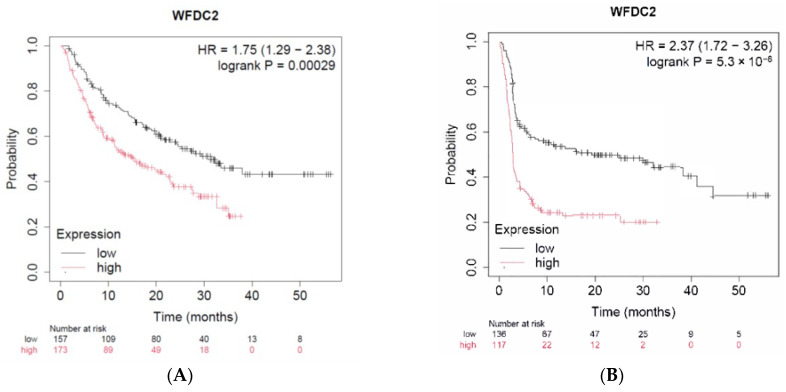 Figure 1
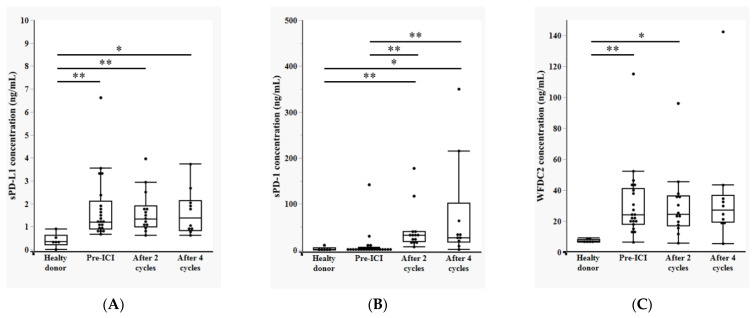 Figure 2
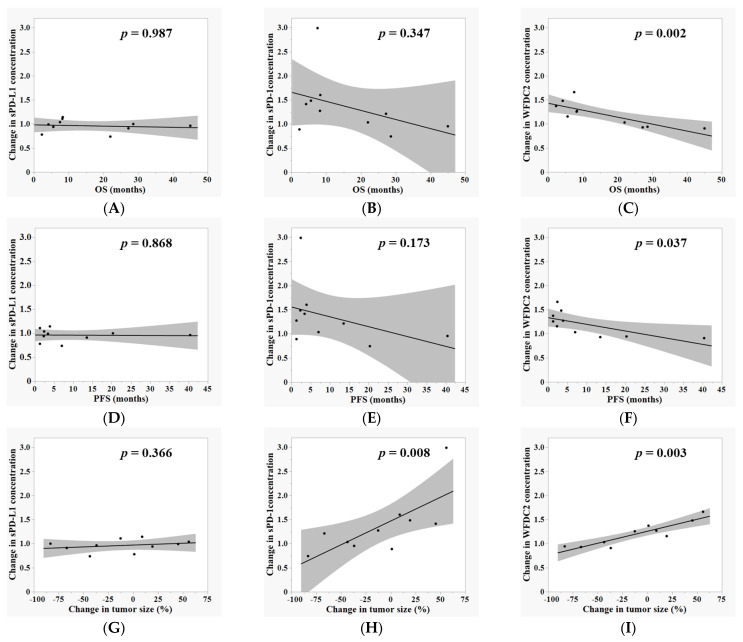 Figure 3
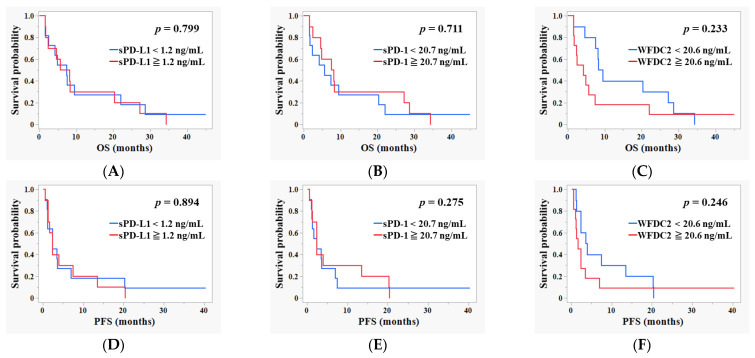 Figure 4
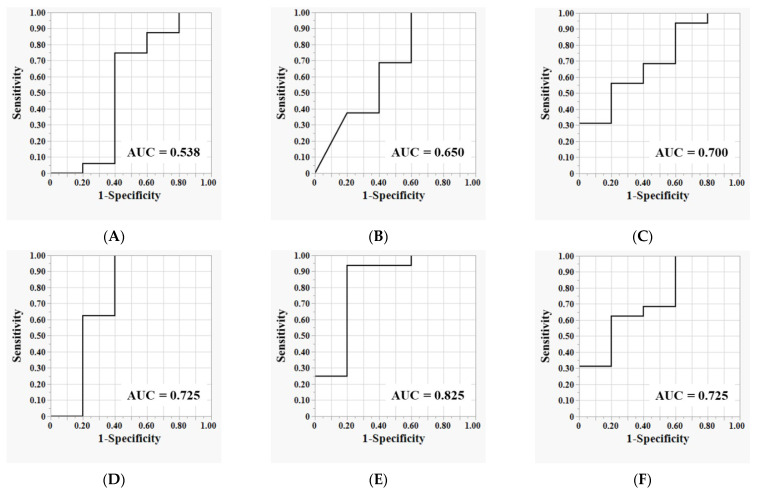 Figure 5
Peer Reviews
No public reviews on file for this paper yet. If you reviewed it on a platform where reviews are public (OpenReview, ICLR, NeurIPS, ICML), you can paste yours below so the community can read it here.
Videos
No videos yet. Explain this paper in a talk, walkthrough, or lecture? Add one.
Taxonomy
TopicsCancer Immunotherapy and Biomarkers · Cancer Genomics and Diagnostics · Ferroptosis and cancer prognosis