Discriminating Children with Speech Sound Disorders from Children with Typically Developing Speech Using the Motor Speech Hierarchy Probe Words: A Preliminary Analysis of Mandibular Control
Linda Orton, Richard Palmer, Roslyn Ward, Petra Helmholz, Geoffrey R. Strauss, Paul Davey, Neville W. Hennessey

TL;DR
This study shows that a speech test called MSH-PWs can help tell apart children with typical speech from those with speech disorders by analyzing jaw movements.
Contribution
The study introduces preliminary evidence that MSH-PWs mandibular control subtest can effectively discriminate children with speech disorders from typically developing children.
Findings
A significant difference was found in jaw range, voicing transitions, and total mandibular scores between TD and SSD groups.
Objective kinematic measures showed good agreement with perceptual judgments of jaw range and control.
Balanced classification accuracy of 0.79 was achieved in distinguishing TD and SSD groups.
Abstract
Background/Objectives: The Motor Speech Hierarchy (MSH) Probe Words (PWs) have yet to be validated as effective in discriminating between children with impaired and children with typically developing speech motor control. This preliminary study first examined the effectiveness of the mandibular control subtest of the MSH-PWs in distinguishing between typically developing (TD) and speech sound-disordered (SSD) children aged between 3 years 0 months and 3 years 6 months. Secondly, we compared automatically derived kinematic measures of jaw range and control with MSH-PW consensus scoring to assist in identifying deficits in mandibular control. Methods: Forty-one children with TD speech and 13 with SSD produced the 10 words of the mandibular stage of the MSH-PWs. A consensus team of speech pathologists observed video recordings of the words to score motor speech control and phonetic…
Genes, proteins, chemicals, diseases, species, mutations and cell lines named across the full text — each resolved to its canonical identifier and authoritative record.
Click any figure to enlarge with its caption.
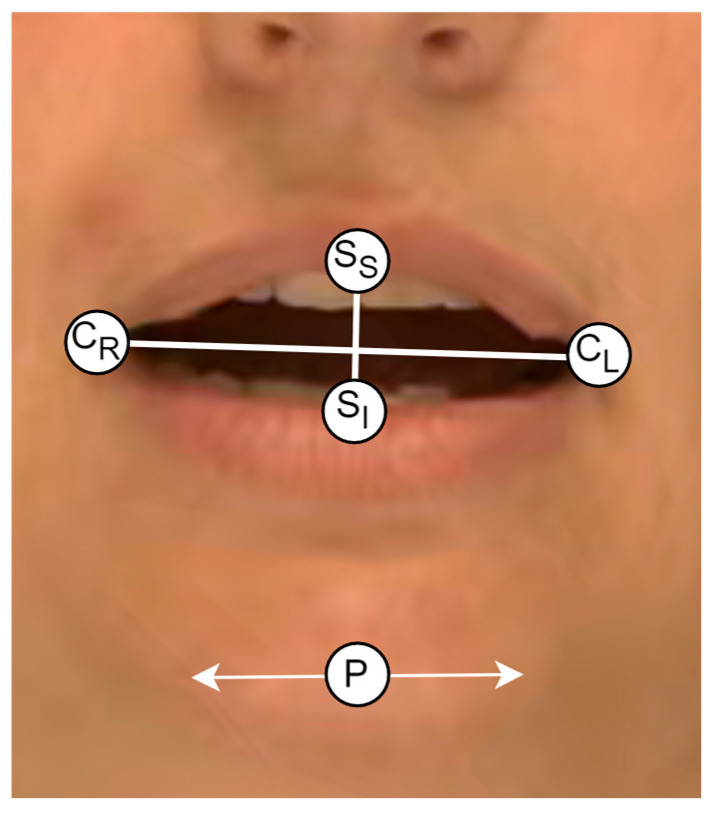 Figure 1
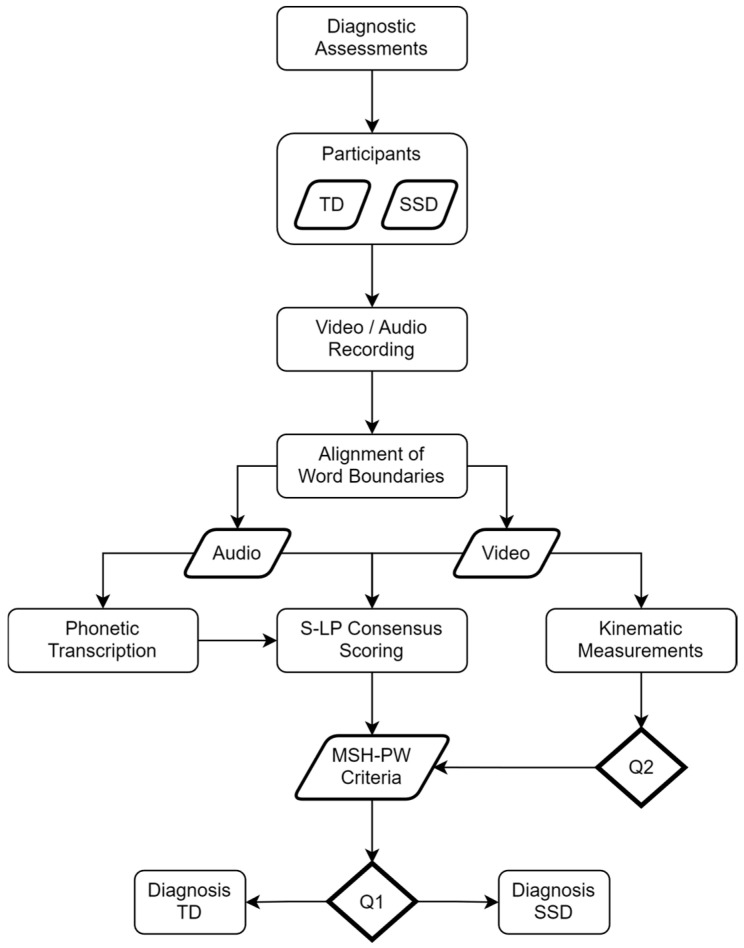 Figure 2
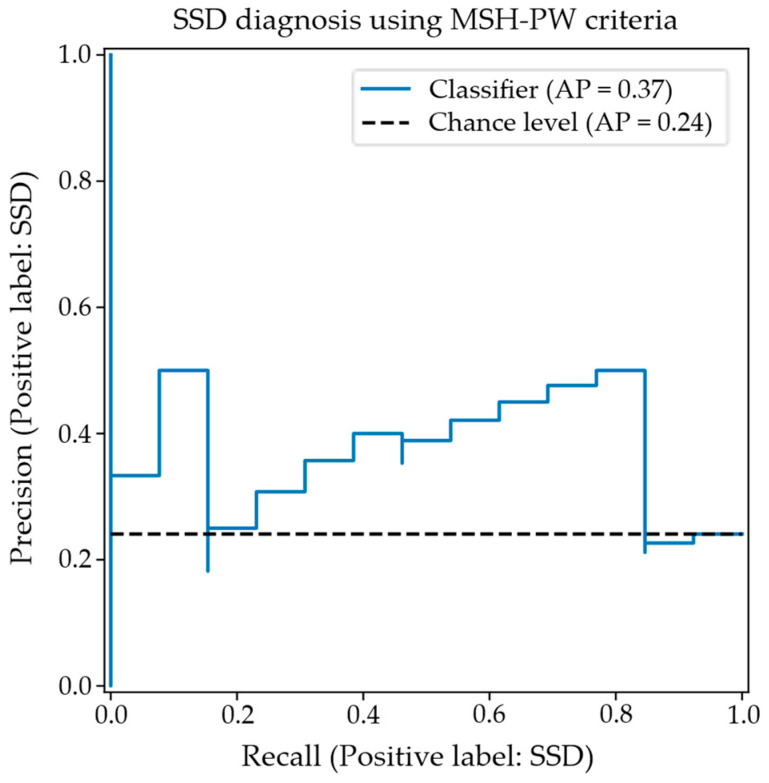 Figure 3
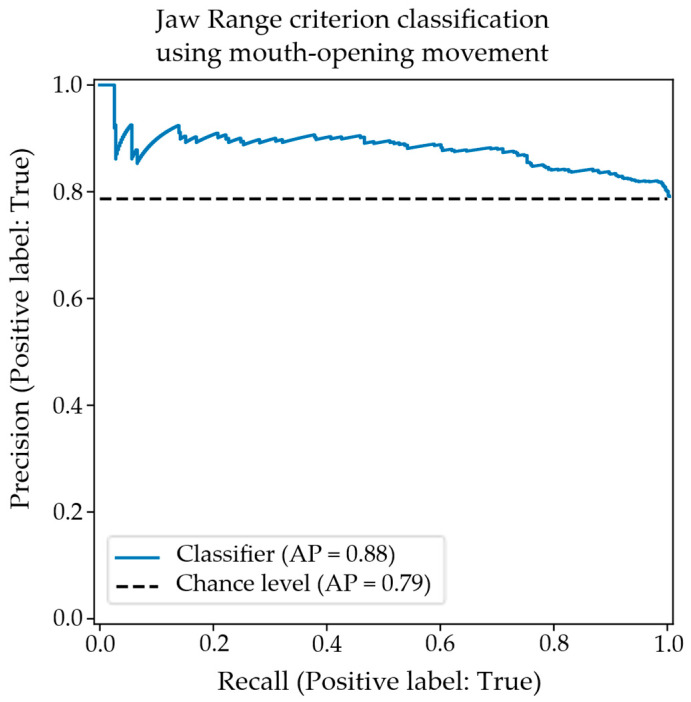 Figure 4
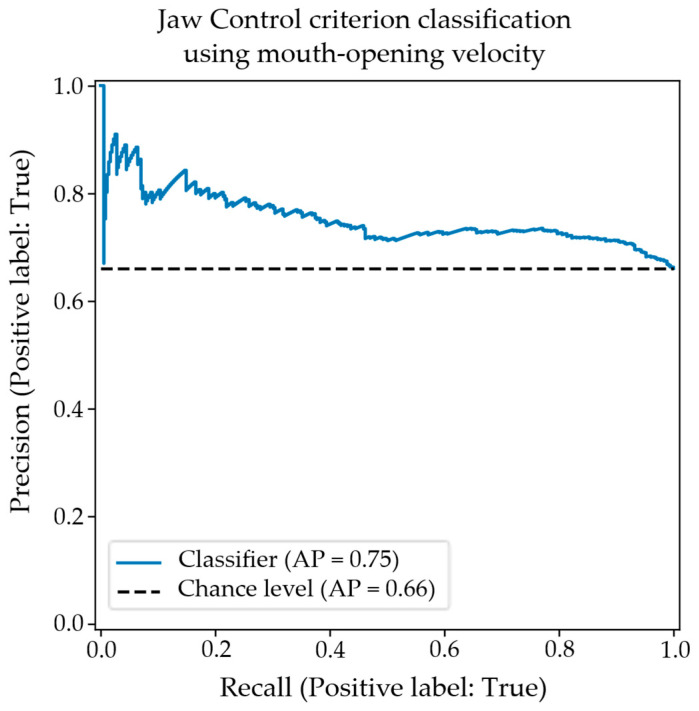 Figure 5
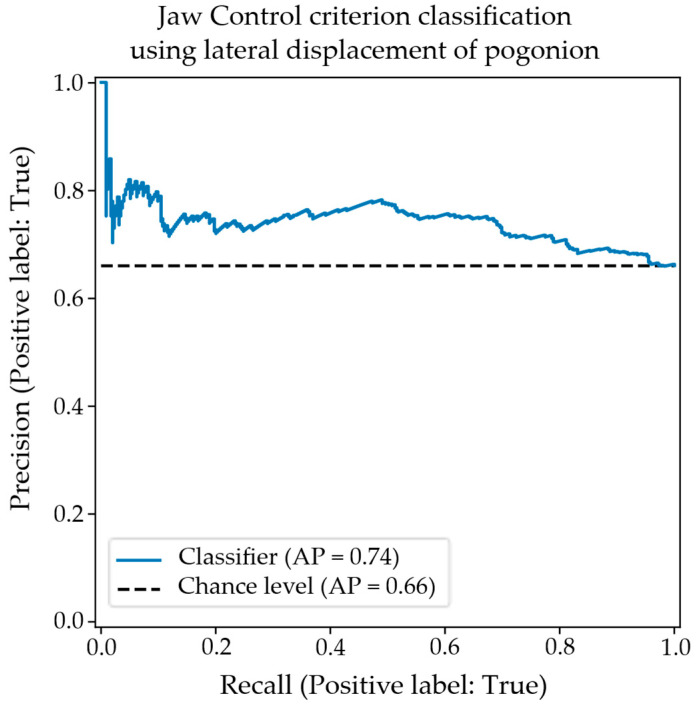 Figure 6
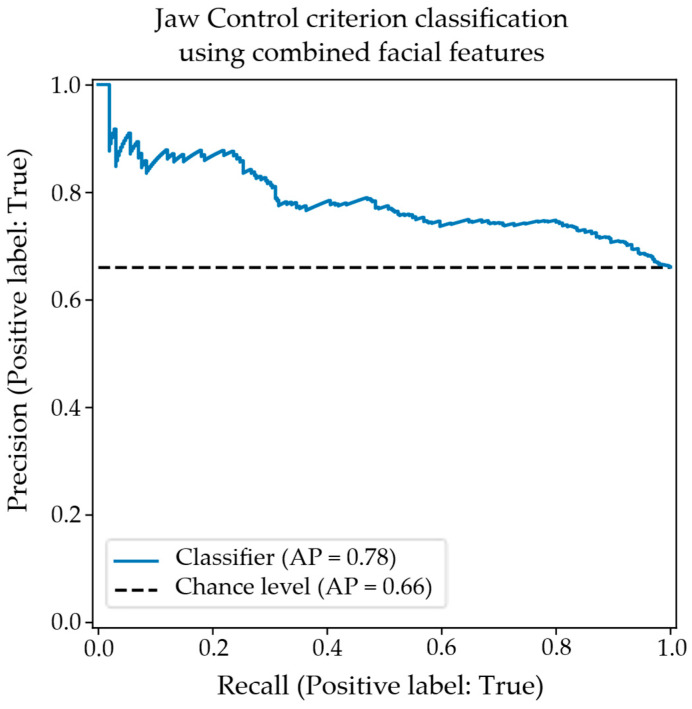 Figure 7
Peer Reviews
No public reviews on file for this paper yet. If you reviewed it on a platform where reviews are public (OpenReview, ICLR, NeurIPS, ICML), you can paste yours below so the community can read it here.
Videos
No videos yet. Explain this paper in a talk, walkthrough, or lecture? Add one.
Taxonomy
TopicsLanguage Development and Disorders · Neurobiology of Language and Bilingualism · Voice and Speech Disorders