Bubble NIPPV: Guidelines for Use
Mounika Muttineni, Vineet Bhandari, Stephen John, Tina Slusher

TL;DR
This paper introduces guidelines for using a low-cost, non-electric bubble NIPPV device to treat neonatal respiratory distress in resource-limited settings.
Contribution
The paper presents novel evidence-based guidelines for a new low-cost bubble NIPPV device for neonatal care.
Findings
A novel non-invasive bubble NIPPV device was developed as a low-cost alternative for neonatal respiratory support.
Evidence-based guidelines for initiating, titrating, and weaning from the device were proposed.
The device is suitable for use in low- and middle-income countries lacking advanced respiratory support.
Abstract
Neonatal respiratory distress is a primary contributor to neonatal morbidity and mortality worldwide. Non-invasive respiratory support such as nasal continuous positive airway pressure (NCPAP) and bubble NCPAP (bNCPAP) are often used as the first line of treatment for neonatal respiratory distress, including respiratory distress syndrome; however, many hospitals in low- and middle-income countries do not have access to advanced respiratory support devices beyond NCPAP. A novel, non-invasive bubble positive pressure ventilation device has been developed as a low-cost, non-electric alternative to providing respiratory support in such scenarios. In this article, we propose evidence-based guidelines for the initiation, titration, and weaning of the new device.
Genes, proteins, chemicals, diseases, species, mutations and cell lines named across the full text — each resolved to its canonical identifier and authoritative record.
Click any figure to enlarge with its caption.
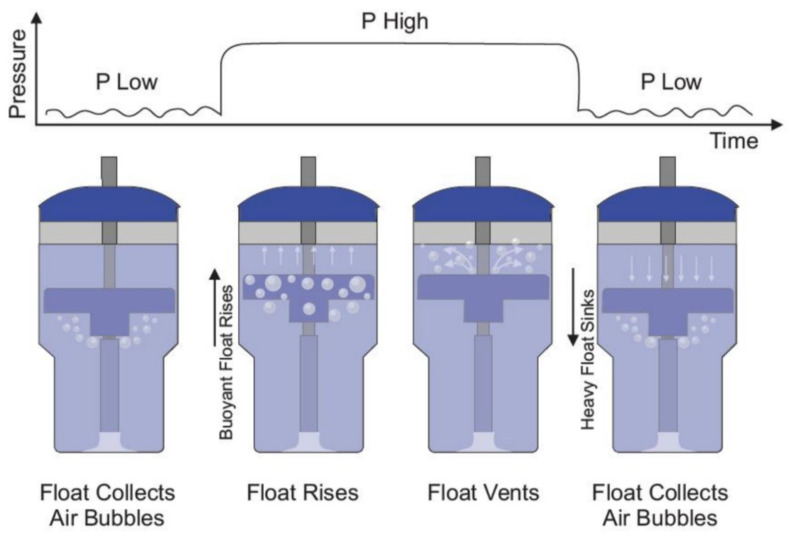 Figure 1
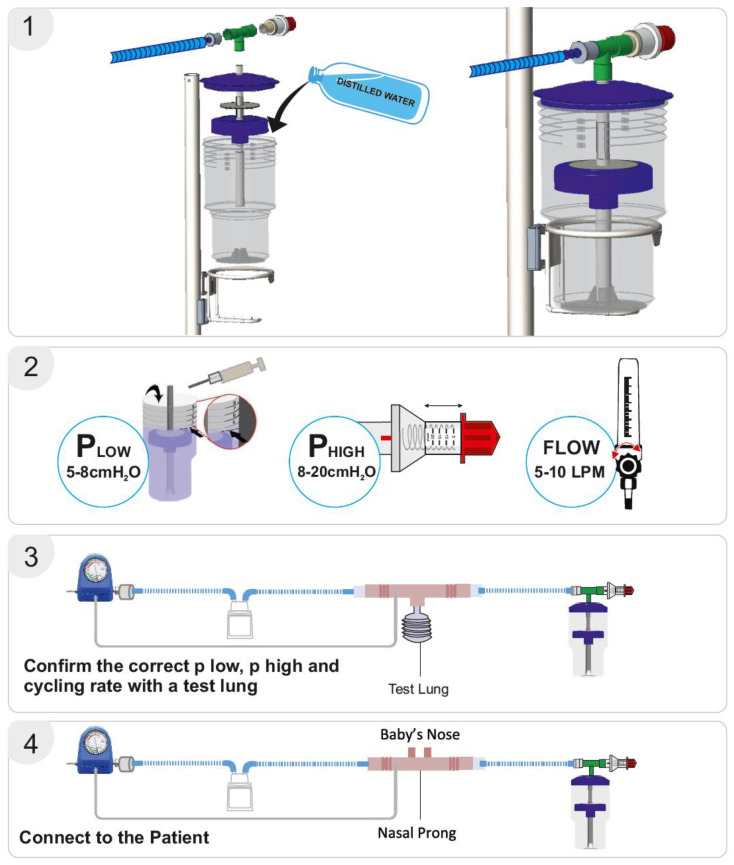 Figure 2
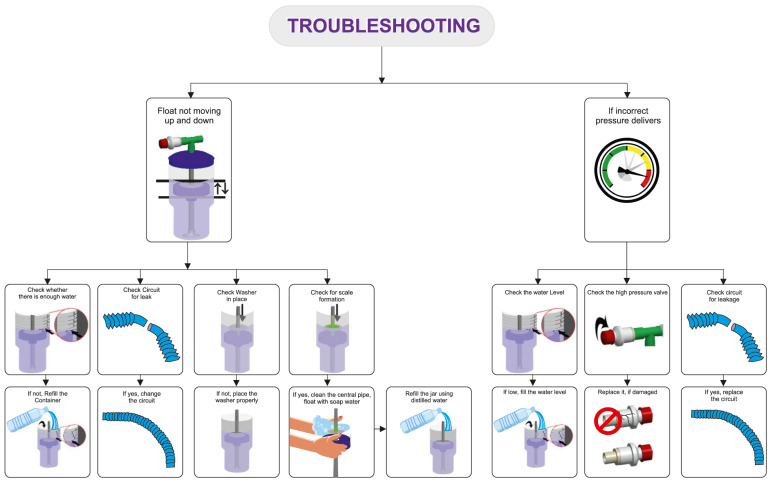 Figure 3
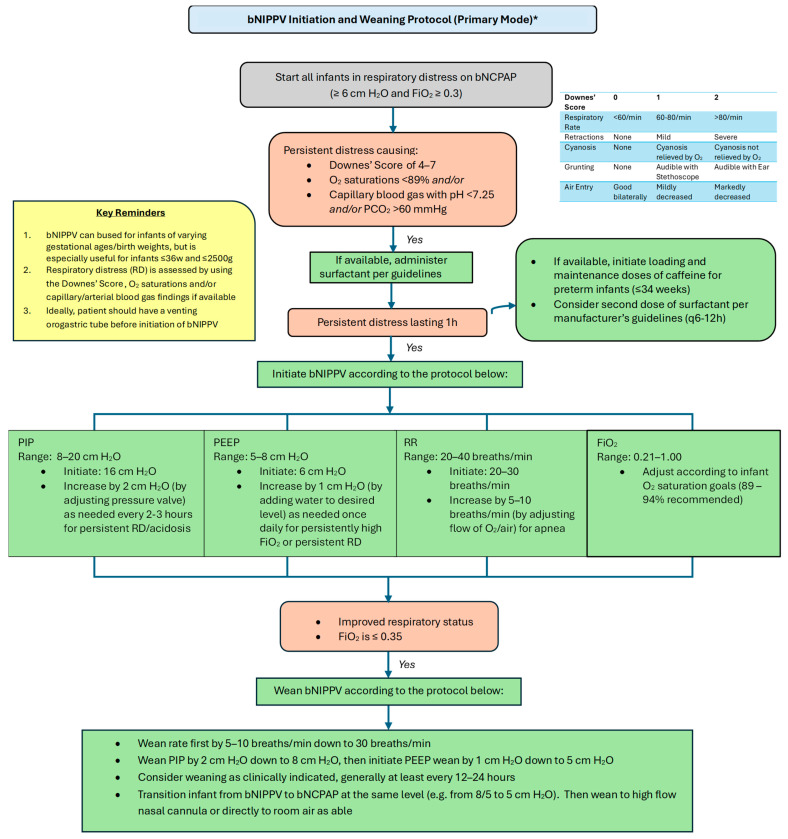 Figure 4
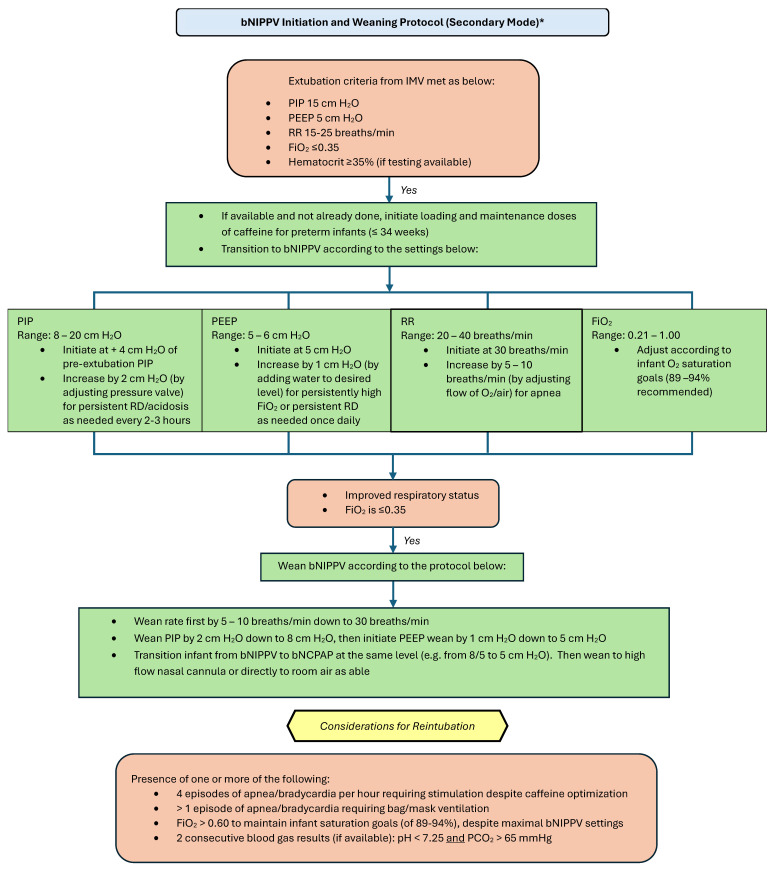 Figure 5
Peer Reviews
No public reviews on file for this paper yet. If you reviewed it on a platform where reviews are public (OpenReview, ICLR, NeurIPS, ICML), you can paste yours below so the community can read it here.
Videos
No videos yet. Explain this paper in a talk, walkthrough, or lecture? Add one.
Taxonomy
TopicsNeonatal Respiratory Health Research · Respiratory Support and Mechanisms · Neuroscience of respiration and sleep