Sleep Disorders in Children with Rett Syndrome
Christopher Harner, Thomas A. Gaffey, Shannon S. Sullivan, Manisha Witmans, Lourdes M. DelRosso, Mary Anne Tablizo

TL;DR
This paper reviews sleep disorders in children with Rett syndrome, a neurodevelopmental condition, and discusses current management strategies.
Contribution
The paper provides a focused review of sleep disorders in Rett syndrome and summarizes current clinical recommendations.
Findings
About 80% of children with Rett syndrome experience sleep disturbances like insomnia and sleep-disordered breathing.
Breathing irregularities during sleep, including apnea and hyperventilation, are common in Rett syndrome.
Polysomnography reveals both obstructive and central sleep apnea in affected children.
Abstract
Rett syndrome (RTT) is an X-linked neurodevelopmental disorder marked by neurological regression, autonomic dysfunction, seizures, and significant sleep and breathing abnormalities. About 80% of affected individuals, especially young children, experience sleep disturbances such as insomnia, sleep-disordered breathing, nocturnal vocalizations, bruxism, and seizures. Breathing irregularities during sleep—like apnea, alternating hyperventilation, and hypoventilation—are common, with both obstructive and central sleep apnea identified through polysomnography. This review focuses on the prevalent sleep disorders in children with Rett syndrome and highlights current recommendations for the management of sleep disorders.
Genes, proteins, chemicals, diseases, species, mutations and cell lines named across the full text — each resolved to its canonical identifier and authoritative record.
Click any figure to enlarge with its caption.
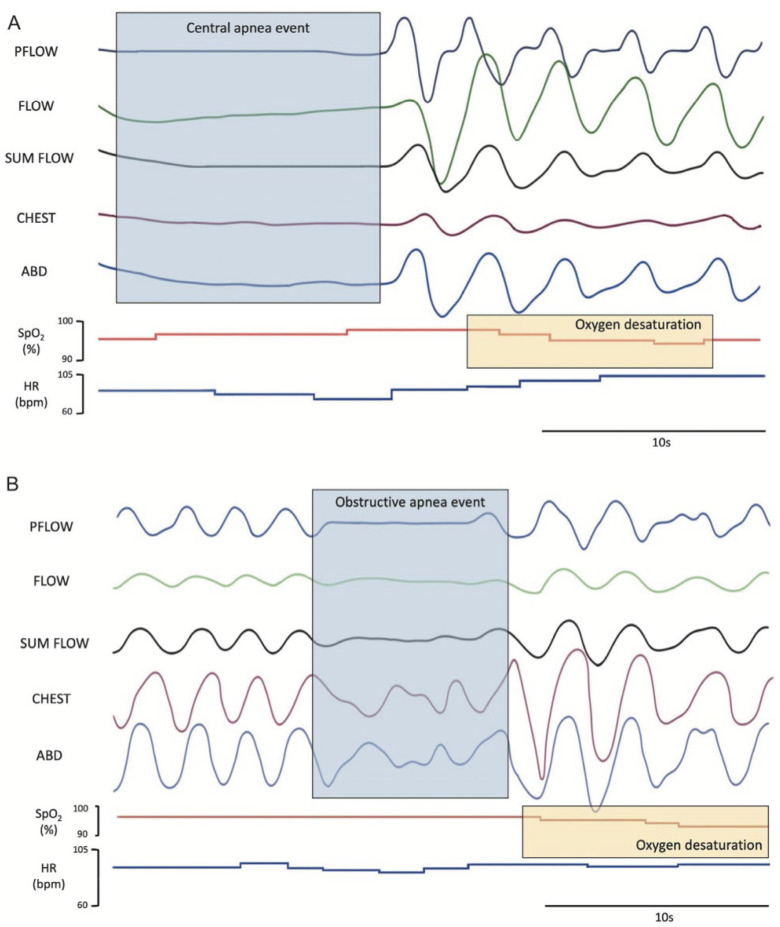 Figure 1
Peer Reviews
No public reviews on file for this paper yet. If you reviewed it on a platform where reviews are public (OpenReview, ICLR, NeurIPS, ICML), you can paste yours below so the community can read it here.
Videos
No videos yet. Explain this paper in a talk, walkthrough, or lecture? Add one.
Taxonomy
TopicsGenetics and Neurodevelopmental Disorders · Family and Disability Support Research · Autism Spectrum Disorder Research