A High-Fat Diet Induces Oxidative Stress in OPA1+/− Mouse Cortices: A Critical Double Challenge
Camille Champigny, Marlène Botella, Djamaa Atamena, Sébastien Bullich, Corentin Coustham, Bruno Guiard, Pascale Belenguer, Noélie Davezac

TL;DR
This study shows that a high-fat diet increases oxidative stress in the brains of mice with OPA1 deficiency, suggesting diet can influence the severity of a mitochondrial disease.
Contribution
The study demonstrates that diet acts as a modifying factor for dominant optic atrophy caused by OPA1 deficiency.
Findings
OPA1+/− mice on a high-fat diet showed reduced aconitase activity, indicating increased mitochondrial ROS.
OPA1+/− mice had lower levels of the antioxidant enzyme superoxide dismutase 2 compared to wild-type mice.
The study suggests that dietary control may help moderate the severity of dominant optic atrophy.
Abstract
A high-fat diet (HFD) has significant effects on health, leading to cardiovascular, metabolic, neurodegenerative, and psychiatric conditions and contributing to obesity and type 2 diabetes. Mitochondria, essential for energy production and oxidative metabolism, are adversely affected by a HFD, causing oxidative stress and impaired cellular function. Mutations in the OPA1 (OPtic Atrophy 1) gene, crucial for mitochondrial dynamics and functions, are responsible for dominant optic atrophy (DOA), a mitochondrial neurodegenerative disease associated with increased reactive oxygen species (ROS). The expressivity of DOA is highly variable, even within the same family. This suggests that both modifying genetics and environmental factors could influence the penetrance of the disease. We previously demonstrated that genetic background modulates DOA expressivity and now ask if this is also the…
Genes, proteins, chemicals, diseases, species, mutations and cell lines named across the full text — each resolved to its canonical identifier and authoritative record.
Click any figure to enlarge with its caption.
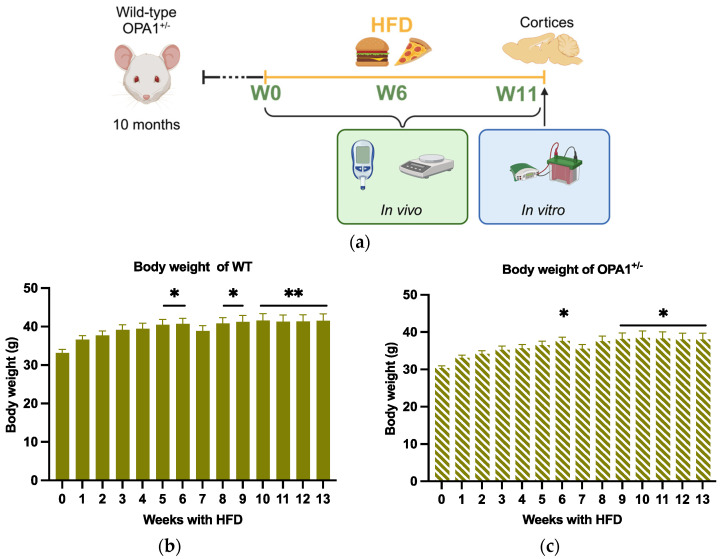 Figure 1
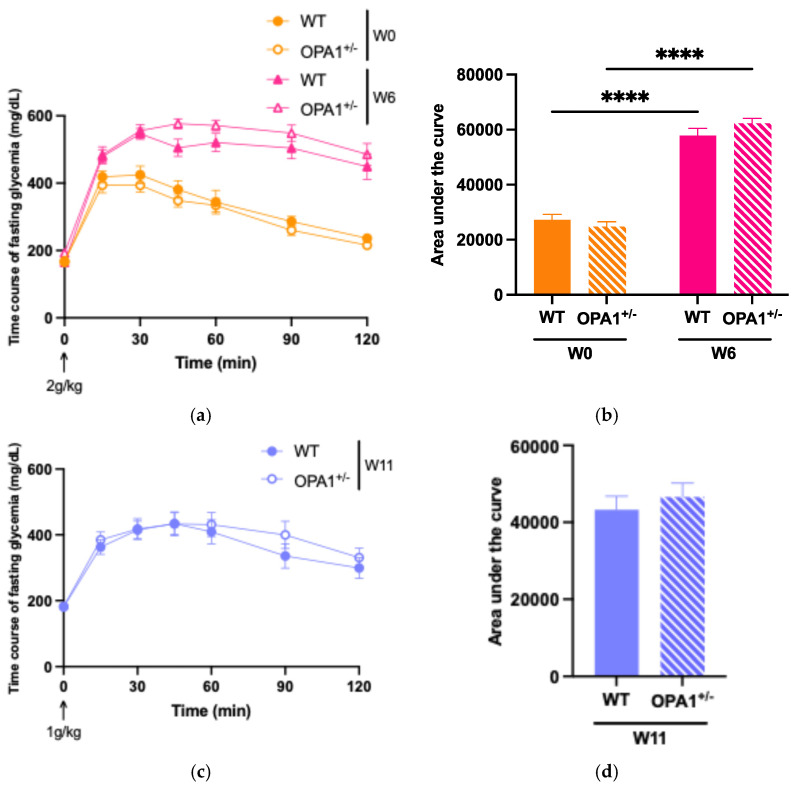 Figure 2
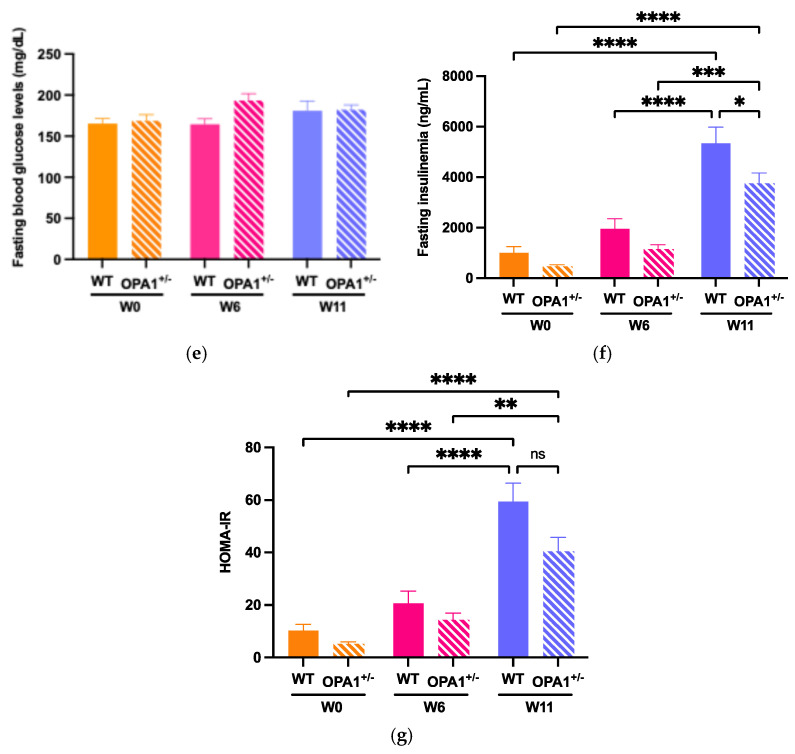 Figure 3
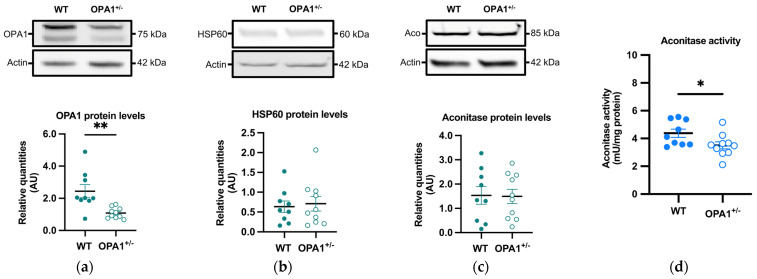 Figure 4
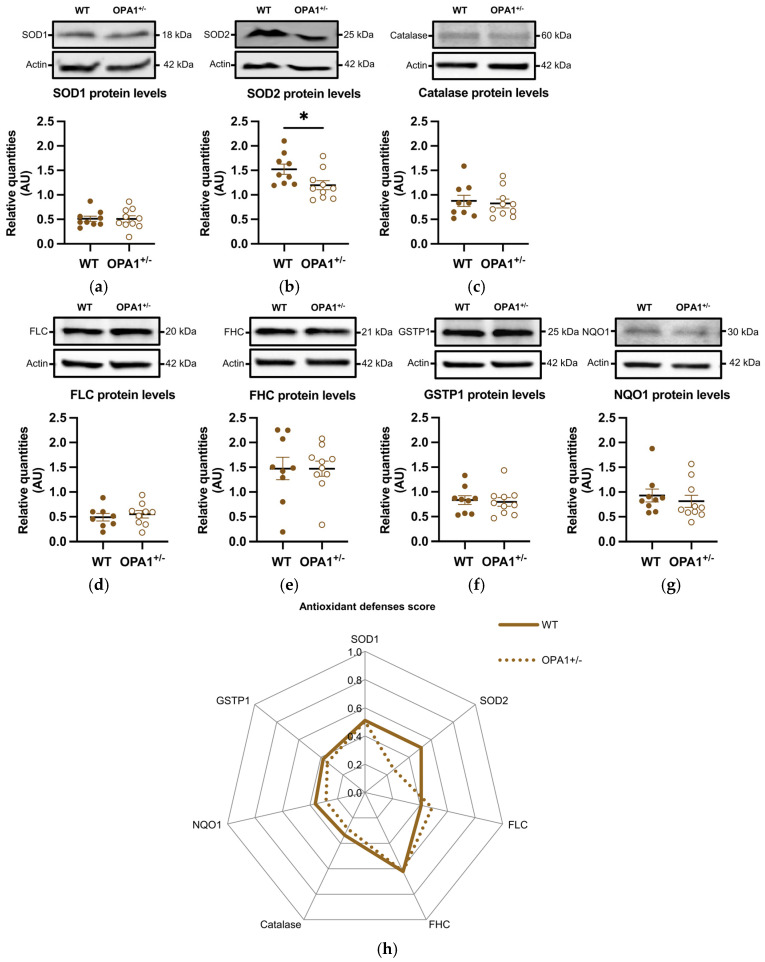 Figure 5
Peer Reviews
No public reviews on file for this paper yet. If you reviewed it on a platform where reviews are public (OpenReview, ICLR, NeurIPS, ICML), you can paste yours below so the community can read it here.
Videos
No videos yet. Explain this paper in a talk, walkthrough, or lecture? Add one.
Taxonomy
TopicsMitochondrial Function and Pathology · Adipose Tissue and Metabolism · ATP Synthase and ATPases Research