Current Advances and Future Perspectives of Liver-on-a-Chip Platforms Incorporating Dynamic Fluid Flow
Jingyeong Yun, Tae-Joon Jeon, Sun Min Kim

TL;DR
This paper reviews how liver-on-a-chip systems with dynamic fluid flow improve liver modeling for drug testing and disease research.
Contribution
The paper provides a comprehensive review of recent advances in liver-on-a-chip platforms with dynamic fluid flow for improved physiological modeling.
Findings
Dynamic liver-on-a-chip systems better replicate in vivo conditions compared to static cultures.
Integration with multi-organ-on-chip platforms allows studying inter-organ interactions.
These systems enhance drug screening and toxicity testing accuracy.
Abstract
The liver is a vital organ responsible for a broad range of metabolic functions, including glucose and lipid metabolism, detoxification, and protein synthesis. Its structural complexity, characterized by hexagonal hepatic lobules composed of diverse parenchymal and non-parenchymal cell types, supports its broad spectrum of physiological activities. Traditional in vitro liver models have contributed significantly to our understanding of hepatic biology and the development of therapies for liver-related diseases. However, static culture systems fail to replicate the dynamic in vivo microenvironment, particularly the continuous blood flow and shear stress that are critical for maintaining hepatocyte function and metabolic zonation. Recent advances in microphysiological systems (MPS) incorporating dynamic fluid flow have addressed these limitations by providing more physiologically relevant…
Genes, proteins, chemicals, diseases, species, mutations and cell lines named across the full text — each resolved to its canonical identifier and authoritative record.
Click any figure to enlarge with its caption.
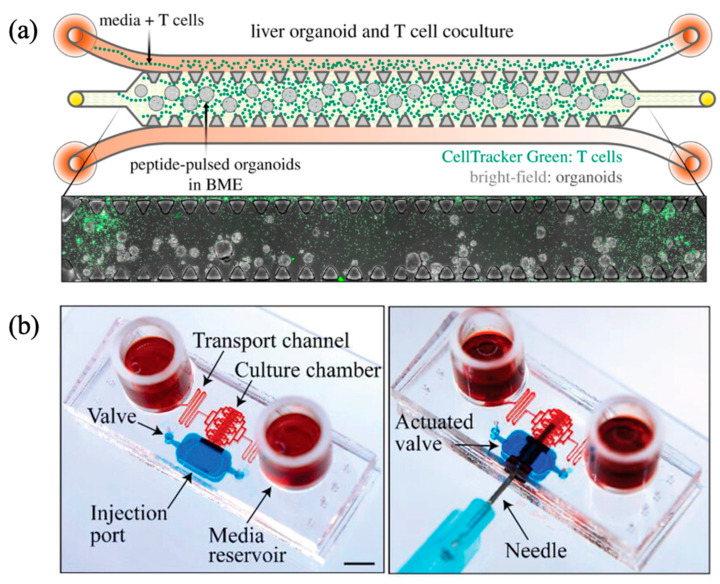 Figure 1
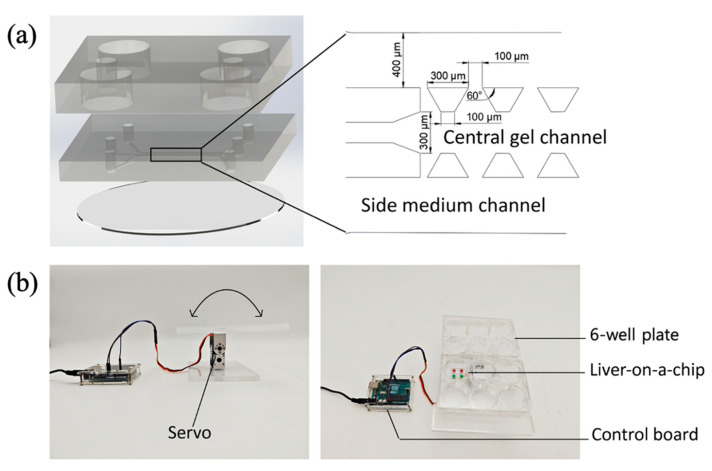 Figure 2
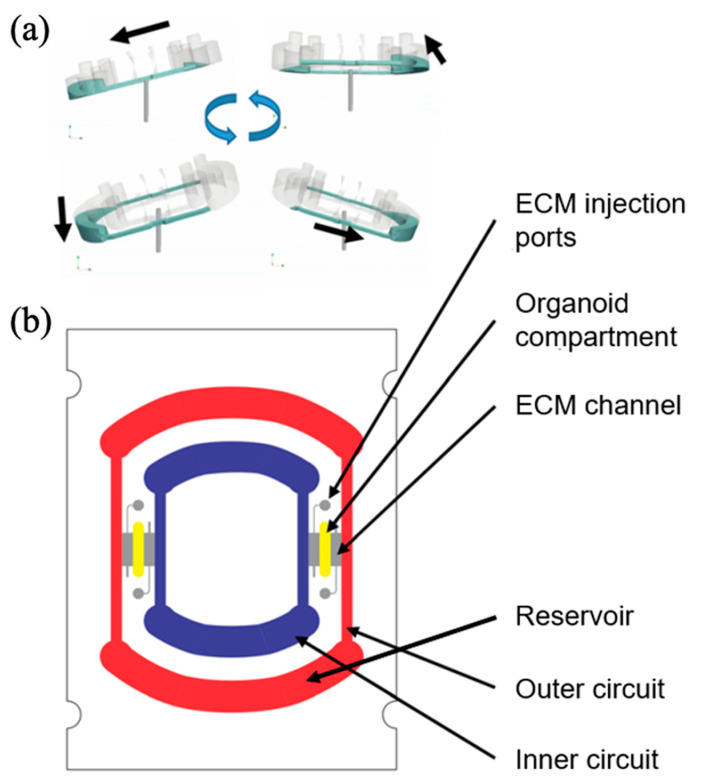 Figure 3
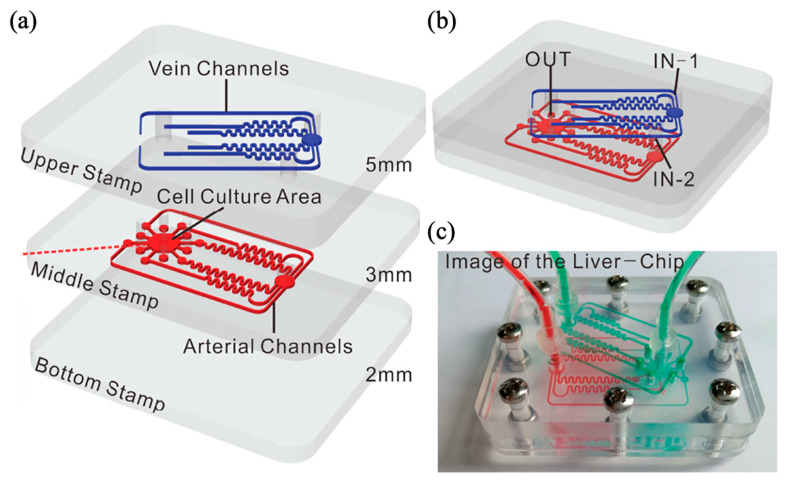 Figure 4
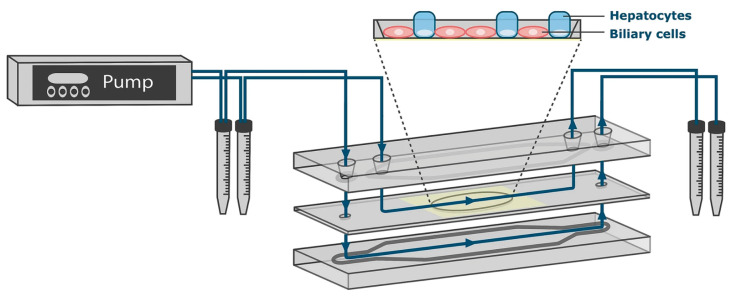 Figure 5
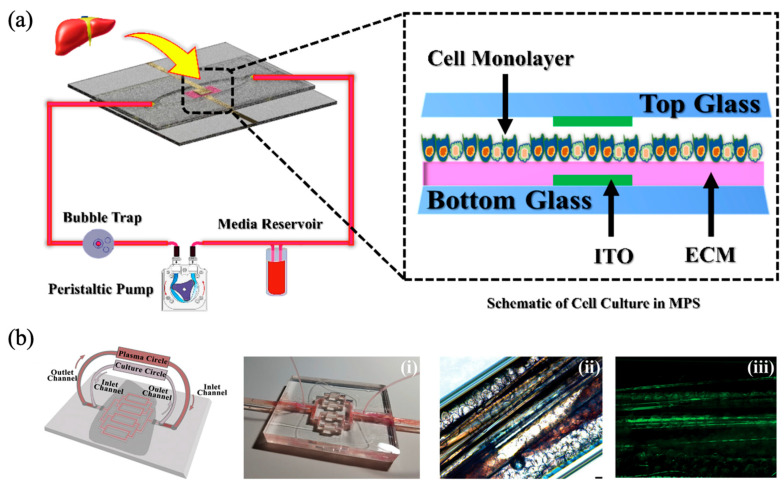 Figure 6
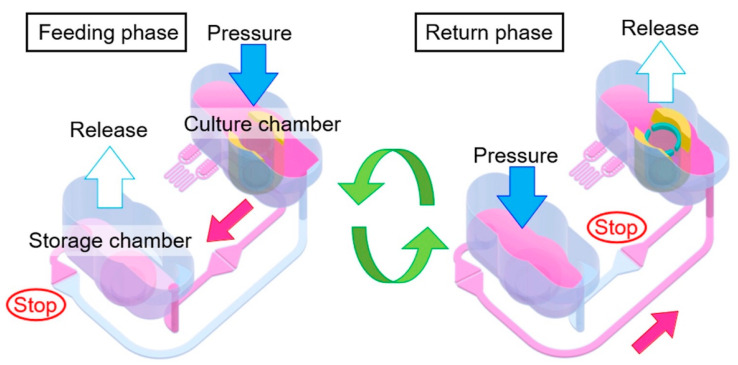 Figure 7
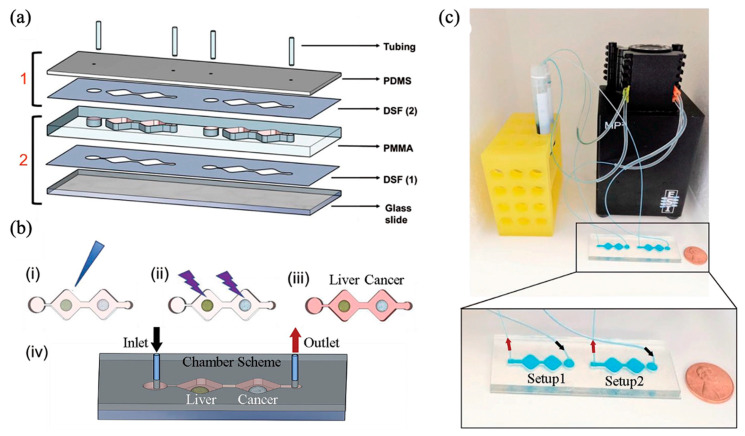 Figure 8
Peer Reviews
No public reviews on file for this paper yet. If you reviewed it on a platform where reviews are public (OpenReview, ICLR, NeurIPS, ICML), you can paste yours below so the community can read it here.
Videos
No videos yet. Explain this paper in a talk, walkthrough, or lecture? Add one.
Taxonomy
Topics3D Printing in Biomedical Research · Liver physiology and pathology · Innovative Microfluidic and Catalytic Techniques Innovation