A Novel Microencapsulated Bovine Recombinant Interferon Tau Formulation for Luteolysis Modulation in Cattle
Emilio Lamazares, Aleikar Vásquez, Kelly Gancino, Felipe Sandoval, Javiera Yáñez-Torres, Miguel A. Gutierrez-Reinoso, Manuel García-Herreros, Paula Gädicke, Ignacio Cabezas, Florence Hugues, Thelvia I. Ramos, Frank Camacho, Karel Mena-Ulecia, Jorge R. Toledo

TL;DR
A new formulation of bovine interferon tau was developed to improve cattle reproduction by preventing premature luteolysis through sustained release.
Contribution
A novel microencapsulated and hydrogel-based delivery system for recombinant bovine IFN-τ with sustained release and biological efficacy.
Findings
The rbIFN-τ formulation showed sustained release in vitro for up to 26 days.
Treated cattle exhibited inhibited luteolysis and sustained progesterone levels.
The formulation stimulated interferon-stimulated genes and retained antiviral activity.
Abstract
Early embryonic loss is a major cause of reproductive inefficiency in cattle, primarily due to premature luteolysis. Interferon tau (IFN-τ), secreted by the trophoblast, plays a critical role in maternal recognition of pregnancy by maintaining corpus luteum function. However, its practical application has been limited by its rapid degradation and short half-life in vivo. Here, we developed a novel formulation of recombinant bovine IFN-τ, combining chitosan-based microencapsulation with starch–chitosan hydrogel delivery, enabling sustained intrauterine release. This dual-delivery strategy offers a significant improvement over conventional IFN-τ administration methods that rely on repeated intrauterine infusions of soluble protein. The rbIFN-τ was expressed in Pichia pastoris, purified to 90.1% homogeneity, and structurally validated via homology modeling and molecular docking, confirming…
Genes, proteins, chemicals, diseases, species, mutations and cell lines named across the full text — each resolved to its canonical identifier and authoritative record.
Click any figure to enlarge with its caption.
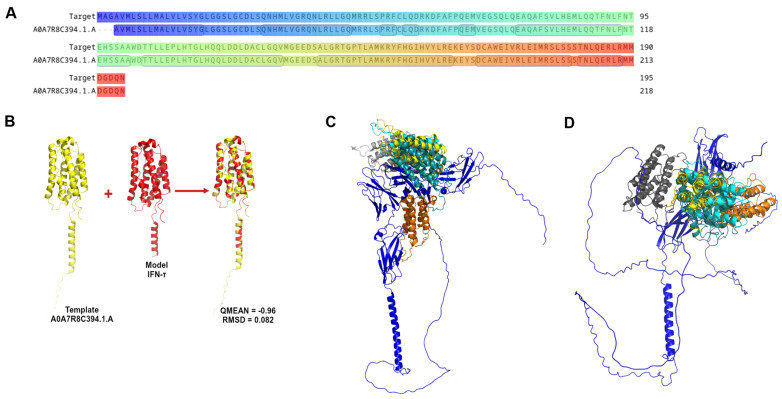 Figure 1
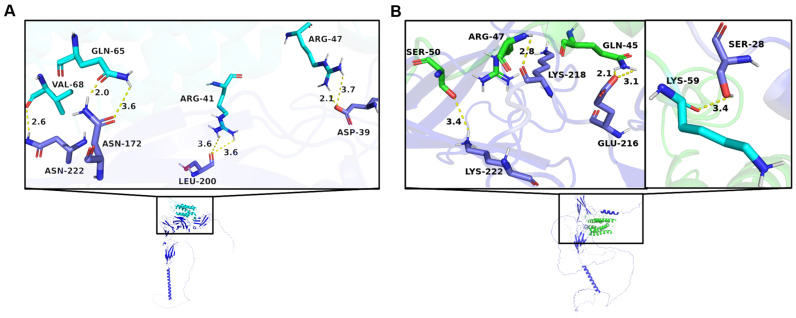 Figure 2
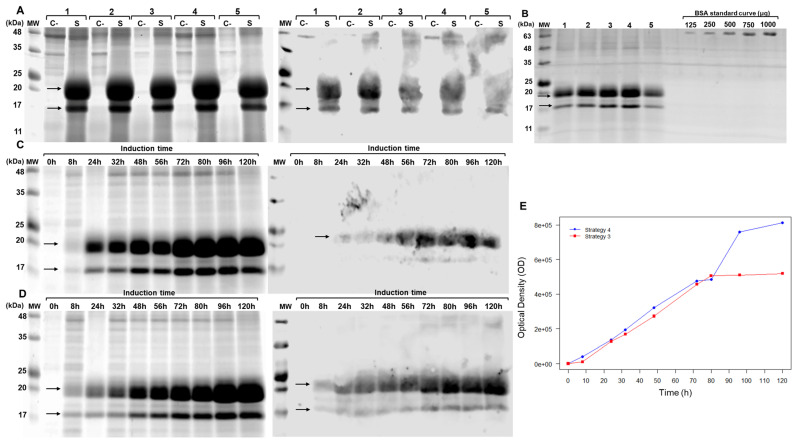 Figure 3
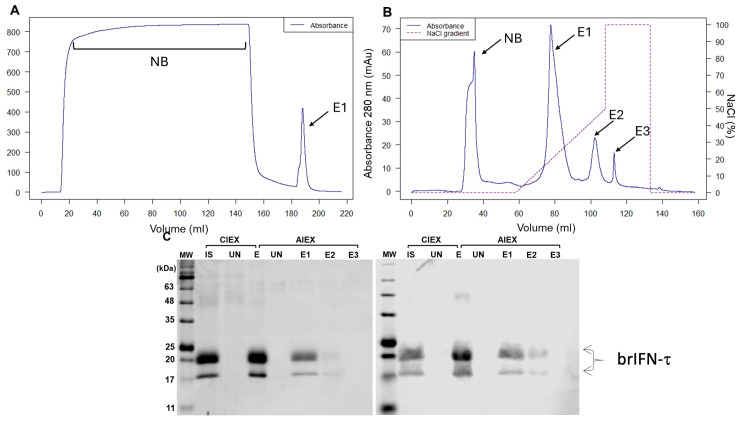 Figure 4
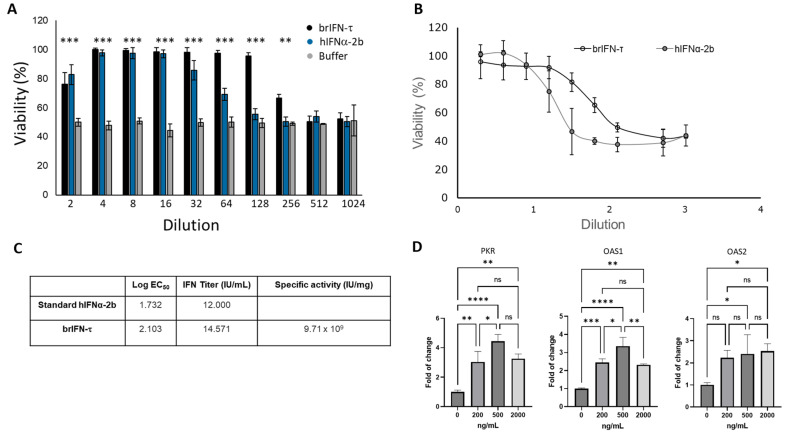 Figure 5
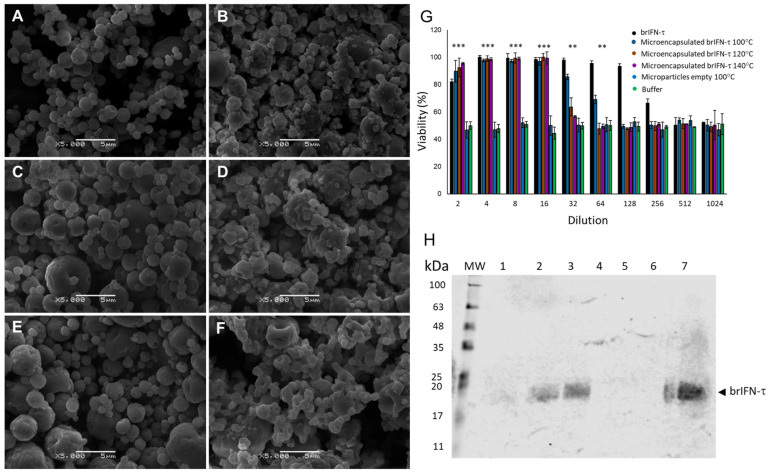 Figure 6
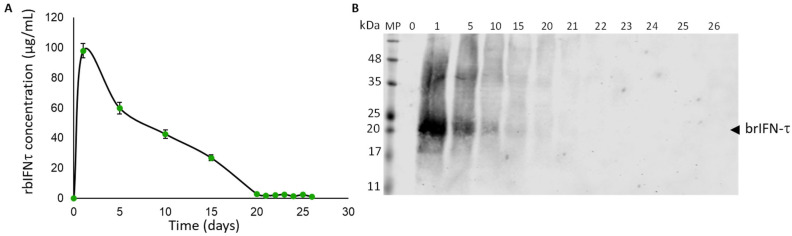 Figure 7
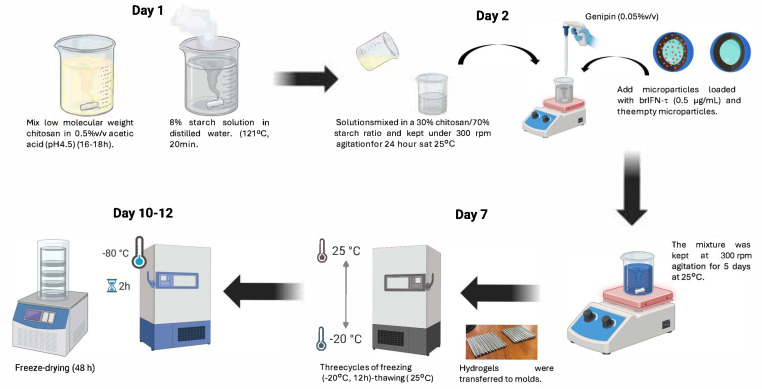 Figure 8
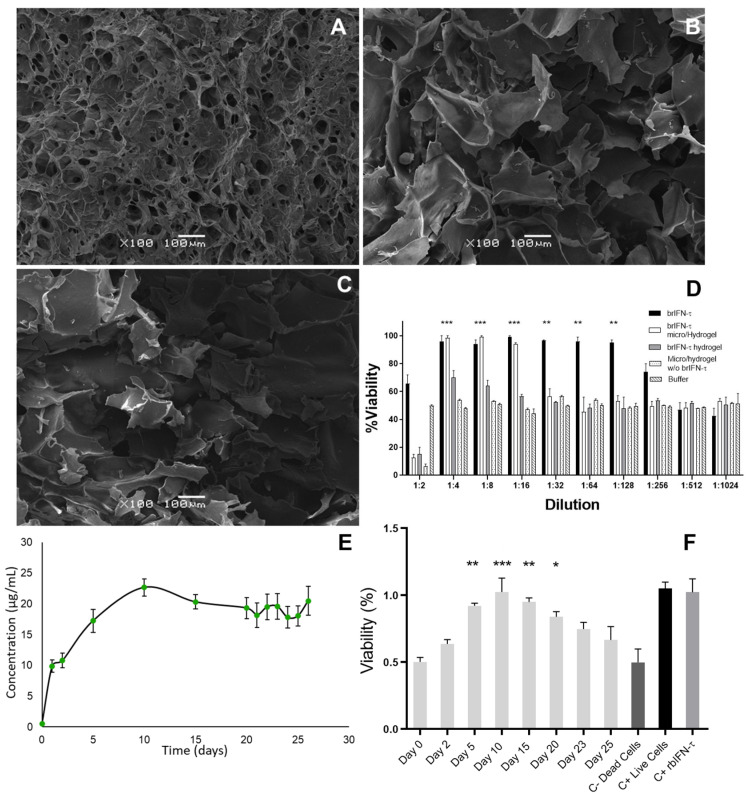 Figure 9
 Figure 10
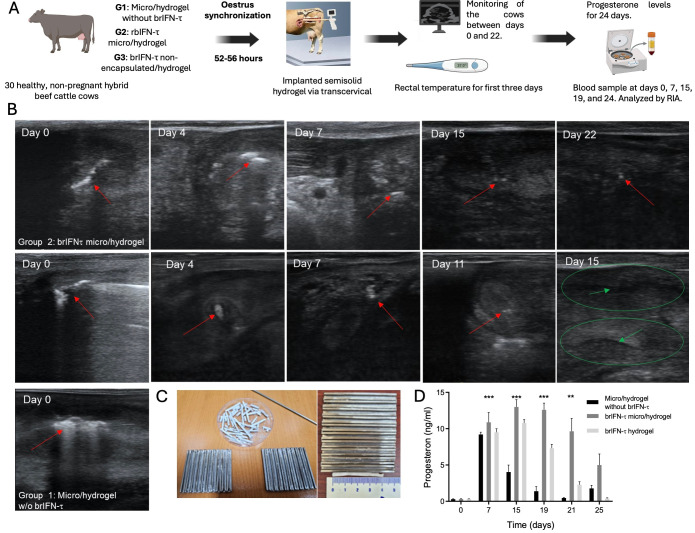 Figure 11
Peer Reviews
No public reviews on file for this paper yet. If you reviewed it on a platform where reviews are public (OpenReview, ICLR, NeurIPS, ICML), you can paste yours below so the community can read it here.
Videos
No videos yet. Explain this paper in a talk, walkthrough, or lecture? Add one.
Taxonomy
TopicsReproductive Physiology in Livestock · Animal health and immunology · Reproductive System and Pregnancy