Long-Term Endoscopic Gastrostomy Enteral Feeding of Neurosurgical Patients: A Reference Center Experience
Carolina Palma, Carla Adriana Santos, Ivo Mendes, Francisco Vara-Luiz, Gonçalo Nunes, Irina Mocanu, Cátia Oliveira, Tânia Meira, Marta Brito, Ana Paula Santos, Ana Sofia Gonçalves, Carlos Casimiro, Manuel Cunha e Sá, Jorge Fonseca

TL;DR
This study examines the use of long-term feeding tubes in neurosurgical patients and finds that most survived at least a month, with better nutrition markers linked to improved outcomes.
Contribution
The study provides a long-term retrospective analysis of PEG feeding outcomes in neurosurgical patients over 22 years.
Findings
Most patients survived more than one month after PEG placement, with 88% surviving beyond one month.
Higher levels of albumin and transferrin at the time of PEG were associated with longer survival and reduced short-term mortality.
Stroke patients made up the majority of surviving PEG-fed patients, and most had normal-to-high BMI despite low serum biomarkers.
Abstract
Background/Objectives: Nutritional support in neurosurgical patients is challenging due to severe brain injury, neurological disease, or post-surgical complications. This study aimed to assess outcomes of long-term enteral nutrition via endoscopic gastrostomy (PEG) in these patients over a 22-year period. Methods: A single-center retrospective (2001–2023) study was conducted on patients referred for PEG. Included patients presented severe traumatic brain injury (TBI), stroke, brain tumor, or other neurosurgical conditions. Demographic, anthropometric, and clinical data were collected. Results: A total of 196 patients were included (105 men); 57% were under 65 years. The main diagnoses were stroke (41.8%), TBI (35.2%), and brain tumors (19.9%). The median time from diagnosis to PEG was 94 days. At the time of PEG, only 38.5% were underweight. Outcomes: A total of 132 deaths (75.4%)…
Genes, proteins, chemicals, diseases, species, mutations and cell lines named across the full text — each resolved to its canonical identifier and authoritative record.
Click any figure to enlarge with its caption.
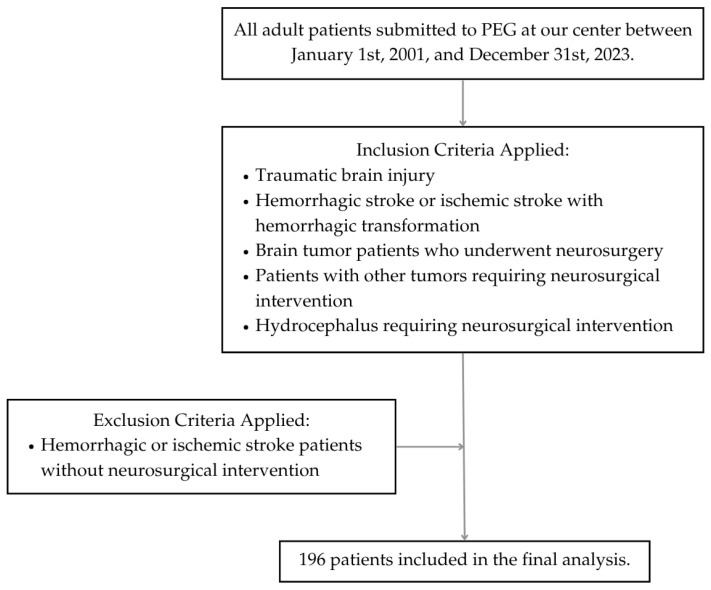 Figure 1
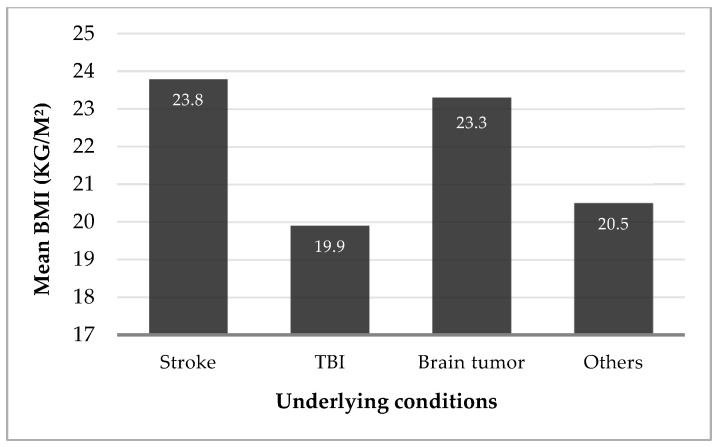 Figure 2
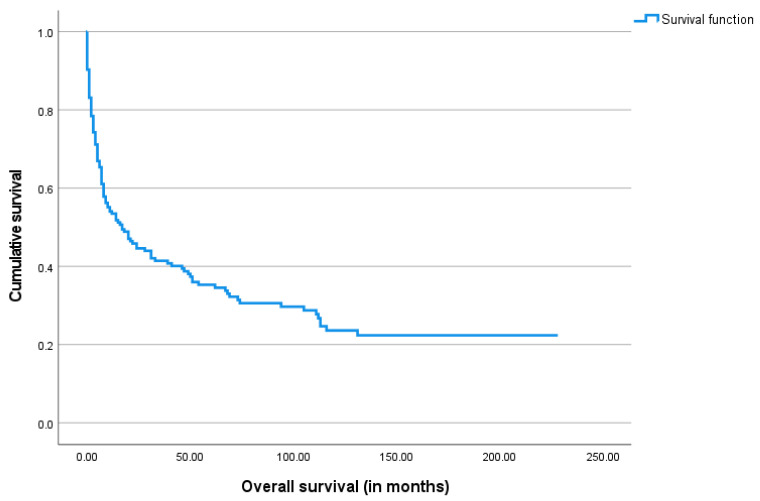 Figure 3
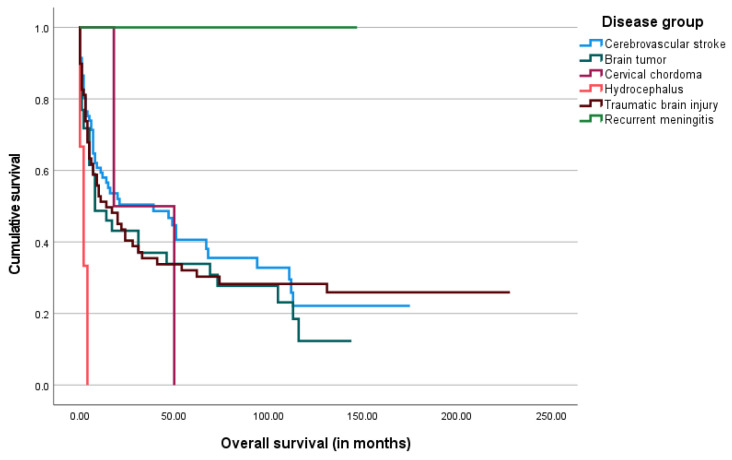 Figure 4
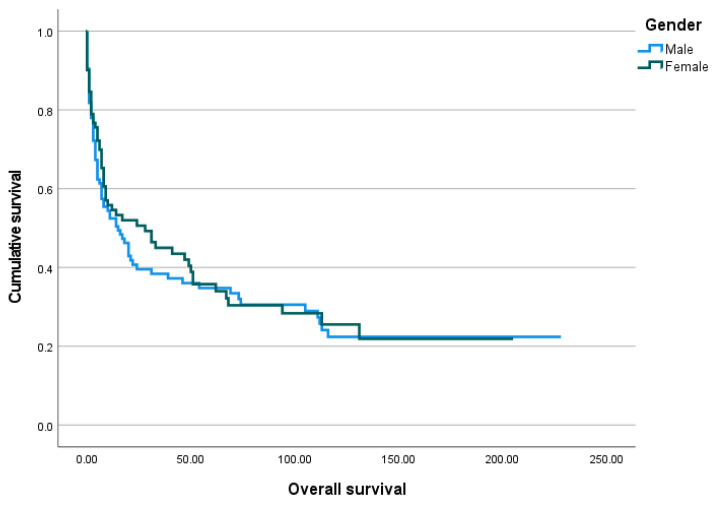 Figure 5
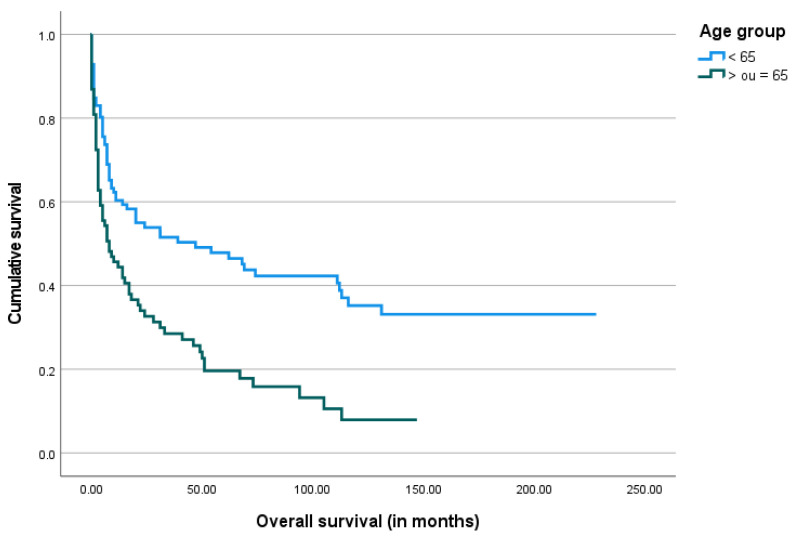 Figure 6
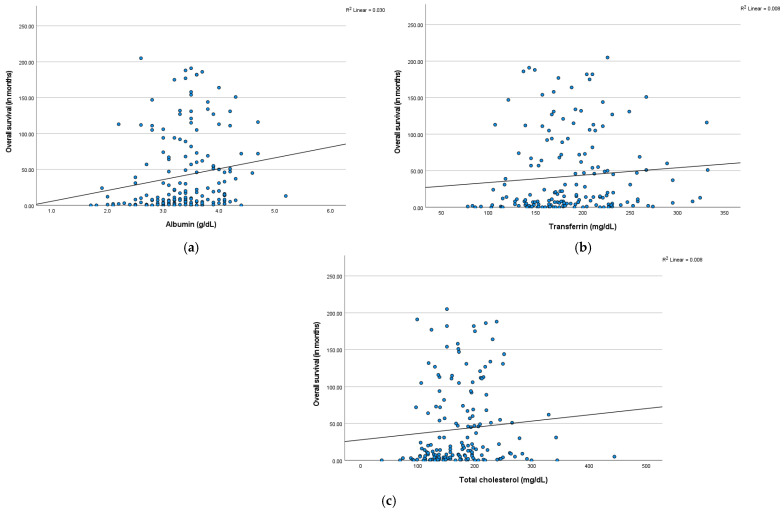 Figure 7
Peer Reviews
No public reviews on file for this paper yet. If you reviewed it on a platform where reviews are public (OpenReview, ICLR, NeurIPS, ICML), you can paste yours below so the community can read it here.
Videos
No videos yet. Explain this paper in a talk, walkthrough, or lecture? Add one.
Taxonomy
TopicsClinical Nutrition and Gastroenterology · Dysphagia Assessment and Management · Palliative Care and End-of-Life Issues