Investigating the Effectiveness of Self-Regulated, Pomodoro, and Flowtime Break-Taking Techniques Among Students
Eva J. C. Smits, Niklas Wenzel, Anique de Bruin

TL;DR
This study compares Pomodoro, Flowtime, and self-regulated break techniques among students, finding no significant differences in productivity or motivation despite varying break patterns.
Contribution
The study introduces a novel comparison of three break-taking techniques in a self-regulated learning context using an online intervention with real study tasks.
Findings
Pomodoro breaks caused faster increases in fatigue and decreases in motivation compared to self-regulated breaks.
No overall differences in productivity, task completion, or flow were observed across the three break-taking conditions.
Flowtime breaks showed similar effects to Pomodoro in terms of motivation and fatigue changes.
Abstract
Effective break taking during study sessions is crucial for maintaining performance, especially in self-regulated learning settings where students plan their own tasks. However, research on break taking in these contexts is limited. This study investigates the effect of self-regulated, Pomodoro, and Flowtime breaks on subjective study experiences, task completion, and flow. Ninety-four university students participated in an online intervention that provided instruction on how to take breaks in a 2 h authentic study session. In the self-regulated break condition (n = 25), students decided when and how long to take breaks. In the Pomodoro condition (n = 36), students took 5 min breaks after every 25 min of studying. In the Flowtime group (n = 33), participants decided when to take breaks; however, the break duration was determined based on prior study duration. Results showed that…
Genes, proteins, chemicals, diseases, species, mutations and cell lines named across the full text — each resolved to its canonical identifier and authoritative record.
Click any figure to enlarge with its caption.
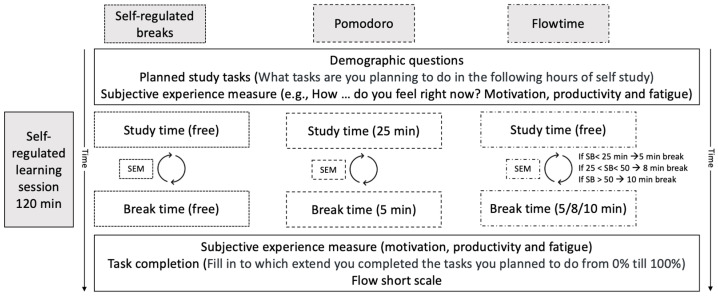 Figure 1
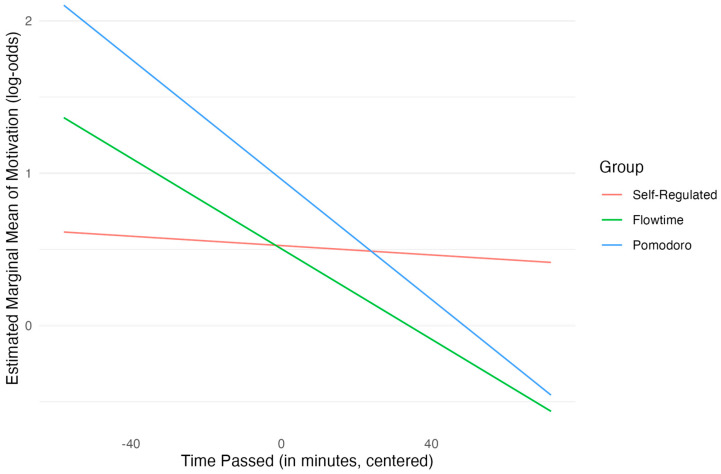 Figure 2
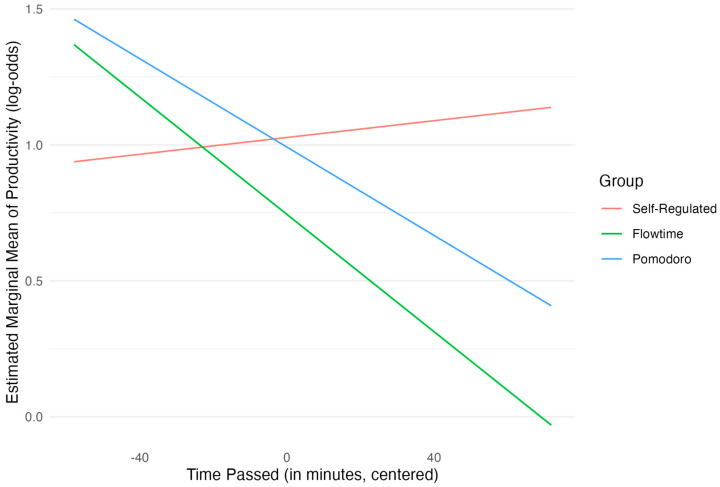 Figure 3
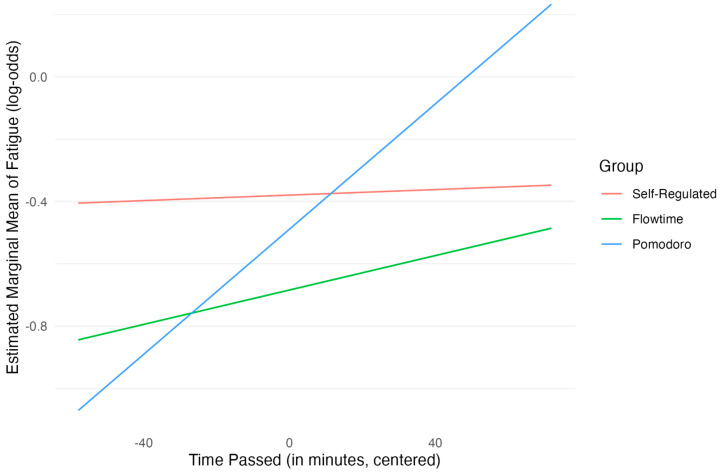 Figure 4
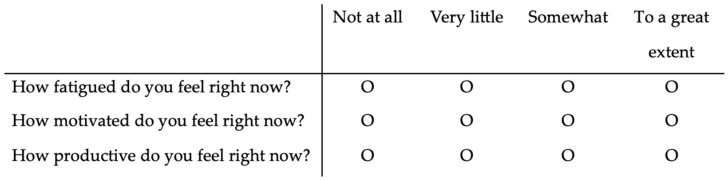 Figure 5
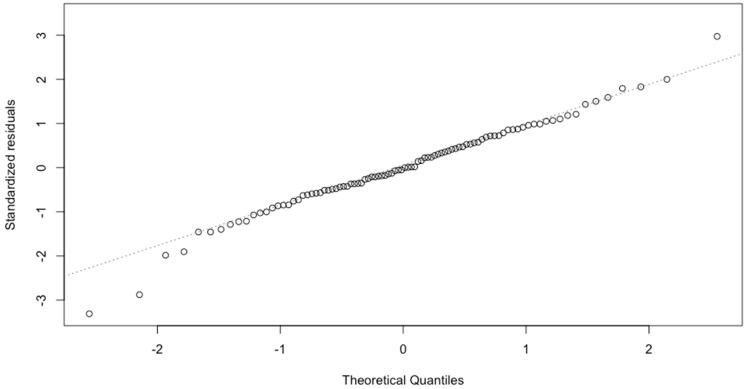 Figure 6
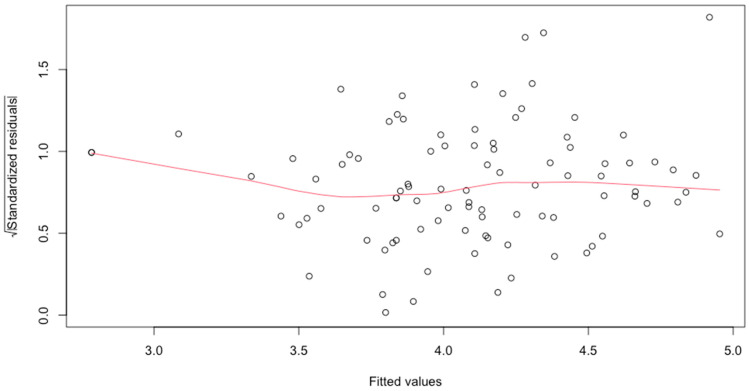 Figure 7
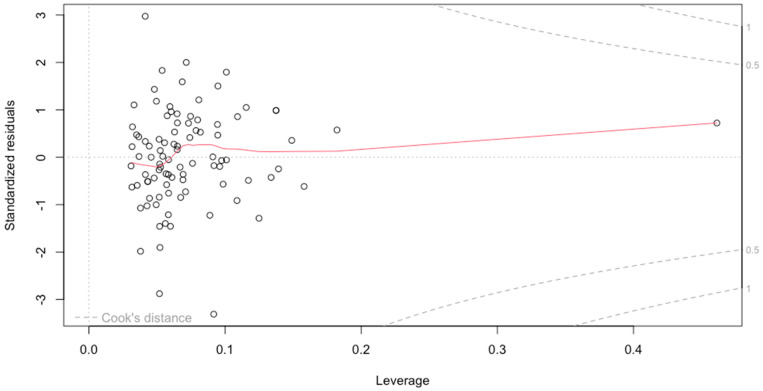 Figure 8
 Figure 9
 Figure 10
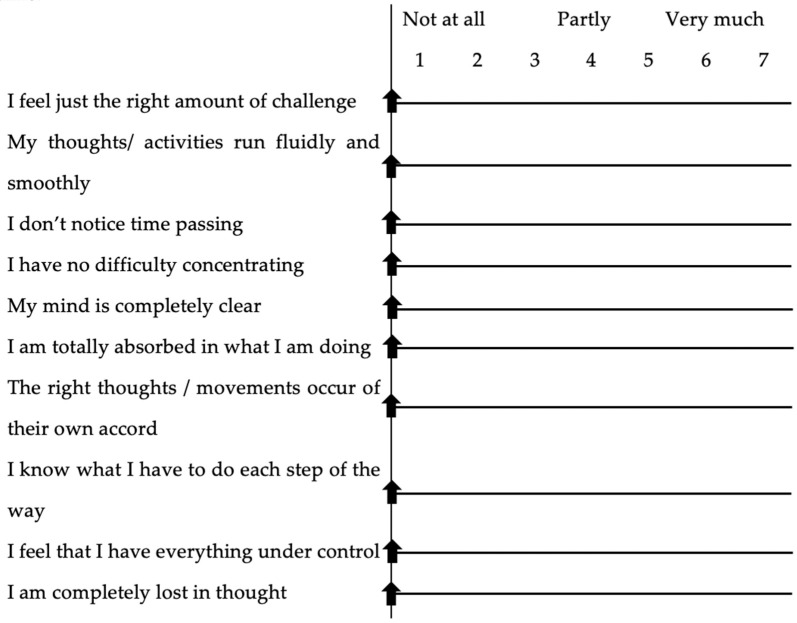 Figure 11
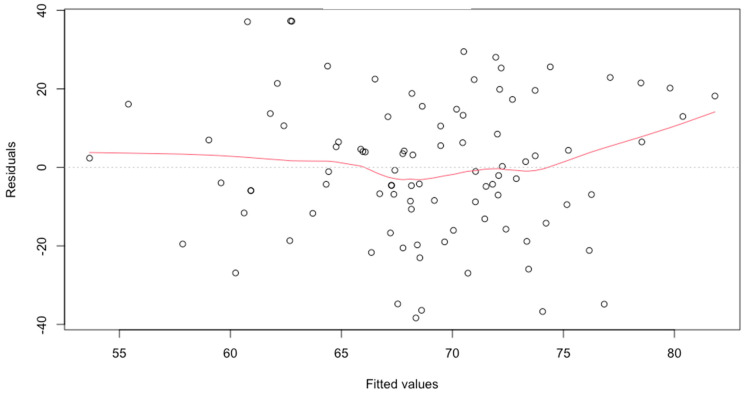 Figure 12
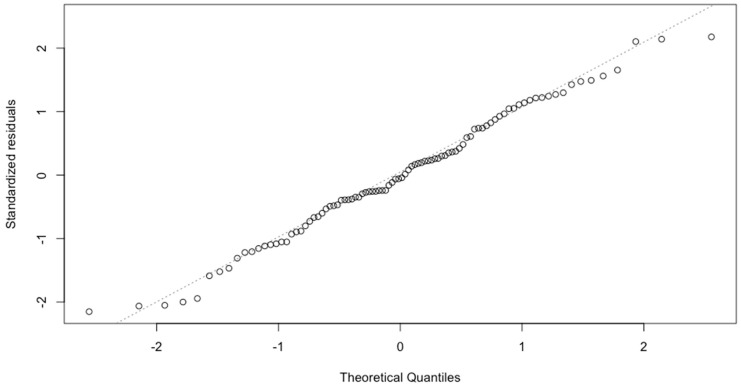 Figure 13
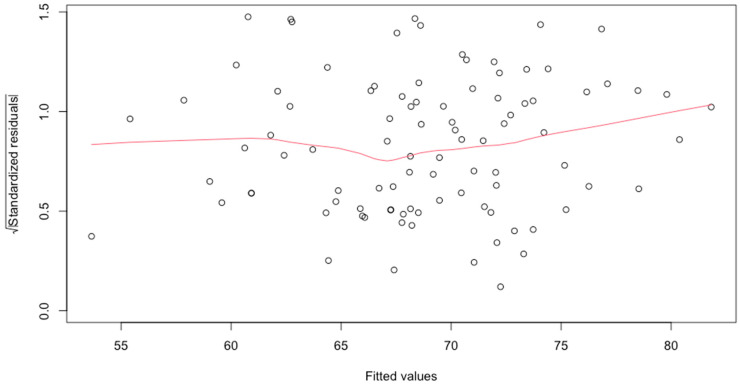 Figure 14
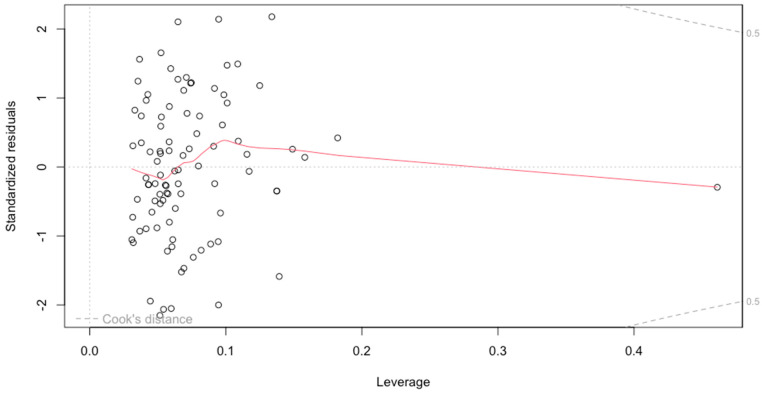 Figure 15
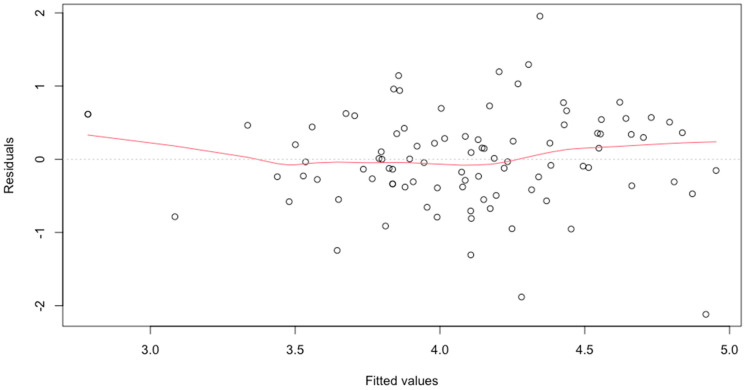 Figure 16
Peer Reviews
No public reviews on file for this paper yet. If you reviewed it on a platform where reviews are public (OpenReview, ICLR, NeurIPS, ICML), you can paste yours below so the community can read it here.
Videos
No videos yet. Explain this paper in a talk, walkthrough, or lecture? Add one.
Taxonomy
TopicsFlow Experience in Various Fields · Mind wandering and attention · Motivation and Self-Concept in Sports