Targeting CDK4/6 in Cancer: Molecular Docking and Cytotoxic Evaluation of Thottea siliquosa Root Extract
Maruthamuthu Rathinam Elakkiya, Mohandas Krishnasreya, Sureshkumar Tharani, Muthukrishnan Arun, L. Vijayalakshmi, Jiseok Lim, Ayman A. Ghfar, Balasundaramsaraswathy Chithradevi

TL;DR
This study explores a plant extract as a potential natural CDK4/6 inhibitor for cancer treatment, showing promising results in molecular docking and cell tests.
Contribution
The study identifies Thottea siliquosa root extract as a novel natural source with potential CDK4/6 inhibitory activity for cancer therapy.
Findings
Isocorydine and Thunbergol from the extract showed strong binding affinities to CDK4/6 comparable to standard inhibitors.
The extract exhibited dose-dependent cytotoxicity with an IC50 of 140 μg/mL and reduced cell migration in HCT116 cells.
ADME analysis confirmed favorable drug-like properties with minimal toxicity alerts for the identified compounds.
Abstract
Background: Cyclin-dependent kinases 4 and 6 (CDK4/6) are pivotal regulators of the cell cycle, whose dysregulation is closely linked to cancer progression. While synthetic CDK4/6 inhibitors such as Palbociclib and Ribociclib are clinically effective, their use is limited by significant adverse effects. Methods: In this study, the aqueous root extract of Thottea siliquosa, a traditionally used medicinal plant, was evaluated for its potential as a natural CDK4/6 inhibitor. Phytochemical profiling using GC-MS identified bioactive compounds, which were subsequently subjected to molecular docking, ADME prediction, and in vitro cell-based assays using HCT116 and L929 cells. Results: The docking results revealed that Isocorydine (−7.4 kcal/mol for CDK4 and −7.2 kcal/mol for CDK6) and Thunbergol (−6.5 kcal/mol for CDK4 and −7.0 kcal/mol for CDK6) exhibited promising binding affinities…
Genes, proteins, chemicals, diseases, species, mutations and cell lines named across the full text — each resolved to its canonical identifier and authoritative record.
Click any figure to enlarge with its caption.
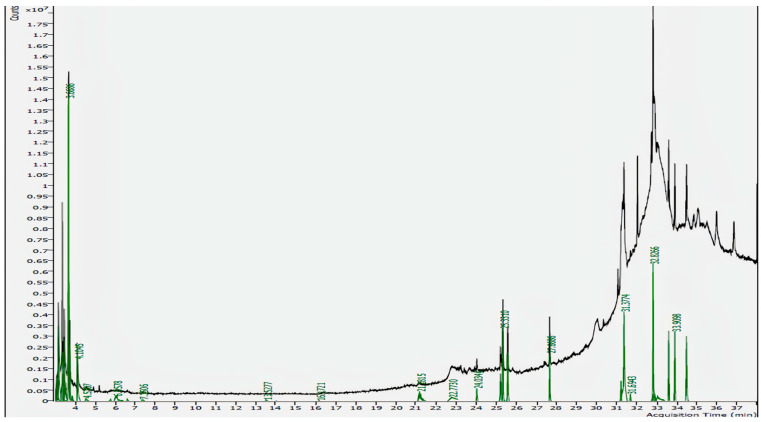 Figure 1
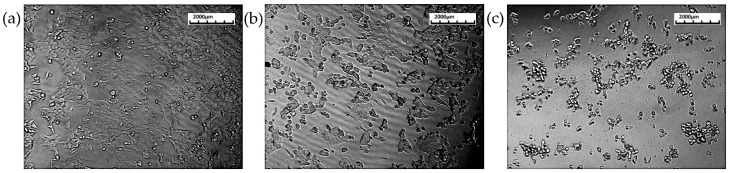 Figure 2
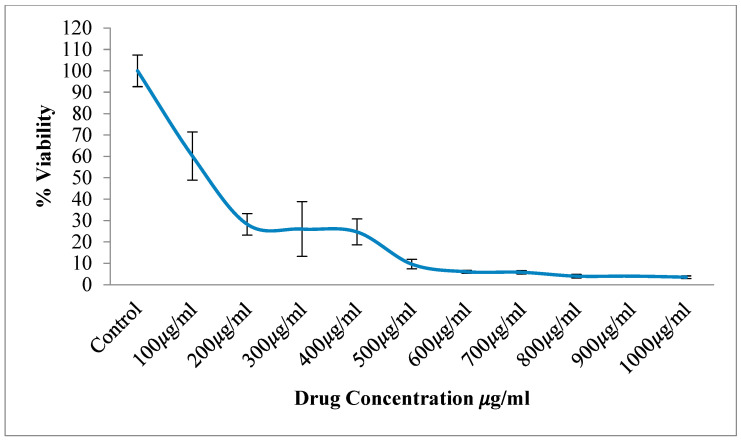 Figure 3
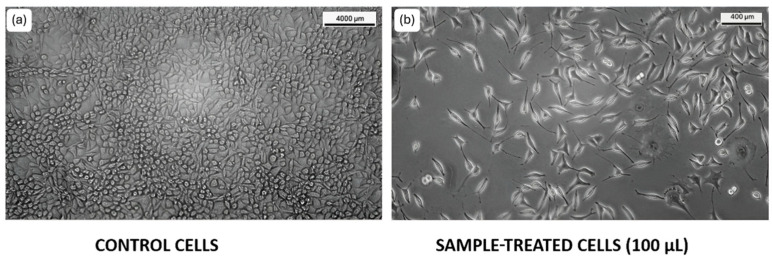 Figure 4
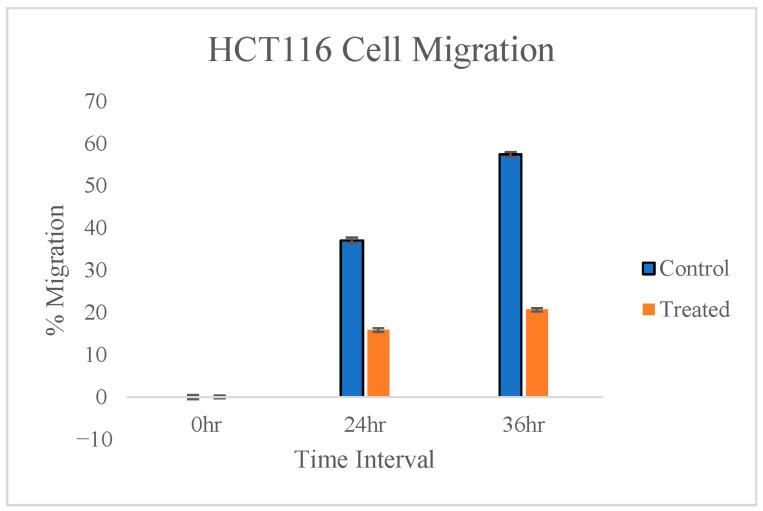 Figure 5
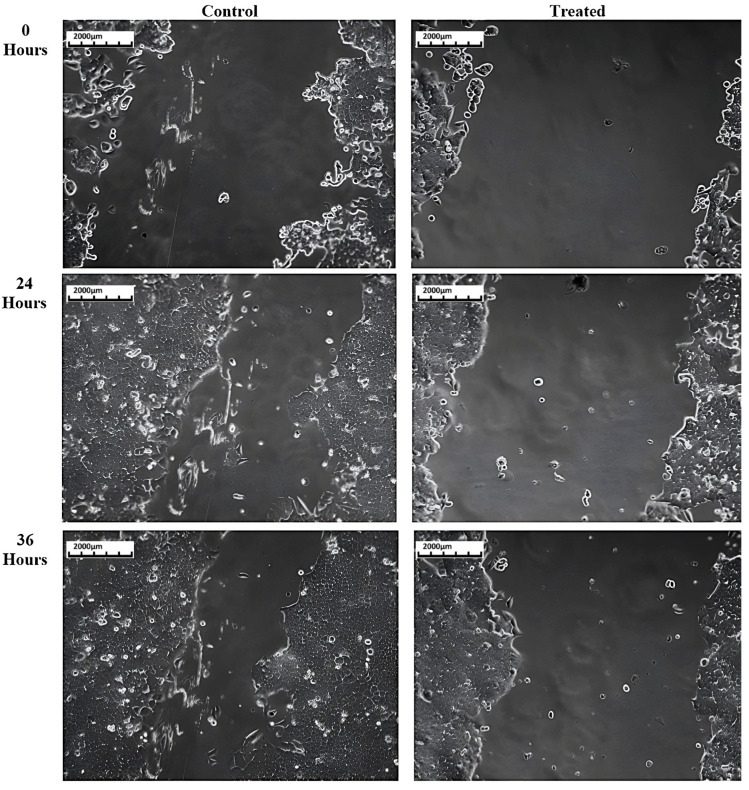 Figure 6
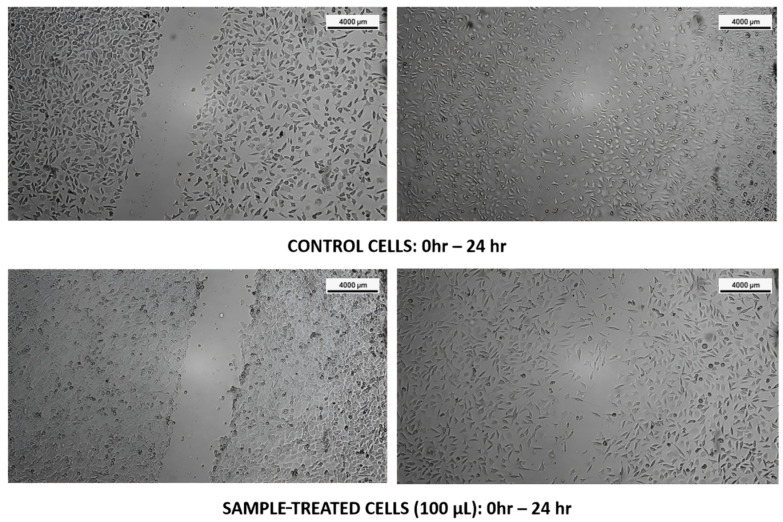 Figure 7
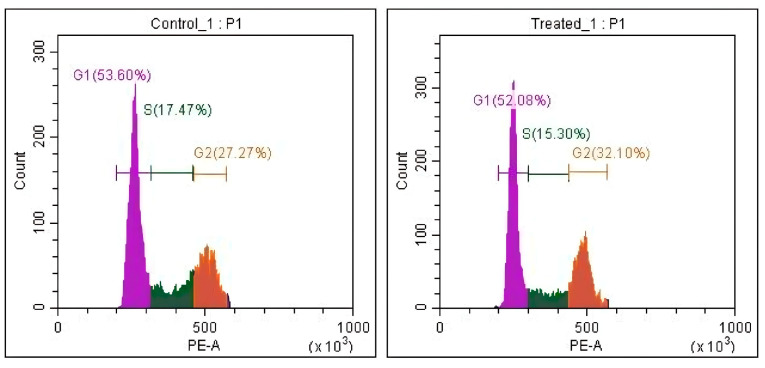 Figure 8
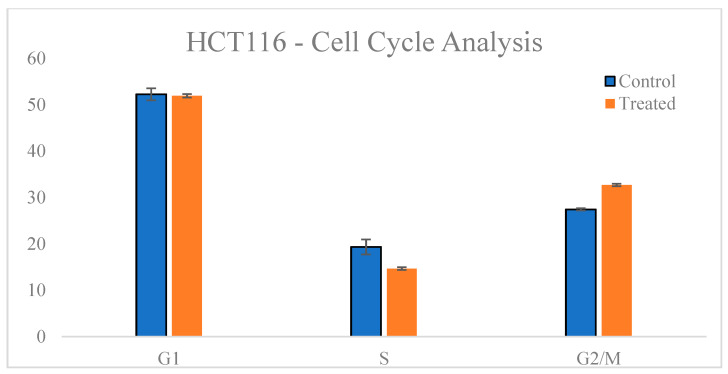 Figure 9
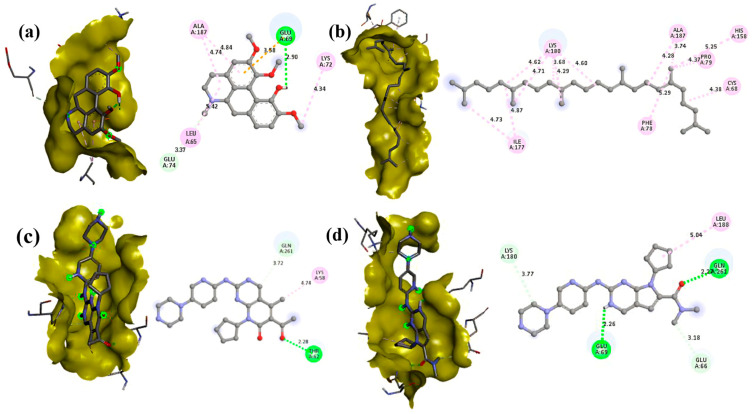 Figure 10
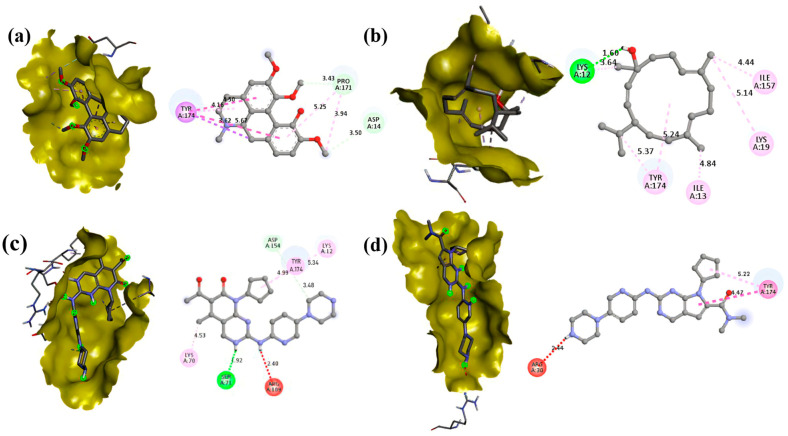 Figure 11
Peer Reviews
No public reviews on file for this paper yet. If you reviewed it on a platform where reviews are public (OpenReview, ICLR, NeurIPS, ICML), you can paste yours below so the community can read it here.
Videos
No videos yet. Explain this paper in a talk, walkthrough, or lecture? Add one.
Taxonomy
TopicsAdvanced Breast Cancer Therapies · Cancer-related Molecular Pathways · Cancer Treatment and Pharmacology