Enhanced Visualization of Erythrocytes Through Photoluminescence Using NaYbF4:Yb3+,Er3+ Nanoparticles
Vivian Torres-Vera, Lorena M. Coronado, Ana Patricia Valencia, Alejandro Von Chong, Esteban Rua, Michelle Ng, Jorge Rubio-Retama, Carmenza Spadafora, Ricardo Correa

TL;DR
Researchers developed a method to visualize red blood cells using glowing nanoparticles, which could improve bioimaging techniques.
Contribution
A validated protocol for using upconversion nanoparticles to image erythrocytes with minimal toxicity and automated analysis.
Findings
Hexagonal-phase UCNPs with PAA coating localized at erythrocyte membranes without internalization.
Optimal imaging conditions achieved with 0.01 mg/mL UCNPs and 250–300 mA laser current.
A Random Forest model classified photoluminescent signals with 80% accuracy and 83% precision.
Abstract
Rare-earth nanoparticles (RE-NPs), particularly NaYF4:Yb3+,Er3+, have emerged as a promising class of photoluminescent probes for bioimaging and sensing applications. These nanomaterials are characterized by their ability to absorb low-energy photons and emit higher-energy photons through an upconversion luminescence process. This process can be triggered by continuous-wave (CW) light excitation, providing a unique optical feature that is not exhibited by native biomolecules. However, the application of upconversion nanoparticles (UCNPs) in bioimaging requires systematic optimization to maximize the signal and ensure biological compatibility. In this work, we synthesized hexagonal-phase UCNPs (average diameter: 29 ± 3 nm) coated with polyacrylic acid (PAA) and established the optimal conditions for imaging human erythrocytes. The best results were obtained after a 4-h incubation in 100…
Genes, proteins, chemicals, diseases, species, mutations and cell lines named across the full text — each resolved to its canonical identifier and authoritative record.
Click any figure to enlarge with its caption.
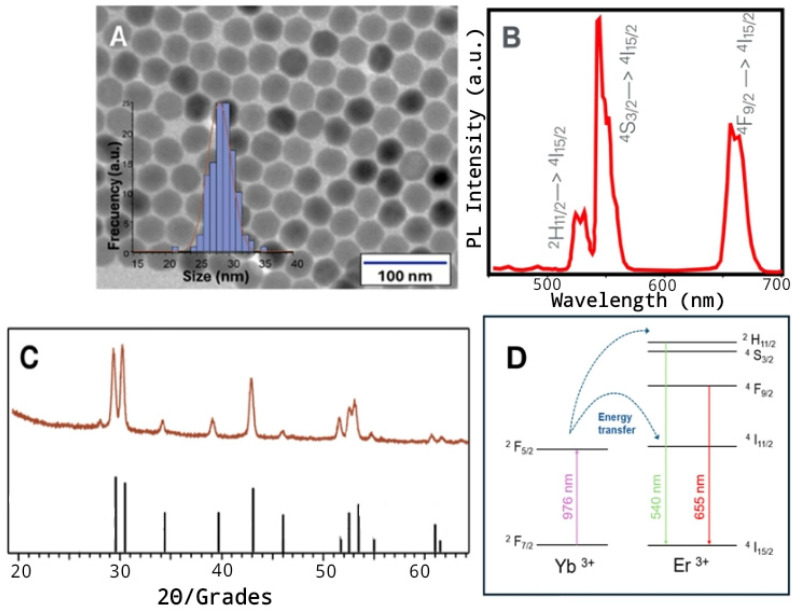 Figure 1
 Figure 2
 Figure 3
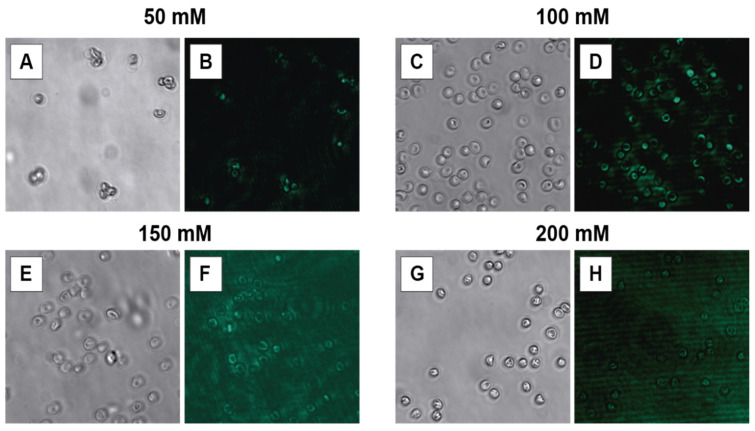 Figure 4
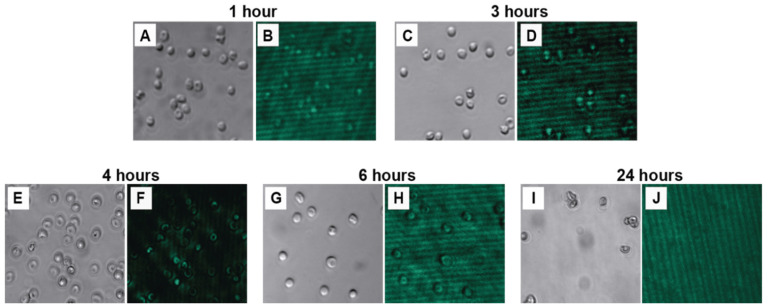 Figure 5
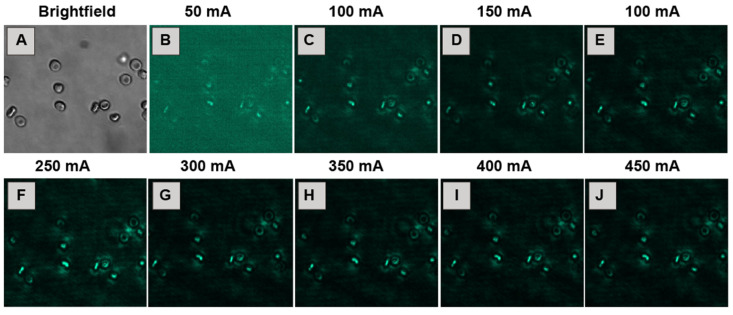 Figure 6
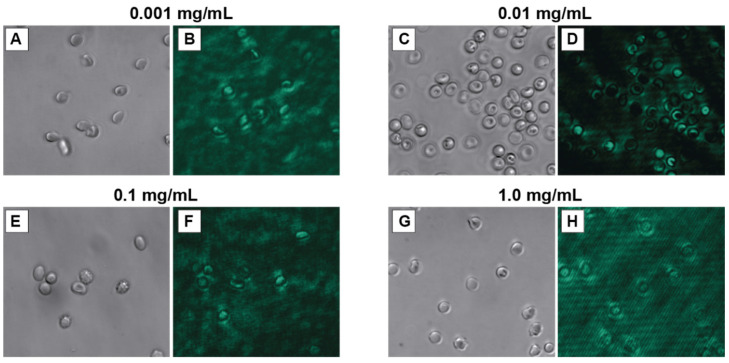 Figure 7
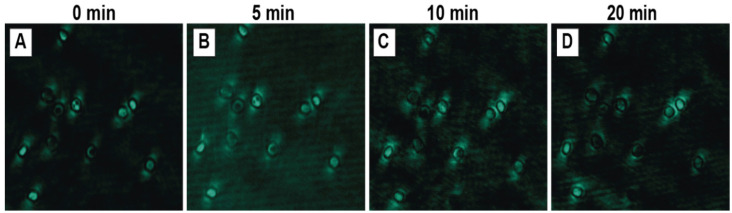 Figure 8
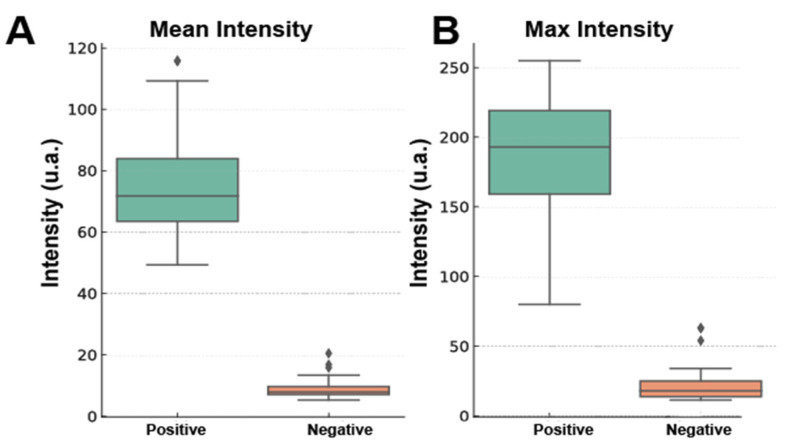 Figure 9
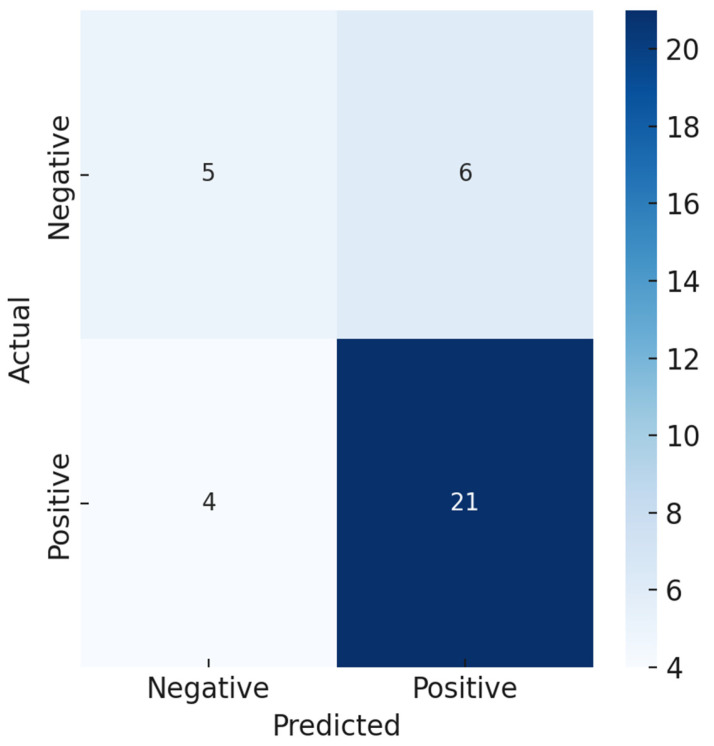 Figure 10
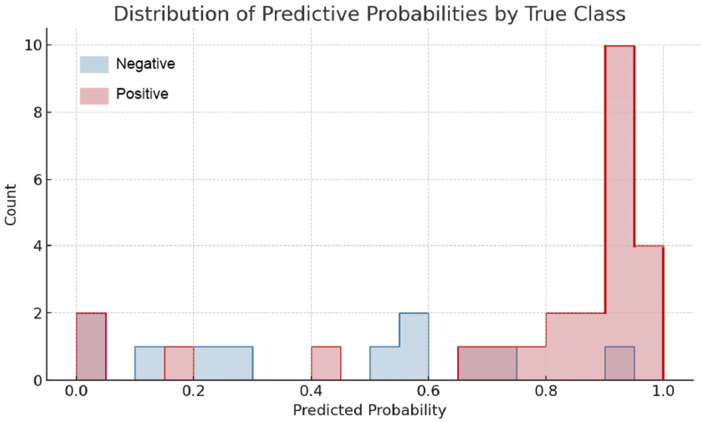 Figure 11
Peer Reviews
No public reviews on file for this paper yet. If you reviewed it on a platform where reviews are public (OpenReview, ICLR, NeurIPS, ICML), you can paste yours below so the community can read it here.
Videos
No videos yet. Explain this paper in a talk, walkthrough, or lecture? Add one.
Taxonomy
TopicsLuminescence Properties of Advanced Materials · Nanoplatforms for cancer theranostics · Luminescence and Fluorescent Materials