Ten-Second Cold Water Stress Test Differentiates Parkinson’s Disease from Multiple System Atrophy: A Cross-Sectional Pilot Study
Makoto Takahashi, Wataru Hagiwara, Sakiko Itaya, Keisuke Abe, Tetsuya Maeda, Akira Inaba, Satoshi Orimo

TL;DR
A 10-second cold water test can help distinguish Parkinson’s disease from multiple system atrophy based on how quickly finger temperature recovers.
Contribution
A novel cold water stress test is proposed to differentiate Parkinson’s disease and multiple system atrophy using finger surface temperature recovery.
Findings
Patients with Parkinson’s disease showed significantly slower finger temperature recovery after 10 seconds of cold exposure compared to those with multiple system atrophy.
Finger temperature recovery at 11 minutes was negatively correlated with the severity of resting hand tremor in Parkinson’s disease patients.
The test was completed safely by all participants without adverse events.
Abstract
Background/Objectives: Patients with Parkinson’s disease (PD) often have cold hands and experience frostbite. The diagnostic criteria for multiple system atrophy (MSA) also describe cold and discolored hands; however, in our clinical experience, the hands are relatively warm. These symptoms are thought to be caused by autonomic dysfunction; however, the detailed mechanisms and differences in cold hands between MSA and PD remain unclear. We aimed to identify an appropriate cold stimulation test to differentiate patients with PD and MSA using finger surface temperature (FST). Methods: We included a total of 34 patients, 27 with PD and 7 with MSA diagnosed at least 5 years after disease onset. After 15 min in a room with constant temperature and humidity, the patient’s hand was placed in cold water at 4 °C for 10 s as the cold water stress test (10sec-CWST). FST was captured using a…
Genes, proteins, chemicals, diseases, species, mutations and cell lines named across the full text — each resolved to its canonical identifier and authoritative record.
Click any figure to enlarge with its caption.
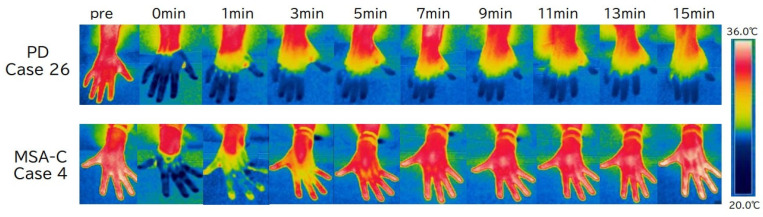 Figure 1
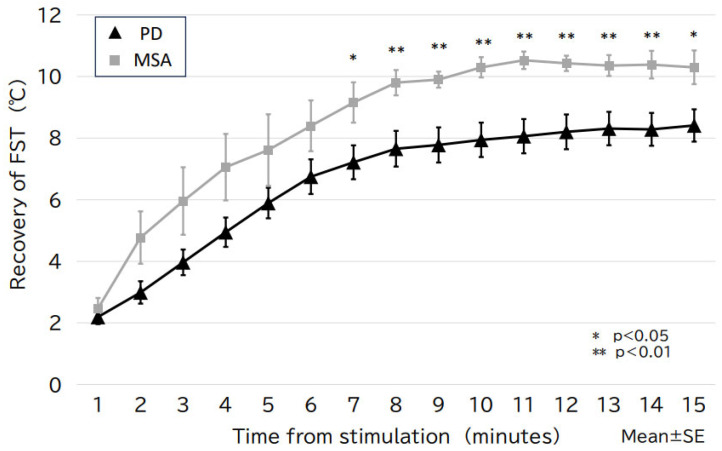 Figure 2
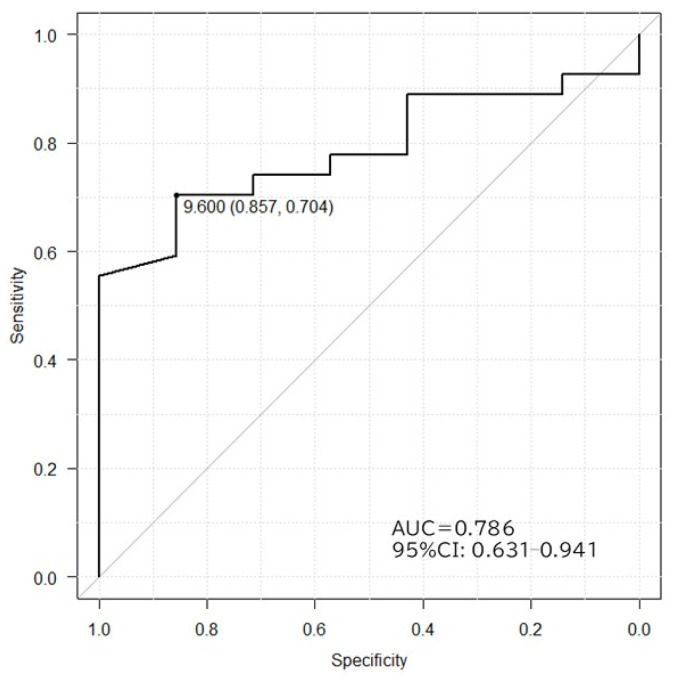 Figure 3
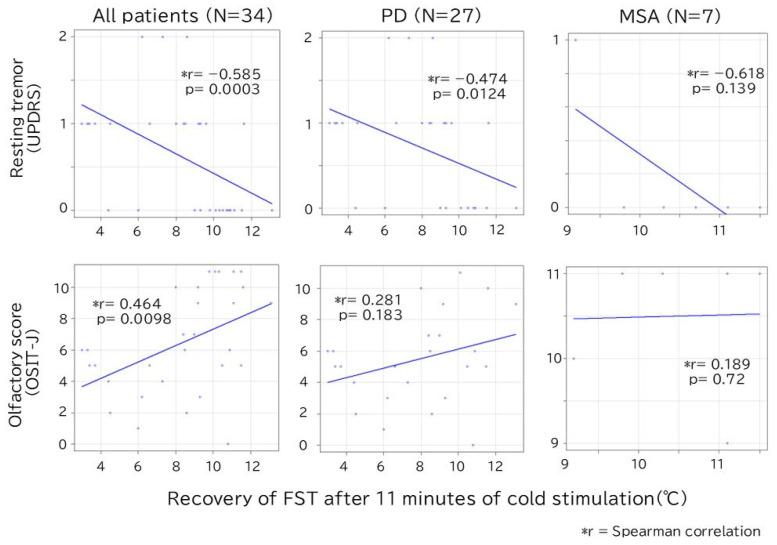 Figure 4
Peer Reviews
No public reviews on file for this paper yet. If you reviewed it on a platform where reviews are public (OpenReview, ICLR, NeurIPS, ICML), you can paste yours below so the community can read it here.
Videos
No videos yet. Explain this paper in a talk, walkthrough, or lecture? Add one.
Taxonomy
TopicsParkinson's Disease Mechanisms and Treatments · Neurological disorders and treatments · Genetic Neurodegenerative Diseases