Creating Blood Analogs to Mimic Steady-State Non-Newtonian Shear-Thinning Characteristics Under Various Thermal Conditions
Hang Yi, Alexander Wang, Christopher Wang, Jared Chong, Chungyiu Ma, Luke Bramlage, Bryan Ludwig, Zifeng Yang

TL;DR
This paper presents two blood analogs that mimic blood's non-Newtonian behavior under different temperatures, useful for hemodynamics studies and medical planning.
Contribution
The study introduces two new blood analog formulas that replicate shear-thinning viscosity with high accuracy across a range of temperatures.
Findings
Both blood analogs replicate real blood viscosity with an average discrepancy of less than 5%.
A strong linear correlation exists between body temperature and xanthan gum concentration in both analogs.
The analogs work effectively in a temperature range of 295–315 K and shear rates of 1–250 s−1.
Abstract
Blood analogs are widely employed in in vitro experiments such as particle image velocity (PIV) to secure hemodynamics, assisting pathophysiological diagnoses of neurovascular and cardiovascular diseases, as well as pre-surgical planning and intraoperative orientation. To obtain accurate physical parameters, which are critical for diagnosis and treatment, blood analogs should exhibit realistic non-Newtonian shear-thinning features. In this study, two types of blood analogs working under room temperature (293.15 K) were created to mimic the steady-state shear-thinning features of blood over a temperature range of 295 to 312 K and a shear range of 1~250 s−1 at a hematocrit of ~40%. Type I was a general-purpose analog composed of deionized (DI) water and xanthan gum (XG) powder, while Type II was specially designed for PIV tests, incorporating DI water, XG, and fluorescent microspheres. By…
Genes, proteins, chemicals, diseases, species, mutations and cell lines named across the full text — each resolved to its canonical identifier and authoritative record.
Click any figure to enlarge with its caption.
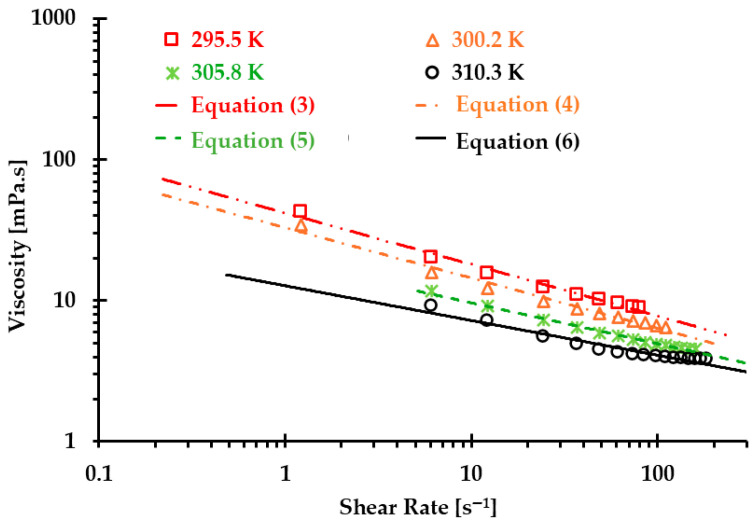 Figure 1
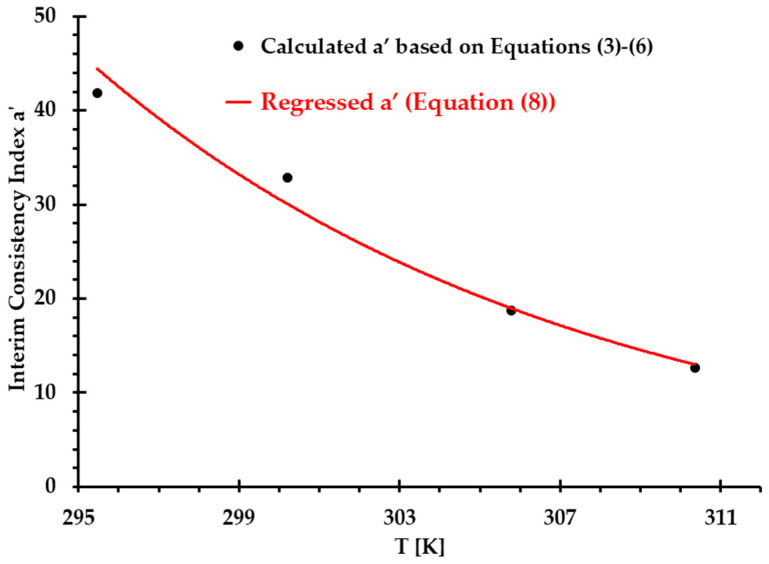 Figure 2
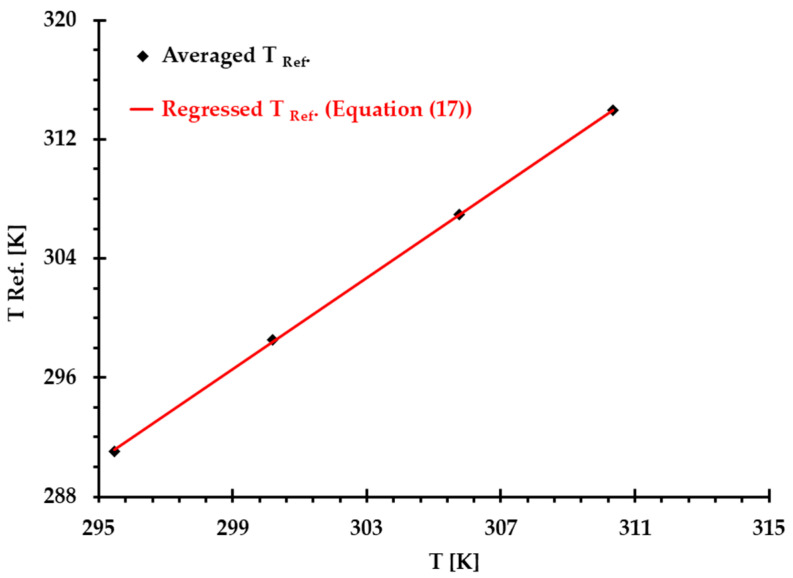 Figure 3
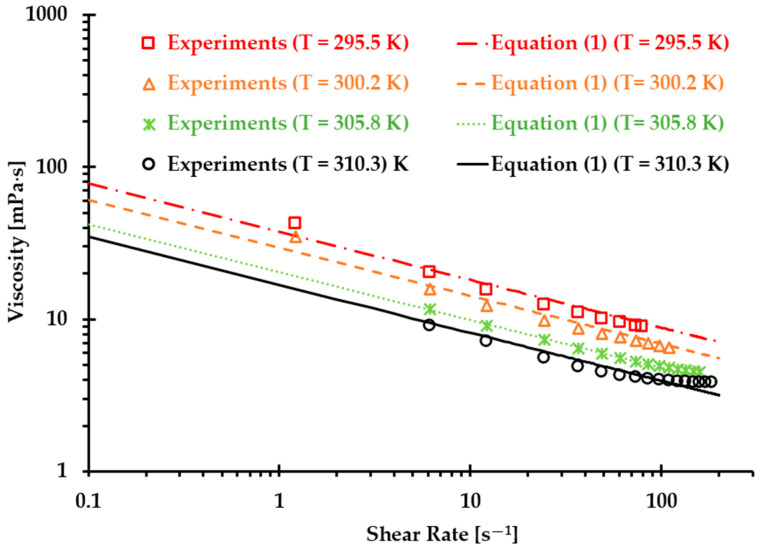 Figure 4
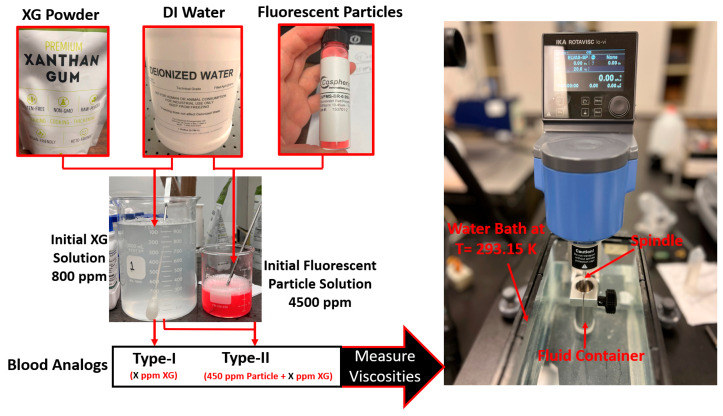 Figure 5
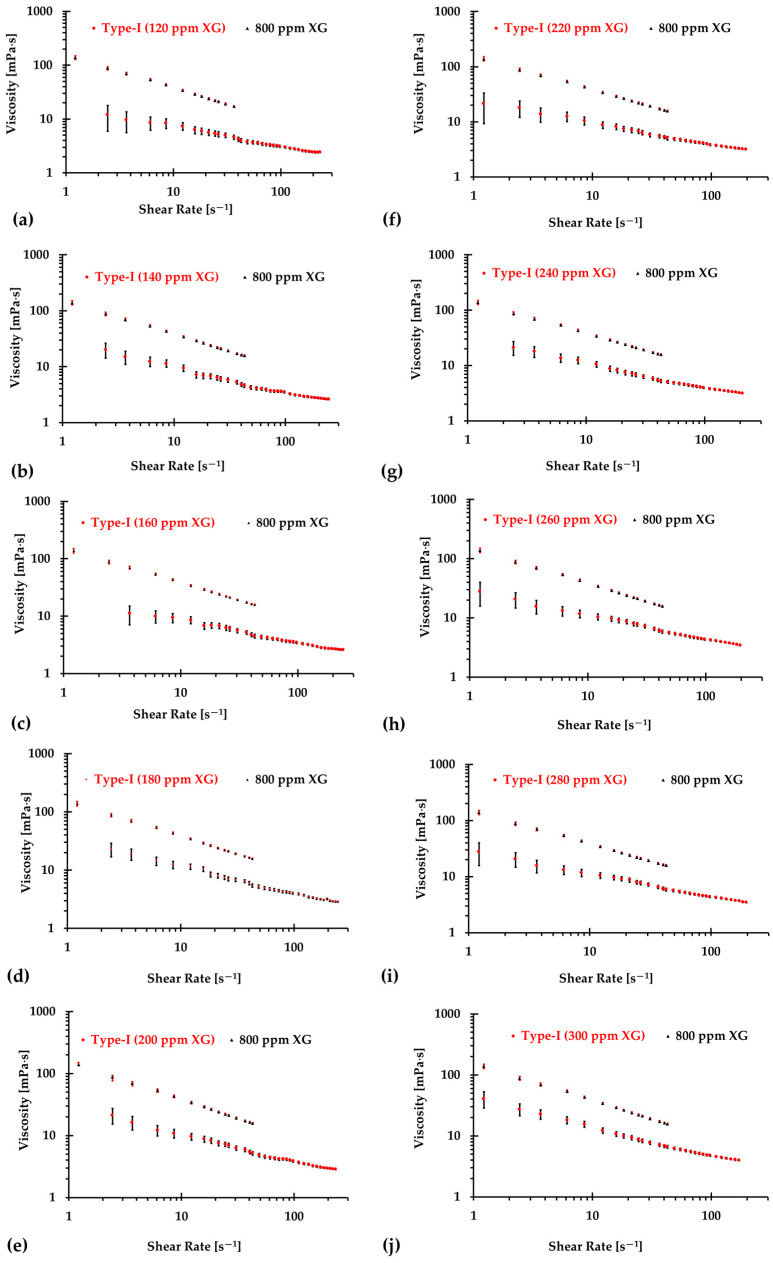 Figure 6
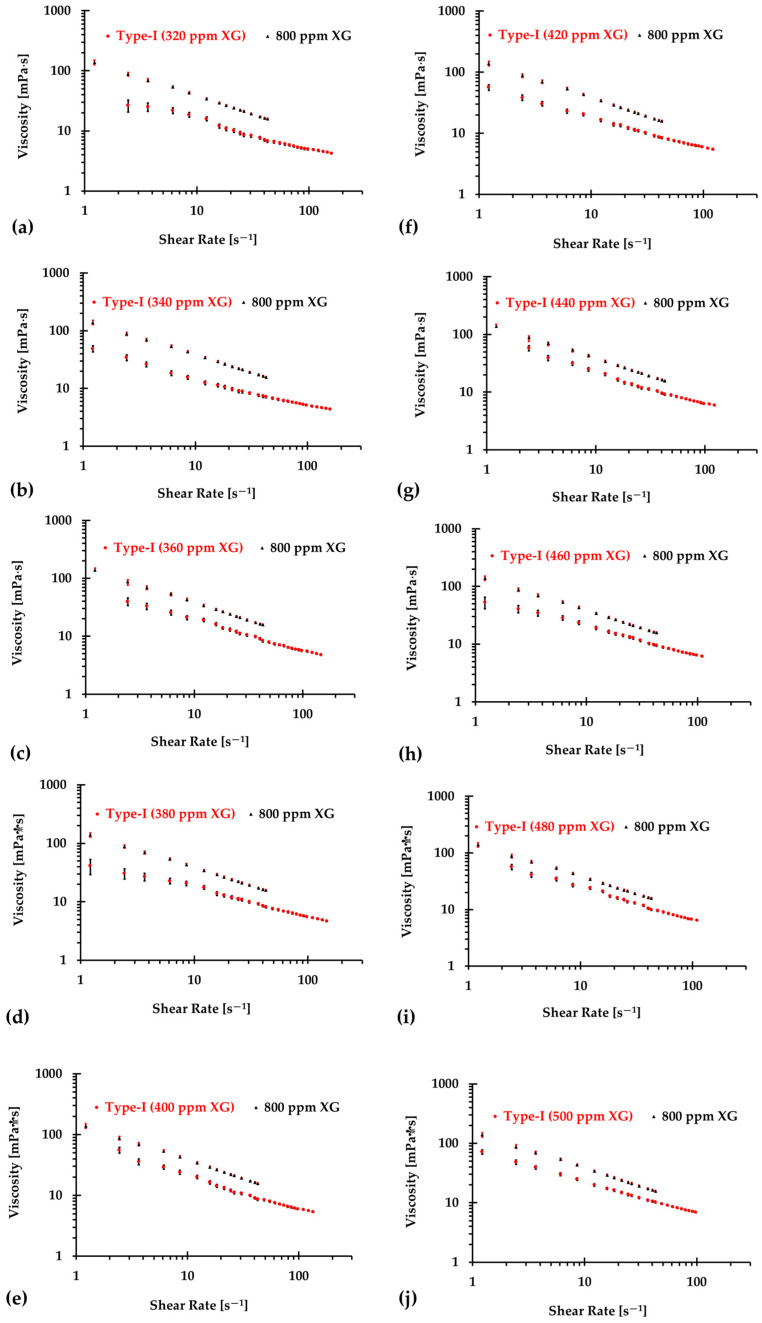 Figure 7
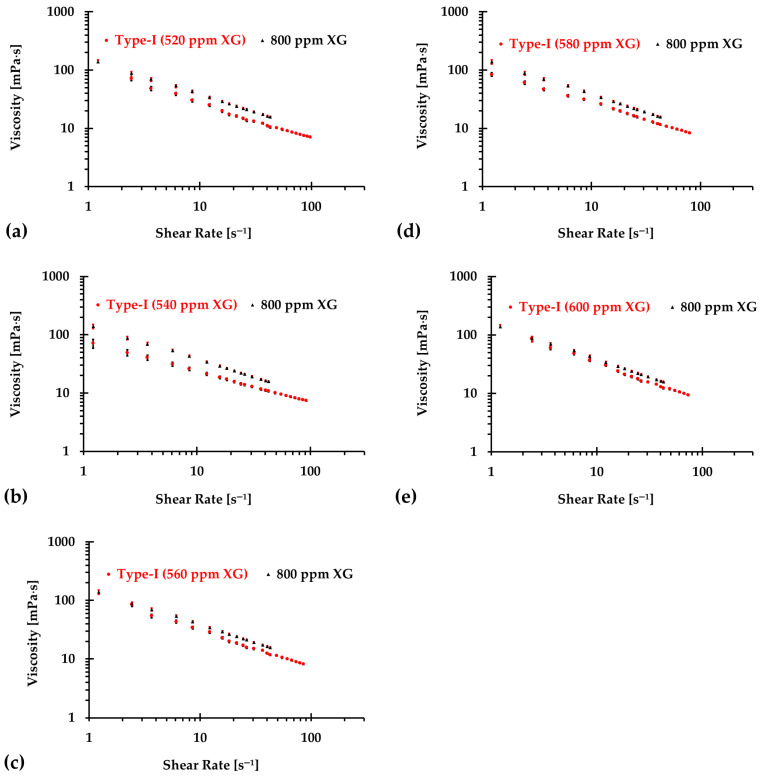 Figure 8
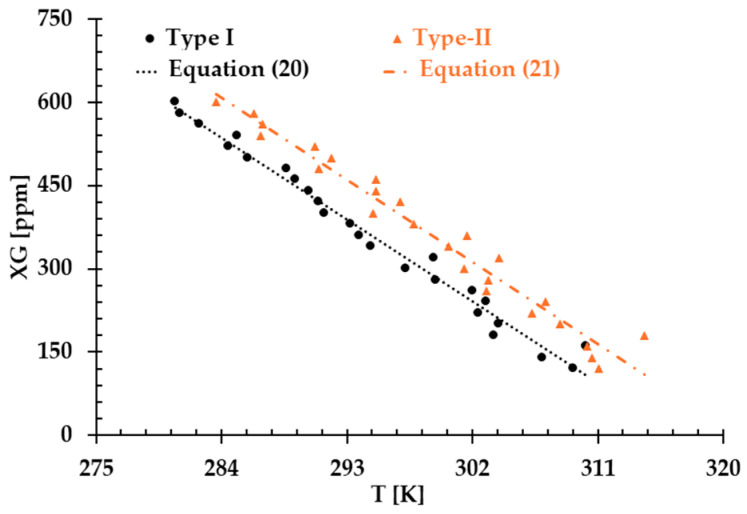 Figure 9
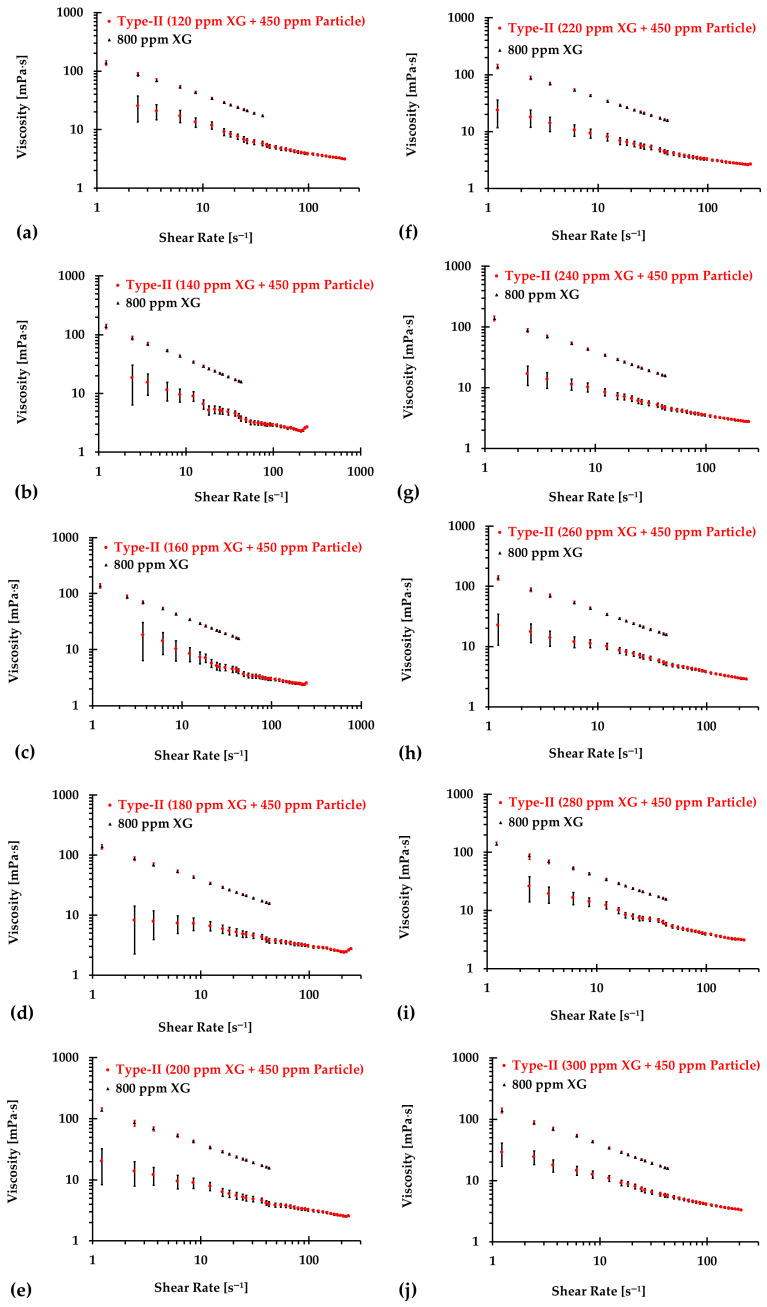 Figure 10
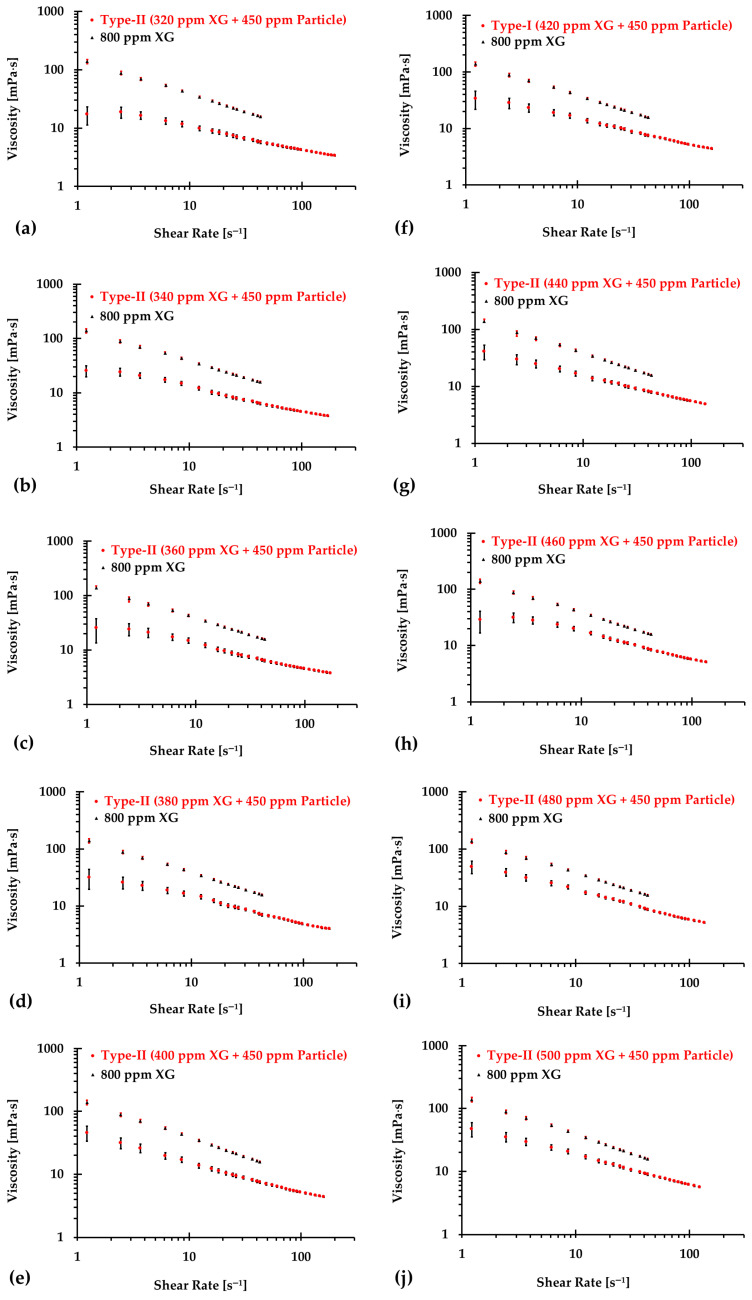 Figure 11
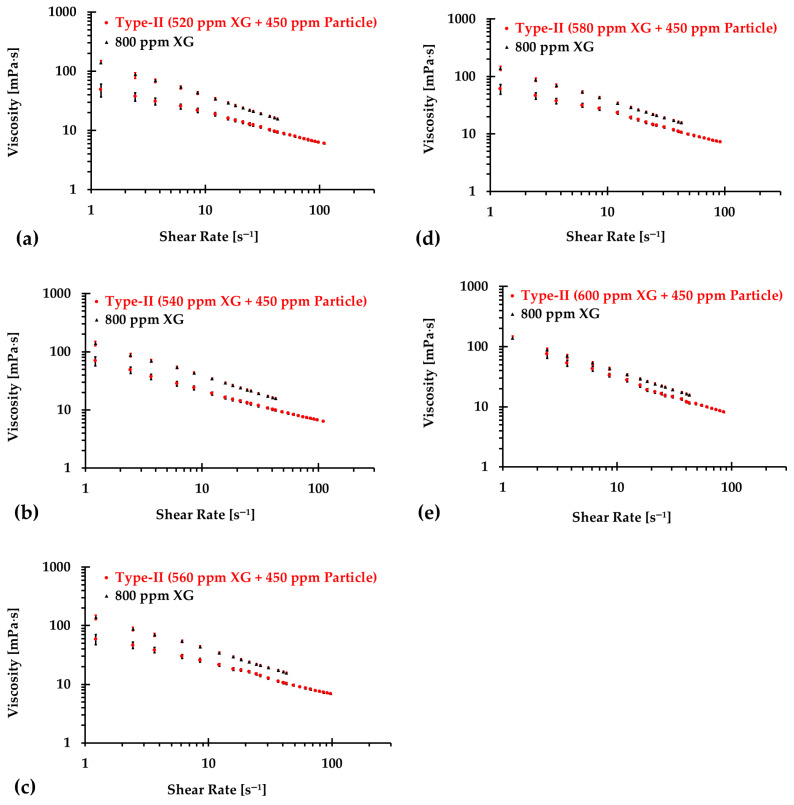 Figure 12
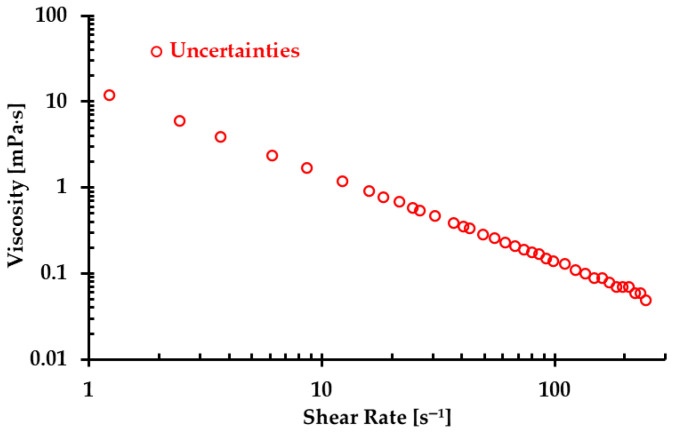 Figure 13
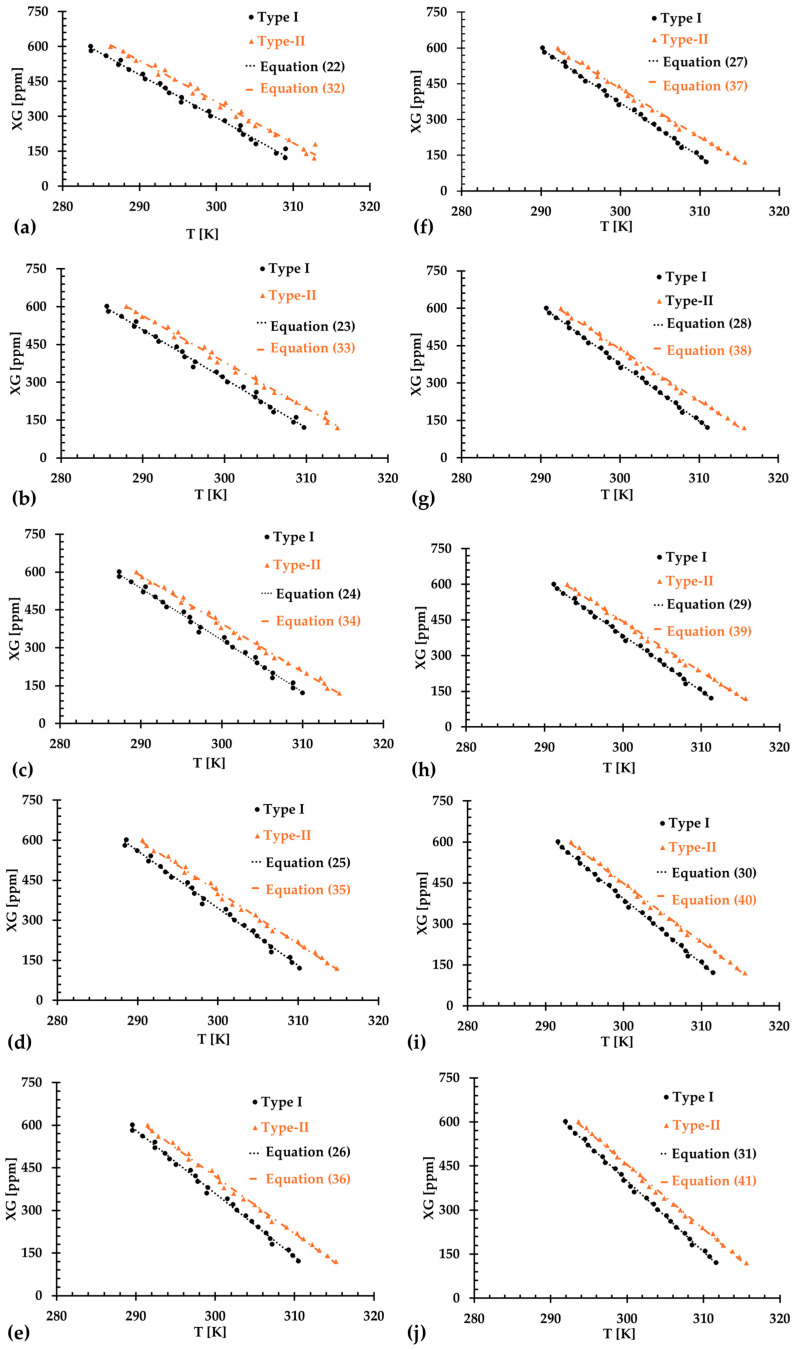 Figure 14
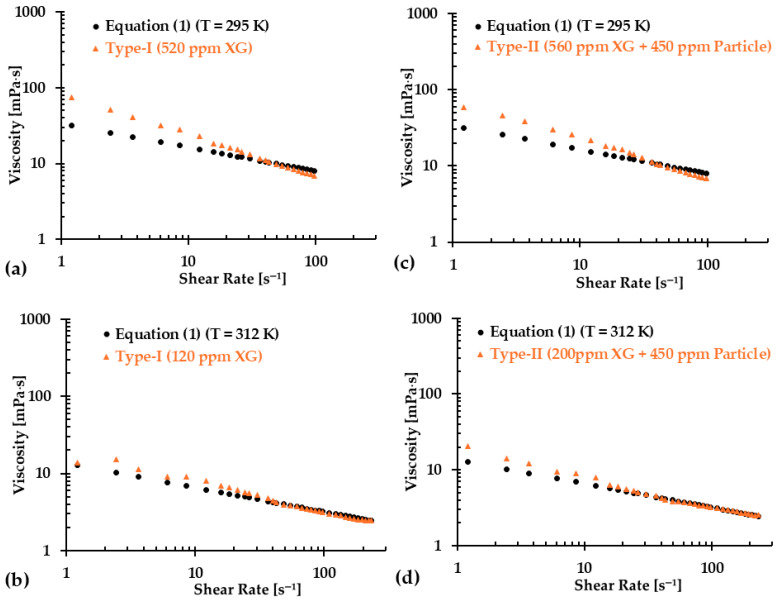 Figure 15
Peer Reviews
No public reviews on file for this paper yet. If you reviewed it on a platform where reviews are public (OpenReview, ICLR, NeurIPS, ICML), you can paste yours below so the community can read it here.
Videos
No videos yet. Explain this paper in a talk, walkthrough, or lecture? Add one.
Taxonomy
TopicsBlood properties and coagulation · Fluid Dynamics and Turbulent Flows · Thermoregulation and physiological responses