In Silico Discovery of a Novel Potential Allosteric PI3Kα Inhibitor Incorporating 3-(2-Chloro-5-fluorophenyl)isoindolin-1-one to Target Head and Neck Squamous Cell Carcinoma
Wenqing Jia, Xianchao Cheng

TL;DR
This study discovers a new potential drug, H-18, that could target a specific protein involved in head and neck cancer with fewer side effects than existing treatments.
Contribution
The paper introduces H-18, a novel allosteric PI3Kα inhibitor with high selectivity and improved safety for treating HNSCC.
Findings
H-18 showed a higher docking score with PI3Kα than RLY-2608, indicating stronger binding.
H-18 selectively interacts with key amino acids at the allosteric site of PI3Kα.
H-18 demonstrated good safety and pharmacokinetic properties suitable for drug development.
Abstract
PIK3CA mutations lead to abnormal activation of phosphatidylinositol 3-kinase alpha (PI3Kα), promoting the development of head and neck squamous cell carcinoma (HNSCC). Compared with traditional ATP-competitive PI3Kα inhibitors, such as Alpelisib, the allosteric inhibitor RLY-2608 has strong selectivity for mutant PI3Kα and does not cause the side effect of hyperglycemia (the main reason for the limited clinical application of ATP-competitive PI3Kα inhibitors). The development of novel allosteric PI3Kα inhibitors can significantly benefit patients with PIK3CA mutations. We used the scaffold hopping method to modify the structure of RLY-2608 to discover novel PI3Kα inhibitors with diverse structures and high selectivity. The results showed that the docking score between H-18 (35.9705 kcal/mol) and PI3Kα was higher than that between RLY-2608 (21.4709 kcal/mol) and PI3Kα, and that H-18…
Genes, proteins, chemicals, diseases, species, mutations and cell lines named across the full text — each resolved to its canonical identifier and authoritative record.
Click any figure to enlarge with its caption.
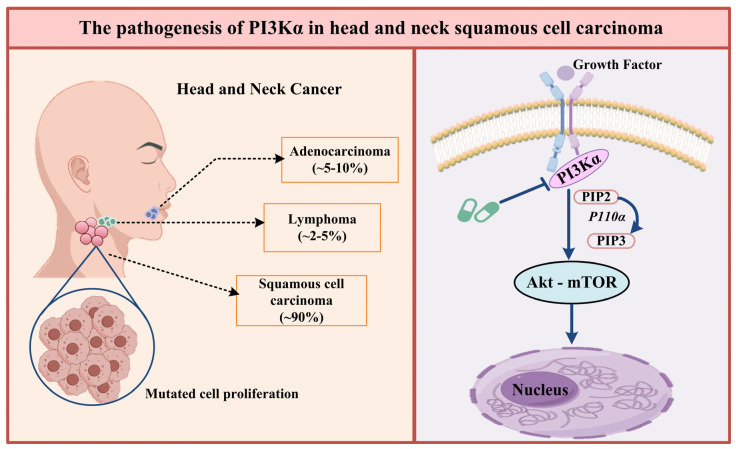 Figure 1
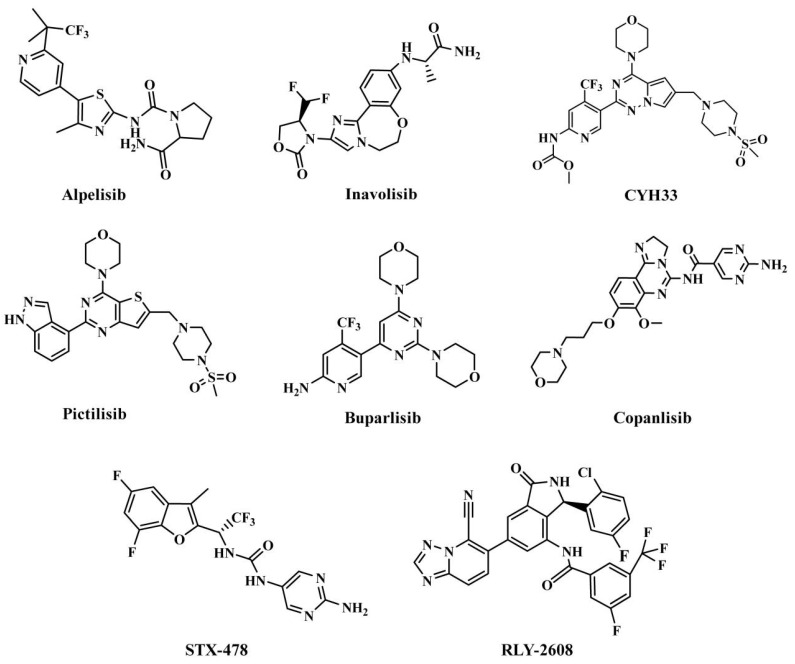 Figure 2
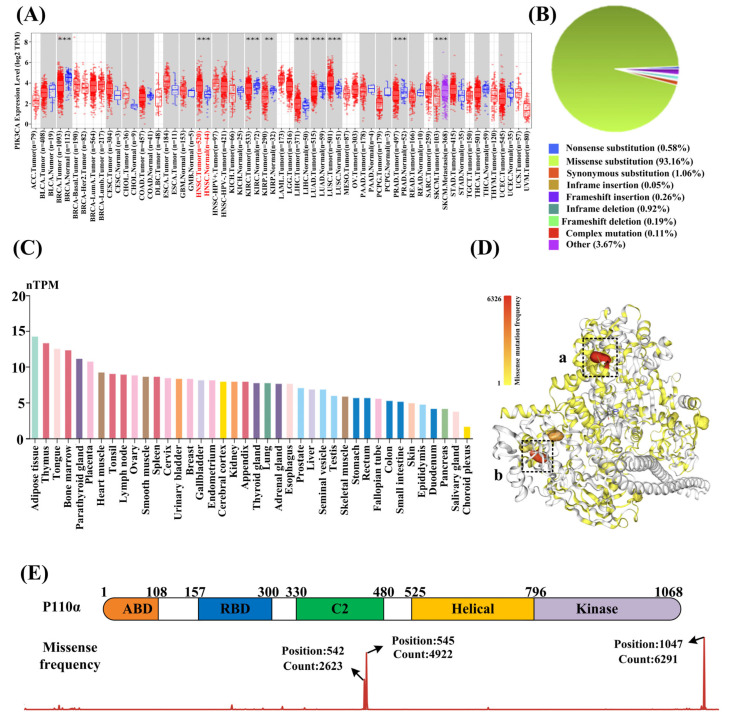 Figure 3
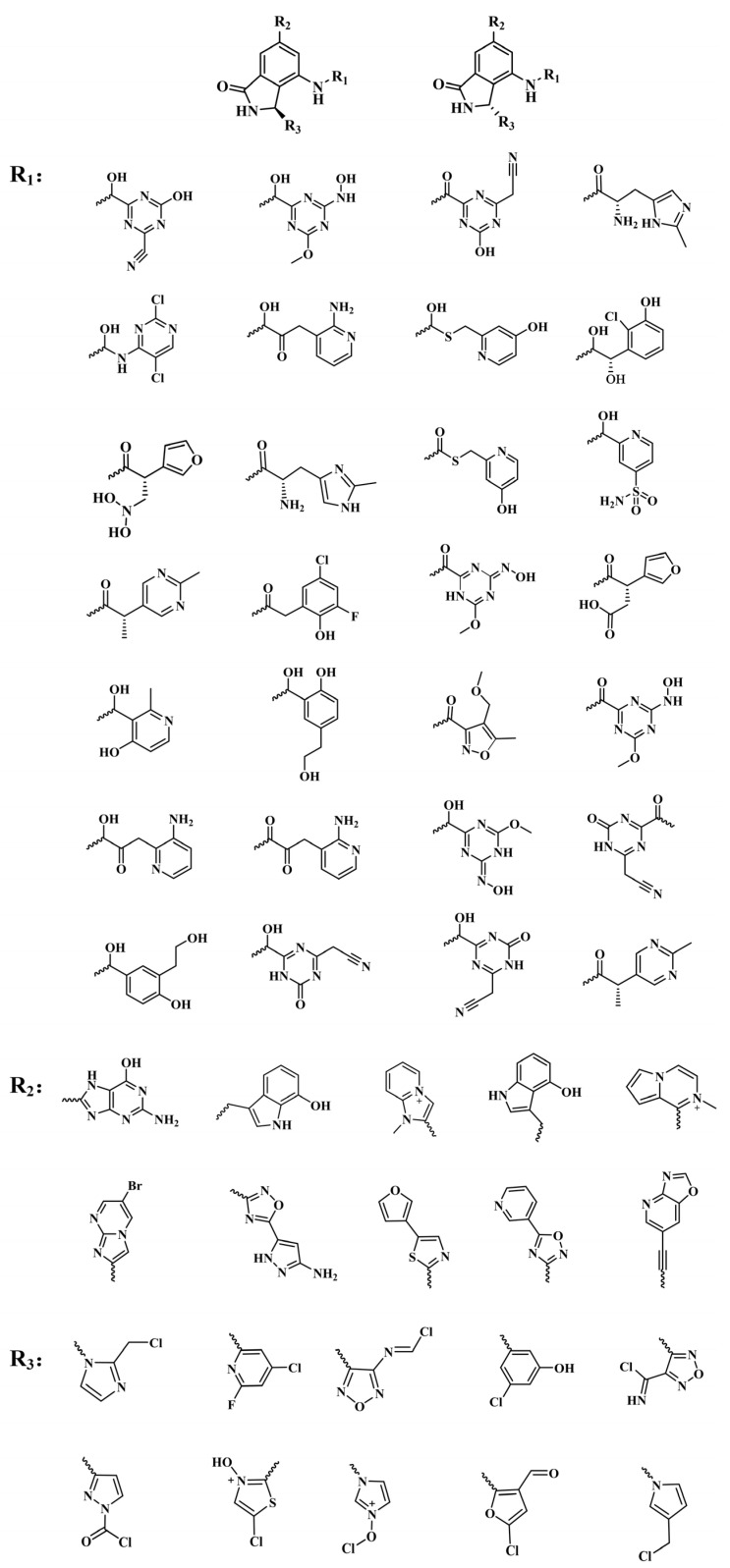 Figure 4
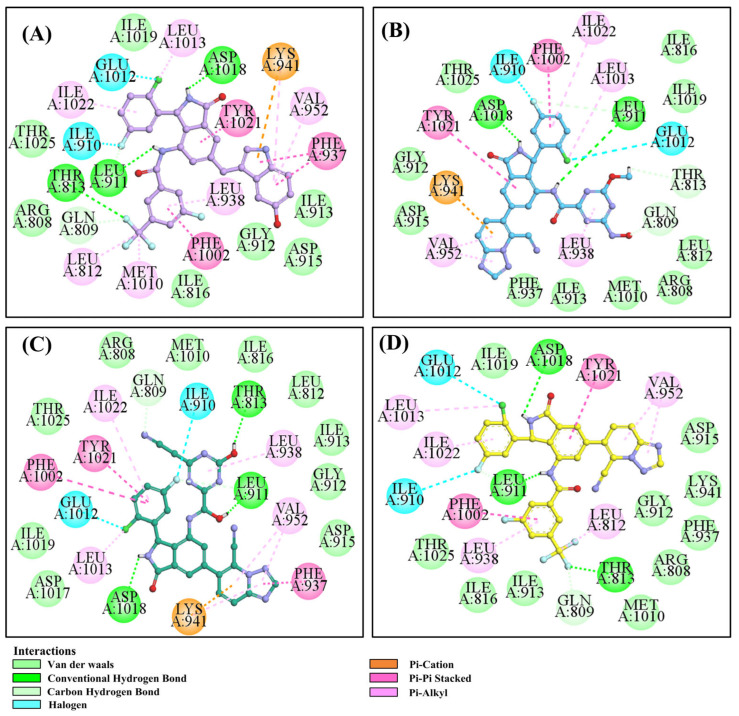 Figure 5
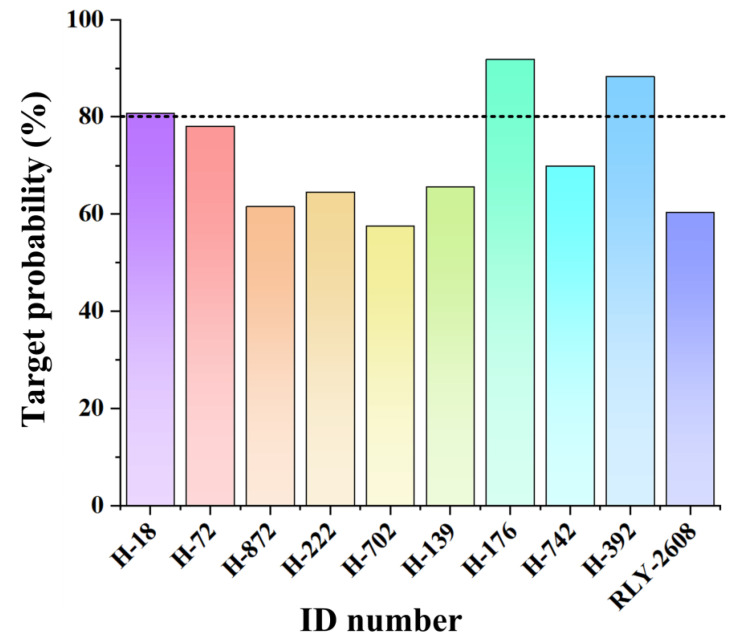 Figure 6
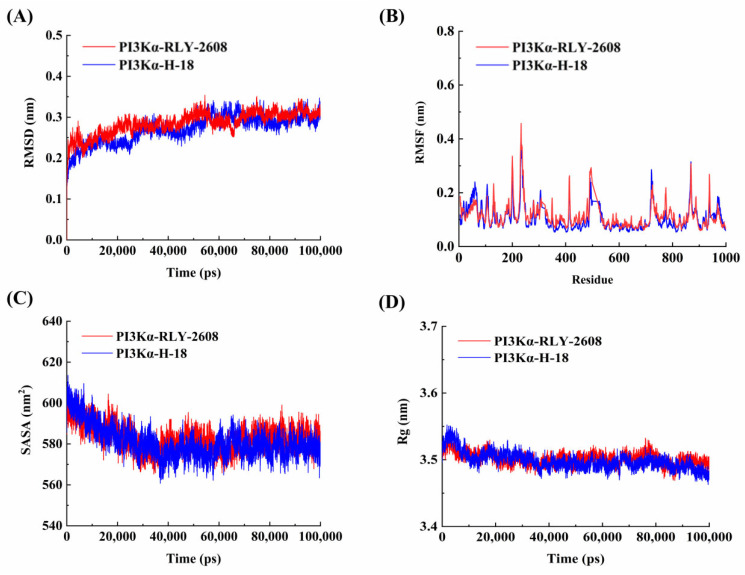 Figure 7
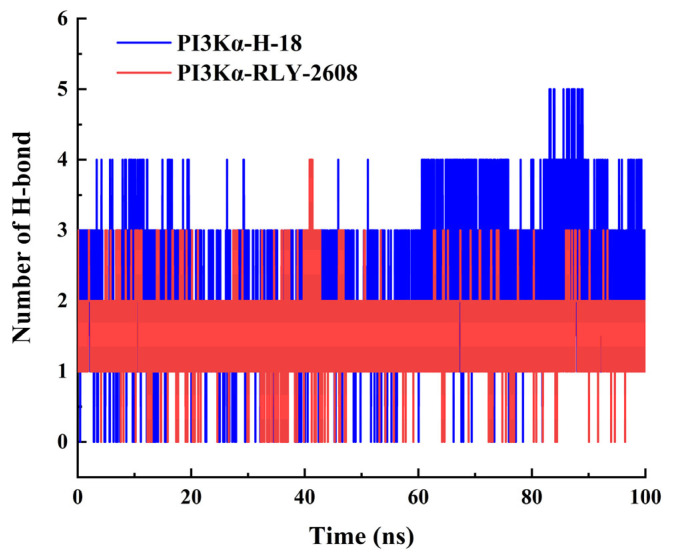 Figure 8
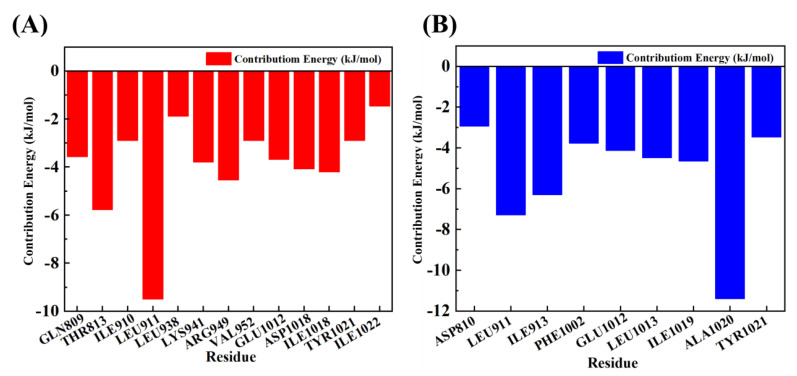 Figure 9
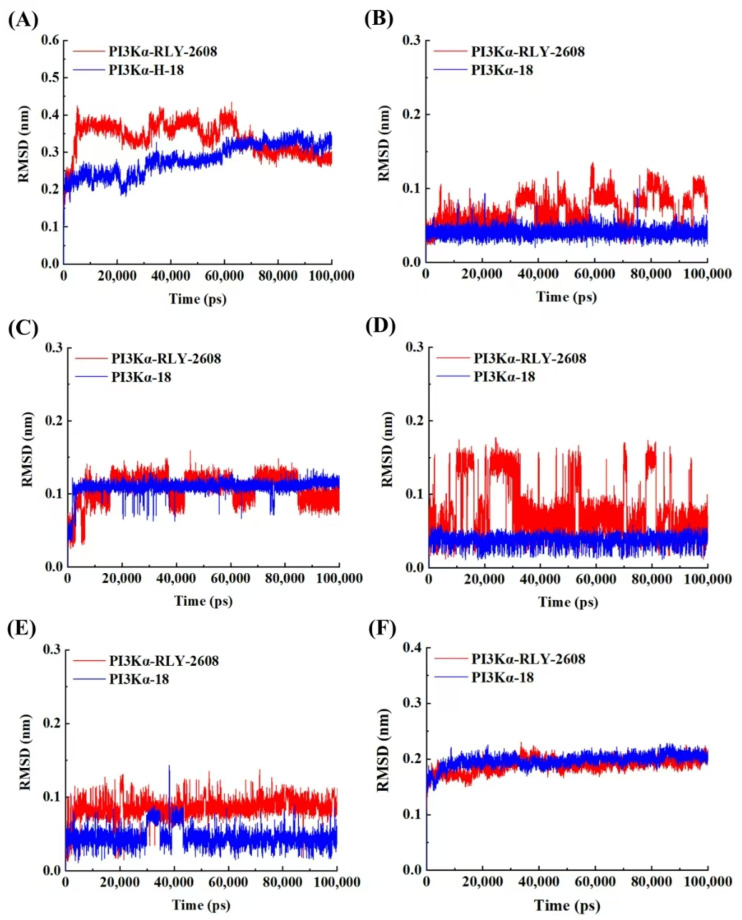 Figure 10
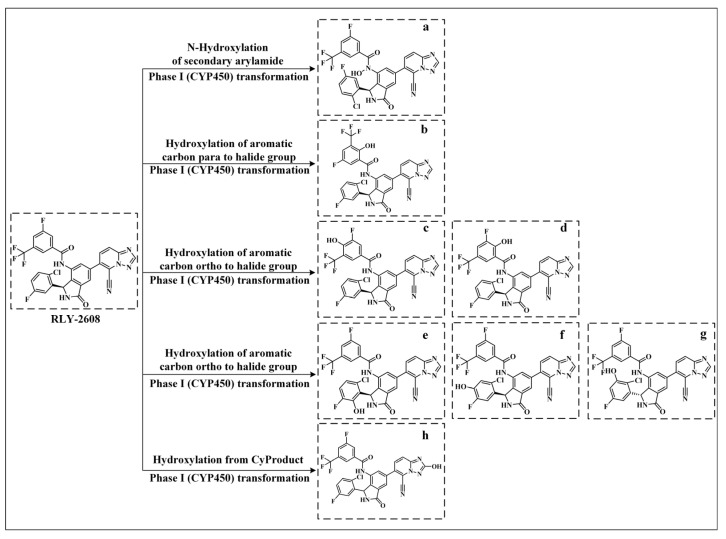 Figure 11
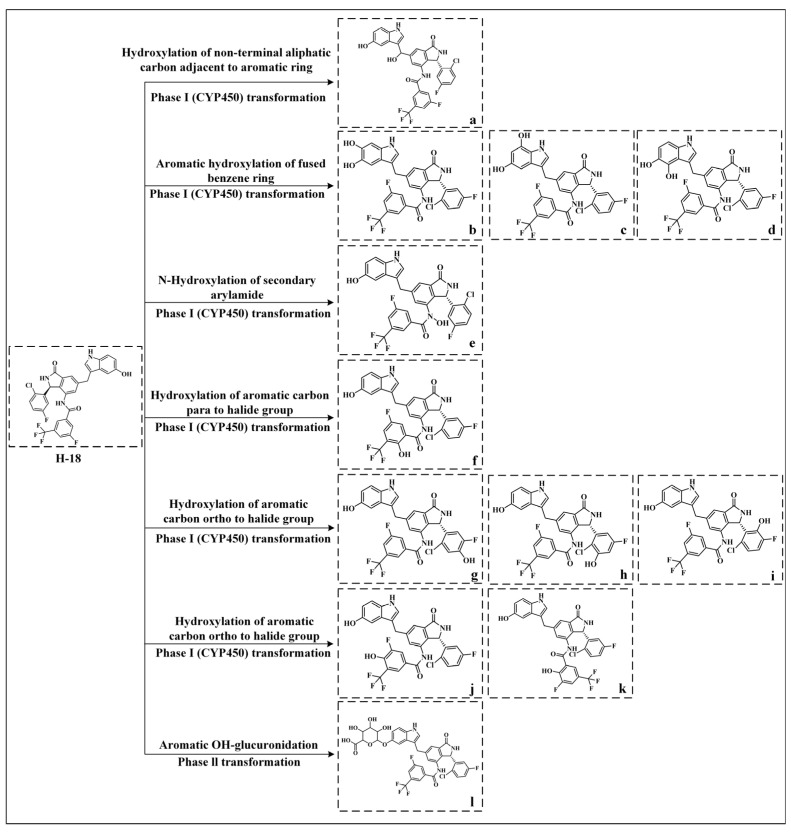 Figure 12
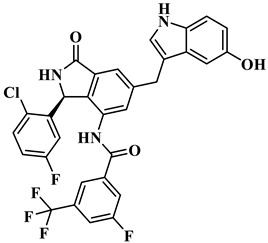 Figure 13
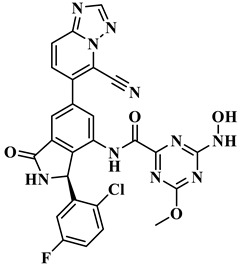 Figure 14
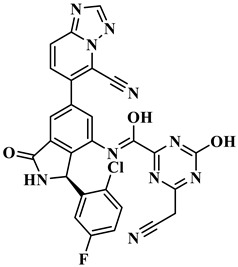 Figure 15
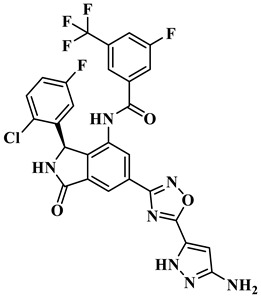 Figure 16
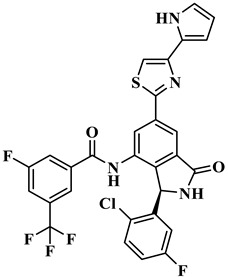 Figure 17
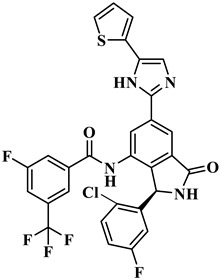 Figure 18
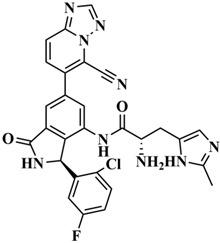 Figure 19
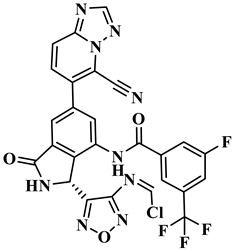 Figure 20
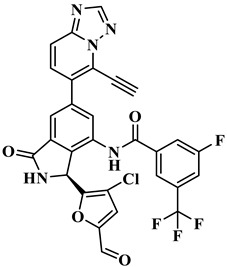 Figure 21
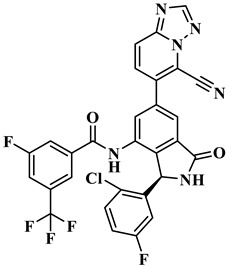 Figure 22
Peer Reviews
No public reviews on file for this paper yet. If you reviewed it on a platform where reviews are public (OpenReview, ICLR, NeurIPS, ICML), you can paste yours below so the community can read it here.
Videos
No videos yet. Explain this paper in a talk, walkthrough, or lecture? Add one.
Taxonomy
TopicsPI3K/AKT/mTOR signaling in cancer · Protein Degradation and Inhibitors · Chronic Lymphocytic Leukemia Research