Improvement of Blood Flow and Epidermal Temperature in Cold Feet Using Far-Infrared Rays Emitted from Loess Balls Manufactured by Low-Temperature Wet Drying Method: A Randomized Trial
Yong Il Shin, Min Seok Kim, Yeong Ae Yang, Yun Jeong Lee, Gye Rok Jeon, Jae Ho Kim, Yeon Jin Choi, Woo Cheol Choi, Jae Hyung Kim

TL;DR
A study found that using loess bio-ball mats, which emit far-infrared rays, significantly improves blood flow and warms the feet more effectively than other heating methods.
Contribution
The study introduces loess bio-ball mats as a novel, non-invasive method for improving peripheral blood flow and epidermal temperature in cold feet.
Findings
Loess bio-ball mats increased blood flow in the big toes by over 32 mL/min/100 g compared to baseline.
Epidermal temperature also increased significantly in the group using loess bio-ball mats.
The loess bio-ball mats outperformed both electric and carbon-based heating mats in enhancing blood flow and temperature.
Abstract
Background: Cold feet syndrome is characterized by hypersensitivity of sympathetic nerves to cold stimuli, resulting in vasoconstriction and reduced peripheral blood flow. This condition causes an intense cold sensation, particularly in the extremities. Although hormonal changes (e.g., during childbirth or menopause) and psychological stress have been implicated, the mechanisms and effective treatments remain unclear. Methods: Ninety adult volunteers were randomized into three groups based on the type of heating mat applied to the feet, with surface temperatures gradually increased from 20 °C to 50 °C. Group A (control) used non-FIR electric mats, Group B used carbon FIR mats, and Group C used loess bio-ball FIR mats. Blood flow (mL/min/100 g) and epidermal temperature (°C) in the left big toe (LBT) and right big toe (RBT) were measured before and after heating or FIR exposure using…
Genes, proteins, chemicals, diseases, species, mutations and cell lines named across the full text — each resolved to its canonical identifier and authoritative record.
Click any figure to enlarge with its caption.
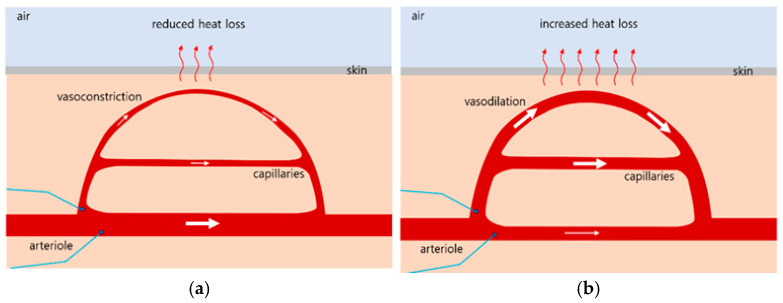 Figure 1
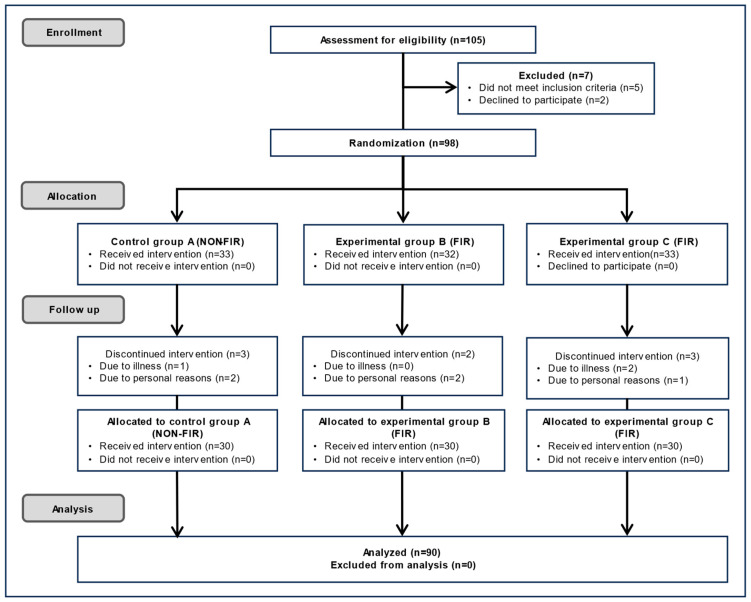 Figure 2
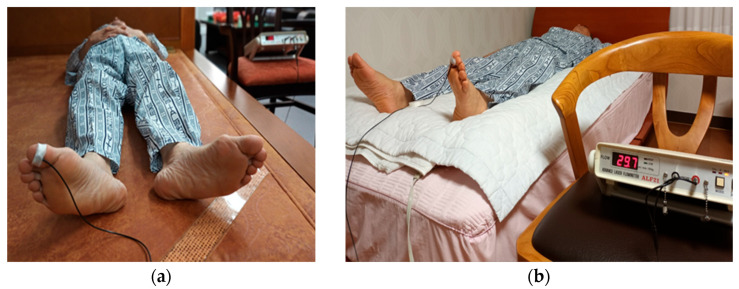 Figure 3
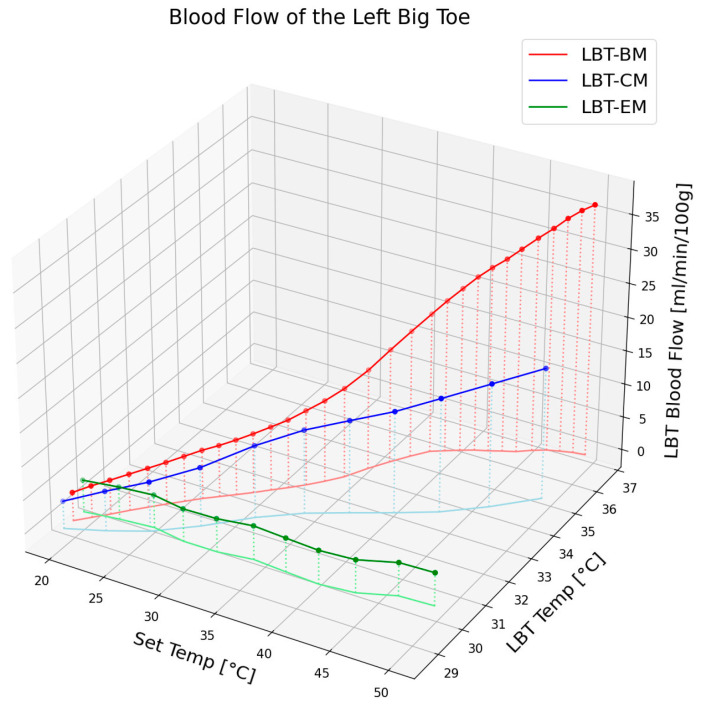 Figure 4
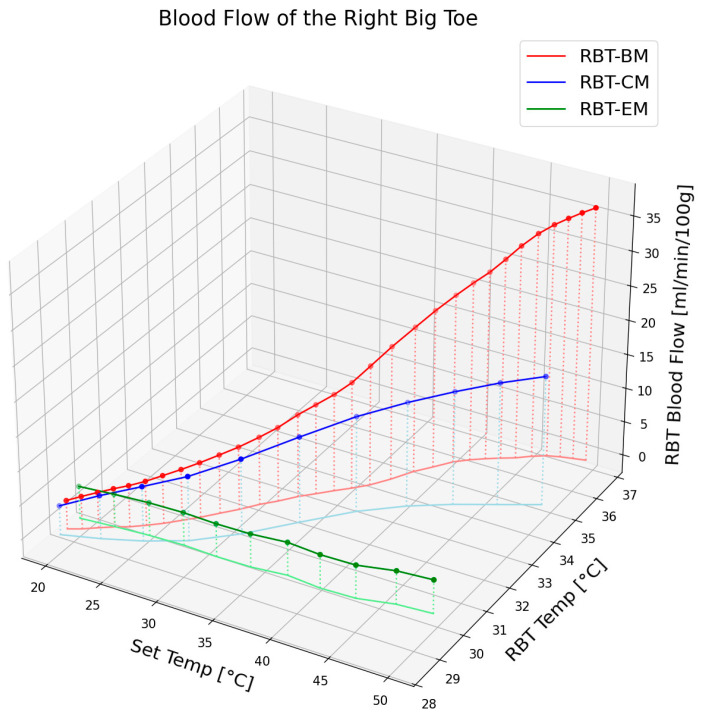 Figure 5
 Figure 6
Peer Reviews
No public reviews on file for this paper yet. If you reviewed it on a platform where reviews are public (OpenReview, ICLR, NeurIPS, ICML), you can paste yours below so the community can read it here.
Videos
No videos yet. Explain this paper in a talk, walkthrough, or lecture? Add one.
Taxonomy
TopicsInfrared Thermography in Medicine · Effects of Environmental Stressors on Livestock · Bee Products Chemical Analysis