Modulation of Gut Microbiota and Antibiotic Resistance Genes by Heat-Killed Enterococcus faecalis EF-2001 in High-Fat Diet-Induced Obesity Mice: A Shotgun Metagenomics Study
Ranjith Kumar Manoharan, Kwon-Il Han, Hyun-Dong Shin, Yura Lee, Sunhwa Baek, Eunjung Moon, Youn Bum Park, Junhui Cho, Sathiyaraj Srinivasan

TL;DR
Heat-killed Enterococcus faecalis EF-2001 helps reduce obesity and liver issues in mice on a high-fat diet by improving gut health and reducing antibiotic resistance genes.
Contribution
This study demonstrates that heat-killed EF-2001 can restore gut balance and reduce antibiotic resistance in high-fat diet-induced obesity.
Findings
EF-2001 reduced body fat by 18% and liver enzymes by 28-31% in HFD-fed mice.
Supplementation increased glucose tolerance by 20% and insulin sensitivity by 15%.
EF-2001 lowered multidrug resistance genes like bcrA, cdeA, and msbA in HFD mice.
Abstract
The gut microbiome is vital in maintaining metabolic health, and dietary habits can significantly impact its composition. A high-fat diet (HFD) can disrupt gut microbial balance, contributing to obesity, insulin resistance, and fatty liver disease. This study explores the potential benefits of heat-killed Enterococcus faecalis EF-2001 (EF-2001) in restoring gut balance and improving metabolic health in HFD-fed mice (HFD-mice). HFD mice administered EF-2001 had 18% less body fat, 22% lower triglyceride levels, and significantly reduced liver enzyme markers, including aspartate aminotransferase (AST) by 28% and alanine aminotransferase (ALT) by 31%. Additionally, EF-2001 improved glucose metabolism, increasing glucose tolerance by 20% and insulin sensitivity by 15%, while reducing fat buildup in the liver by 24%, indicating protection against fatty liver disease. These changes correlated…
Genes, proteins, chemicals, diseases, species, mutations and cell lines named across the full text — each resolved to its canonical identifier and authoritative record.
Click any figure to enlarge with its caption.
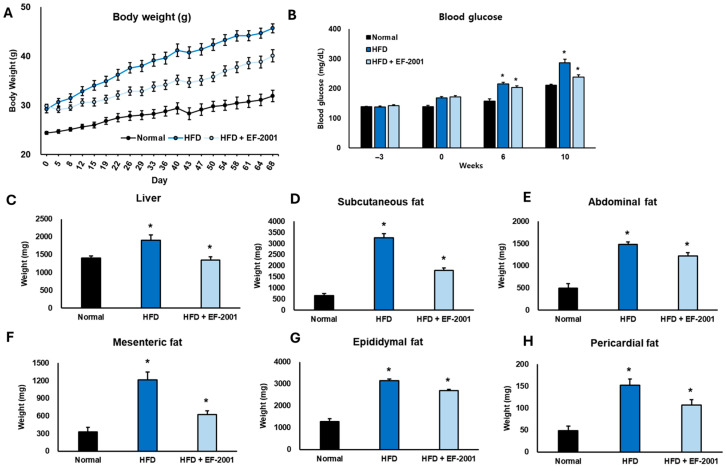 Figure 1
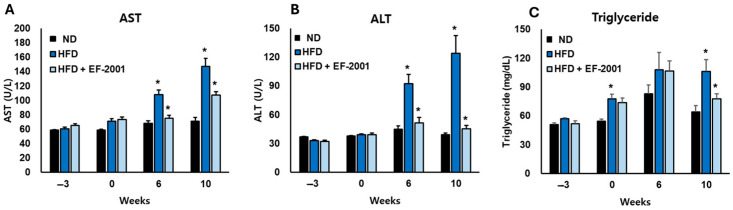 Figure 2
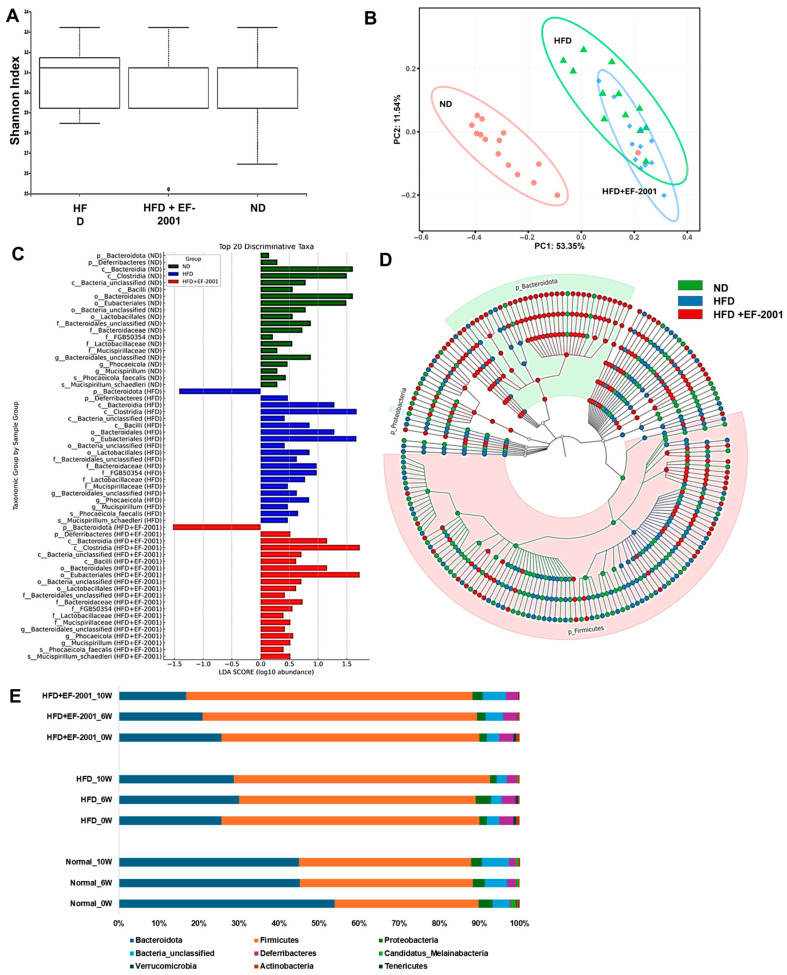 Figure 3
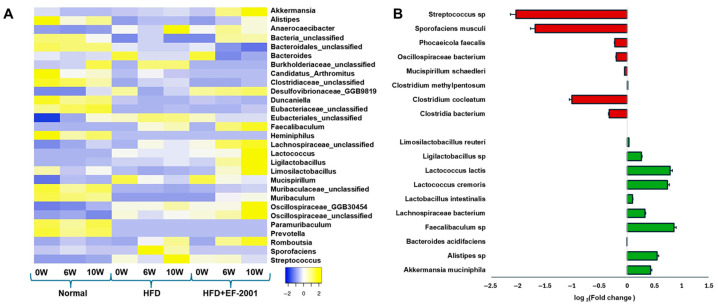 Figure 4
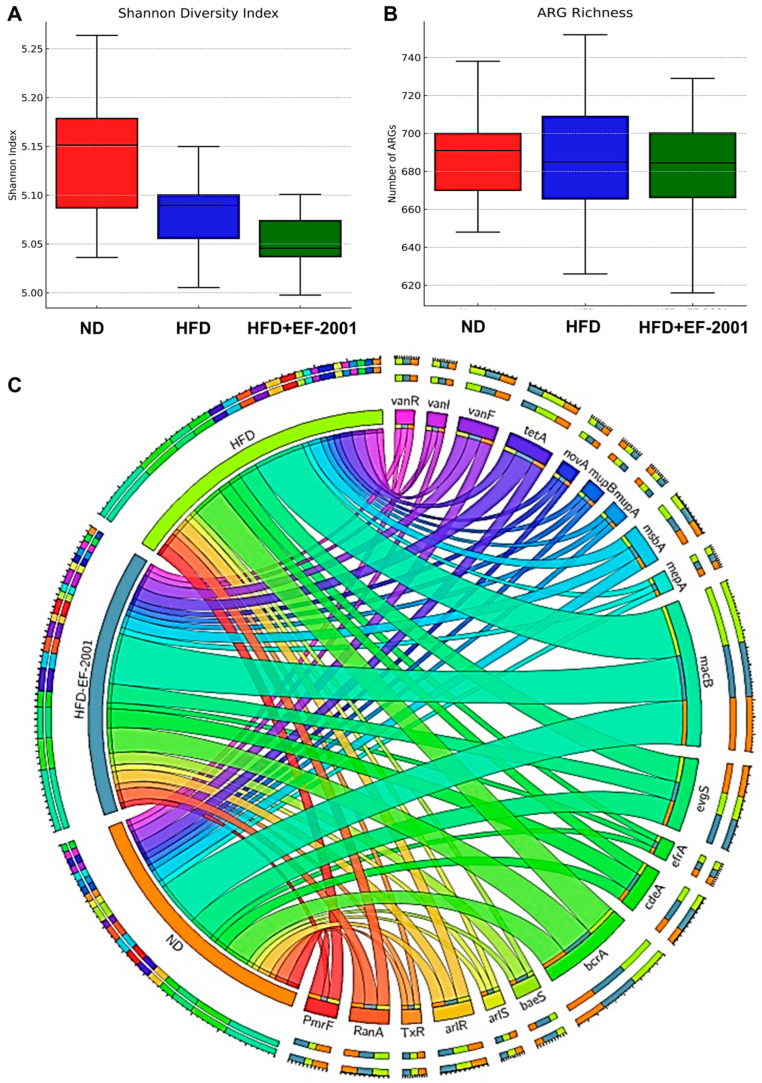 Figure 5
Peer Reviews
No public reviews on file for this paper yet. If you reviewed it on a platform where reviews are public (OpenReview, ICLR, NeurIPS, ICML), you can paste yours below so the community can read it here.
Videos
No videos yet. Explain this paper in a talk, walkthrough, or lecture? Add one.
Taxonomy
TopicsGut microbiota and health · Clostridium difficile and Clostridium perfringens research · Probiotics and Fermented Foods