Comparison of Tissue Repair with Different Types of Microdissection Tips: A Randomized Histomorphometric Evaluation in Rats
Ana Luiza Vila Verde Brunelli, Luíz Henrique Soares Torres, Arthur Henrique Alécio Viotto, Izabela Fornazari Delamura, Ana Paula Farnezi Bassi, Marisa Aparecida Cabrini Gabrielli, Valfrido Antonio Pereira-Filho

TL;DR
This study compared tissue repair in rats using different microdissection tools and found that the time after surgery, not the tool type, most affects healing.
Contribution
The study provides a randomized histomorphometric comparison of tissue repair using various microdissection electrocautery tips in an in vivo model.
Findings
The type of dissector had no significant effect on type I collagen levels (p = 0.615).
Euthanasia time significantly influenced tissue repair (p < 0.001).
The thin-cut electrode produced tissue repair comparable to a scalpel at lower temperatures.
Abstract
The aim of the study was to compare tissue repair of incisions made using different microdissection electrocautery tips in an in vivo animal model. Skin incisions were made, including the subcutaneous tissue, in 30 adult Wistar rats using four types of instruments: a scalpel blade number 15, knife-type electrocautery, microdissection needle, and thin-cut electrode. The animals were divided into five groups based on the euthanasia time—24 h, 48 h, 72 h, 7 days, and 14 days. Each animal received four incisions, one with each type of instrument. Histological and histomorphometric analyses were performed using hematoxylin and eosin (HE) and Picrosirius red stains. Analysis of variance (ANOVA) showed that the type of dissector had no significant effect on type I collagen levels (p = 0.615), whereas the euthanasia time had a significant influence (p < 0.001). Estimated marginal means for type…
Genes, proteins, chemicals, diseases, species, mutations and cell lines named across the full text — each resolved to its canonical identifier and authoritative record.
Click any figure to enlarge with its caption.
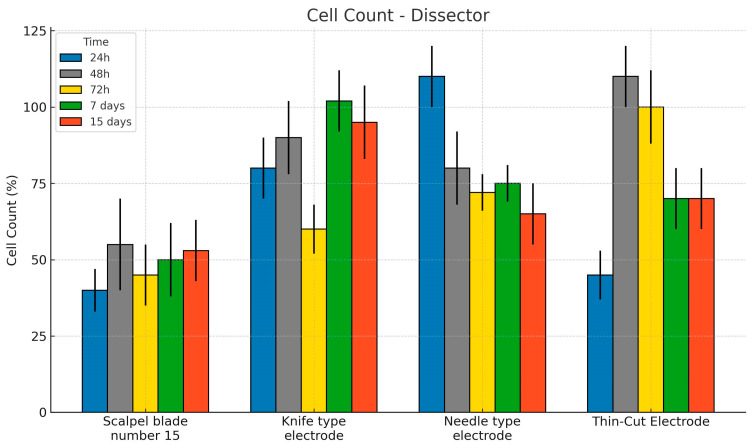 Figure 1
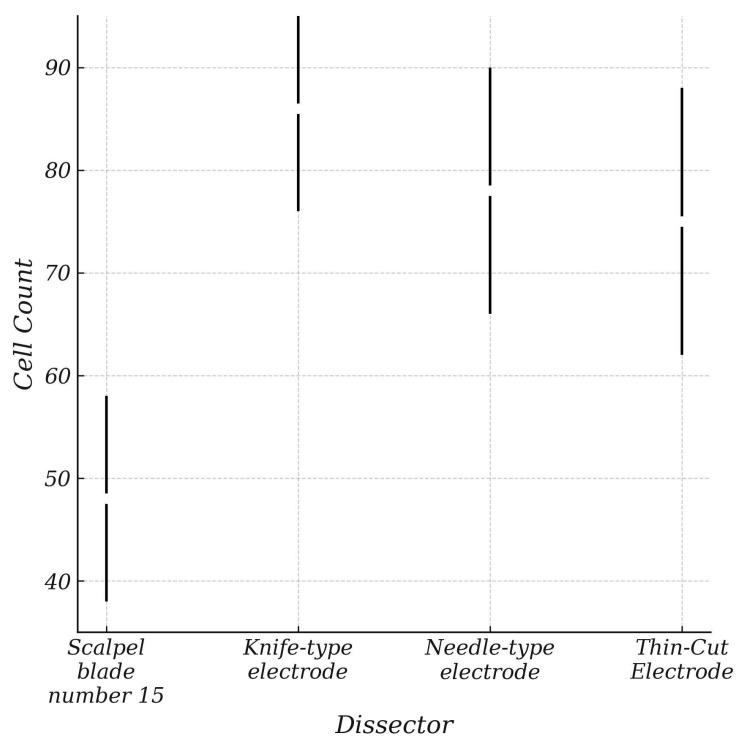 Figure 2
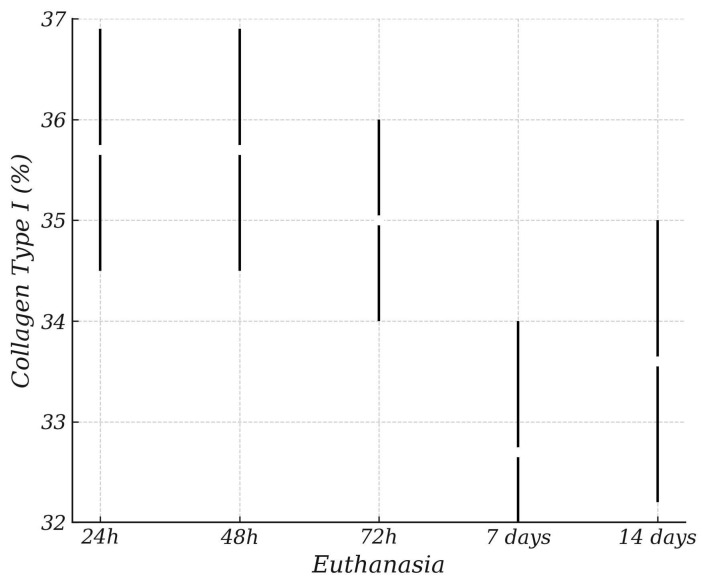 Figure 3
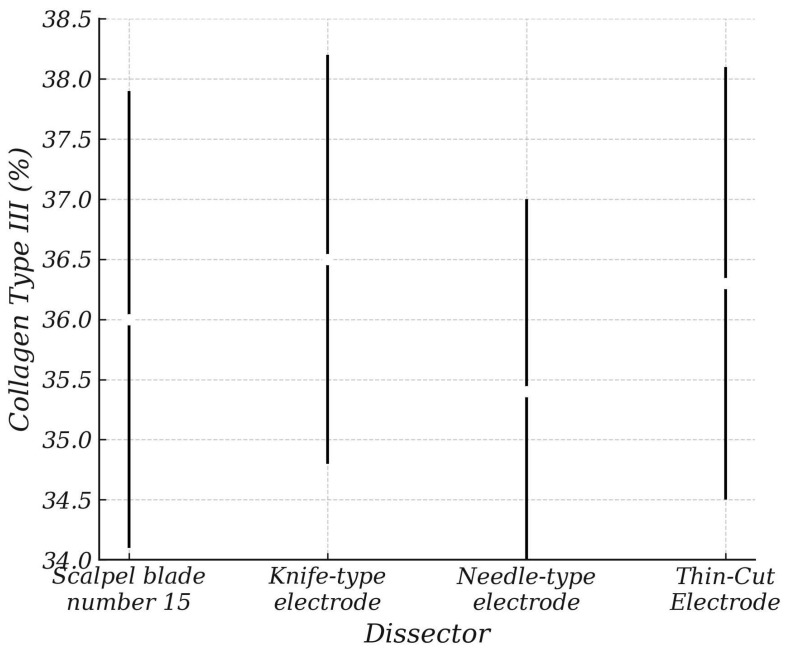 Figure 4
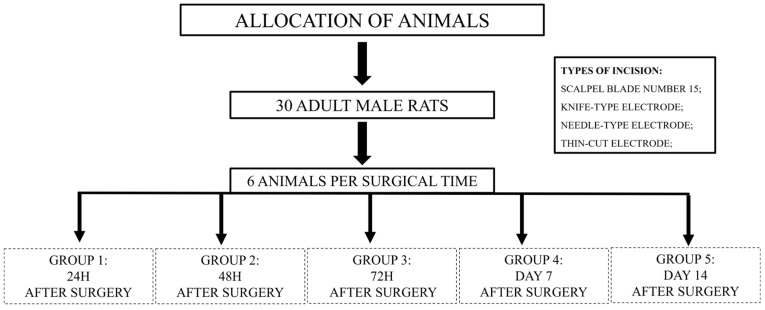 Figure 5
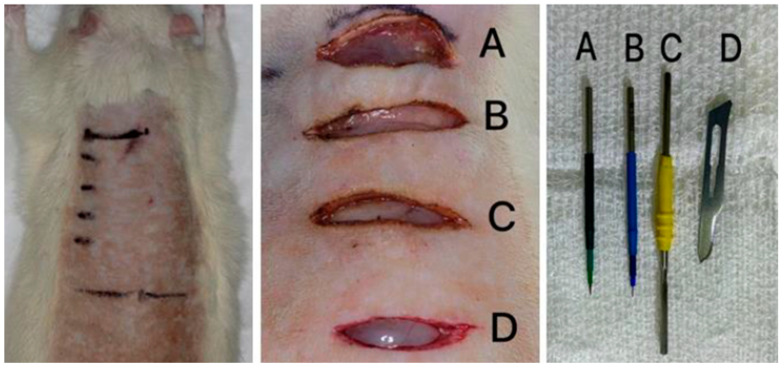 Figure 6
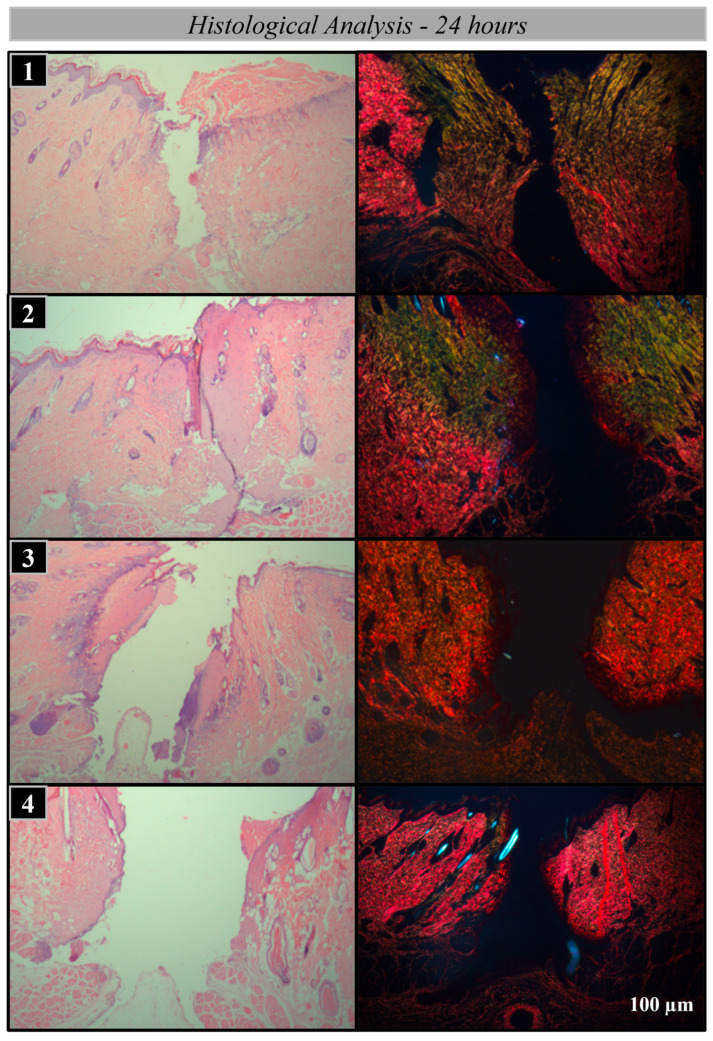 Figure 7
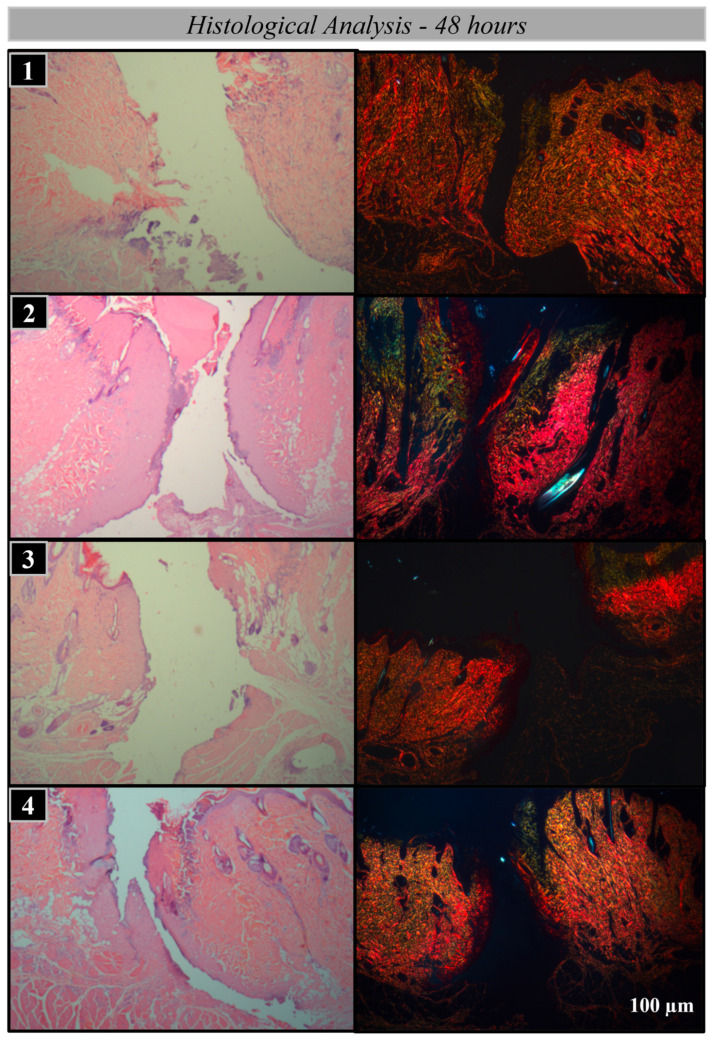 Figure 8
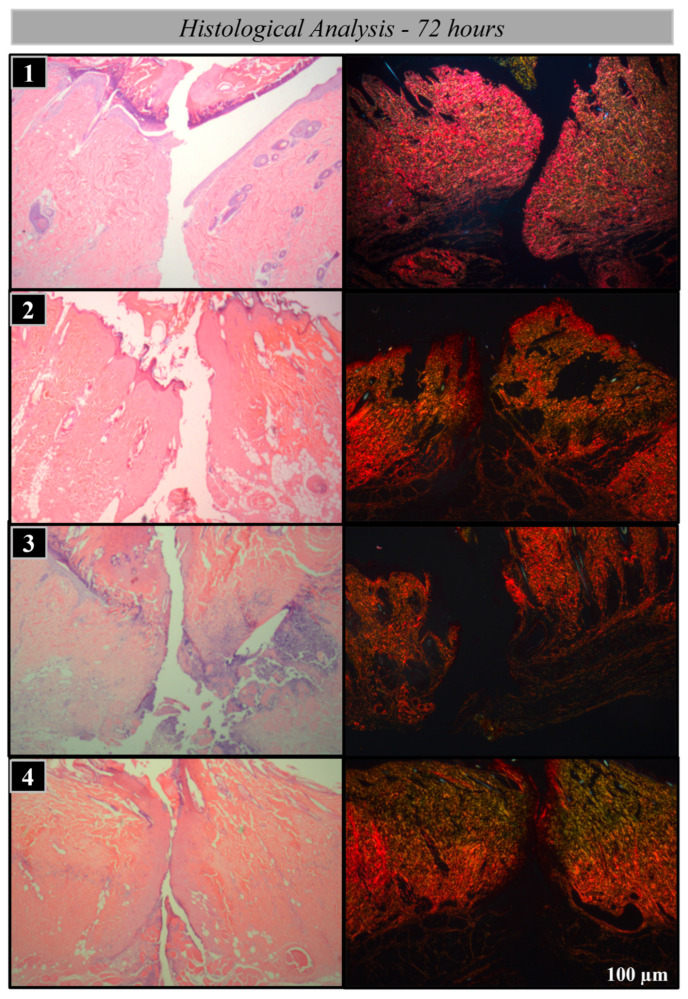 Figure 9
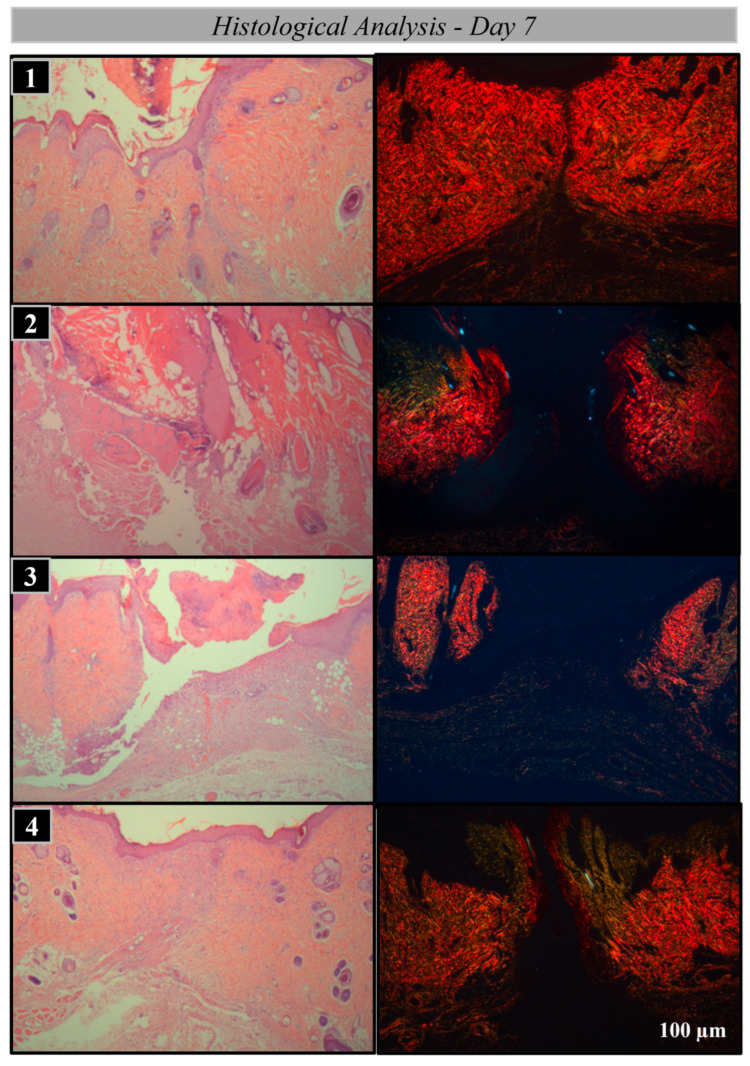 Figure 10
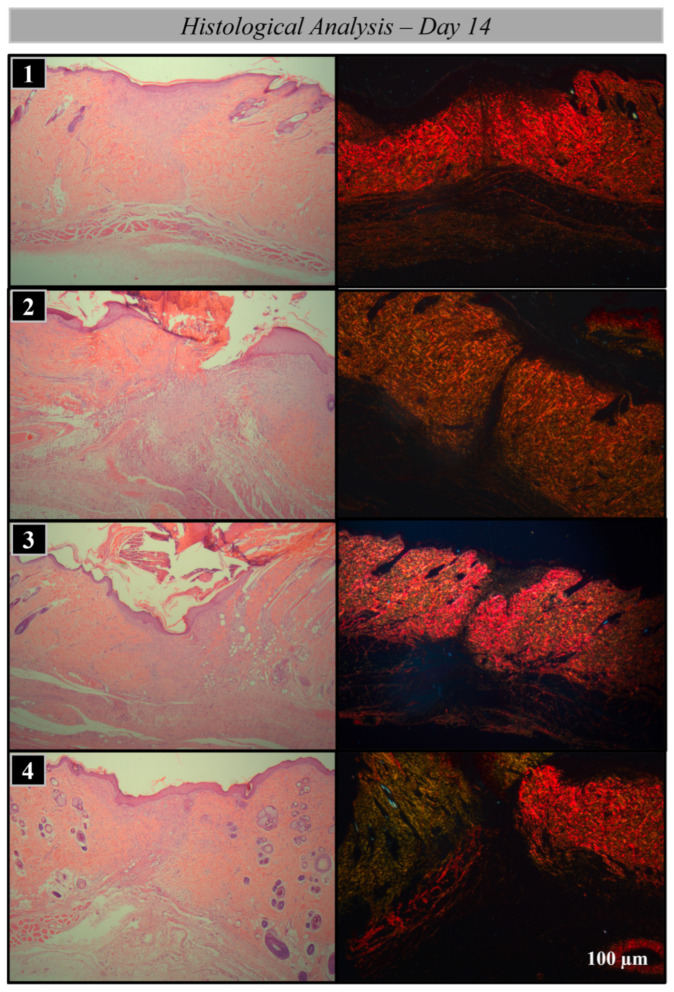 Figure 11
Peer Reviews
No public reviews on file for this paper yet. If you reviewed it on a platform where reviews are public (OpenReview, ICLR, NeurIPS, ICML), you can paste yours below so the community can read it here.
Videos
No videos yet. Explain this paper in a talk, walkthrough, or lecture? Add one.
Taxonomy
TopicsMolecular Biology Techniques and Applications · Tissue Engineering and Regenerative Medicine · Wound Healing and Treatments