Exploring the Efficacy and Potential Mechanisms of Topical Periplaneta americana (L.) Extract in Treating Androgenetic Alopecia in a Mouse Model: A Systems Pharmacology and Skin Microbiome Analysis
Tangfei Guan, Xin Yang, Canhui Hong, Peiyun Xiao, Yongshou Yang, Chenggui Zhang, Zhengchun He

TL;DR
This study shows that a topical extract from Periplaneta americana helps regrow hair in mice with androgenetic alopecia by targeting multiple biological pathways and improving skin health.
Contribution
The study introduces PA-011 as a multi-target therapeutic for AGA, combining systems pharmacology and microbiome analysis to reveal its mechanisms.
Findings
PA-011 promotes hair follicle stem cell proliferation by activating the Wnt/β-catenin pathway.
It reduces oxidative stress and inflammation while normalizing skin microbiota in AGA models.
PA-011 modulates key signaling pathways like PI3K-Akt/MAPK and improves metabolic functions.
Abstract
Androgenetic alopecia (AGA), the most prevalent form of hair loss, faces challenges such as high costs and limited efficacy in current treatments. This study demonstrates that PA-011, a derivative of Periplaneta americana (L.), exhibits promising therapeutic potential in AGA mouse models. Using a DHT-induced AGA mouse model combined with multi-omics approaches (LC-MS/MS, transcriptomics, metabolomics) and 16S rRNA microbiome analysis, we found that PA-011 promotes hair follicle stem cell proliferation (via upregulated Ki67 expression) by activating the Wnt/β-catenin pathway while suppressing oxidative stress and inflammation. Mechanistic studies revealed its ability to regulate the PI3K-Akt/MAPK signaling pathways, improve pentose phosphate metabolism and amino acid biosynthesis, and maintain skin microbial homeostasis. Safety assessments confirmed no toxicity with topical application.…
Genes, proteins, chemicals, diseases, species, mutations and cell lines named across the full text — each resolved to its canonical identifier and authoritative record.
Click any figure to enlarge with its caption.
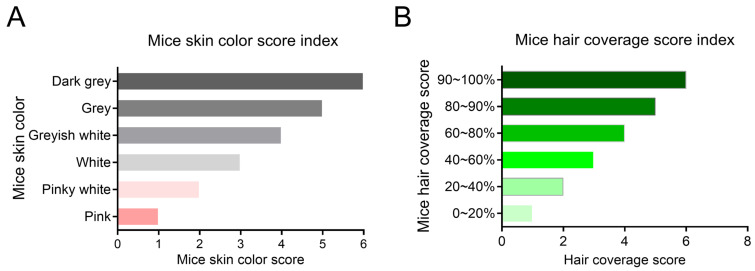 Figure 1
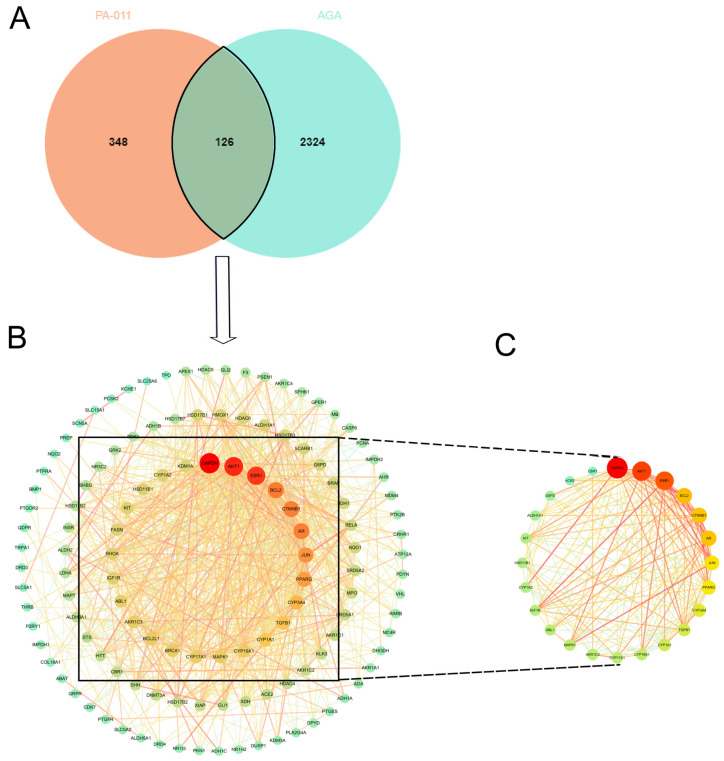 Figure 2
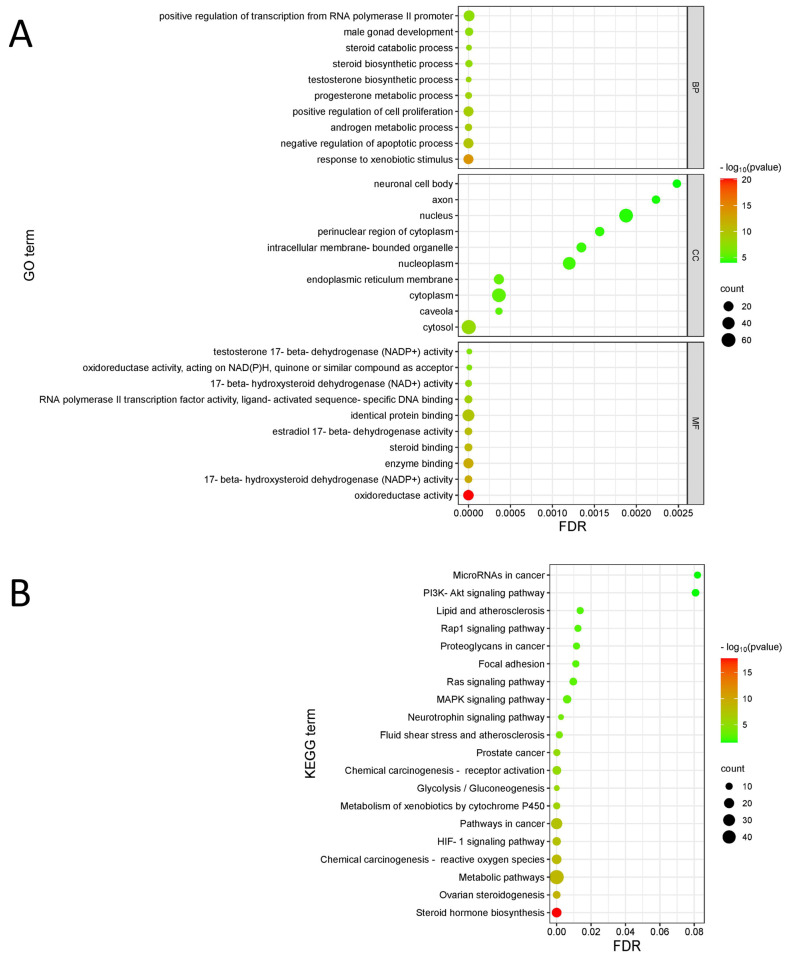 Figure 3
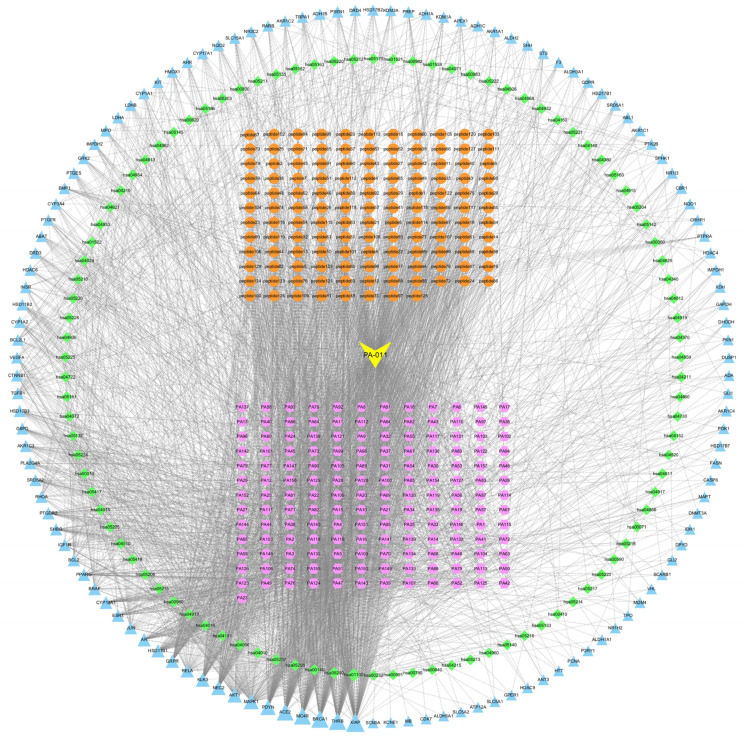 Figure 4
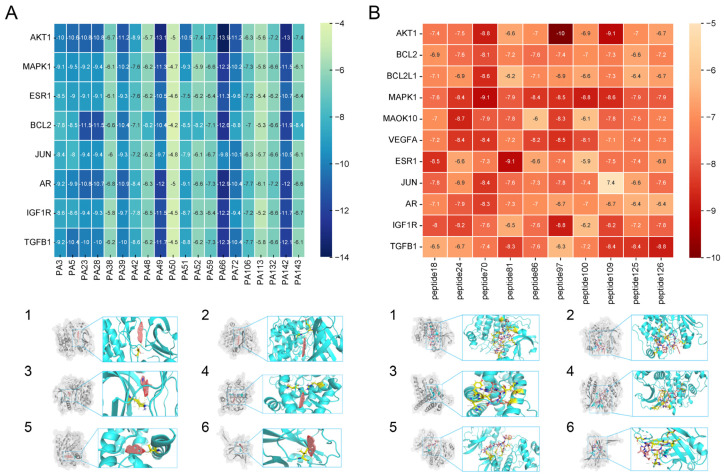 Figure 5
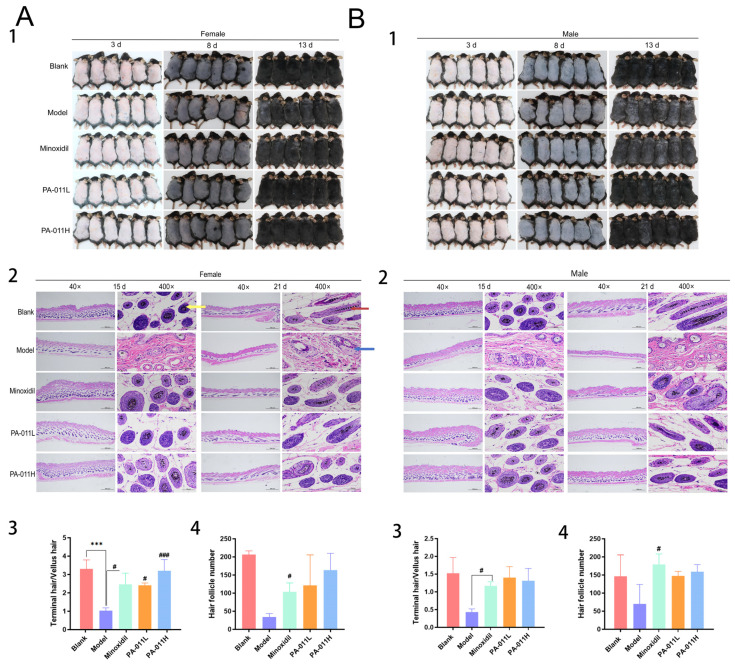 Figure 6
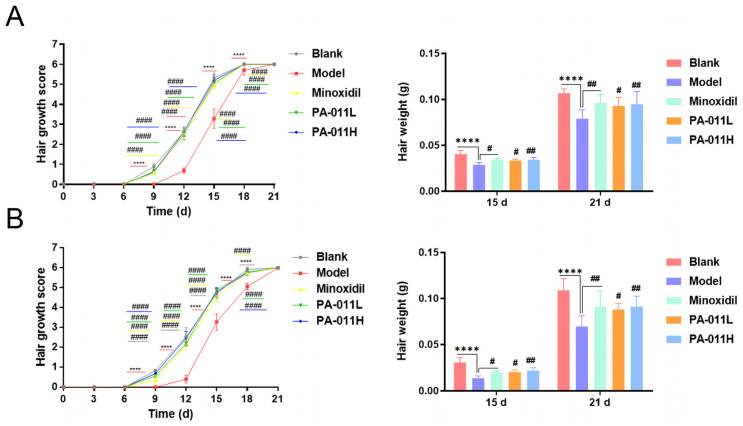 Figure 7
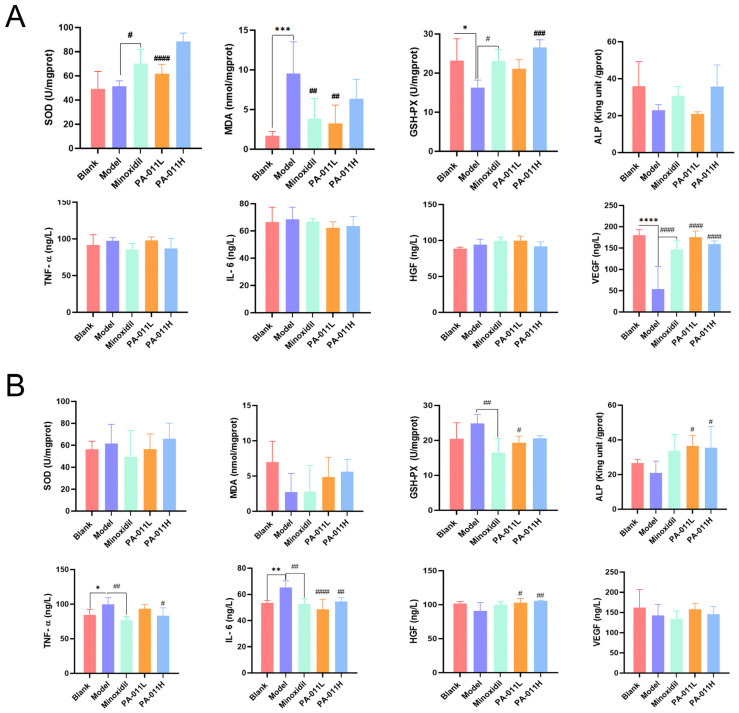 Figure 8
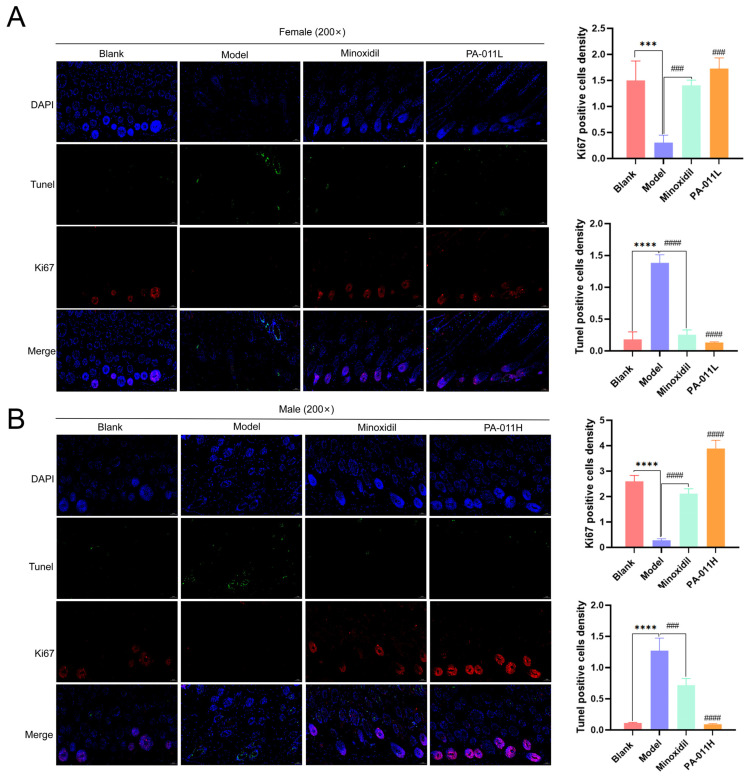 Figure 9
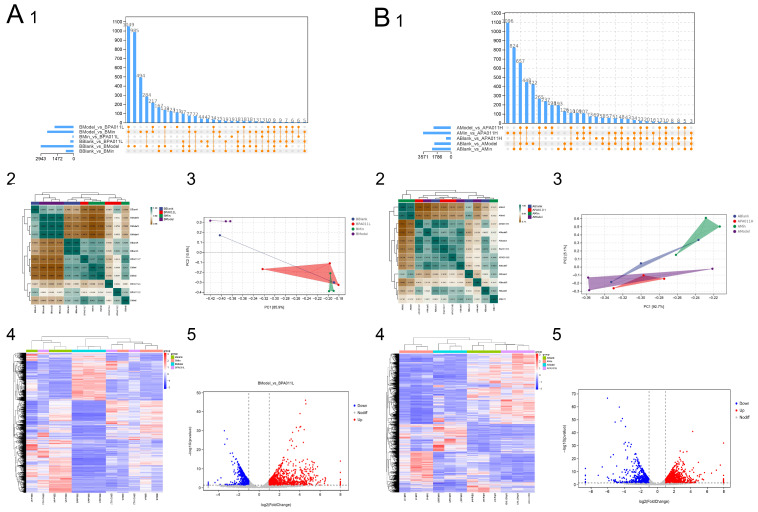 Figure 10
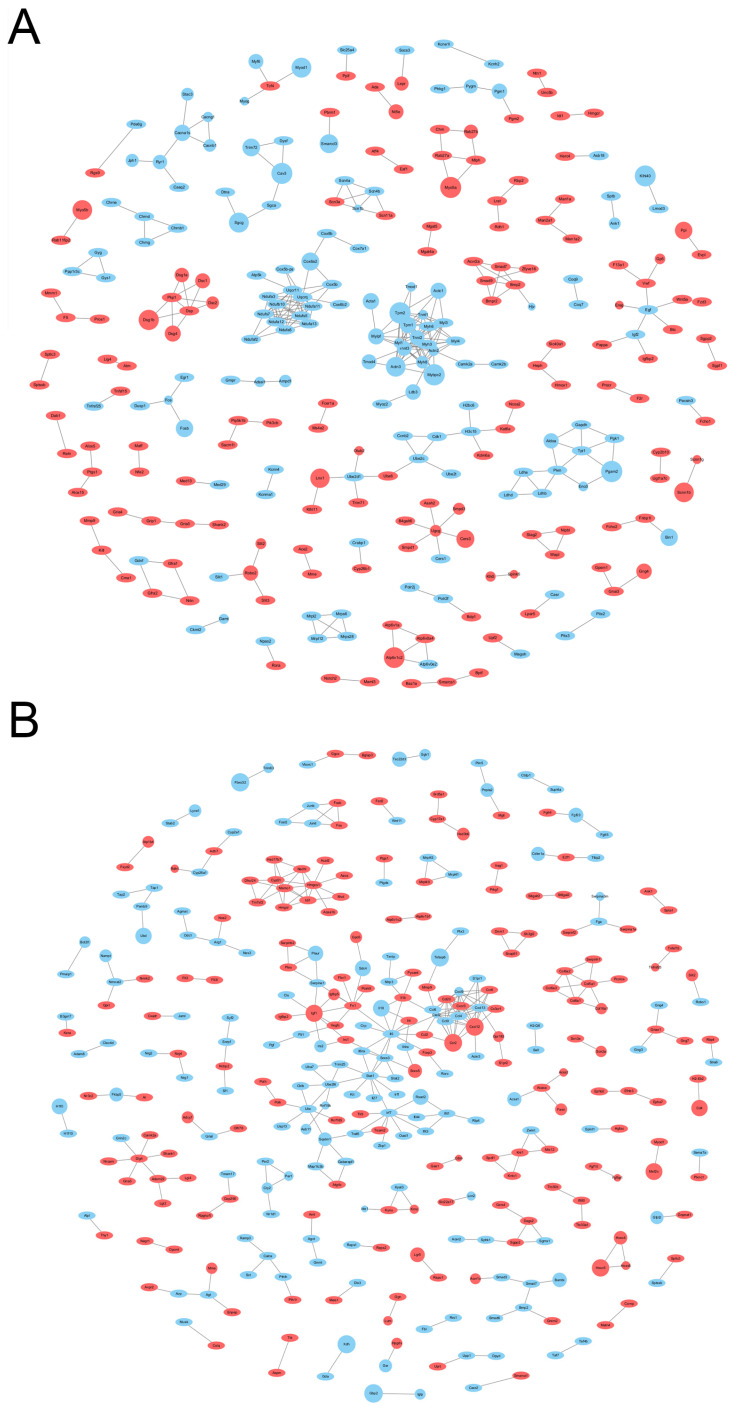 Figure 11
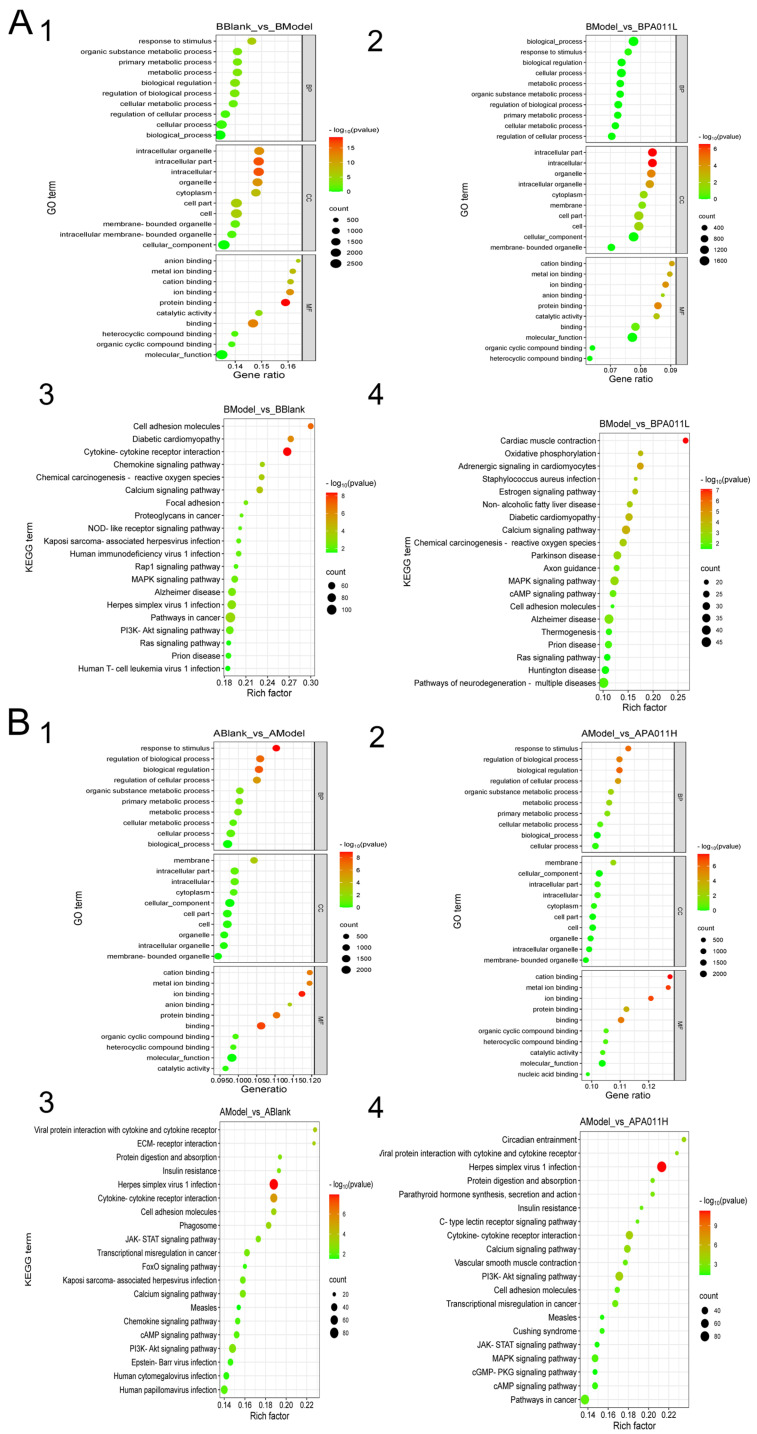 Figure 12
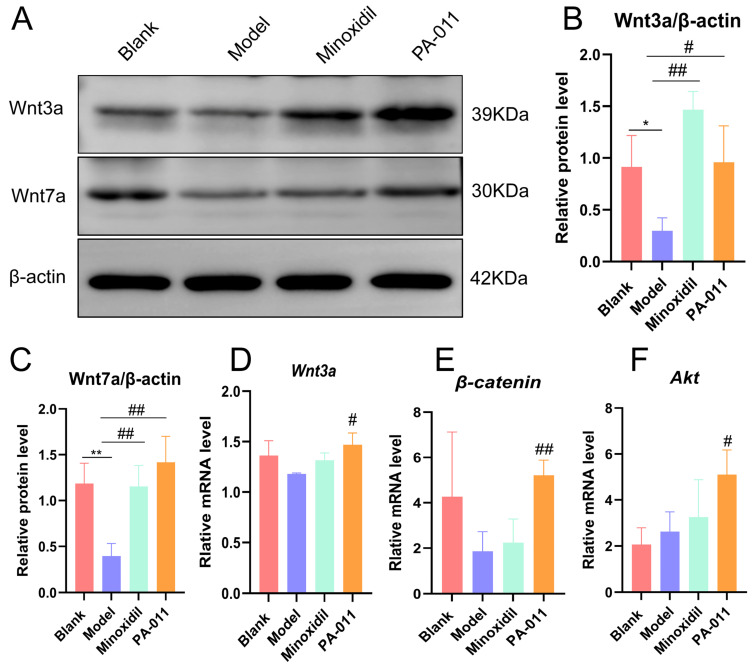 Figure 13
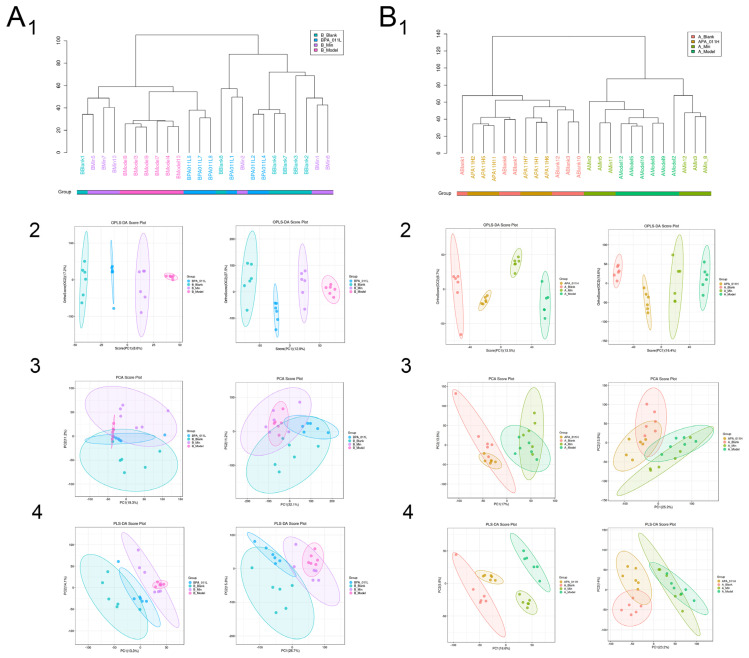 Figure 14
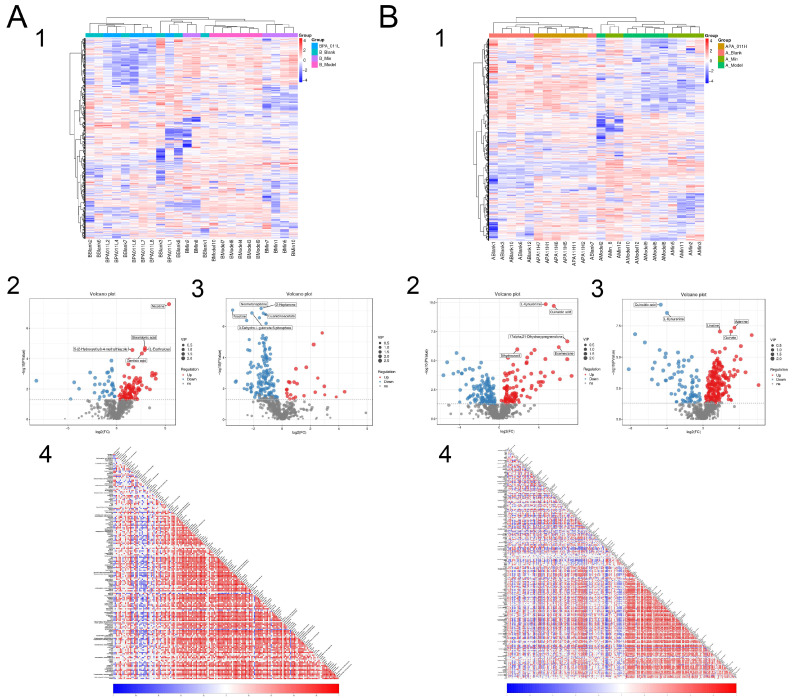 Figure 15
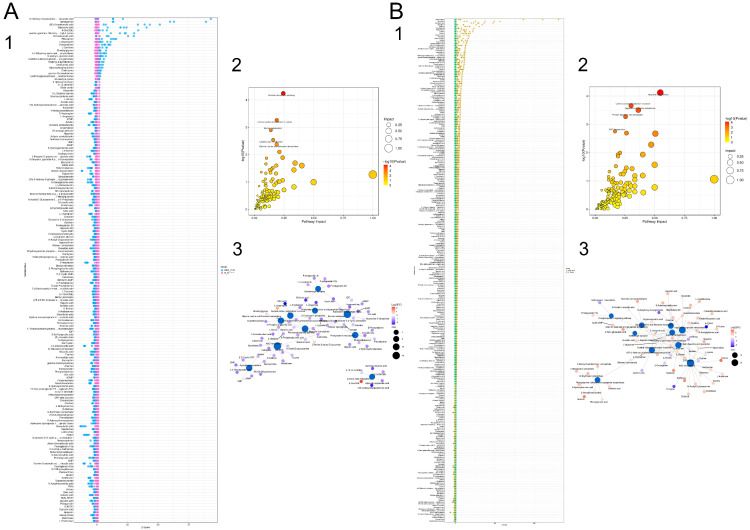 Figure 16
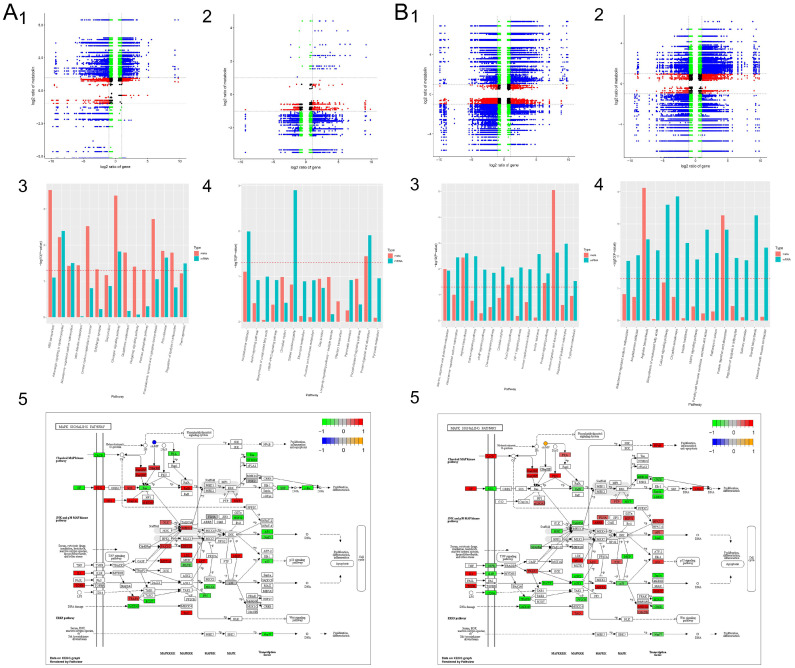 Figure 17
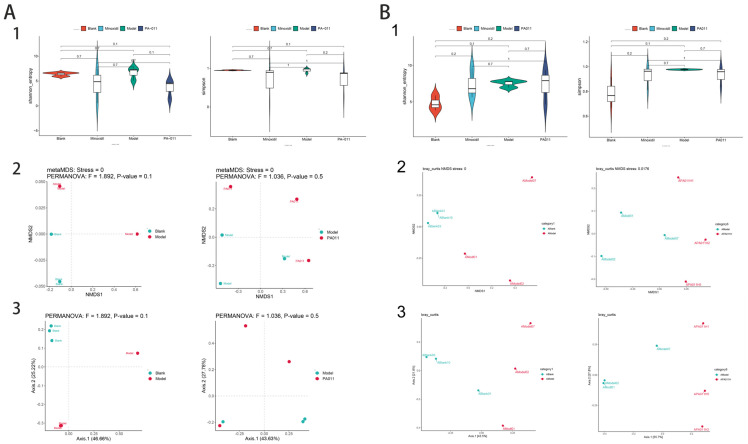 Figure 18
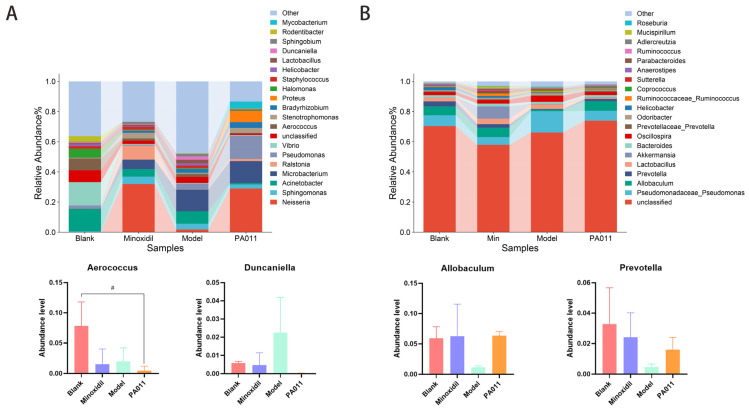 Figure 19
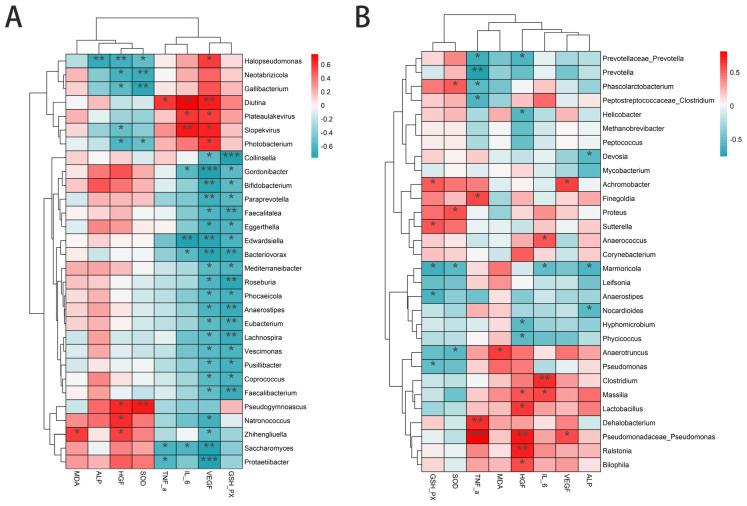 Figure 20
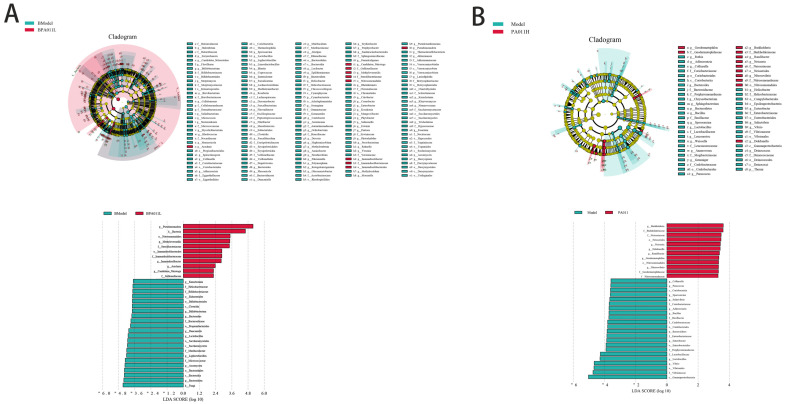 Figure 21
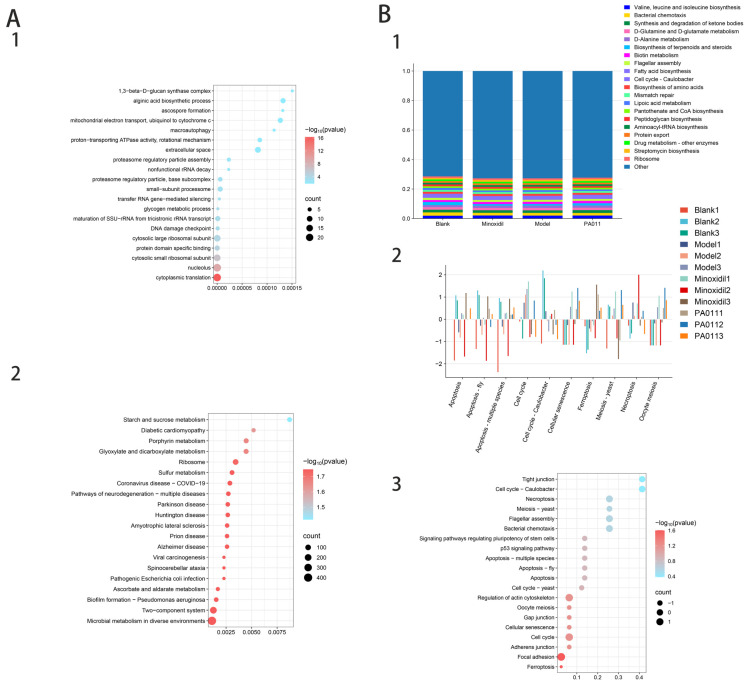 Figure 22
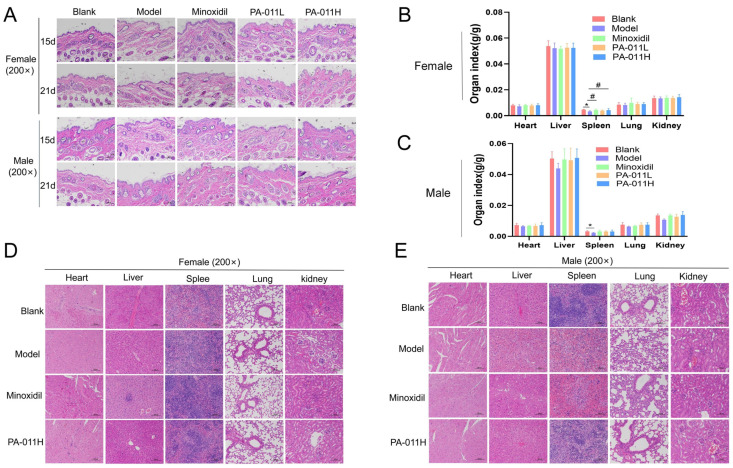 Figure 23
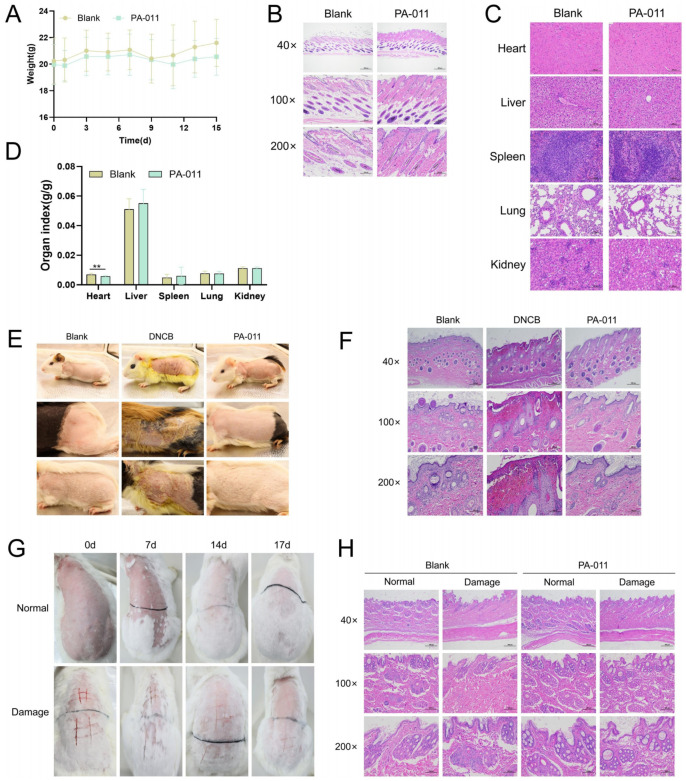 Figure 24
 Figure 25
 Figure 26
 Figure 27
 Figure 28
 Figure 29
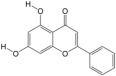 Figure 30
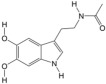 Figure 31
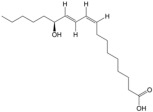 Figure 32
 Figure 33
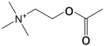 Figure 34
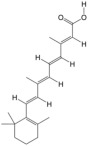 Figure 35
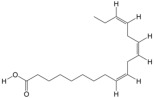 Figure 36
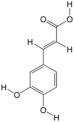 Figure 37
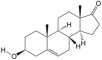 Figure 38
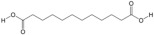 Figure 39
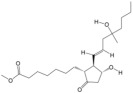 Figure 40
 Figure 41
 Figure 42
 Figure 43
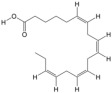 Figure 44
 Figure 45
 Figure 46
 Figure 47
Peer Reviews
No public reviews on file for this paper yet. If you reviewed it on a platform where reviews are public (OpenReview, ICLR, NeurIPS, ICML), you can paste yours below so the community can read it here.
Videos
No videos yet. Explain this paper in a talk, walkthrough, or lecture? Add one.
Taxonomy
TopicsHair Growth and Disorders · Nerve injury and regeneration · Wound Healing and Treatments