Endocranial Morphology in Metopism
Silviya Nikolova, Diana Toneva, Gennady Agre

TL;DR
This study explores how metopism, a condition where a skull suture remains open, affects the shape of the inner skull, finding distinct differences in specific areas.
Contribution
The study is the first to investigate endocranial morphology in metopism using morphometric analysis and machine learning.
Findings
Metopic crania show longer segments in the anterior and middle cranial fossae.
The landmark endobregma is closer to the anterior and middle cranial base in metopic cases.
A machine learning model achieved 85% accuracy in classifying metopic vs. control crania.
Abstract
Metopism is a condition in which the metopic suture, which usually closes within the first postnatal year, persists in adult individuals, and the frontal bone is bipartite. Comparative investigations have demonstrated that metopism is associated with a specific configuration of the cranial vault, a delayed closure of the major sutures, a presence of supernumerary bones, and an underdevelopment of the frontal sinus. However, there are no comparative data concerning the endocranial morphology in this condition. In this study, we aimed to test the hypothesis that in metopism the differences in the vault are also related to differences in the endocranial morphology. For this purpose, we compared the metopic and control series using morphometric analysis and machine learning approaches. The obtained results showed that in metopism the anterior sections of the cranial base as well as the…
Genes, proteins, chemicals, diseases, species, mutations and cell lines named across the full text — each resolved to its canonical identifier and authoritative record.
Click any figure to enlarge with its caption.
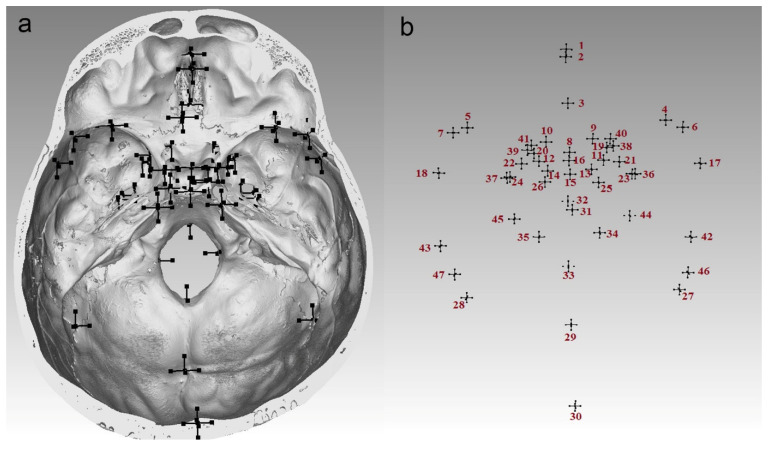 Figure 1
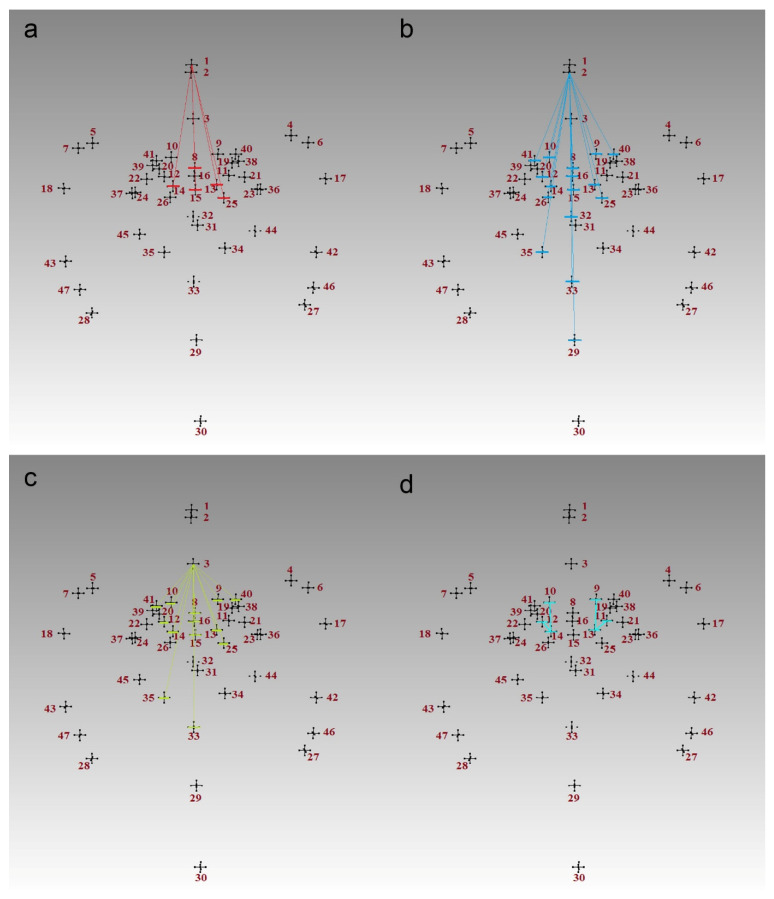 Figure 2
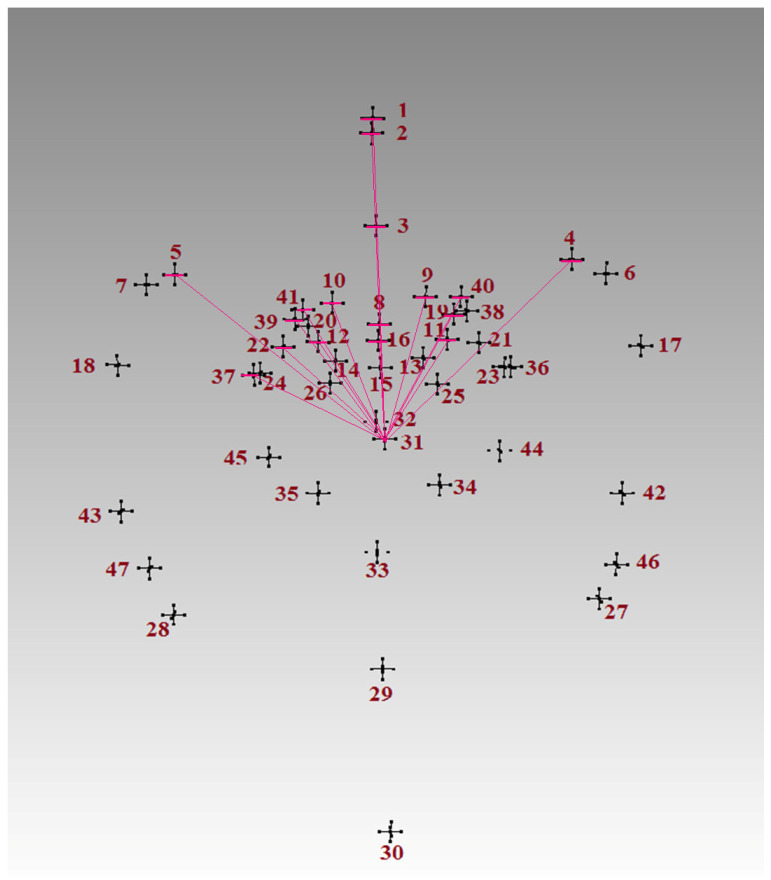 Figure 3
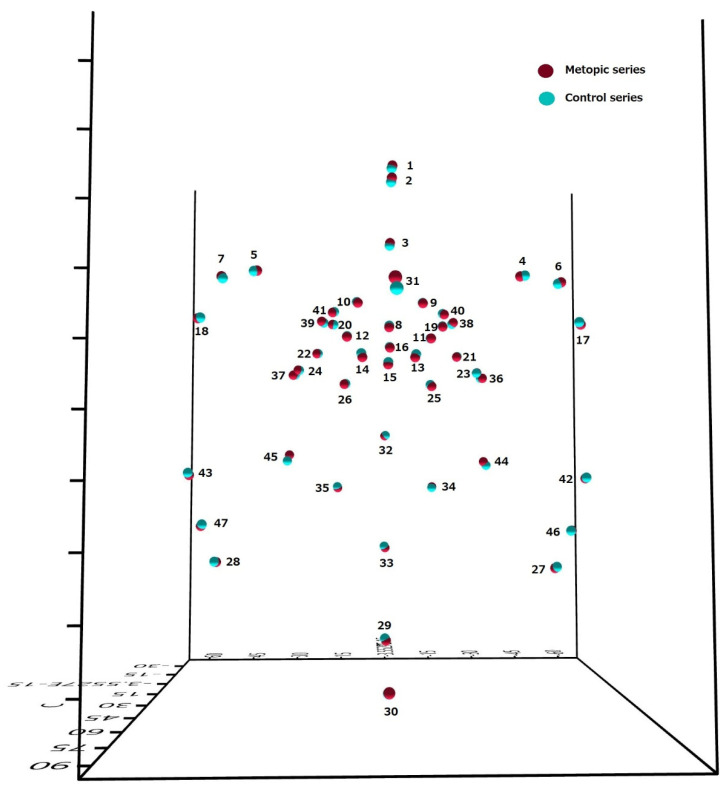 Figure 4
Peer Reviews
No public reviews on file for this paper yet. If you reviewed it on a platform where reviews are public (OpenReview, ICLR, NeurIPS, ICML), you can paste yours below so the community can read it here.
Videos
No videos yet. Explain this paper in a talk, walkthrough, or lecture? Add one.
Taxonomy
TopicsCraniofacial Disorders and Treatments · Hemispheric Asymmetry in Neuroscience · Morphological variations and asymmetry