Phylogenomic, Morphological, and Phylogenetic Evidence Reveals Five New Species and Two New Host Records of Nectriaceae (Hypocreales) from China
Qi Fan, Pingping Su, Jiachen Xiao, Fangwei Lou, Xiaoyuan Huang, Zhuliang Yang, Baozheng Chen, Peihong Shen, Yuanbing Wang

TL;DR
This study identifies five new fungal species and two new host records in China, improving understanding of fungal biodiversity and taxonomy.
Contribution
Five new species and two new host records of Nectriaceae fungi are described using integrative phylogenomic and morphological methods.
Findings
Five new species (F. dracaenophilum, F. puerense, F. wenshanense, N. alboflava, and N. fungicola) were identified.
F. qiannanense and N. solani were recorded from new host species.
Phylogenomic analysis confirmed distinct taxonomic boundaries between Fusarium and Neocosmospora.
Abstract
Fusarium and Neocosmospora are widely distributed in natural environments and include species that are both beneficial and pathogenic. However, their overlapping morphological and ecological characteristics have posed a challenge to the delimitation of species. In this study, 22 fungal strains, isolated from diverse hosts including plants, insects, and entomopathogenic fungi, were analyzed using an integrative approach that combined morphological and molecular data. As a result, five new species were described, and two new host record species were reported. Phylogenomic evidence further confirmed the distinct taxonomic boundaries between Fusarium and Neocosmospora. These findings contribute to our understanding of the biodiversity and evolution of fusarioid fungi. Fusarioid fungi, members of the Nectriaceae within the Hypocreales (Ascomycota), exhibit diverse ecological roles and…
Genes, proteins, chemicals, diseases, species, mutations and cell lines named across the full text — each resolved to its canonical identifier and authoritative record.
Click any figure to enlarge with its caption.
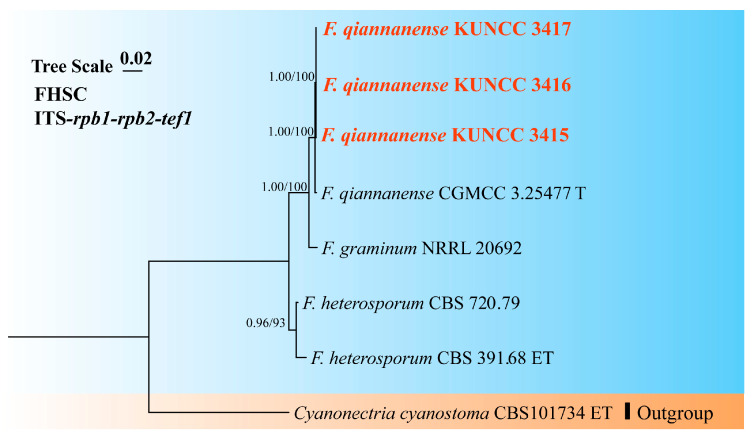 Figure 1
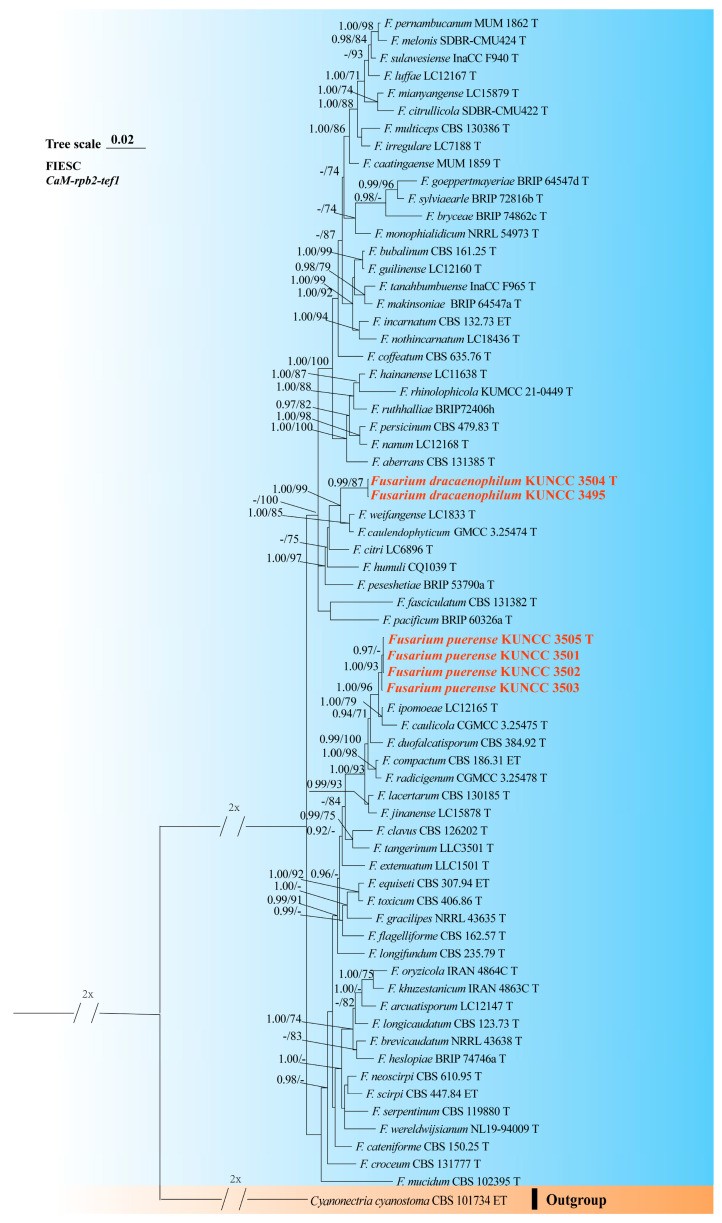 Figure 2
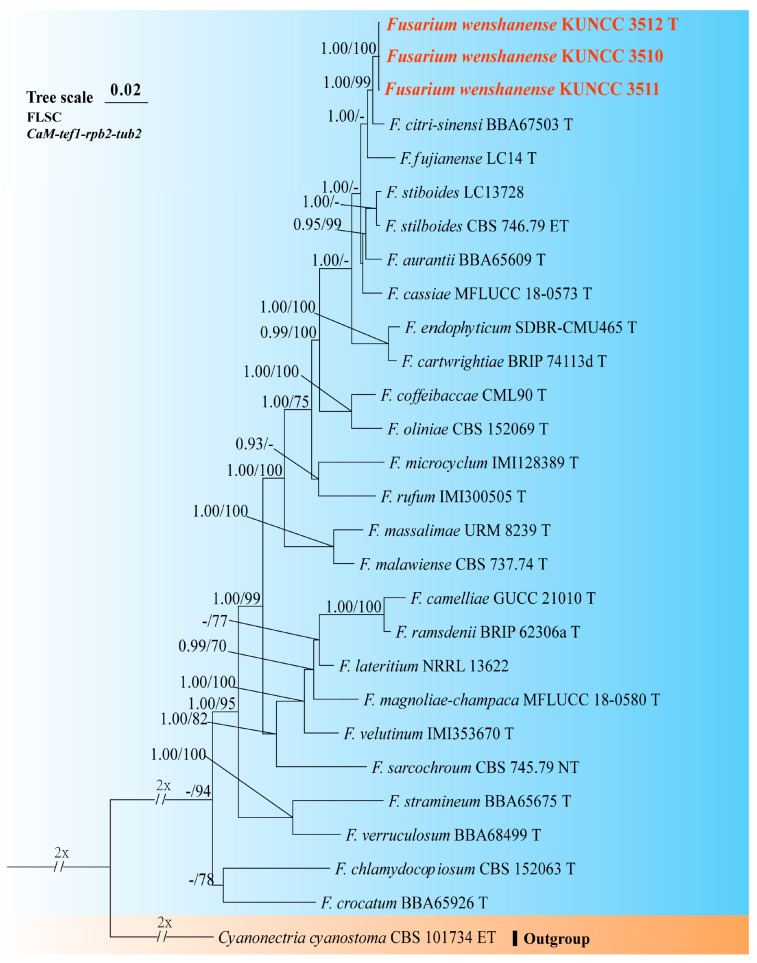 Figure 3
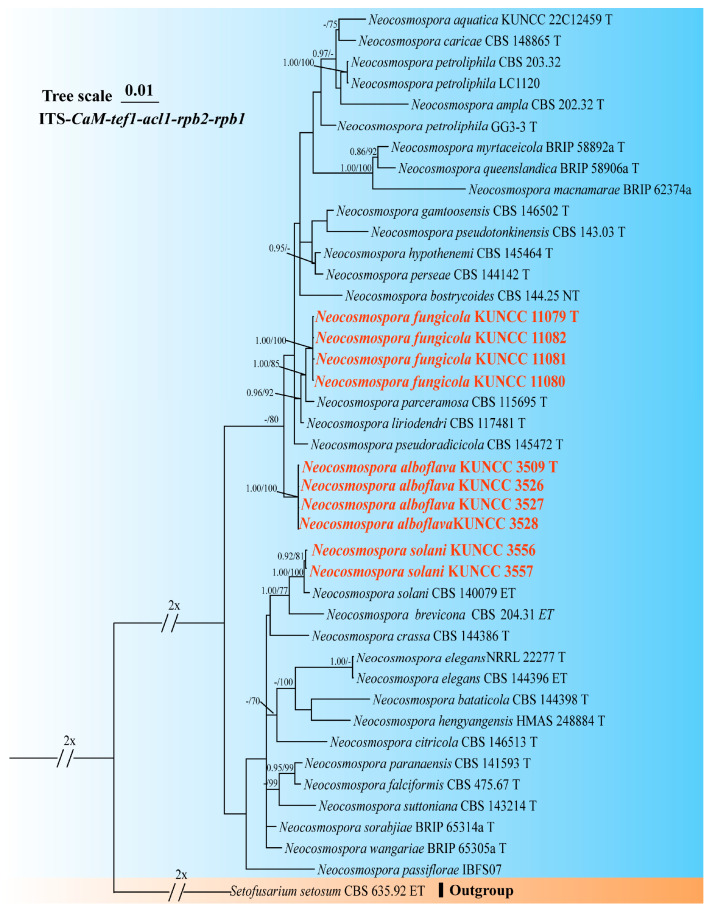 Figure 4
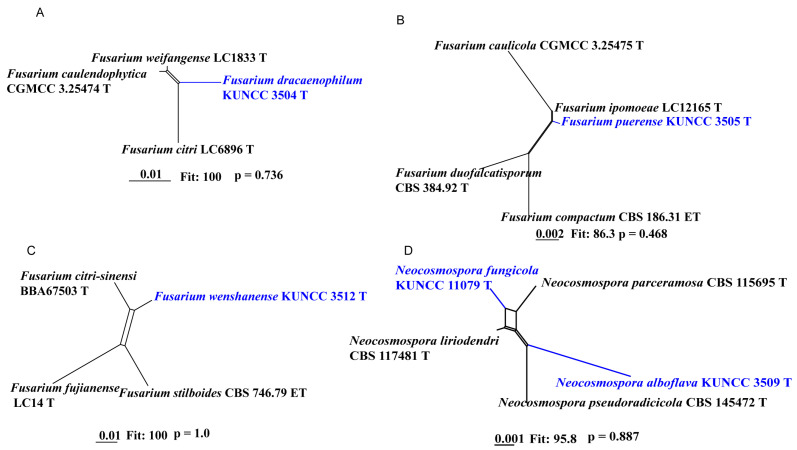 Figure 5
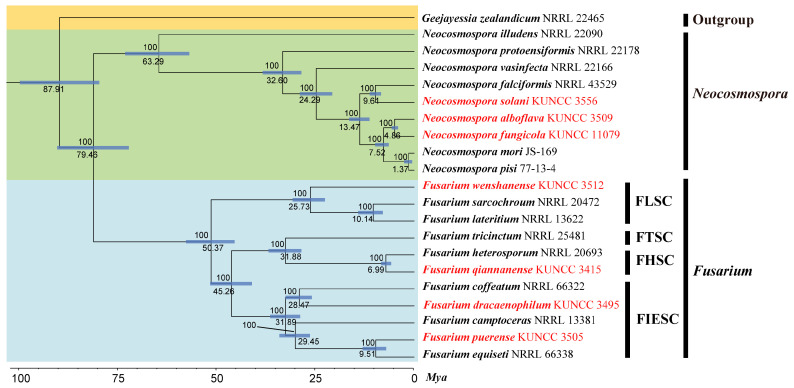 Figure 6
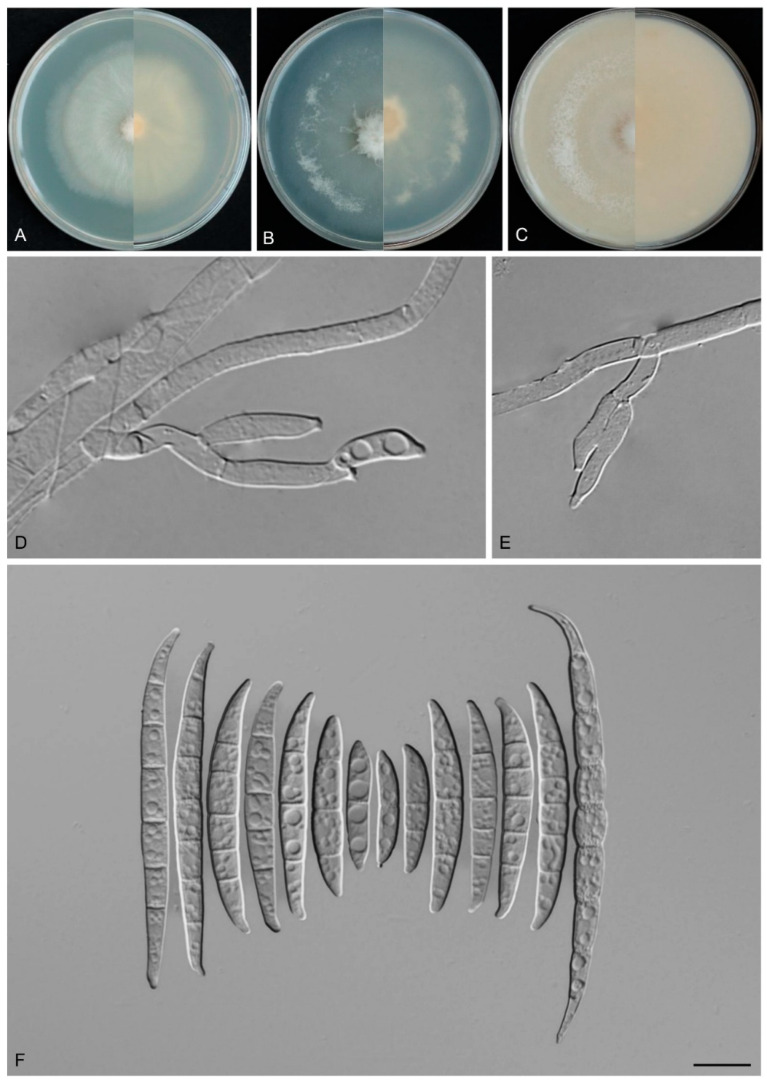 Figure 7
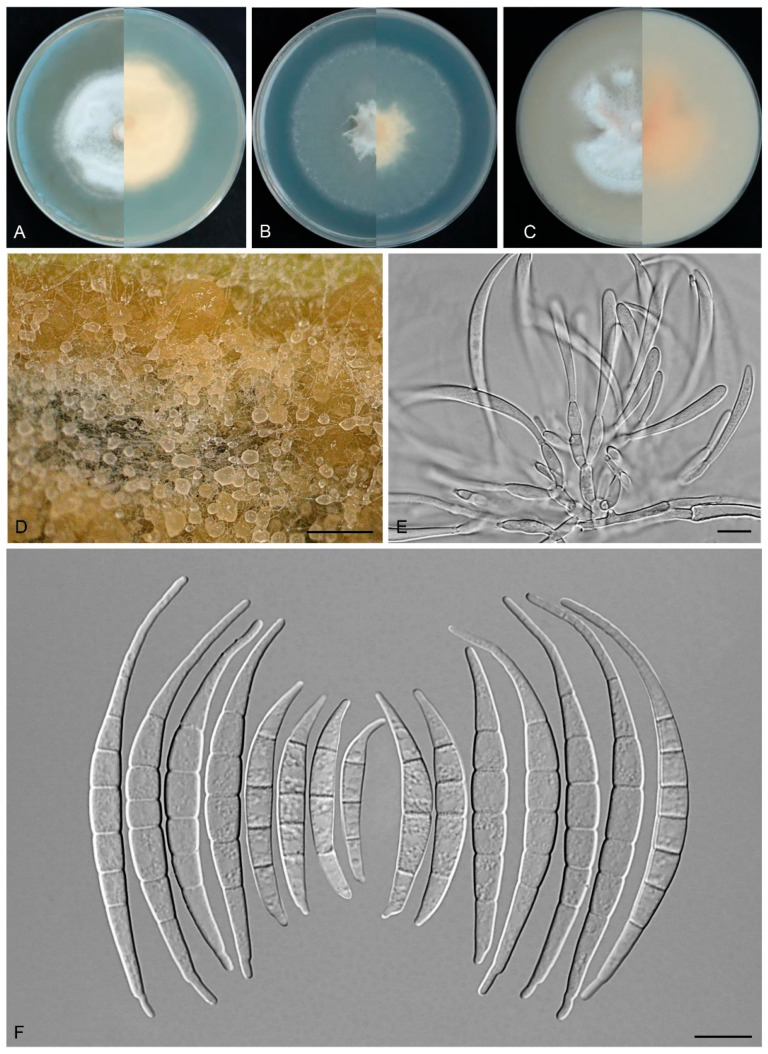 Figure 8
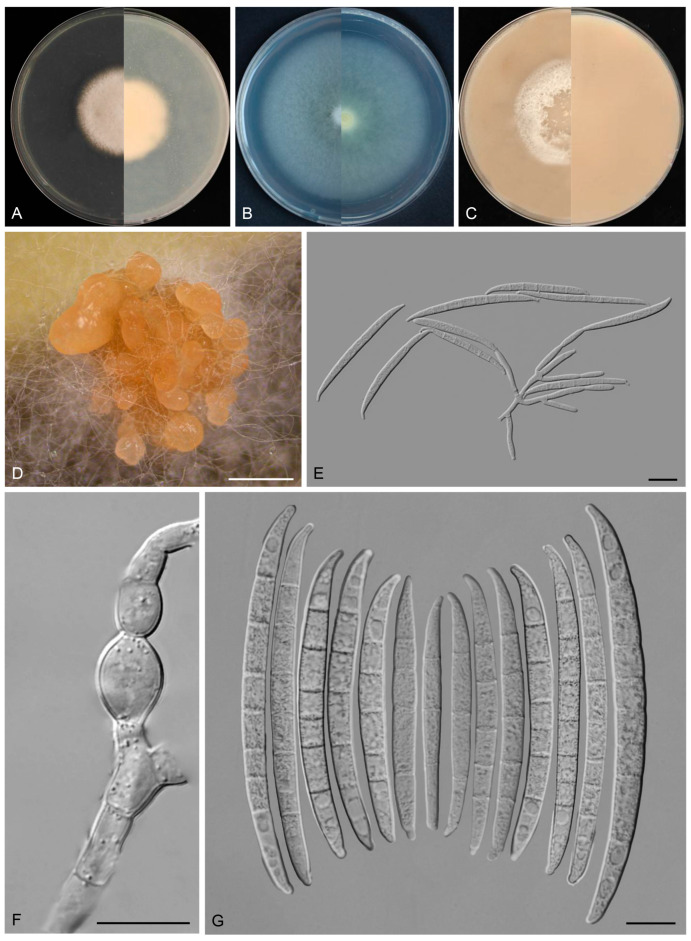 Figure 9
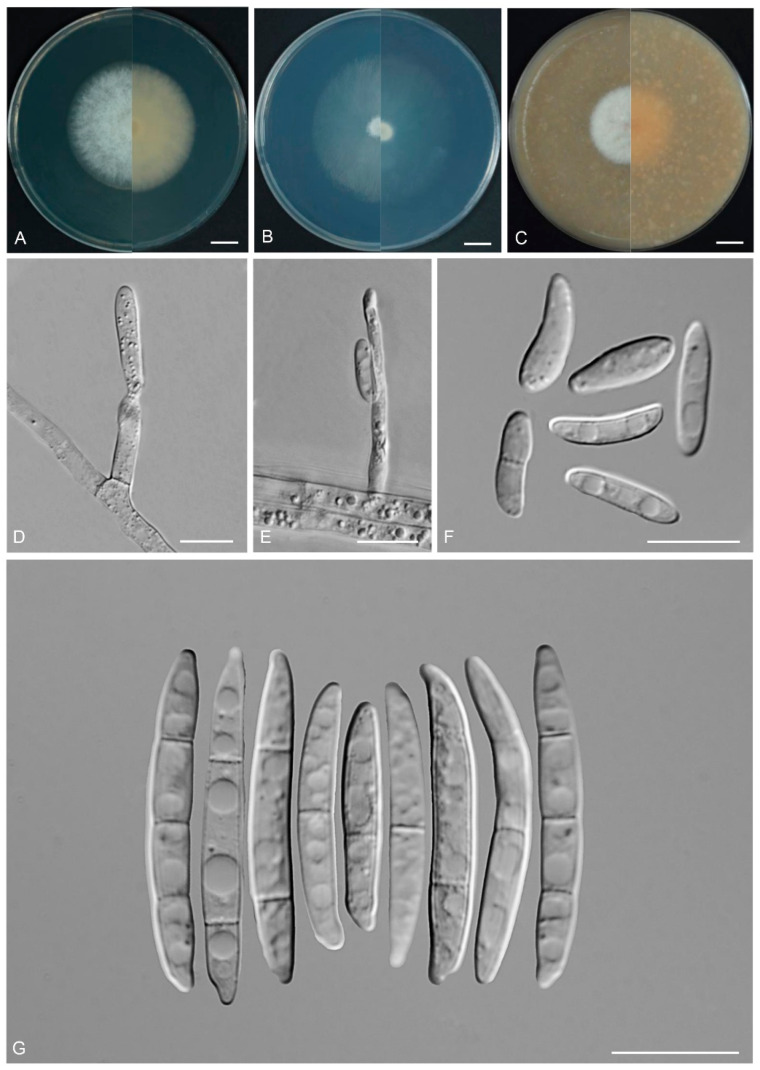 Figure 10
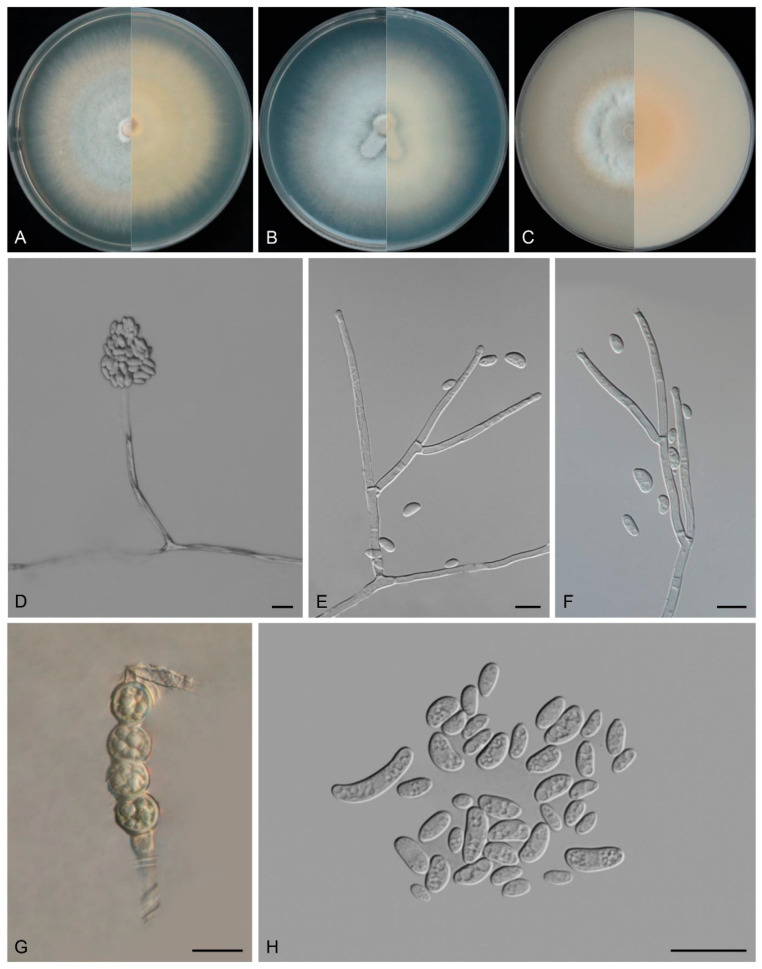 Figure 11
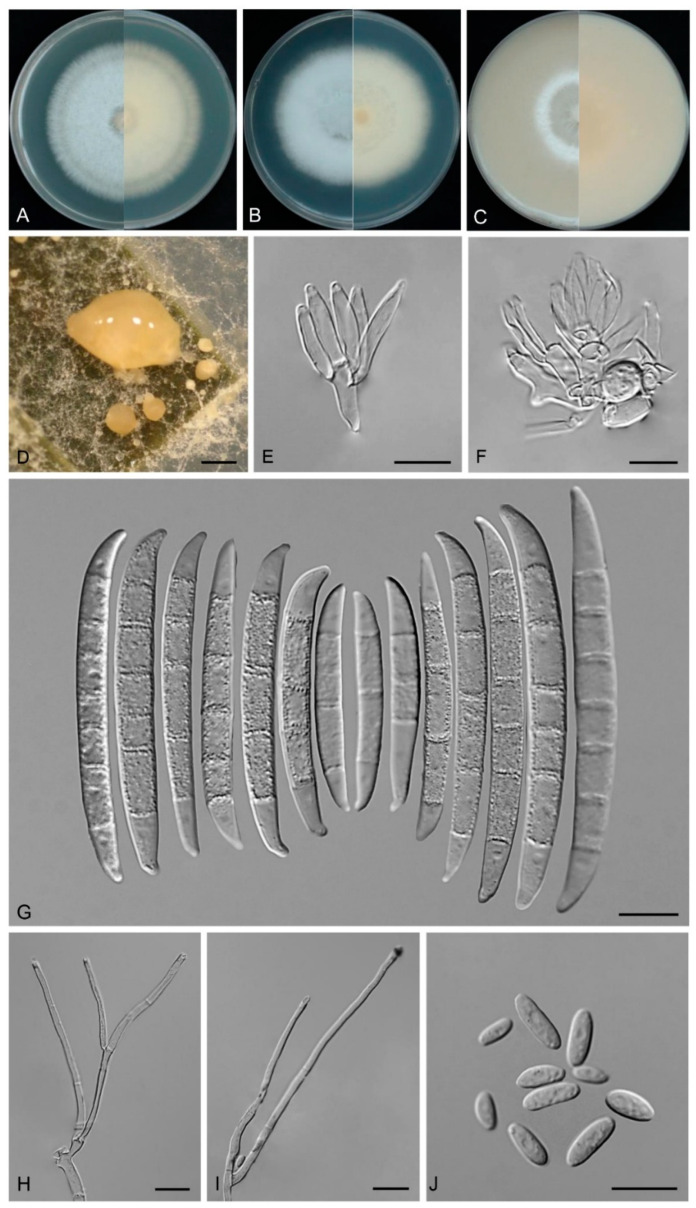 Figure 12
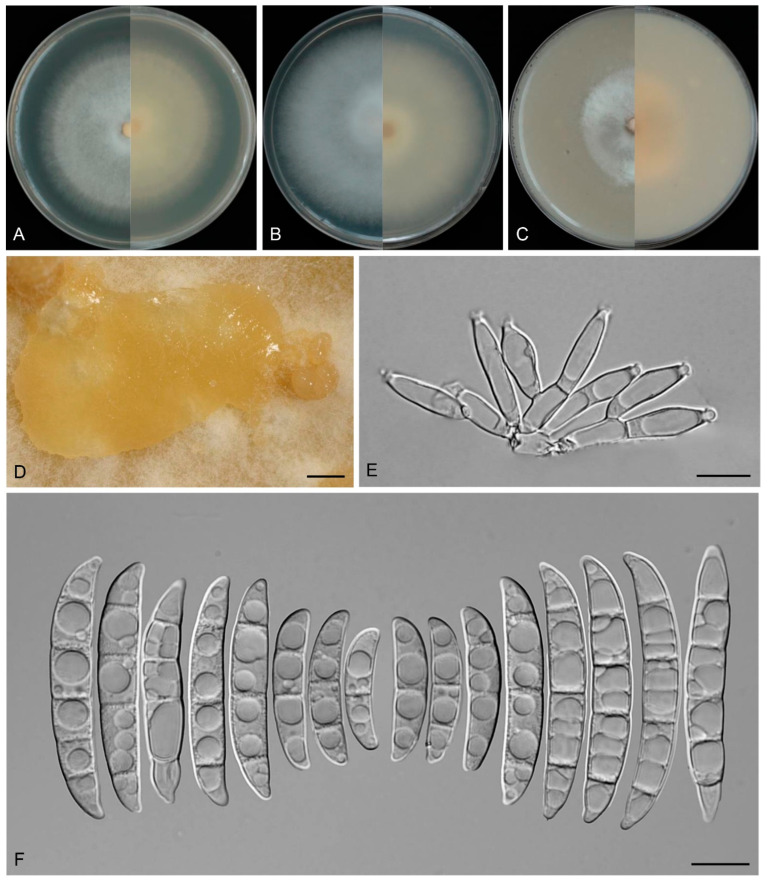 Figure 13
Peer Reviews
No public reviews on file for this paper yet. If you reviewed it on a platform where reviews are public (OpenReview, ICLR, NeurIPS, ICML), you can paste yours below so the community can read it here.
Videos
No videos yet. Explain this paper in a talk, walkthrough, or lecture? Add one.
Taxonomy
TopicsPlant Pathogens and Fungal Diseases · Mycorrhizal Fungi and Plant Interactions · Mycotoxins in Agriculture and Food