Vestibular Versus Cochlear Stimulation on the Relief of Phantom Pain After Traumatic Finger Amputation
José Joaquín Díaz-López, José Adán Miguel-Puga, María Isabel Jaime-Esquivias, Maricela Peña-Chávez, Kathrine Jáuregui-Renaud

TL;DR
This study found that vestibular stimulation, specifically caloric stimulation, can reduce phantom pain after finger amputation, while cochlear stimulation had minimal effect.
Contribution
The study introduces caloric vestibular stimulation as a potential non-invasive treatment for phantom pain after traumatic finger amputation.
Findings
At least one-third of participants reported reduced pain intensity after vestibular stimulation, with effects lasting at least one day.
Cochlear stimulation resulted in pain reduction for less than one-sixth of participants.
Caloric stimulation effects were independent of side or temperature but related to body estrangement sensations.
Abstract
Objective: The aim of this study was to assess the effects of vestibular stimulation (semicircular canals/utricles) compared to cochlear stimulation on phantom pain and depersonalization/derealization symptoms after ≥3 months since traumatic amputation of hand-finger(s). Methods: A total of 125 adults (38.2 ± 8.1 years old) with phantom pain after amputation of one to four fingers agreed to participate. None of them wore prosthetic devices or had history of otology/audiology/vestibular/neurology/rheumatology/orthopedic/psychiatry disorders or psychopharmacological treatment. After a preliminary assessment, in a random order, they were exposed to caloric stimulation (right/left 44 °C/30 °C), centrifuge (right/left), and transient evoked otoacoustic emissions (TOAEs, right/left) with a follow-up of three days in between. Immediately before and after each stimulus, they reported on their…
Genes, proteins, chemicals, diseases, species, mutations and cell lines named across the full text — each resolved to its canonical identifier and authoritative record.
Click any figure to enlarge with its caption.
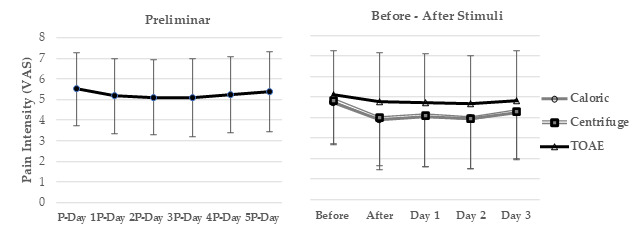 Figure 1
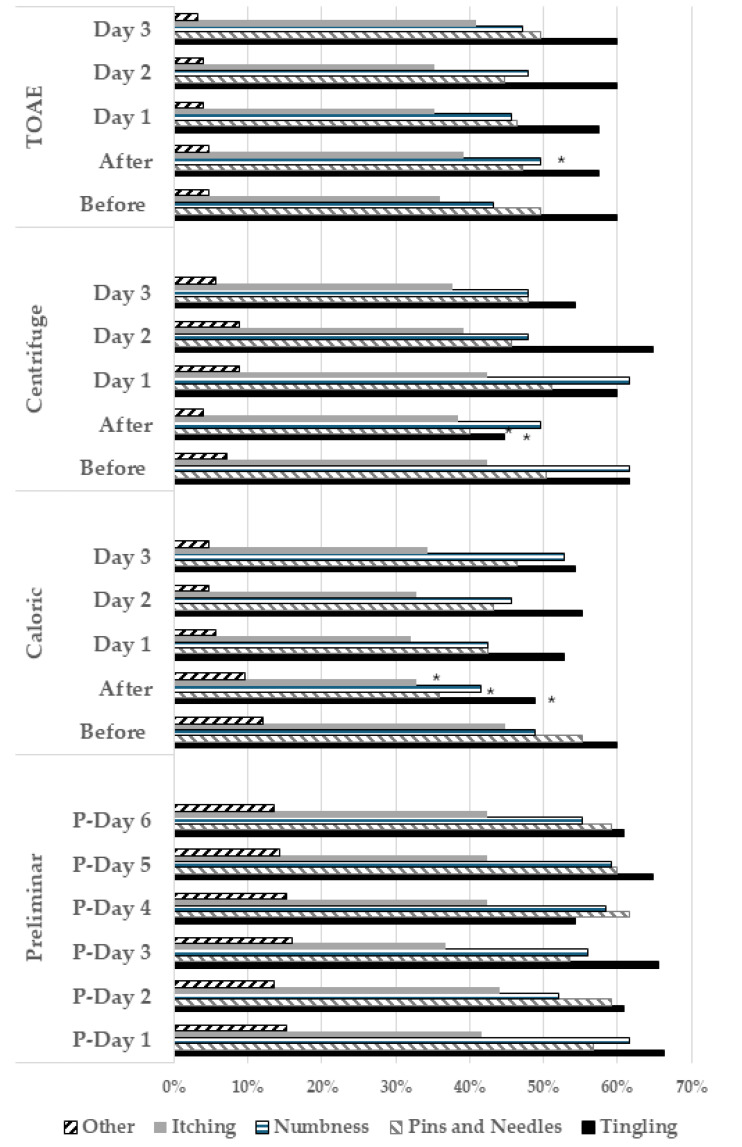 Figure 2
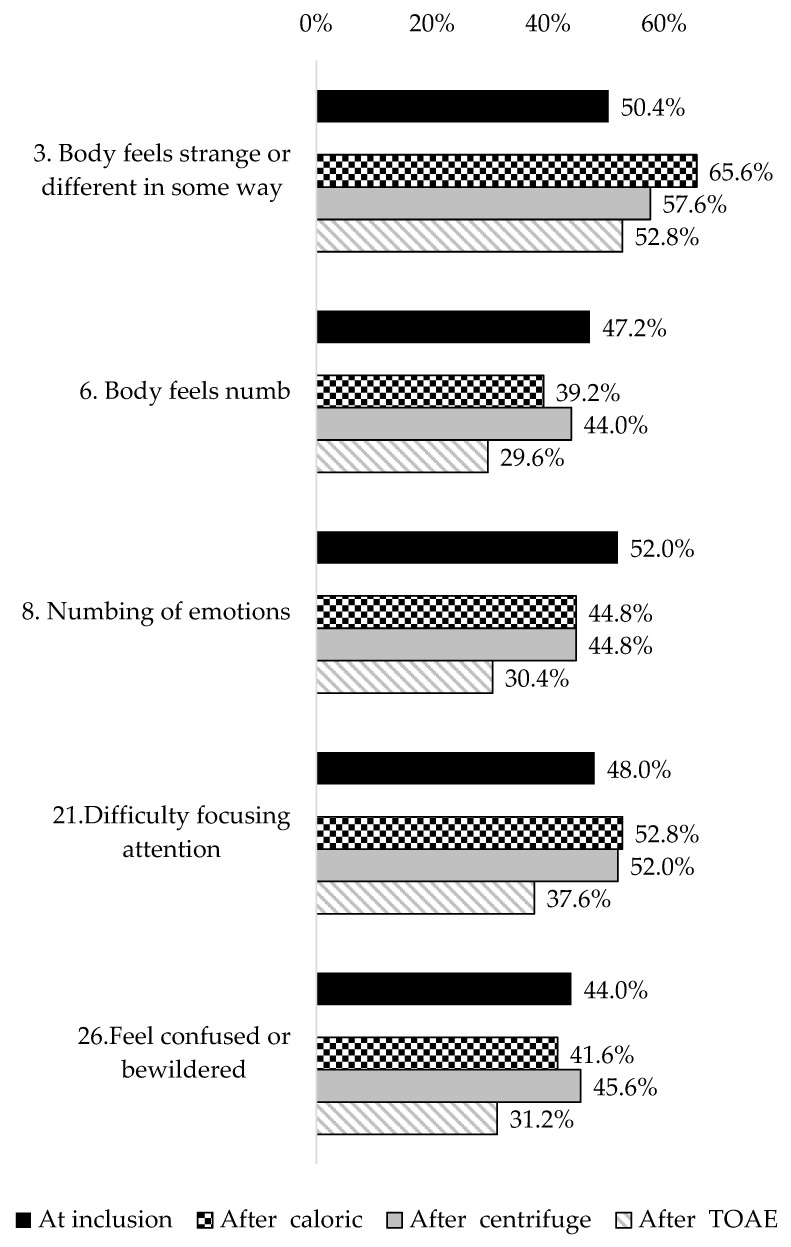 Figure 3
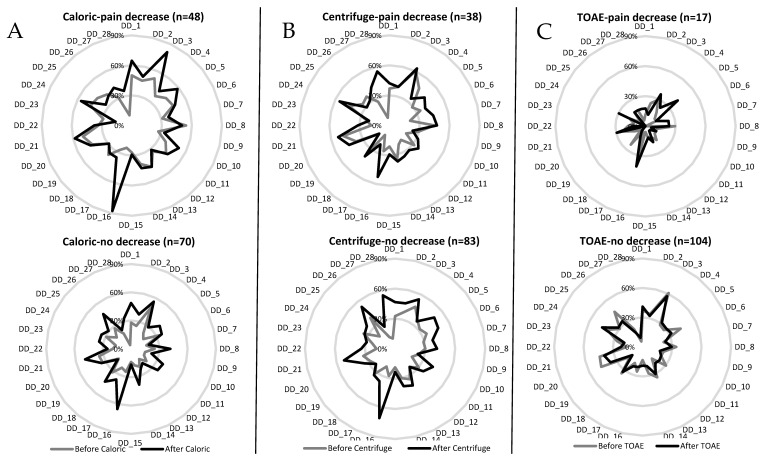 Figure 4
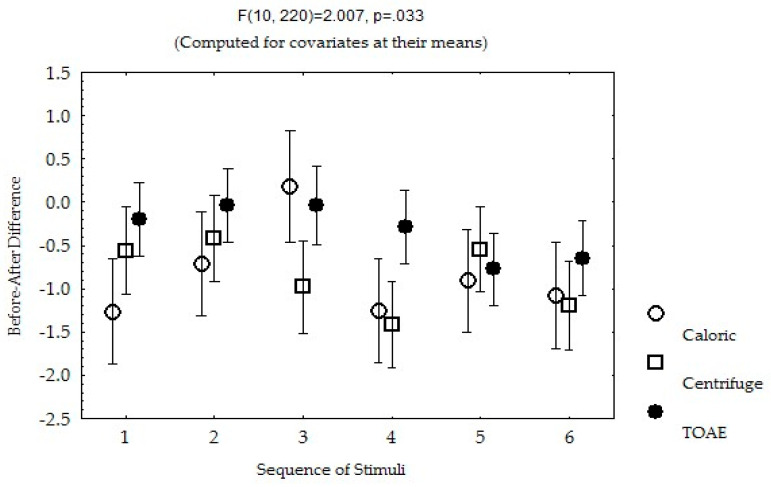 Figure 5
Peer Reviews
No public reviews on file for this paper yet. If you reviewed it on a platform where reviews are public (OpenReview, ICLR, NeurIPS, ICML), you can paste yours below so the community can read it here.
Videos
No videos yet. Explain this paper in a talk, walkthrough, or lecture? Add one.
Taxonomy
TopicsLaser Applications in Dentistry and Medicine · Acupuncture Treatment Research Studies · Pain Management and Treatment