A Review Discussing Synthesis and Translational Studies of Medicinal Agents Targeting Sphingolipid Pathways
Sameena Mateen, Jordan Oman, Soha Haniyyah, Kavita Sharma, Ali Aghazadeh-Habashi, Srinath Pashikanti

TL;DR
This review discusses medicinal agents targeting sphingolipid pathways and their potential for treating diseases like cancer and neurodegenerative disorders.
Contribution
The paper provides a comprehensive evaluation of sphingolipid-based drug candidates and their translational studies.
Findings
Sphingolipid pathways are implicated in multiple diseases, including cancer and neurodegenerative disorders.
Several sphingoid-based medicinal agents are in preclinical and clinical studies.
Enantioselective syntheses and molecular modeling are advancing drug development in this area.
Abstract
Sphingolipids (SLs) are a class of bioactive lipids characterized by sphingoid bases (SBs) as their backbone structure. These molecules exhibit distinct cellular functions, including cell growth, apoptosis, senescence, migration, and inflammatory responses, by interacting with esterases, amidases, kinases, phosphatases, and membrane receptors. These interactions result in a highly interconnected network of enzymes and pathways, known as the sphingolipidome. Dysregulation within this network is implicated in the onset and progression of cardiovascular diseases, metabolic disorders, neurodegenerative disorders, autoimmune diseases, and various cancers. This review highlights the pharmacologically significant sphingoid-based medicinal agents in preclinical and clinical studies. These include myriocin, fingolimod, fenretinide, safingol, spisulosine (ES-285), jaspine B, D-e-MAPP, B13, and…
Genes, proteins, chemicals, diseases, species, mutations and cell lines named across the full text — each resolved to its canonical identifier and authoritative record.
Click any figure to enlarge with its caption.
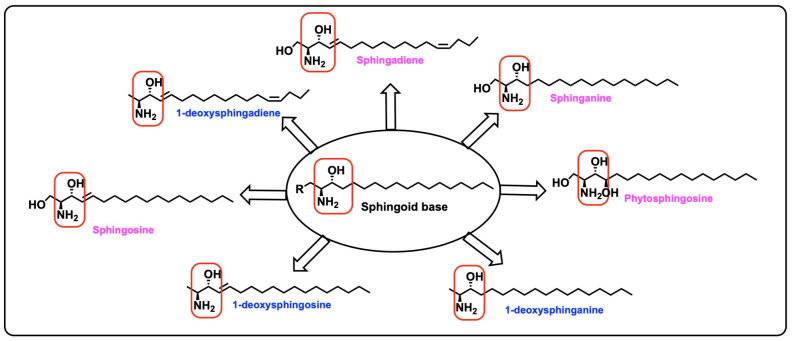 Figure 1
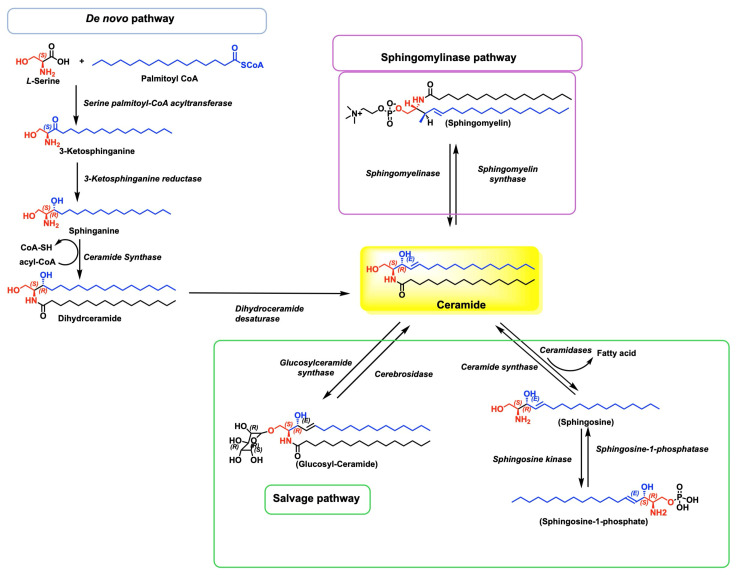 Figure 2
 Figure 3
 Figure 4
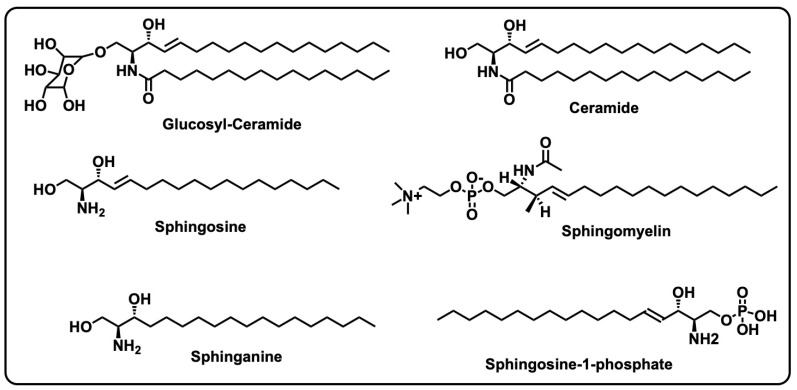 Figure 5
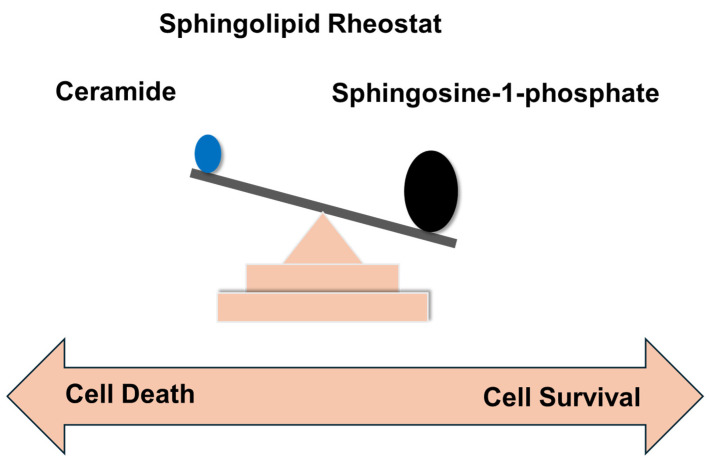 Figure 6
 Figure 7
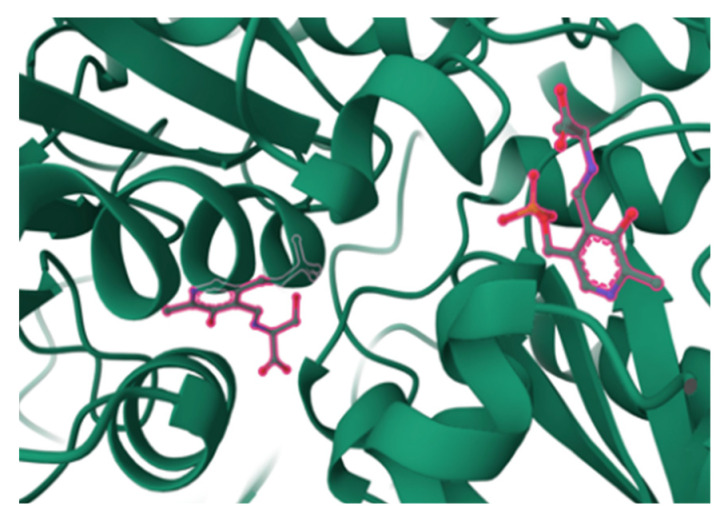 Figure 8
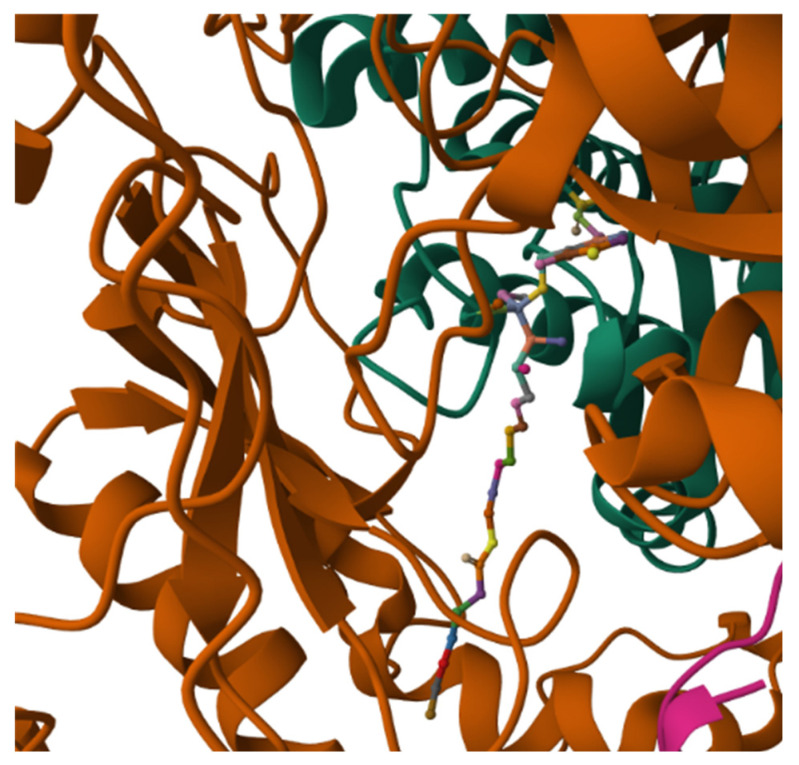 Figure 9
 Figure 10
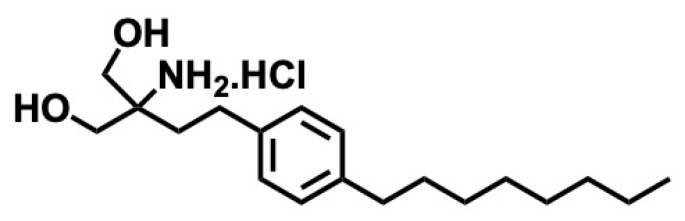 Figure 11
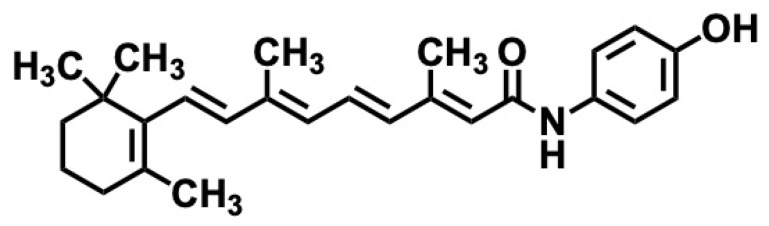 Figure 12
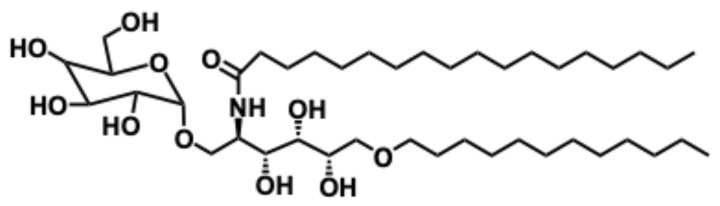 Figure 13
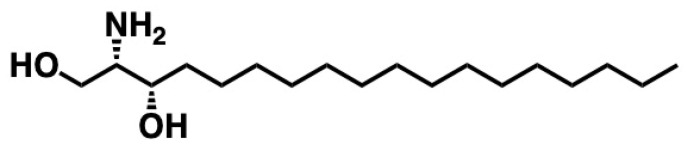 Figure 14
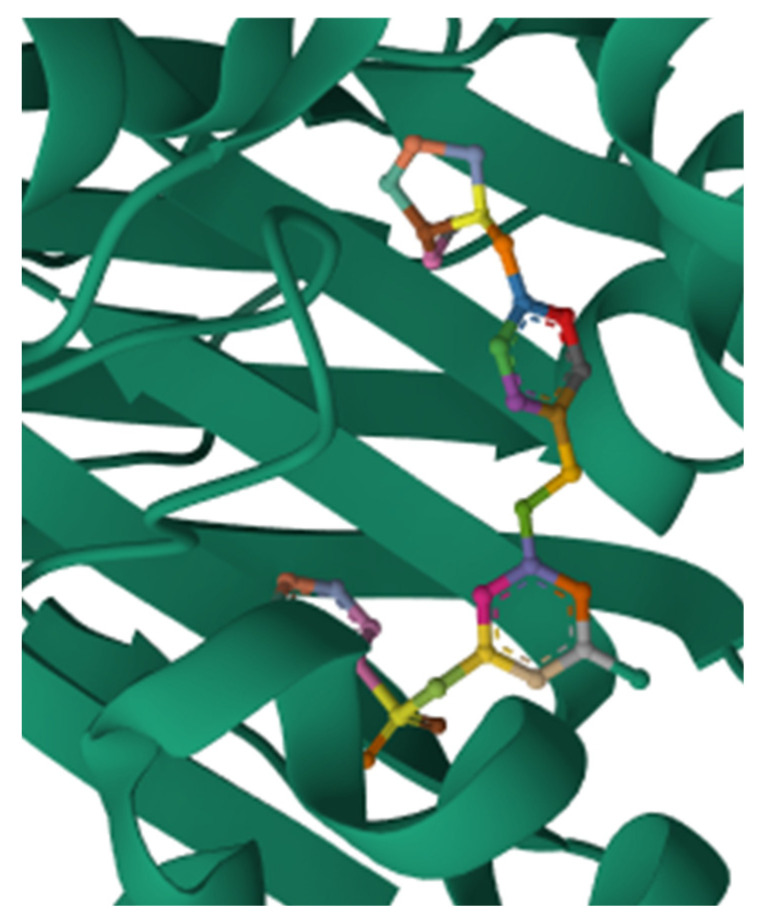 Figure 15
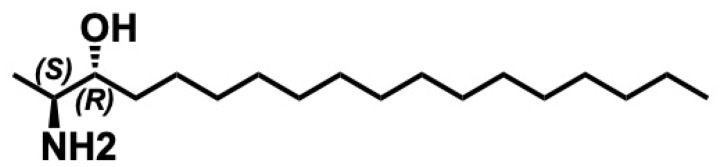 Figure 16
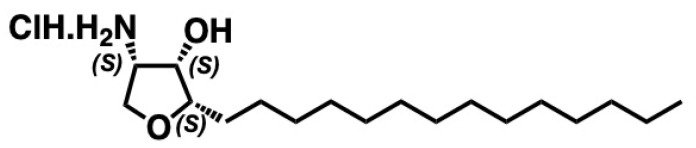 Figure 17
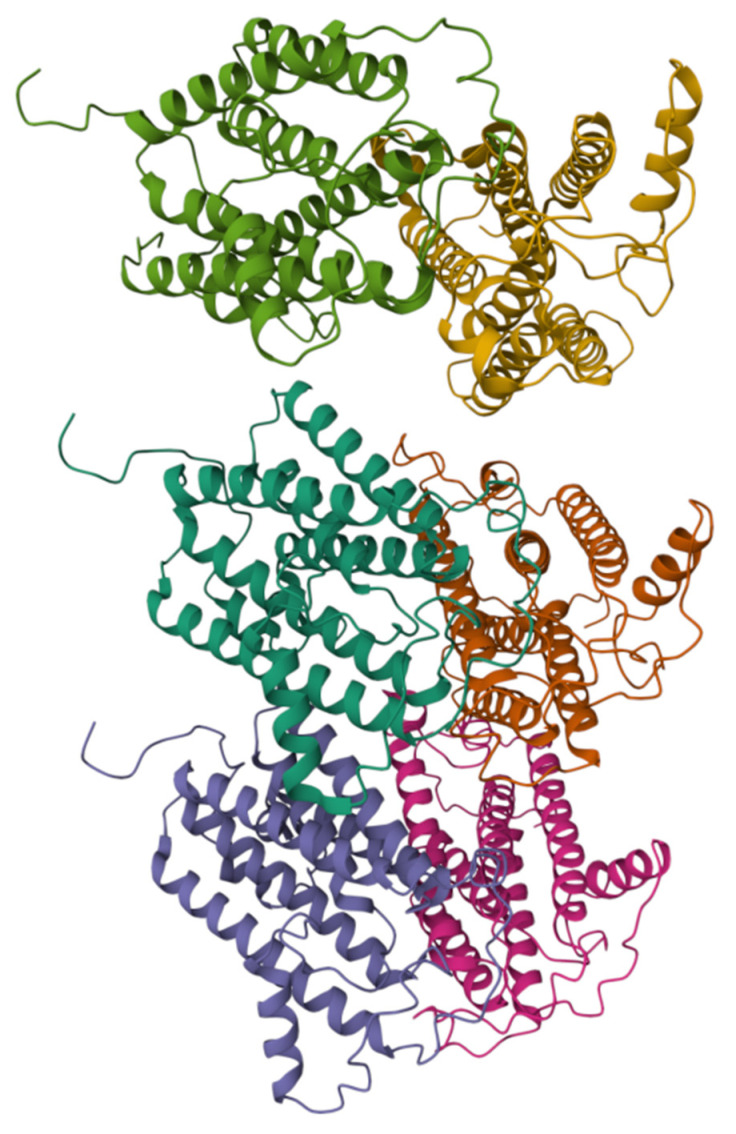 Figure 18
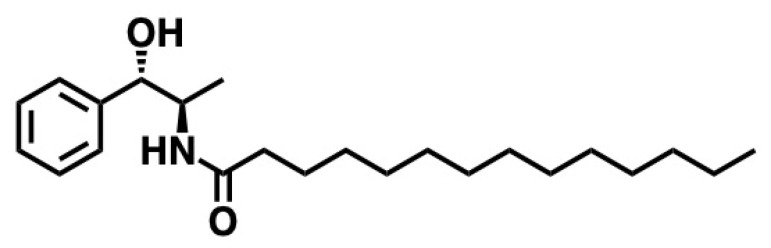 Figure 19
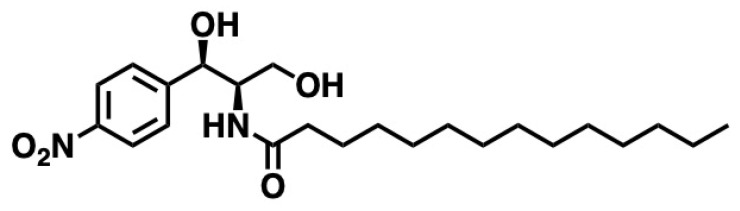 Figure 20
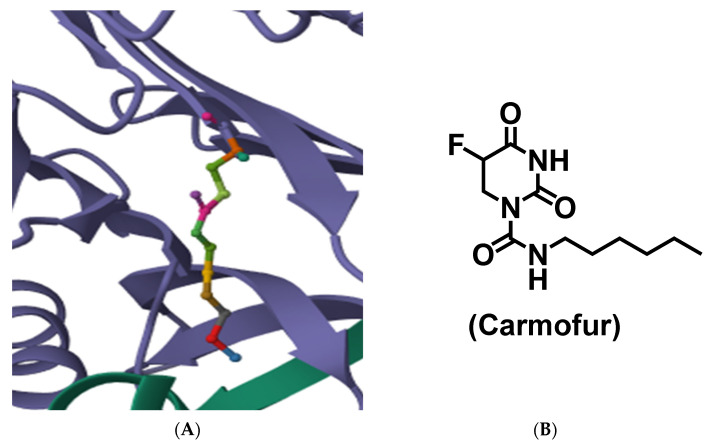 Figure 21
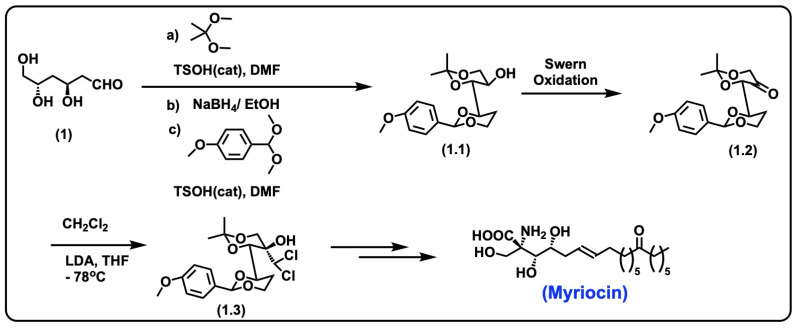 Figure 22
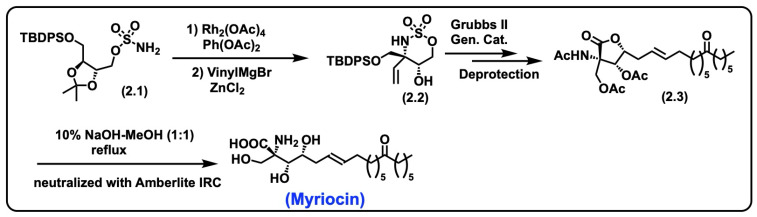 Figure 23
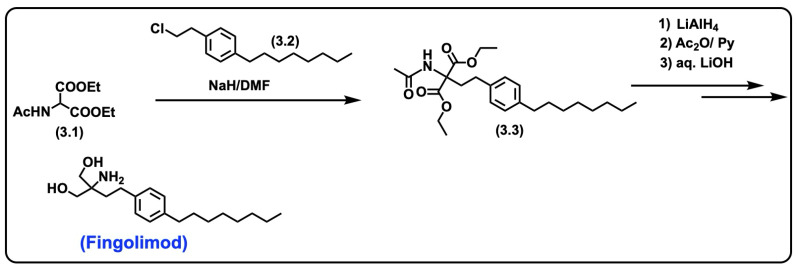 Figure 24
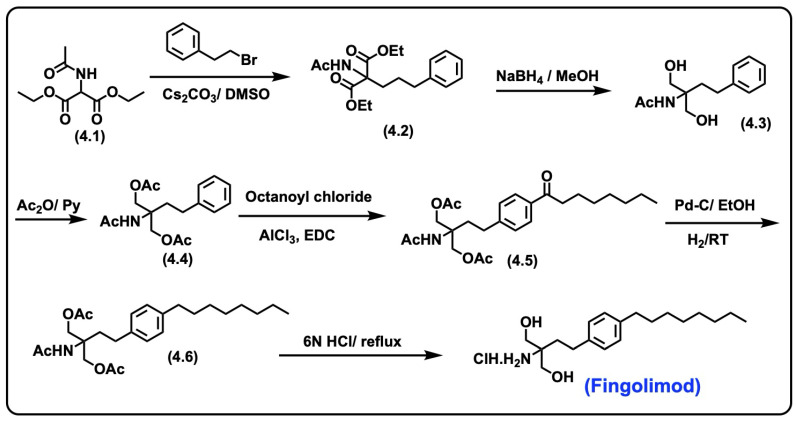 Figure 25
 Figure 26
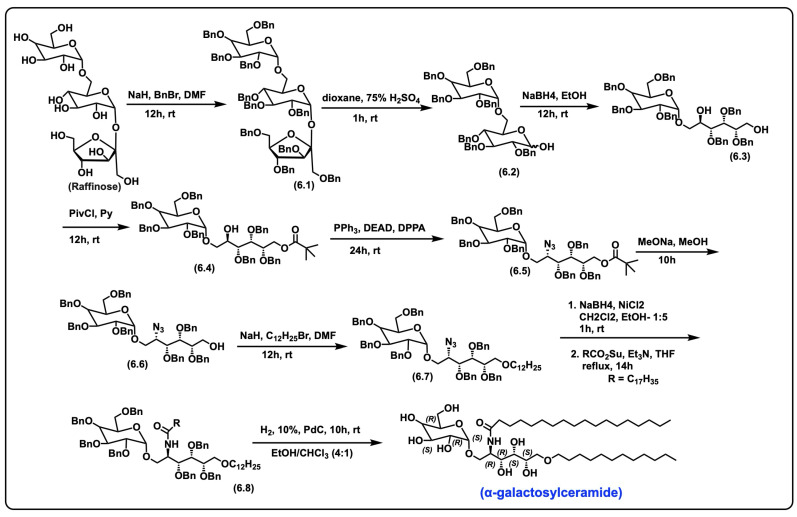 Figure 27
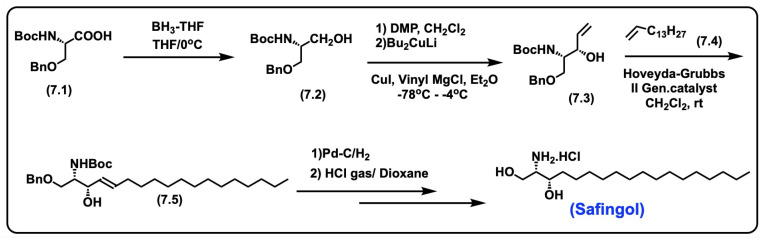 Figure 28
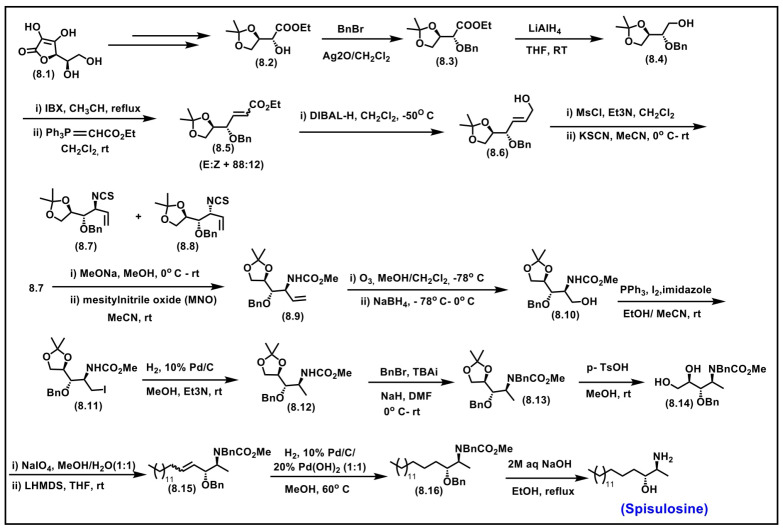 Figure 29
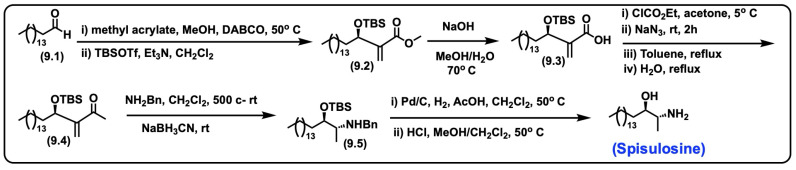 Figure 30
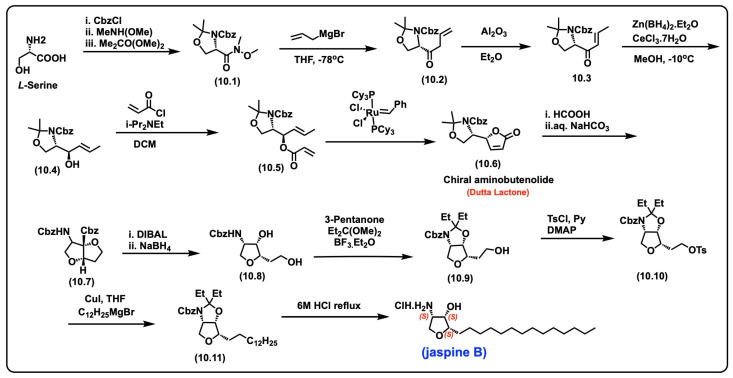 Figure 31
 Figure 32
 Figure 33
Peer Reviews
No public reviews on file for this paper yet. If you reviewed it on a platform where reviews are public (OpenReview, ICLR, NeurIPS, ICML), you can paste yours below so the community can read it here.
Videos
No videos yet. Explain this paper in a talk, walkthrough, or lecture? Add one.
Taxonomy
TopicsSphingolipid Metabolism and Signaling · Lysosomal Storage Disorders Research · Calcium signaling and nucleotide metabolism