3-O Sulfated Heparan Sulfate (G2) Peptide Ligand Impairs the Infectivity of Chlamydia muridarum
Weronika Hanusiak, Purva Khodke, Jocelyn Mayen, Kennedy Van, Ira Sigar, Balbina J. Plotkin, Amber Kaminski, James Elste, Bajarang Vasant Kumbhar, Vaibhav Tiwari

TL;DR
A sulfated heparan sulfate peptide (G2) significantly reduces Chlamydia muridarum infectivity by impairing entry into host cells.
Contribution
The study demonstrates that G2 peptide, which targets 3-O sulfated heparan sulfate, effectively neutralizes Chlamydia muridarum entry.
Findings
Pretreatment with G2 peptide reduced Chlamydia infectivity by over 80% in multiple cell lines.
Molecular simulations showed strong binding affinity of G2 to the Chlamydia lipid bilayer membrane.
3-OST-3 enzyme expression did not enhance Chlamydia entry, suggesting no role in infection.
Abstract
Background: Heparan sulfate (HS) is widely implicated as a receptor for Chlamydia cell attachment and infectivity. However, the enzymatic modification of HS modified by the 3-O sulfotransferase-3 (3-OST-3) enzyme in chlamydial cell entry remains unknown. Methodology: To rule out the possibility that host cell 3-O sulfated heparan sulfate (3-OS HS) plays a significant role in C. muridarum entry, a Chinese hamster ovary (CHO-K1) cell model lacking endogenous 3-OST-3 was used. In addition, we further tested the efficacy of the phage-display-derived cationic peptides recognizing heparan sulfate (G1 peptide) and the moieties of 3-O sulfated heparan sulfate (G2 peptide) against C. muridarum entry using human cervical adenocarcinoma (HeLa 229) and human vaginal epithelial (VK2/E6E7) cell lines. Furthermore, molecular dynamics simulations were conducted to investigate the interactions of the…
Genes, proteins, chemicals, diseases, species, mutations and cell lines named across the full text — each resolved to its canonical identifier and authoritative record.
Click any figure to enlarge with its caption.
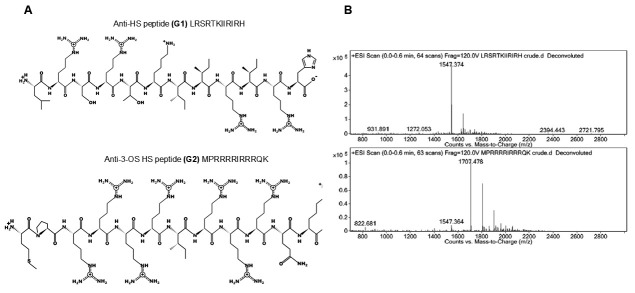 Figure 1
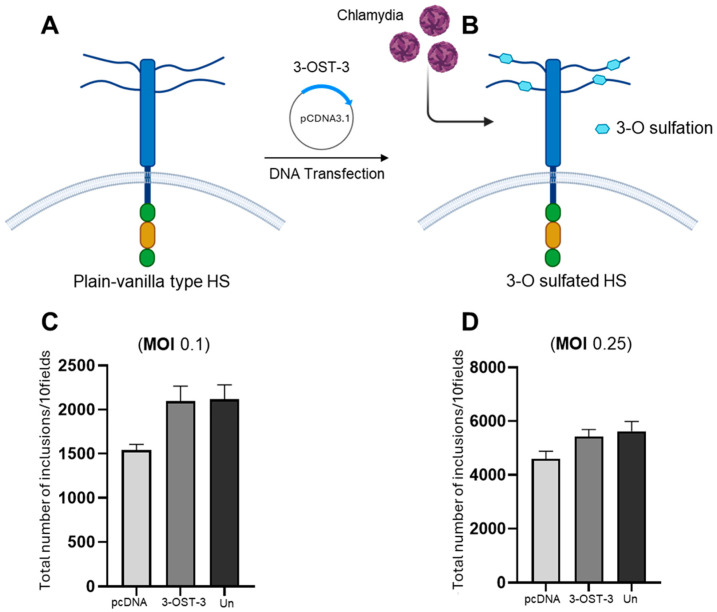 Figure 2
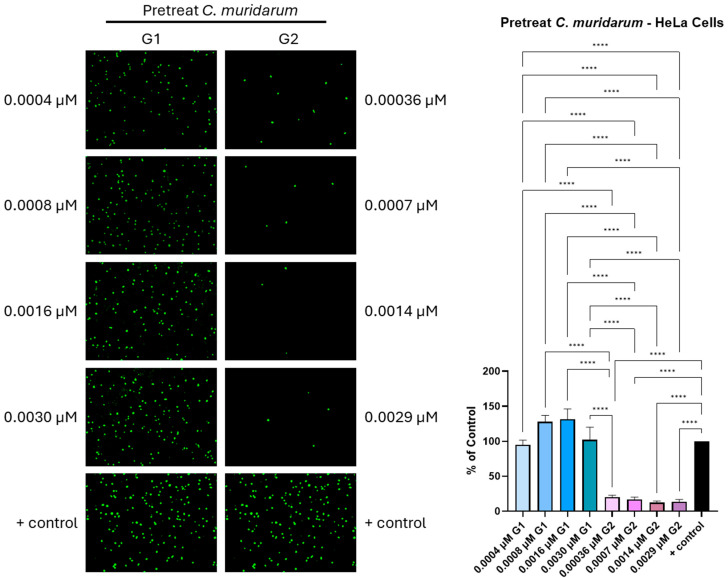 Figure 3
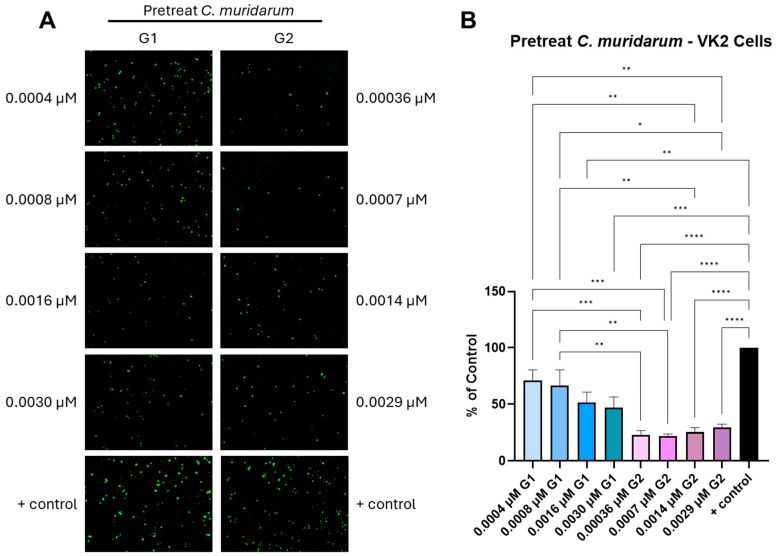 Figure 4
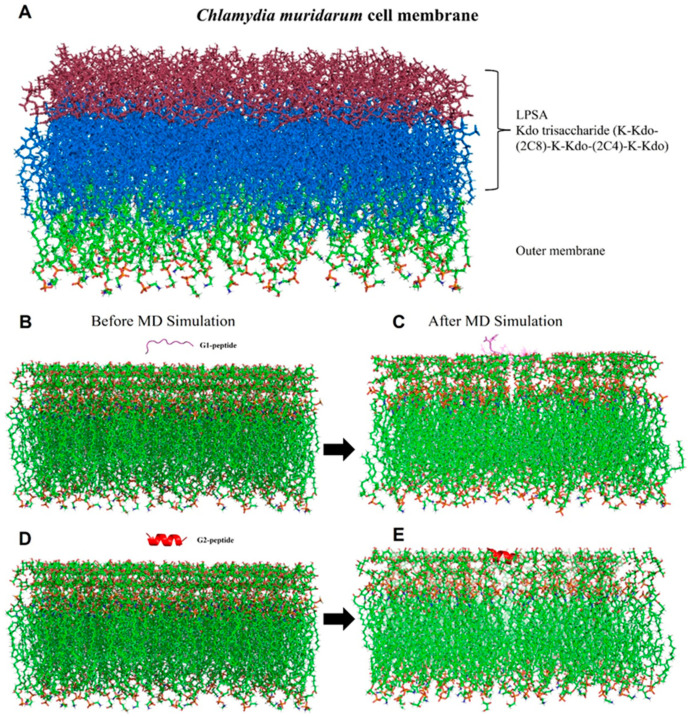 Figure 5
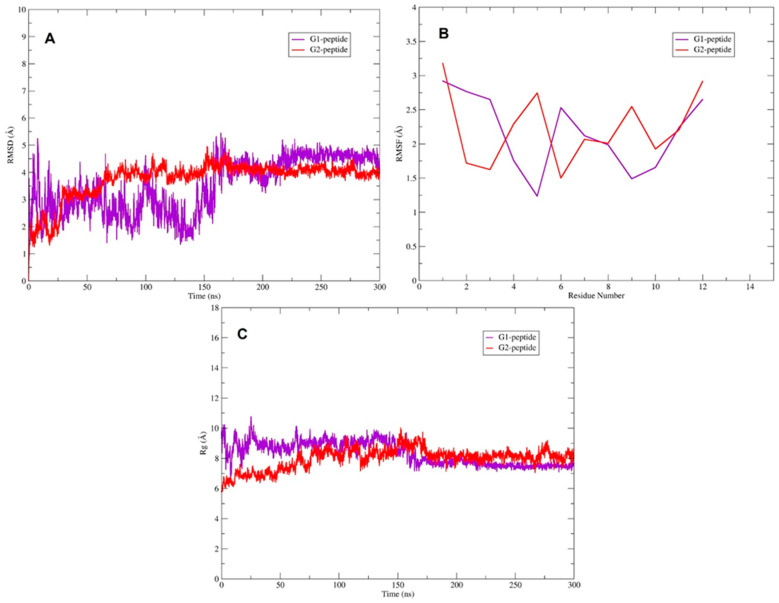 Figure 6
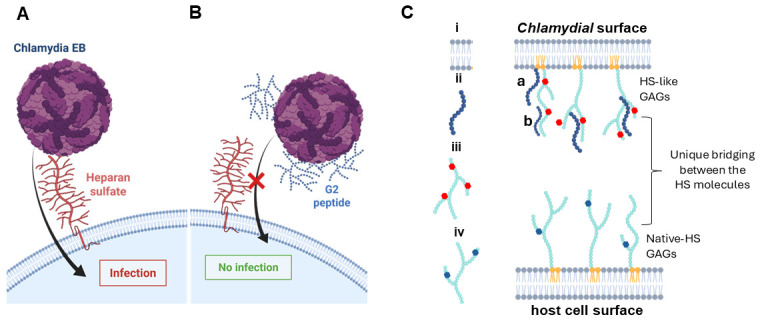 Figure 7
Peer Reviews
No public reviews on file for this paper yet. If you reviewed it on a platform where reviews are public (OpenReview, ICLR, NeurIPS, ICML), you can paste yours below so the community can read it here.
Videos
No videos yet. Explain this paper in a talk, walkthrough, or lecture? Add one.
Taxonomy
TopicsReproductive tract infections research · Proteoglycans and glycosaminoglycans research · Glycosylation and Glycoproteins Research