Modulatory Effects of Urtica dioica on Neurodegenerative Diseases: Unveiling the Latest Findings and Applications Related to Neuroinflammation, Oxidative Stress, and Cognitive Dysfunction
Ahlem Chira, Stefano Lorenzetti

TL;DR
This paper reviews how Urtica dioica may help treat neurodegenerative diseases by reducing inflammation, oxidative stress, and cognitive decline.
Contribution
The paper provides a novel synthesis of Urtica dioica's phytochemical effects on neurodegenerative pathways and cognitive function.
Findings
Urtica dioica's phytochemicals reduce neuroinflammation and oxidative stress in neurodegenerative diseases.
Flavonoids and polyphenols in Urtica dioica support neuronal plasticity and cognitive function.
The plant shows potential for neuroprotection in Alzheimer’s, Parkinson’s, and Multiple Sclerosis.
Abstract
Over the past decade, Urtica dioica L. (U. dioica) has gained prominence in biomedical research, particularly for its potential therapeutic applications in neurodegenerative diseases. This comprehensive review explores its botanical characteristics, toxicological considerations, and extensive traditional medicinal uses. Emphasizing the roles of phytochemical constituents such as flavonoids and overall polyphenolic compounds, this review examines their impact on mitigating critical pathways, such as neuroinflammation, oxidative stress, and mitochondrial dysfunction—all of which are implicated in Alzheimer’s Disease (AD), Parkinson’s Disease (PD), and Multiple Sclerosis (MS)—and, overall, in neurodegenerative processes in both humans and animal models. Notably, some phytochemicals are known to modulate crucial pathways for neuronal plasticity, learning, and memory, thereby enhancing…
Genes, proteins, chemicals, diseases, species, mutations and cell lines named across the full text — each resolved to its canonical identifier and authoritative record.
Click any figure to enlarge with its caption.
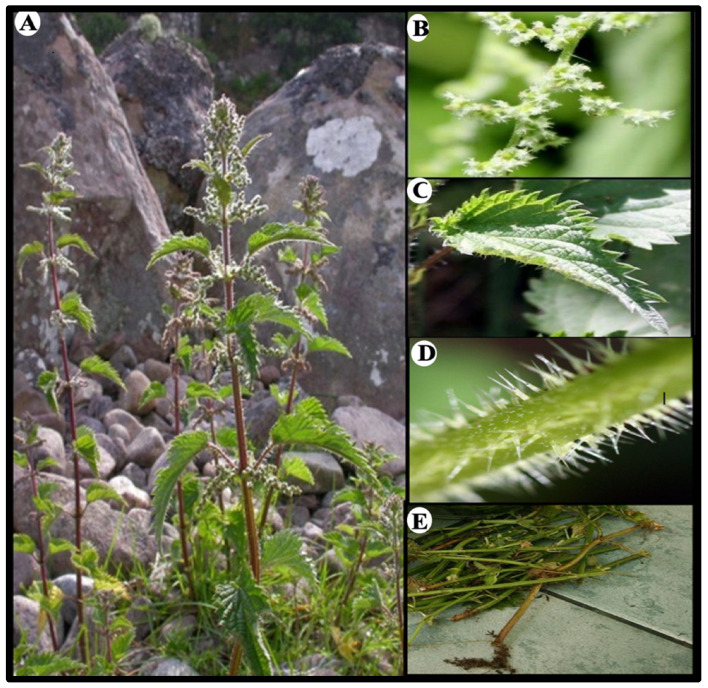 Figure 1
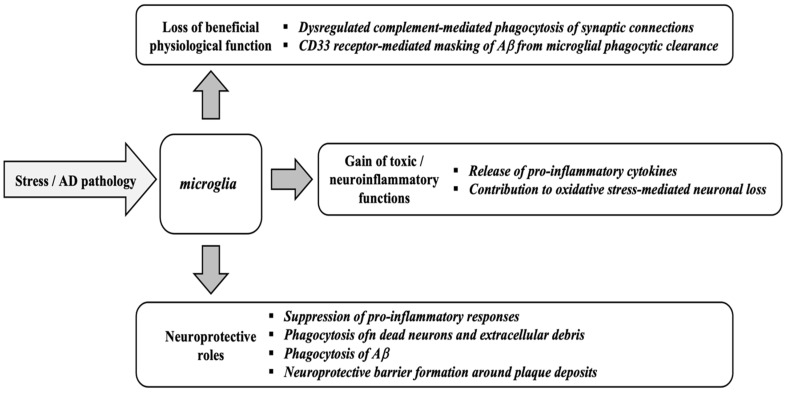 Figure 2
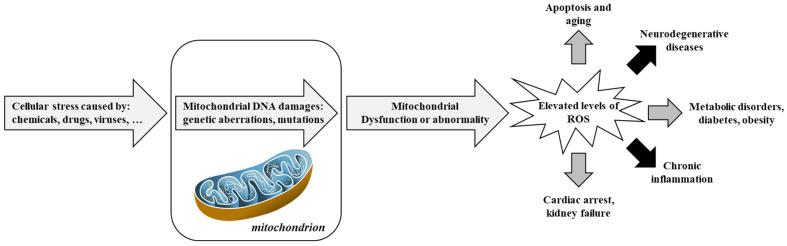 Figure 3
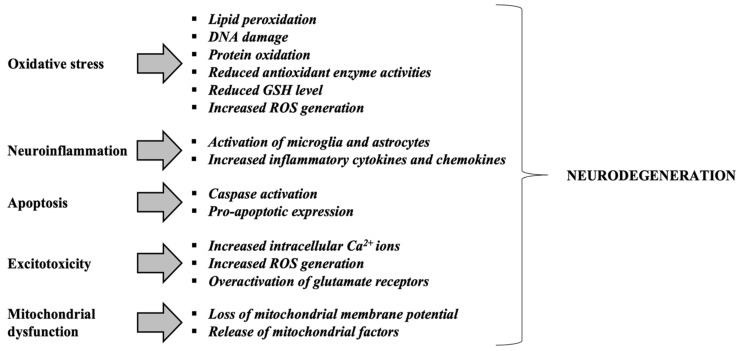 Figure 4
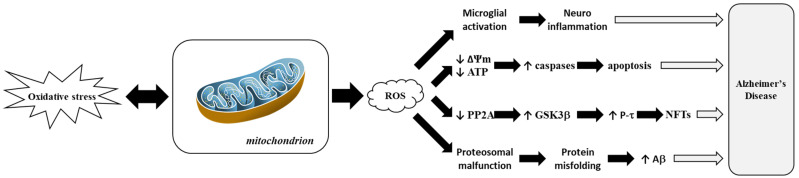 Figure 5
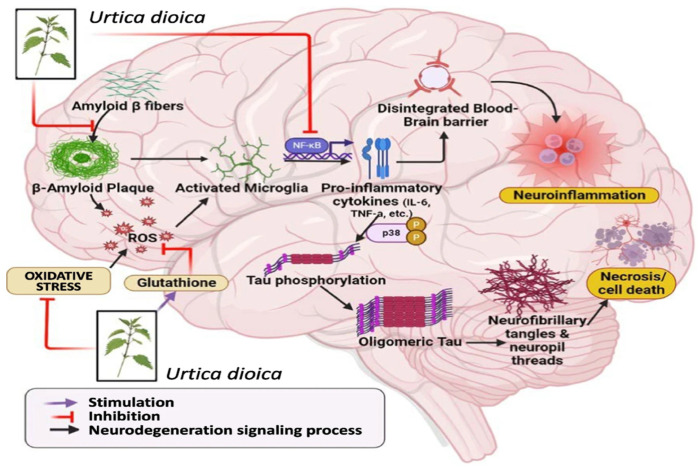 Figure 6
Peer Reviews
No public reviews on file for this paper yet. If you reviewed it on a platform where reviews are public (OpenReview, ICLR, NeurIPS, ICML), you can paste yours below so the community can read it here.
Videos
No videos yet. Explain this paper in a talk, walkthrough, or lecture? Add one.
Taxonomy
TopicsMedicinal plant effects and applications · Phytochemicals and Antioxidant Activities · Olfactory and Sensory Function Studies