β-Secosterol, an Oxyphytosterol Produced Through the Reaction of β-Sitosterol with Ozone, Demonstrates Different Cytotoxic Effects on BRL-3A and HTC Cells
Bianca S. Takayasu, Igor R. Martins, Miriam Uemi, Janice Onuki, Glaucia M. Machado-Santelli

TL;DR
Ozone converts β-sitosterol into β-secosterol, which harms liver cells differently depending on whether they are normal or cancerous.
Contribution
β-Secosterol shows distinct cytotoxic and pro-tumoral effects on different liver cell types.
Findings
β-Secosterol induced G0/G1 cell cycle arrest and cytoskeletal disruption in both BRL-3A and HTC cells.
BRL-3A cells showed persistent cytoskeletal changes linked to tumor induction, while HTC cells exhibited chemoresistance and enhanced metastatic potential.
β-Secosterol's effects suggest it may promote tumor-like behavior in non-tumoral cells and resistance in cancer cells.
Abstract
Sitosterol (Sito) is a phytosterol with bioactive properties, including reducing atherosclerosis risk and anti-inflammatory and antitumoral effects. However, it can be oxidized by reactive oxygen species such as ozone (O3), producing oxyphytosterols with harmful effects such as cytotoxicity, oxidative stress, and proatherogenicity. Ozone, a strong oxidant and common pollutant, can alter plant steroid compounds, raising concerns about dietary oxyphytosterol intake. Studies identify β-Secosterol (βSec) as the primary ozone-derived oxyphytosterol from Sito, exhibiting cytotoxic effects on HepG2 human liver tumor cells. This study investigated βSec’s biological effects on two rat liver cell lines: BRL-3A (immortalized) and HTC (tumoral), examining cell death, cell cycle progression, morphology, and cytoskeleton organization. While Sito influenced cell metabolic activity without affecting…
Genes, proteins, chemicals, diseases, species, mutations and cell lines named across the full text — each resolved to its canonical identifier and authoritative record.
Click any figure to enlarge with its caption.
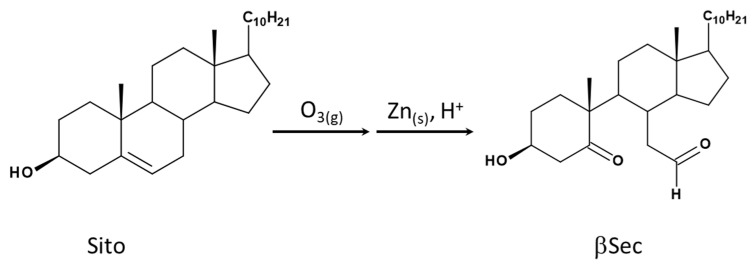 Figure 1
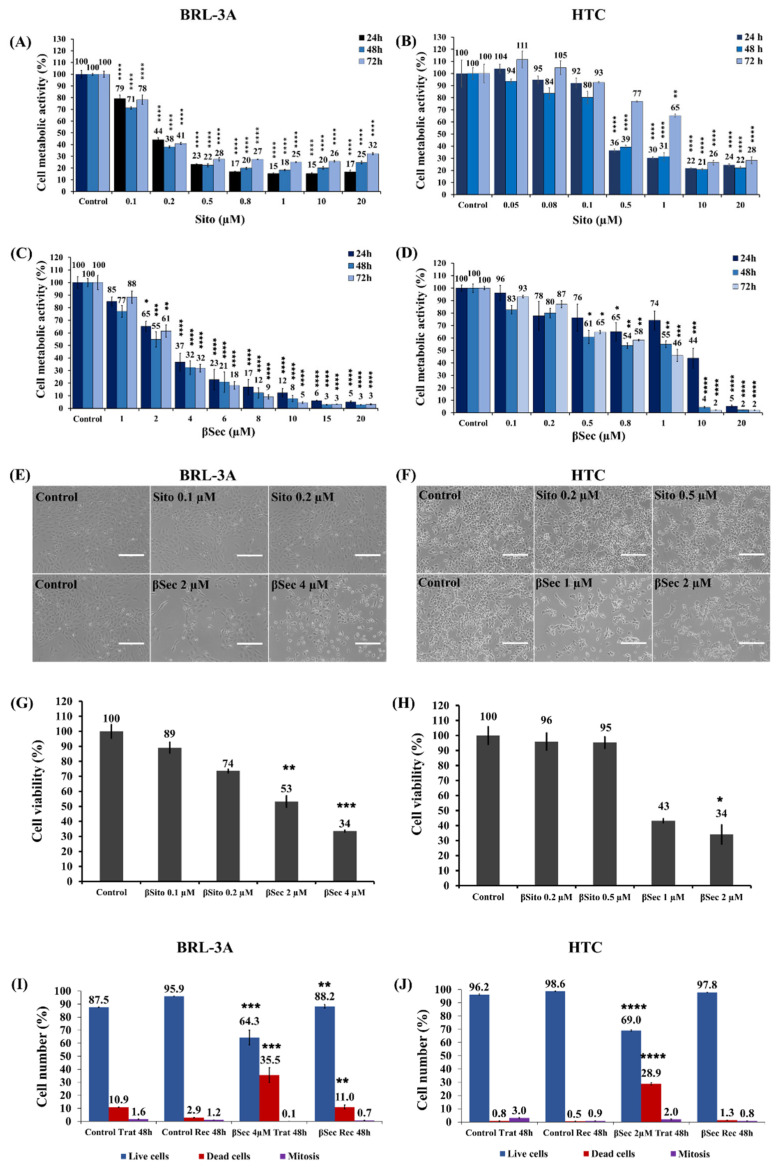 Figure 2
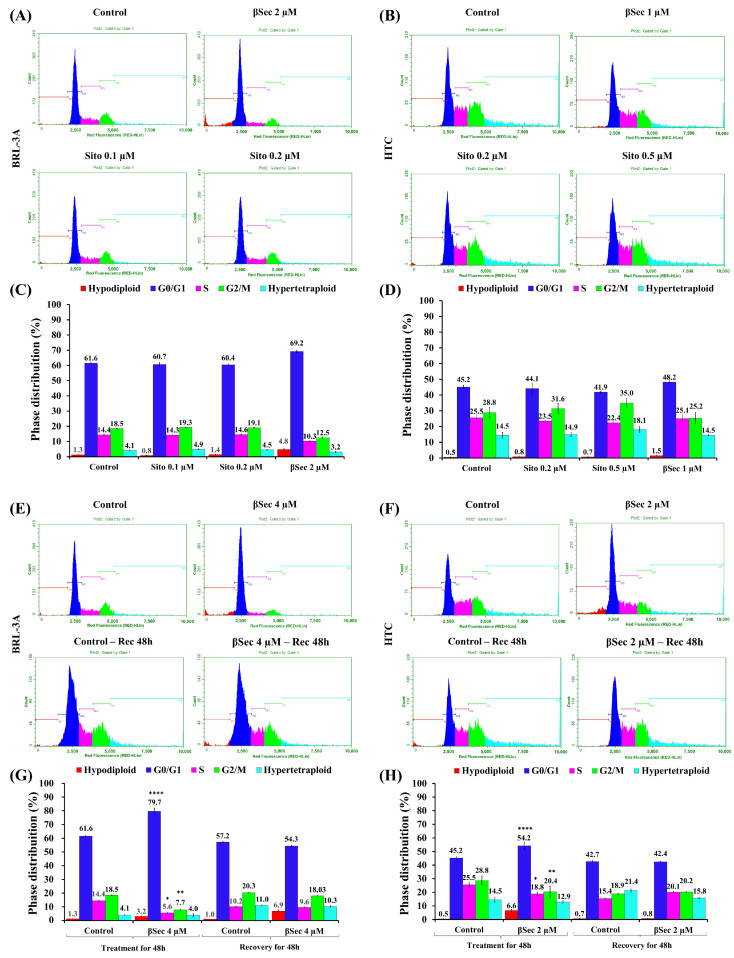 Figure 3
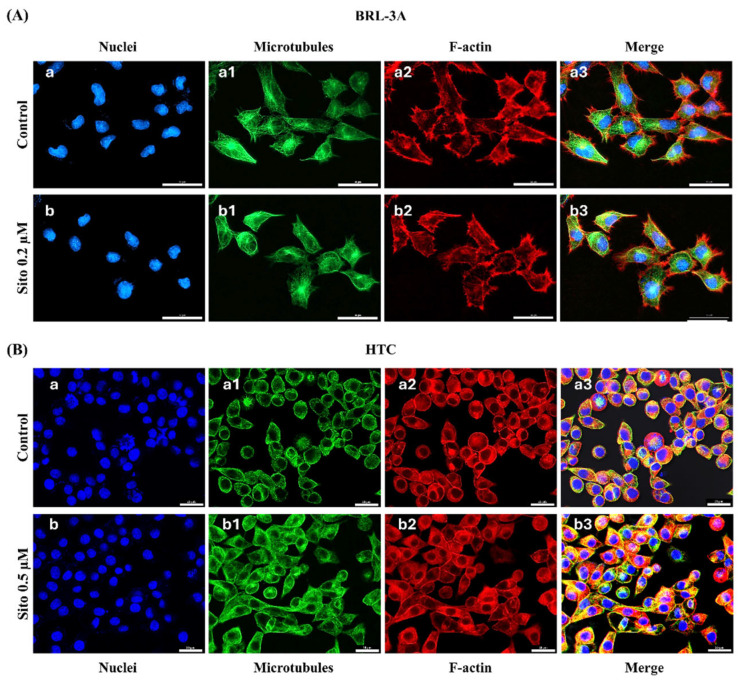 Figure 4
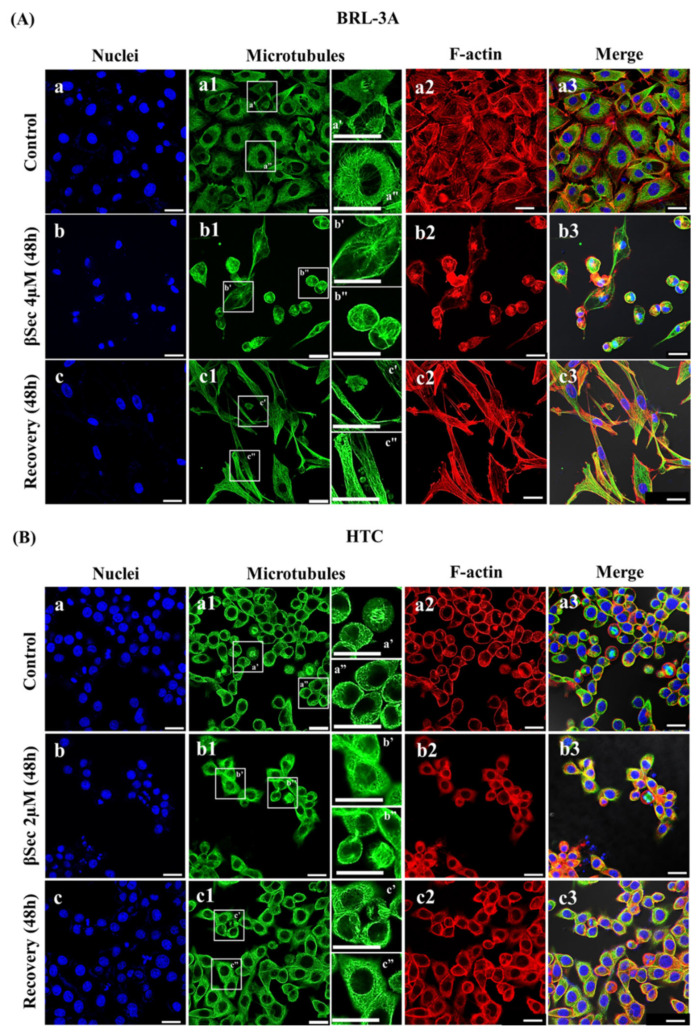 Figure 5
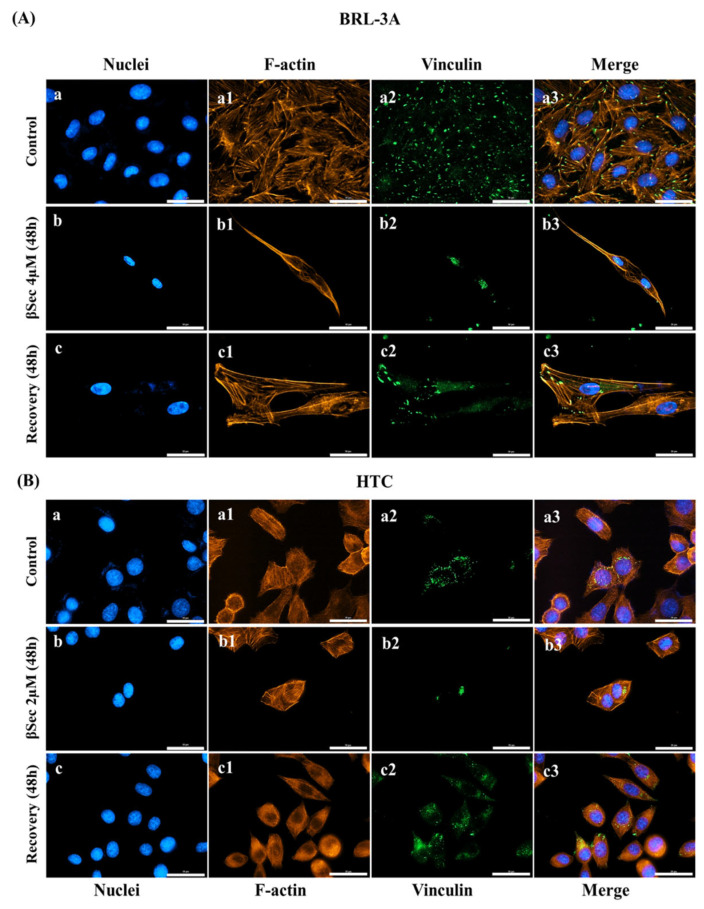 Figure 6
Peer Reviews
No public reviews on file for this paper yet. If you reviewed it on a platform where reviews are public (OpenReview, ICLR, NeurIPS, ICML), you can paste yours below so the community can read it here.
Videos
No videos yet. Explain this paper in a talk, walkthrough, or lecture? Add one.
Taxonomy
TopicsCholesterol and Lipid Metabolism · Steroid Chemistry and Biochemistry · Cancer, Lipids, and Metabolism