Will Wind Turbines Affect the Distribution of Alashan Ground Squirrel? Insights from Large-Scale Wind Farms in China
Yuan Wang, Wenbin Yang, Qin Li, Min Zhao, Ying Yang, Xiangfeng Shi, Dazhi Zhang, Guijun Yang

TL;DR
This study examines how wind farms in China affect the burrowing behavior of Alashan ground squirrels, finding that they avoid areas under turbines but prefer regions with higher turbine power and specific environmental conditions.
Contribution
The study provides novel insights into how wind farm power and environmental factors influence the spatial distribution of burrows in desert steppe rodents.
Findings
Alashan ground squirrels avoid building burrows under wind turbines, especially within rotor-swept areas.
Burrow density increases in areas with higher turbine power and specific terrain and vegetation conditions.
Vegetation height negatively affects burrow density, while turbine power and convex landforms have positive effects.
Abstract
Wind energy is widely promoted as a clean energy source, but its ecological impacts, especially in grassland ecosystems, are not fully understood. This study looked at how wind farms in the desert steppe of northwestern China affect the burrowing behaviour of the Alashan ground squirrel (Spermophilus alashanicus), a typical ground-dwelling rodent. We found that these animals tend to avoid building burrows directly under wind turbines, especially within the area swept by the blades. Interestingly, the number of effective burrows increased in areas with higher turbine power. Burrow locations were also influenced by terrain and vegetation height. These findings help us better understand how wind farms may influence local wildlife and provide useful information for balancing renewable energy development with grassland conservation. The wind energy resources in the northwestern desert and…
Genes, proteins, chemicals, diseases, species, mutations and cell lines named across the full text — each resolved to its canonical identifier and authoritative record.
Click any figure to enlarge with its caption.
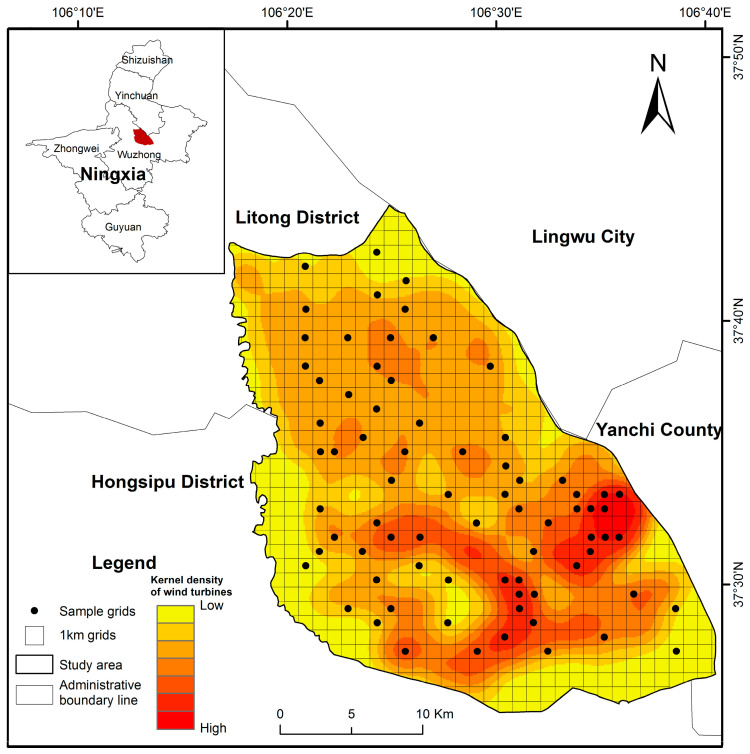 Figure 1
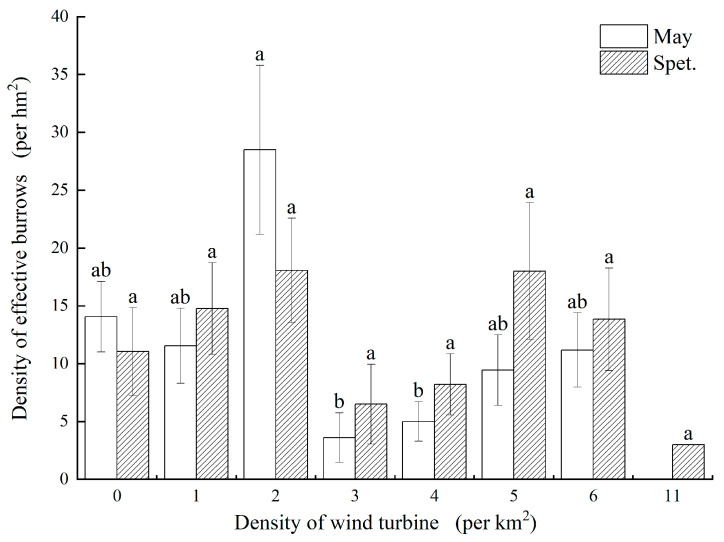 Figure 2
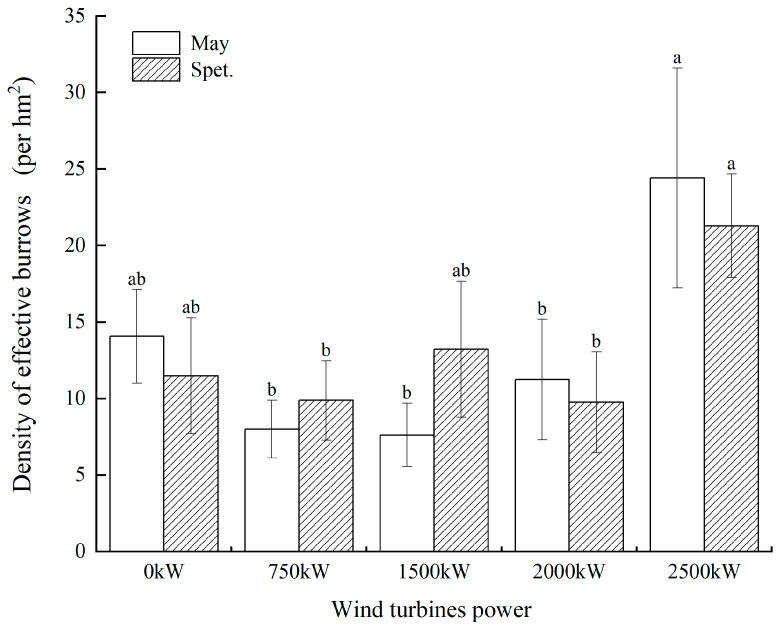 Figure 3
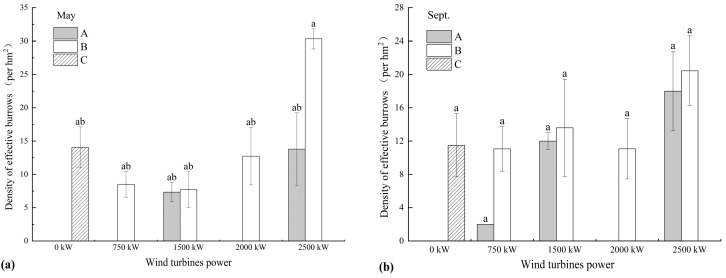 Figure 4
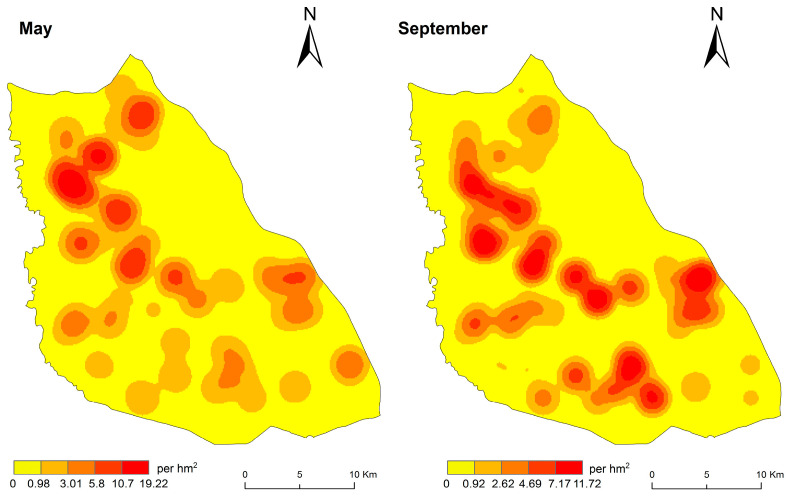 Figure 5
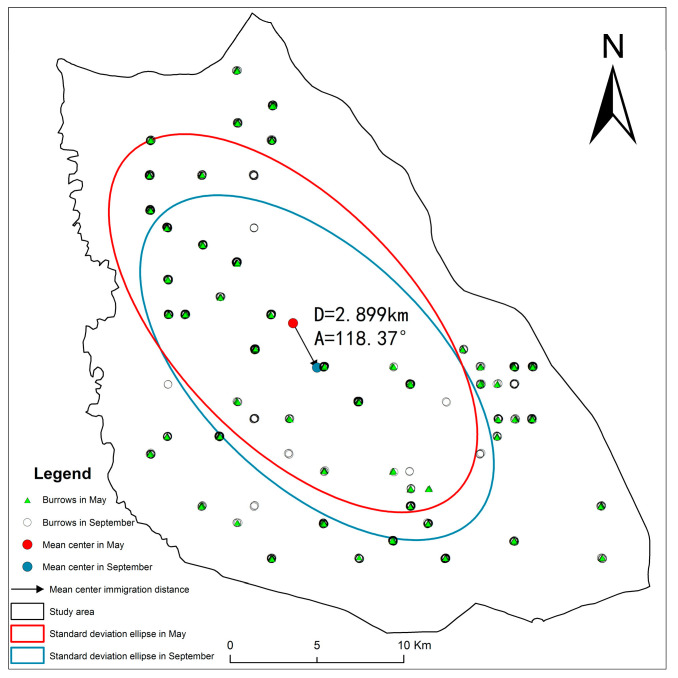 Figure 6
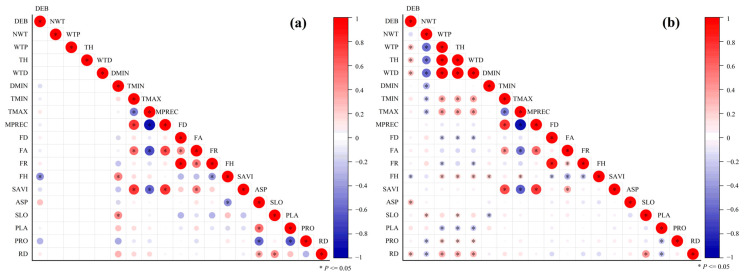 Figure 7
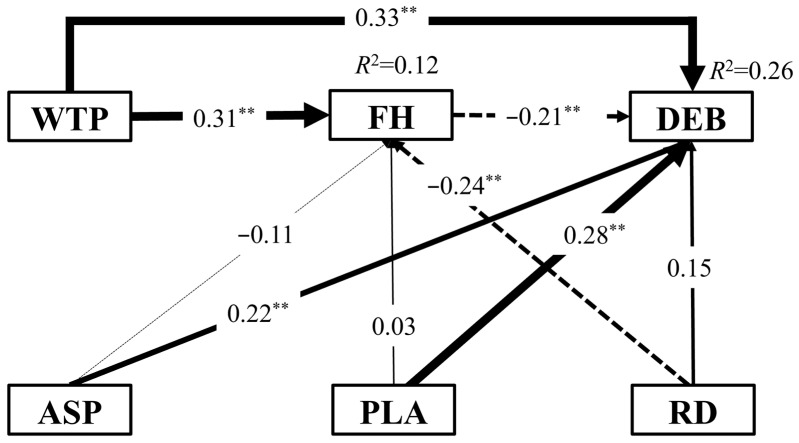 Figure 8
Peer Reviews
No public reviews on file for this paper yet. If you reviewed it on a platform where reviews are public (OpenReview, ICLR, NeurIPS, ICML), you can paste yours below so the community can read it here.
Videos
No videos yet. Explain this paper in a talk, walkthrough, or lecture? Add one.
Taxonomy
TopicsWildlife Ecology and Conservation · Animal Ecology and Behavior Studies · Bat Biology and Ecology Studies