Relationships Between H2S and OT/OTR Systems in Preeclampsia
Tamara Merz, Sarah Ecker, Nicole Denoix, Oscar McCook, Stefanie Kranz, Ulrich Wachter, Edit Rottler, Thomas Papadopoulos, Christoph Fusch, Cosima Brucker, Jakob Triebel, Thomas Bertsch, Peter Radermacher, Christiane Waller

TL;DR
This study explores how hydrogen sulfide and oxytocin systems interact in pre-eclampsia, a pregnancy complication involving high blood pressure and oxidative stress.
Contribution
The study reveals new insights into the interaction between H2S and OT/OTR systems in pre-eclampsia, particularly in late-onset cases.
Findings
Plasma sulfide levels remained unchanged in pre-eclampsia.
Homocysteine levels were significantly higher in early-onset pre-eclampsia.
H2S enzymes and OT receptor expression were elevated in the placenta of late-onset pre-eclampsia.
Abstract
Pre-eclampsia (PE) is a hypertensive pregnancy complication. Oxidative stress is hypothesized to contribute to the pathophysiology of PE. Both the hydrogen sulfide (H2S) and oxytocin (OT) systems might play a role in the pathophysiology of PE, like their antioxidant and hypotensive effects. Thus, the role of the interaction of the OT and H2S systems in the context of PE was further elucidated in the present clinical case–control study “NU-HOPE” (Nürnberg-Ulm: The role of H2S and Oxytocin Receptor in Pre-Eclampsia; ethical approval by the Landesärztekammer Bayern, file number 19033, 29 August 2019), comparing uncomplicated pregnancies, early onset PE (ePE, onset < 34 weeks gestational age) and late onset PE (lPE, onset > 34 weeks gestational age). Routine clinical data, serum H2S and homocysteine levels, and tissue protein expression, as well as nitrotyrosine formation, were determined.…
Genes, proteins, chemicals, diseases, species, mutations and cell lines named across the full text — each resolved to its canonical identifier and authoritative record.
Click any figure to enlarge with its caption.
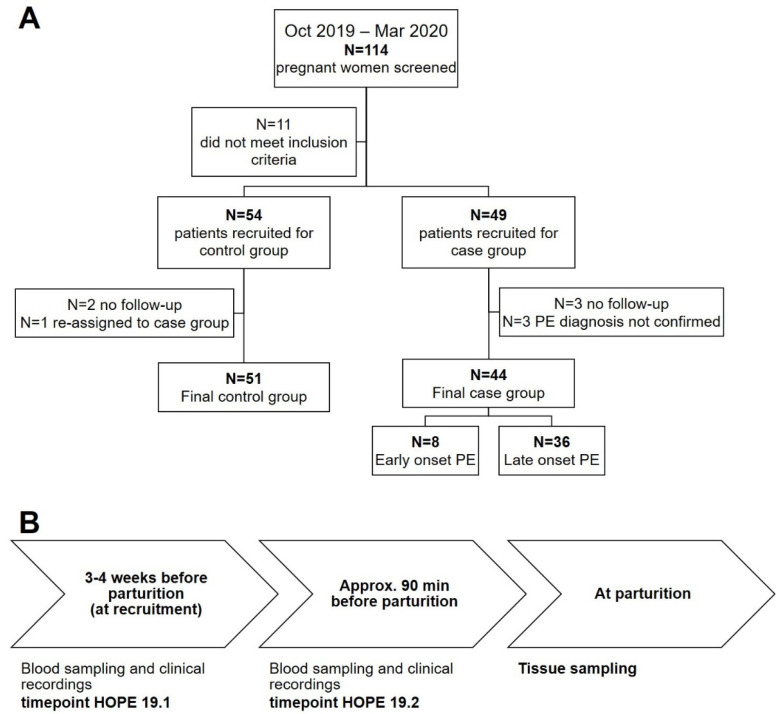 Figure 1
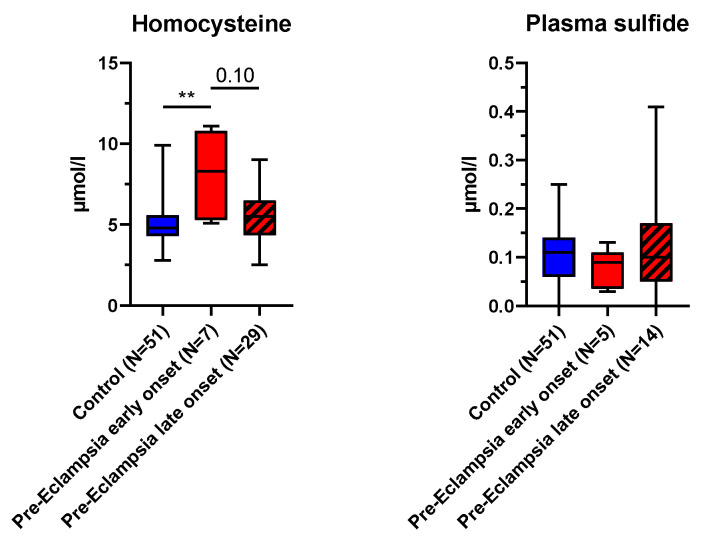 Figure 2
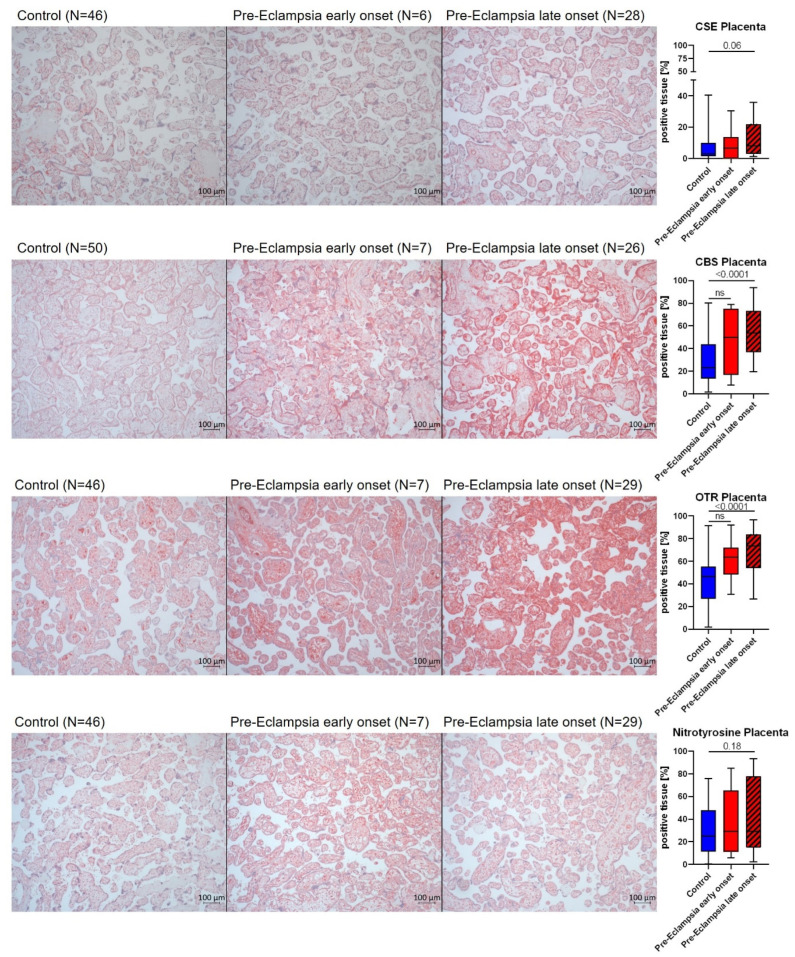 Figure 3
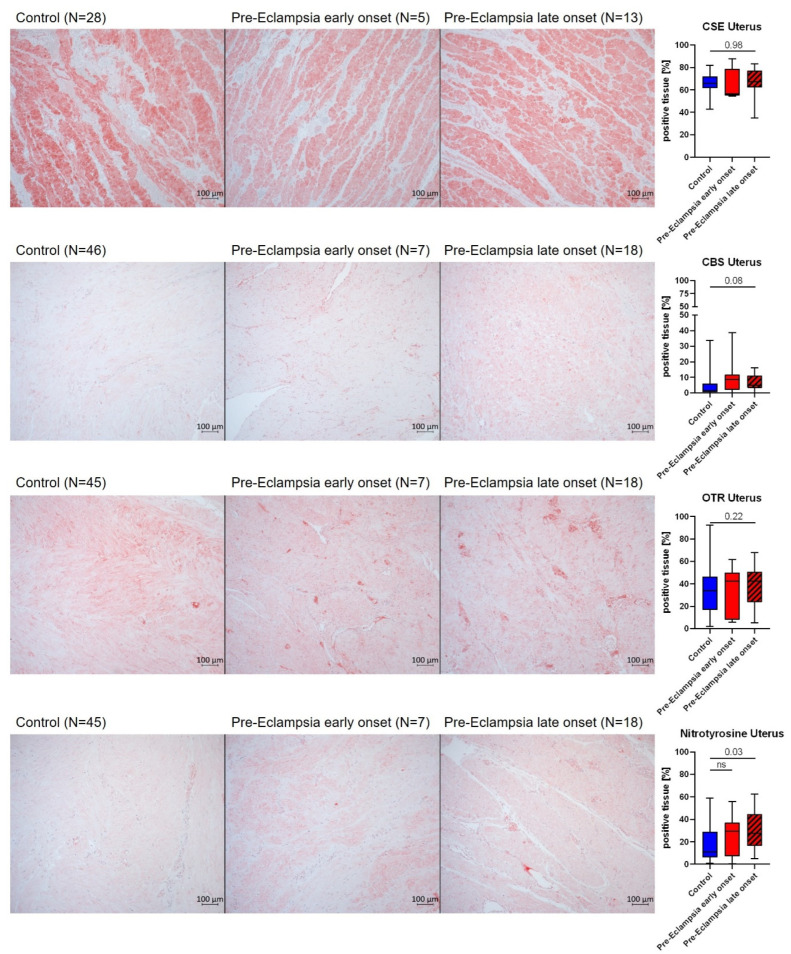 Figure 4
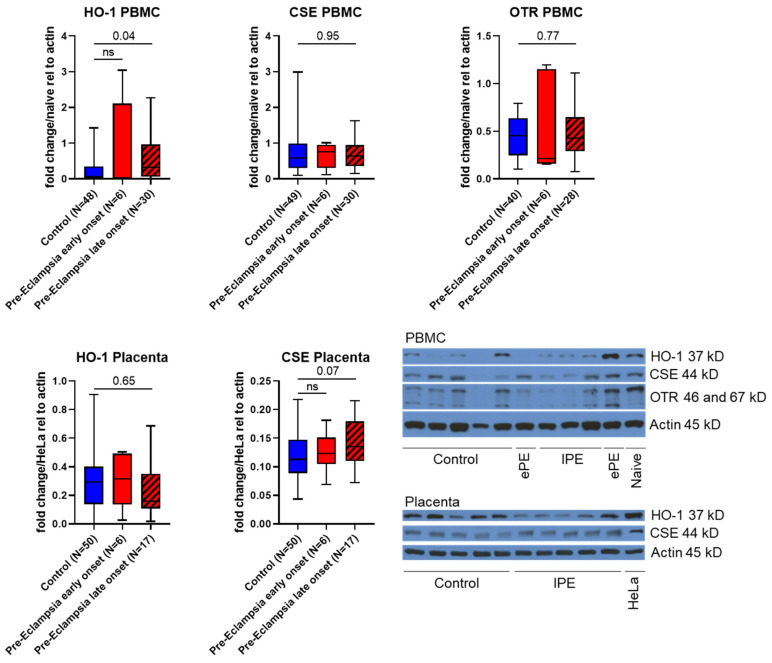 Figure 5
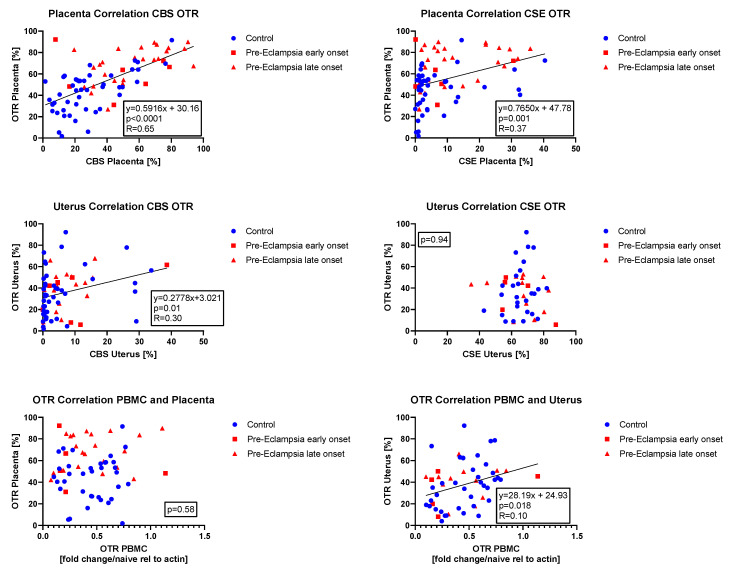 Figure 6
Peer Reviews
No public reviews on file for this paper yet. If you reviewed it on a platform where reviews are public (OpenReview, ICLR, NeurIPS, ICML), you can paste yours below so the community can read it here.
Videos
No videos yet. Explain this paper in a talk, walkthrough, or lecture? Add one.
Taxonomy
TopicsSulfur Compounds in Biology · Pregnancy and preeclampsia studies · Neuroscience of respiration and sleep