Mechanical Design, Control, and Laboratory Test of a Two-Degrees-of-Freedom Elbow Prosthesis
Ramsés Hernández-Cerero, Juan Alejandro Flores-Campos, José Juan Mojica-Martínez, Adolfo Angel Casarez-Duran, Luis Angel Guerrero-Hernández, Christopher René Torres-SanMiguel

TL;DR
This paper describes a two-degrees-of-freedom elbow prosthesis prototype and compares two control methods to improve its movement accuracy.
Contribution
The novel contribution is the use of a sliding mode control with time base generator strategy to achieve biomimetic movement in a 2DOF elbow prosthesis.
Findings
The SMC + TBG control method produced biomimetic angular displacement and velocity patterns.
The PID control method failed to replicate natural movement patterns effectively.
The prosthesis demonstrated a range of motion suitable for transhumeral amputees.
Abstract
This study presents the design and experimental testing of a two-degrees-of-freedom (2DOF) elbow prosthesis prototype designed to replicate the movement patterns of a native or normal human elbow. Two methods of the control of the prosthesis, namely, the proportional–integral–derivative method (PID; a well-established method) and a combination of sliding mode control with a time base generator strategy (SMC + TBG; an advanced method), were compared on the basis of various performance metrics of the prosthesis, as obtained in laboratory tests. Among these metrics were the angular displacement and velocity as a function of time. The mechanical design combined 3D-printed components with custom-designed joints, featuring a worm gear transmission with a crown gear for flexion–extension, enhanced by torsional springs, and a pinion gear with a crown gear for pronation–supination and control.…
Genes, proteins, chemicals, diseases, species, mutations and cell lines named across the full text — each resolved to its canonical identifier and authoritative record.
Click any figure to enlarge with its caption.
 Figure 1
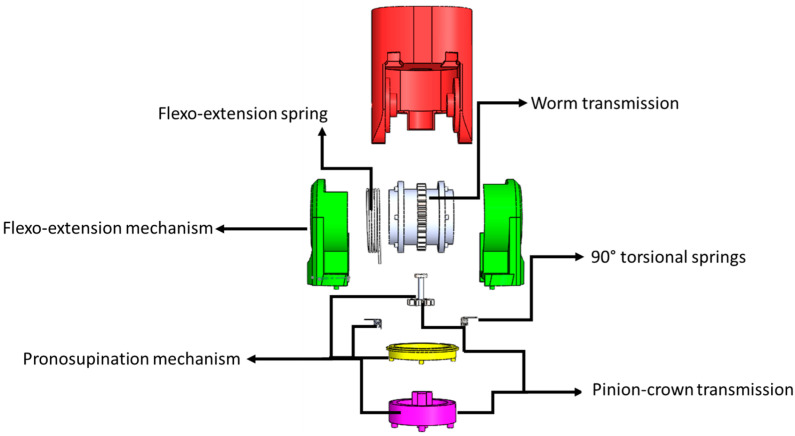 Figure 2
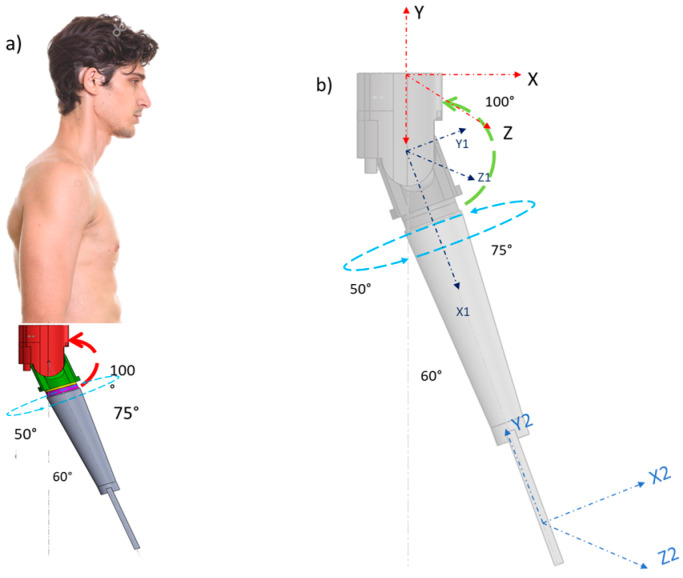 Figure 3
 Figure 4
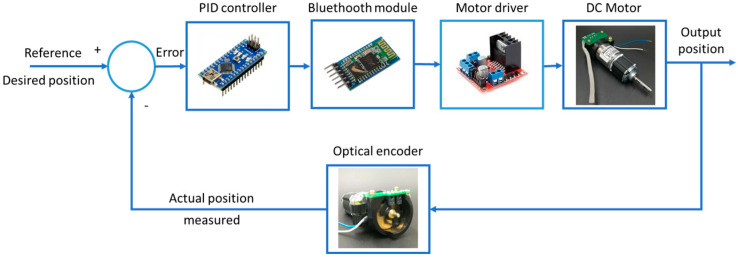 Figure 5
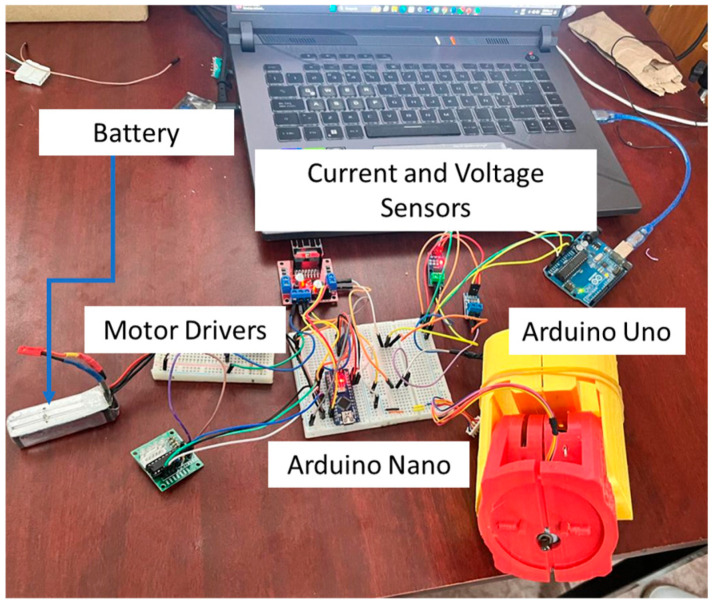 Figure 6
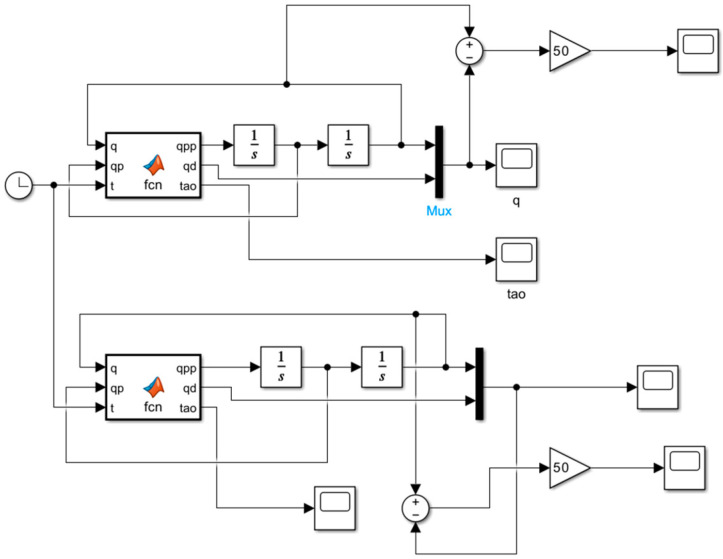 Figure 7
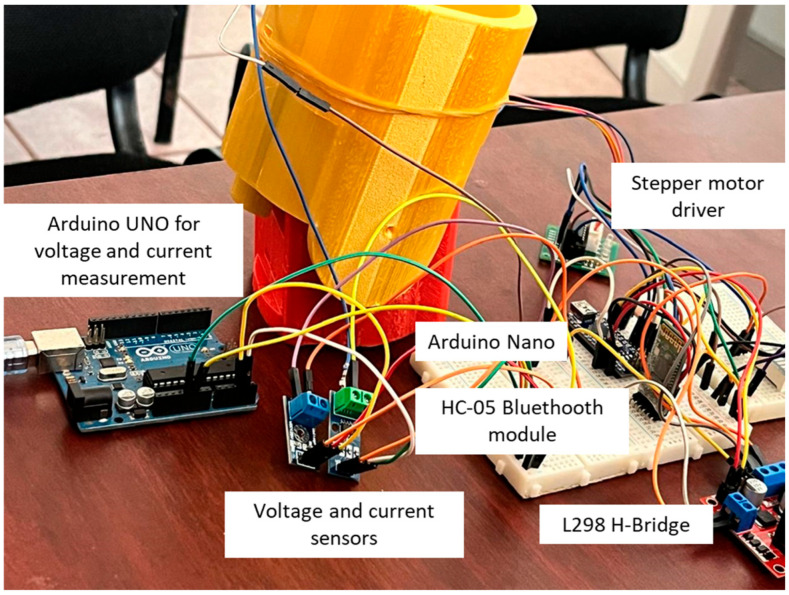 Figure 8
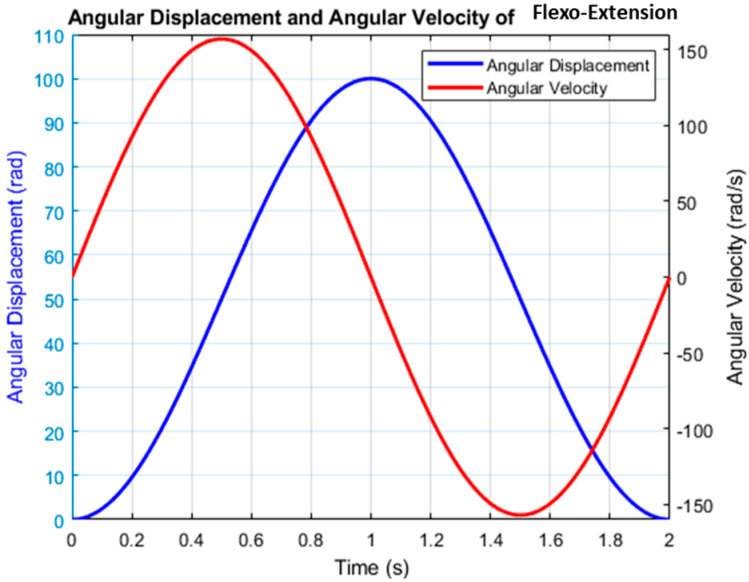 Figure 9
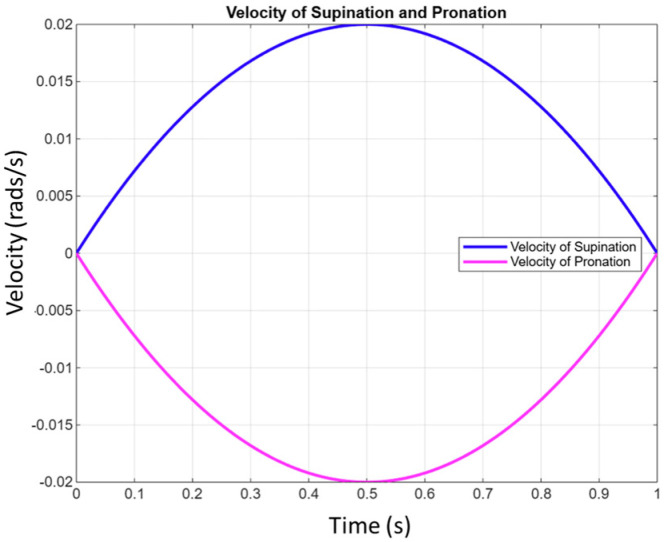 Figure 10
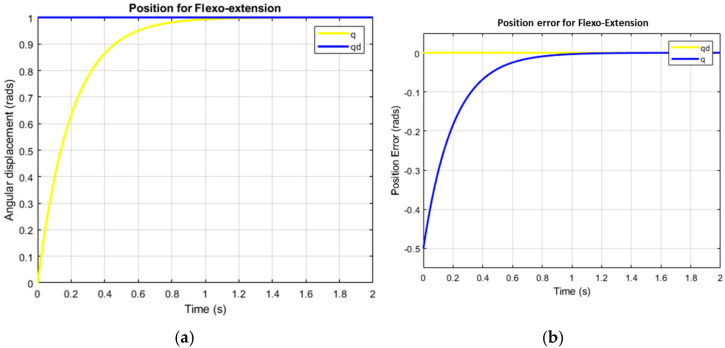 Figure 11
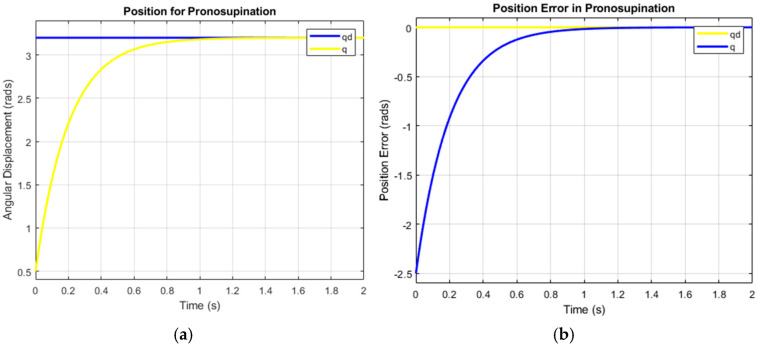 Figure 12
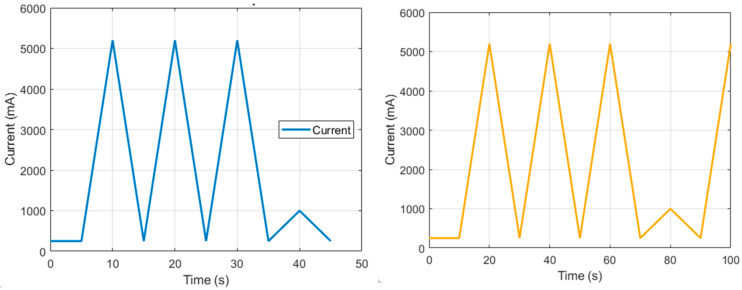 Figure 13
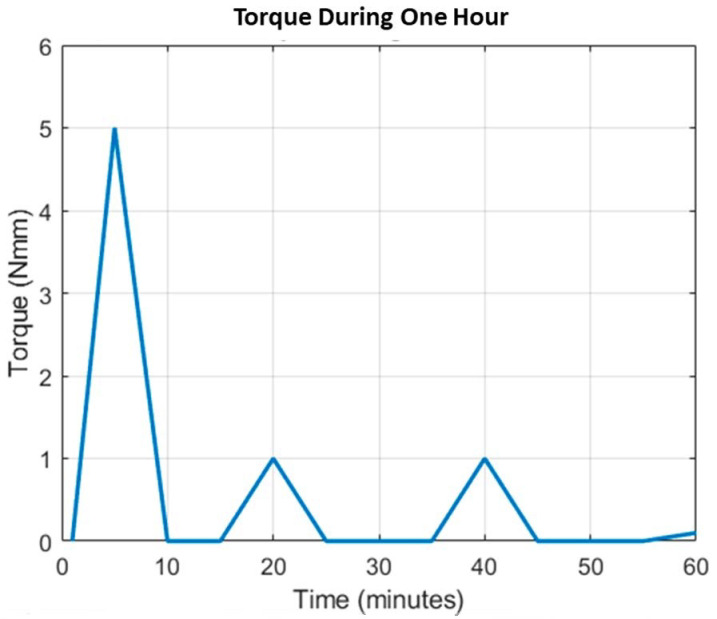 Figure 14
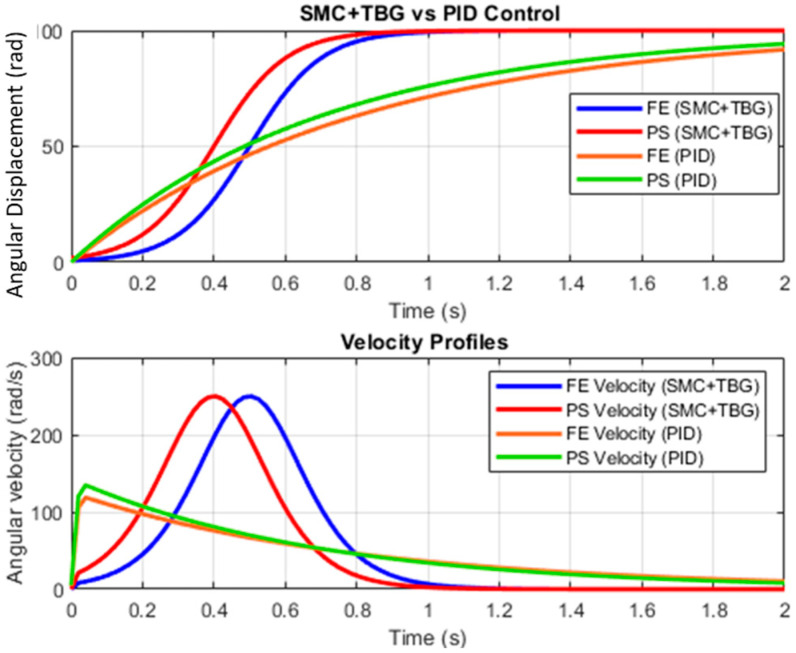 Figure 15
Peer Reviews
No public reviews on file for this paper yet. If you reviewed it on a platform where reviews are public (OpenReview, ICLR, NeurIPS, ICML), you can paste yours below so the community can read it here.
Videos
No videos yet. Explain this paper in a talk, walkthrough, or lecture? Add one.
Taxonomy
TopicsProsthetics and Rehabilitation Robotics · Muscle activation and electromyography studies · Soft Robotics and Applications