Transcriptomic and Functional Validation Reveals PAQR3/P6-55 as Potential Therapeutic Targets in Colon Cancer
Xue You, Yikuo Gai, Ziyun Wang, Yanqi Wang, Jingran Ye, Yujia Cao, Hengshuo Zhang, Ziyi Zhang, Ying Feng

TL;DR
This study shows that PAQR3 and its peptide P6-55 can inhibit colon cancer growth by affecting the PI3K-AKT pathway, suggesting new therapeutic targets.
Contribution
The study identifies PAQR3 and P6-55 as novel therapeutic targets in colon cancer through functional and transcriptomic validation.
Findings
P6-55, a PAQR3-derived peptide, inhibits colon cancer cell proliferation and migration in vitro and in vivo.
PAQR3 suppresses tumor growth via the PI3K-AKT signaling pathway, as revealed by RNA sequencing.
The therapeutic potential of PAQR3/P6-55 as colon cancer inhibitors is supported by experimental and molecular evidence.
Abstract
This study explores the roles and therapeutic potential of Progestin and adipoQ receptor 3 (PAQR3) in colon cancer. It was found that the peptide segment P6-55, synthesized from 6 to 55 amino acids at the N-terminus of PAQR3, functions similarly to PAQR3 and effectively inhibits the growth of colon cancer both in vitro and in vivo. RNA sequencing indicated that PAQR3 suppresses tumor growth via the PI3K-AKT signaling pathway, providing a theoretical basis for therapeutic strategies targeting PAQR3/P6-55. Colon cancer is one of the leading malignant tumors worldwide, and the membrane protein PAQR3 has been identified as a tumor suppressor in multiple cancers. Notably, the peptide synthesized from 6 to 55 amino acids at the N-terminal of PAQR3 (P6-55) has been shown to effectively inhibit the growth of gastric cancer cells. This study aims to elucidate the mechanism of PAQR3 and explore…
Genes, proteins, chemicals, diseases, species, mutations and cell lines named across the full text — each resolved to its canonical identifier and authoritative record.
Click any figure to enlarge with its caption.
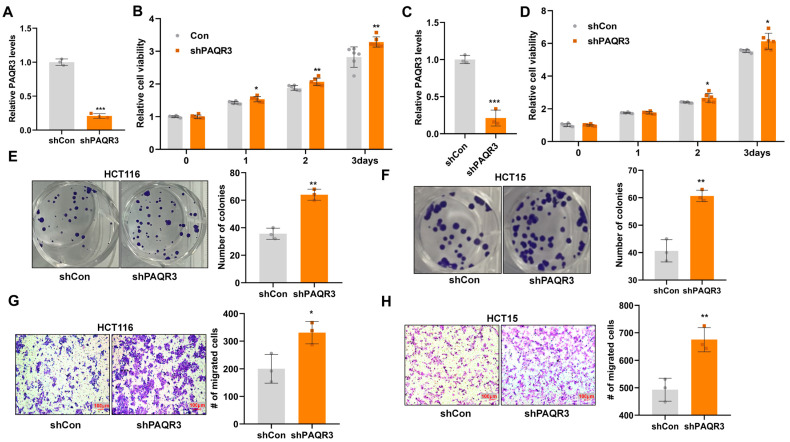 Figure 1
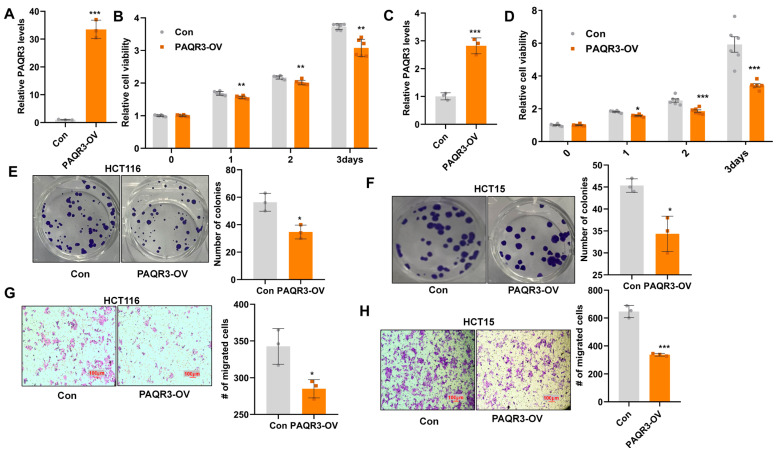 Figure 2
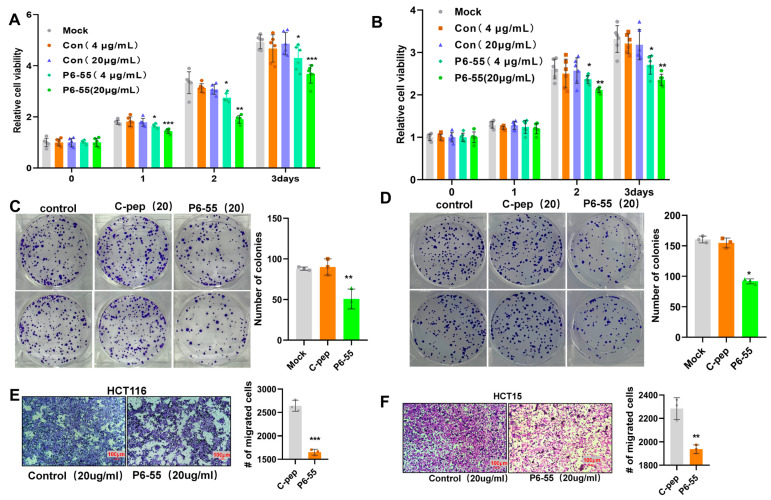 Figure 3
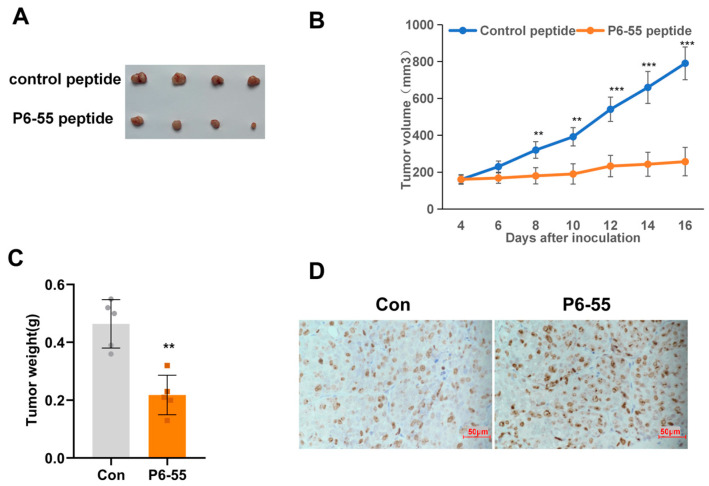 Figure 4
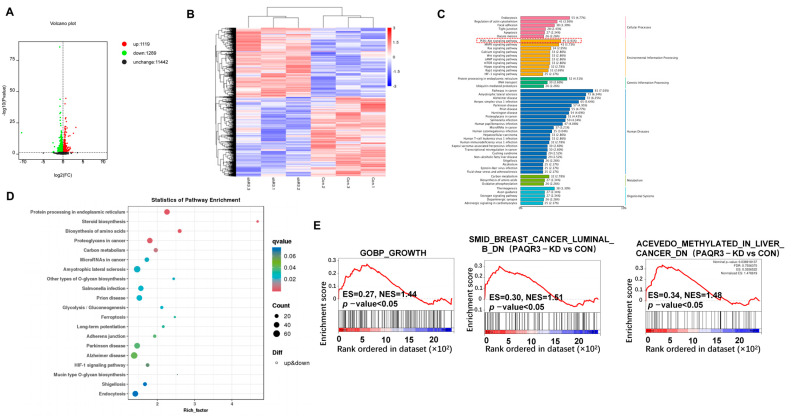 Figure 5
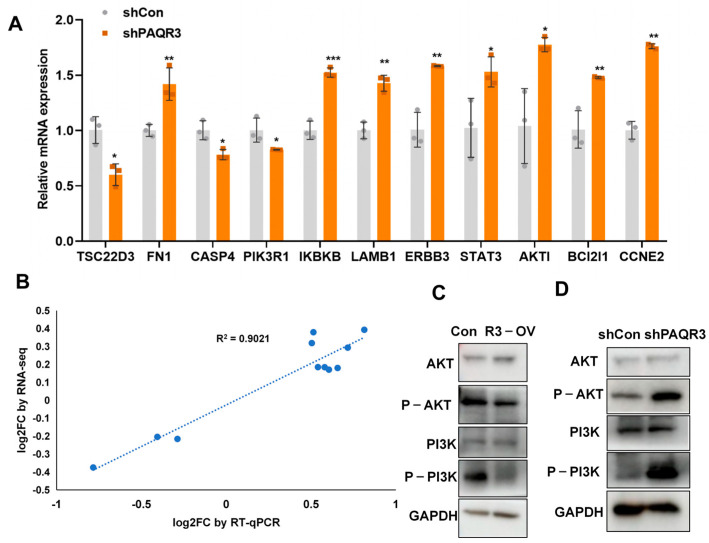 Figure 6
Peer Reviews
No public reviews on file for this paper yet. If you reviewed it on a platform where reviews are public (OpenReview, ICLR, NeurIPS, ICML), you can paste yours below so the community can read it here.
Videos
No videos yet. Explain this paper in a talk, walkthrough, or lecture? Add one.
Taxonomy
TopicsMechanisms of cancer metastasis · Tannin, Tannase and Anticancer Activities · Protein Hydrolysis and Bioactive Peptides