The Effect of Dapagliflozin, a Sodium–Glucose Co-Transporter 2 Inhibitor, on Vancomycin-Induced Nephrotoxicity in Rats
Seyhmus Tan, Bulent Kaya, Ercan Akburak, Cagri Avci, Kivilcim Eren Ates, Gulfiliz Gonlusen, Tugce Sapmaz Ercakalli, Burak Mete

TL;DR
This study shows that dapagliflozin may protect against kidney damage caused by vancomycin in rats by reducing oxidative stress and inflammation.
Contribution
The study demonstrates dapagliflozin's nephroprotective effects against vancomycin-induced toxicity in a rat model.
Findings
Dapagliflozin reduced serum urea and creatinine levels in rats with vancomycin-induced nephrotoxicity.
Dapagliflozin decreased oxidative stress markers and apoptotic activity in affected kidney tissues.
Histopathological damage was ameliorated with dapagliflozin co-administration, though some inflammatory reductions were not significant.
Abstract
Background/Objectives: Vancomycin-induced nephrotoxicity (VIN) remains a significant clinical challenge, with no effective nephroprotective agent currently established. This study aimed to evaluate the protective effects of the sodium–glucose cotransporter 2 (SGLT2) inhibitor dapagliflozin (DAPA) against VIN in a Wistar albino rat model. Methods: Rats were randomly assigned to four groups: control, VA (vancomycin), DAPA (dapagliflozin), and VA+DAPA. Renal function was assessed by measuring serum urea and creatinine. Oxidative stress markers [malondialdehyde (MDA), total oxidant status (TOS), and myeloperoxidase (MPO)], antioxidant enzyme activities [total antioxidant status (TAS), glutathione peroxidase (GPx), catalase (CAT), and superoxide dismutase (SOD)], apoptotic mediators (Bax, Bcl-2, and caspase-3), and pro-inflammatory cytokines [tumor necrosis factor-alpha (TNF-α),…
Genes, proteins, chemicals, diseases, species, mutations and cell lines named across the full text — each resolved to its canonical identifier and authoritative record.
Click any figure to enlarge with its caption.
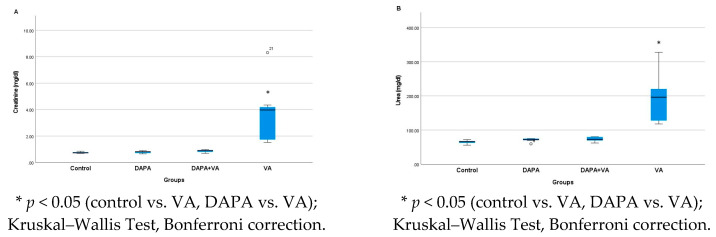 Figure 1
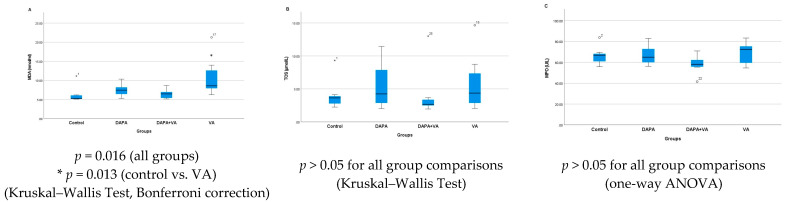 Figure 2
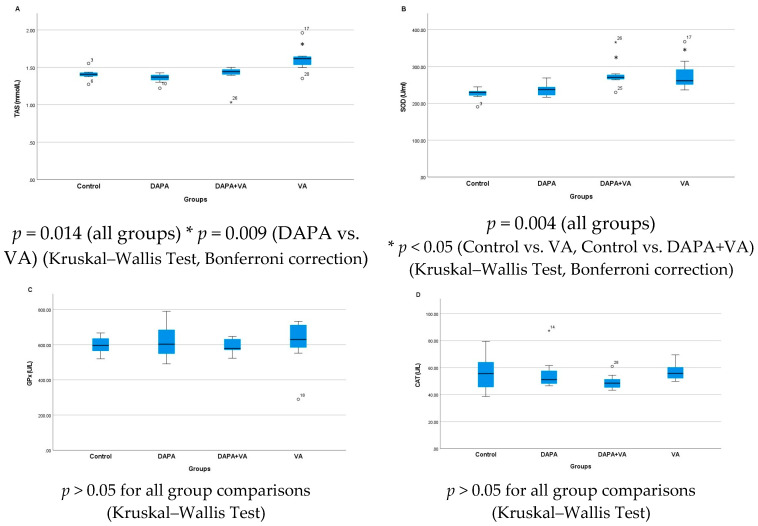 Figure 3
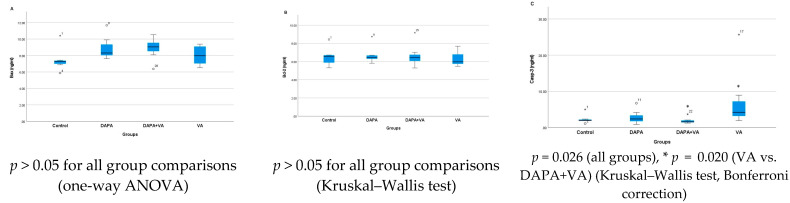 Figure 4
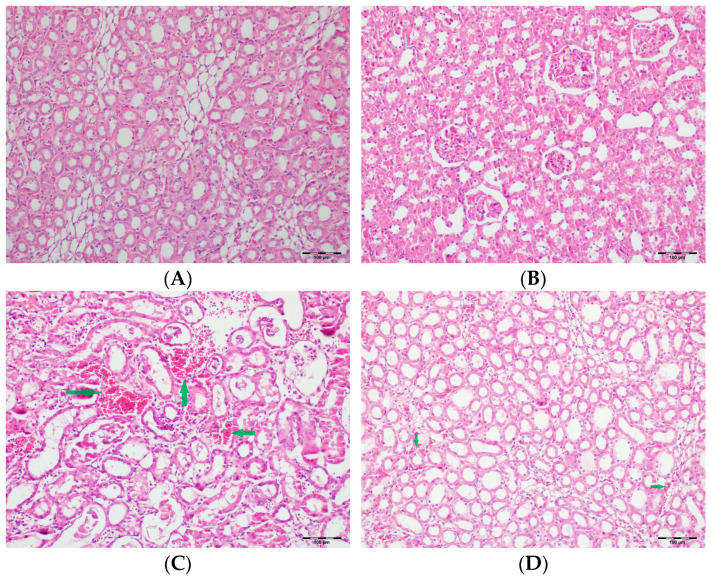 Figure 5
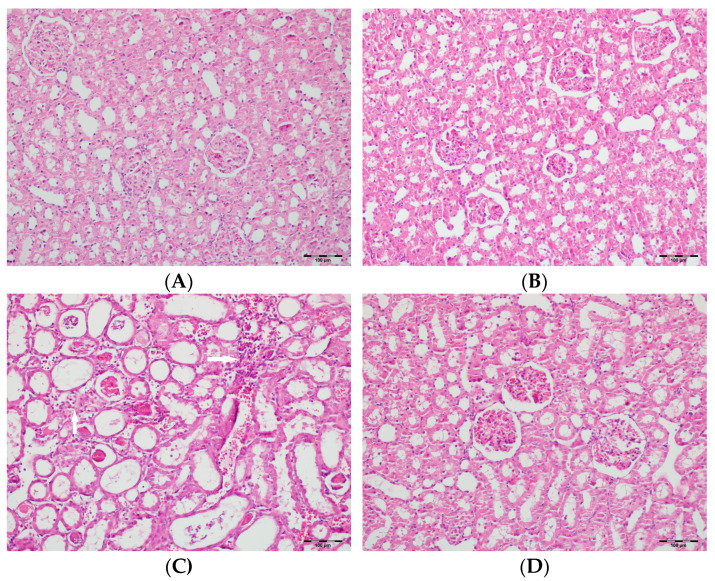 Figure 6
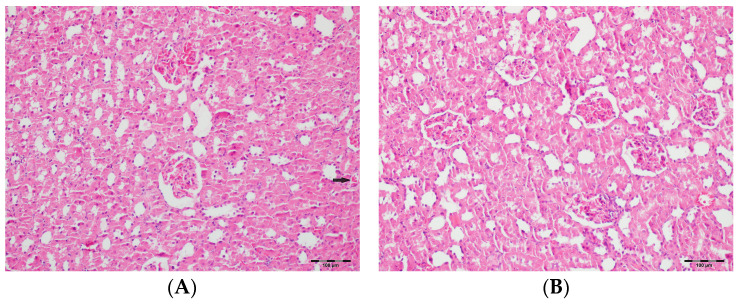 Figure 7
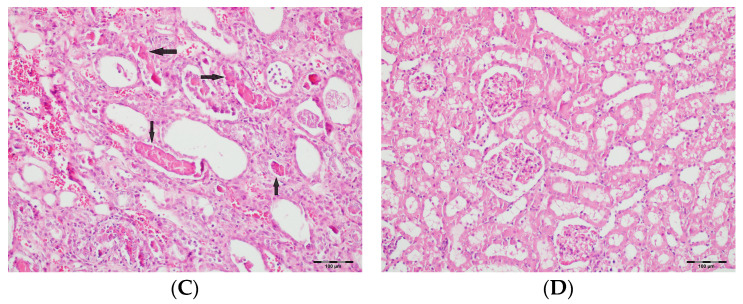 Figure 8
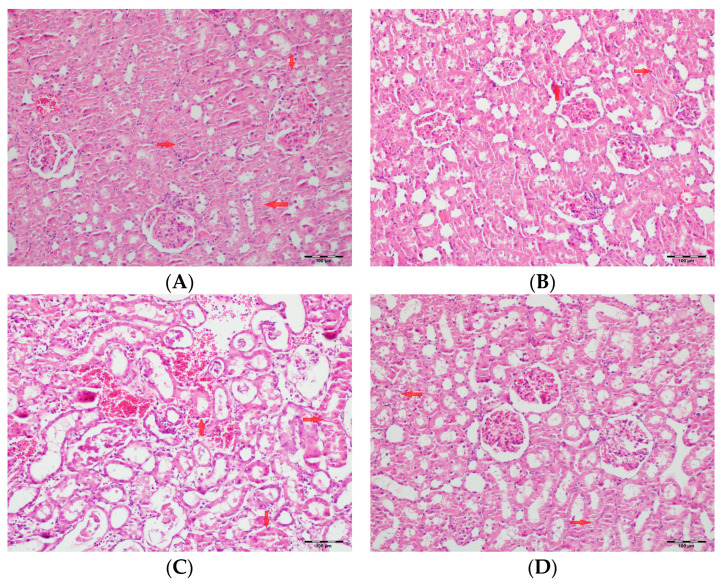 Figure 9
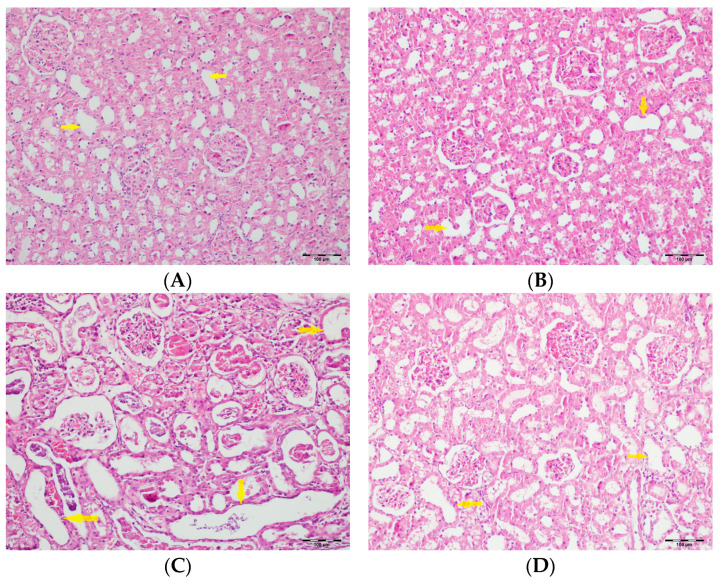 Figure 10
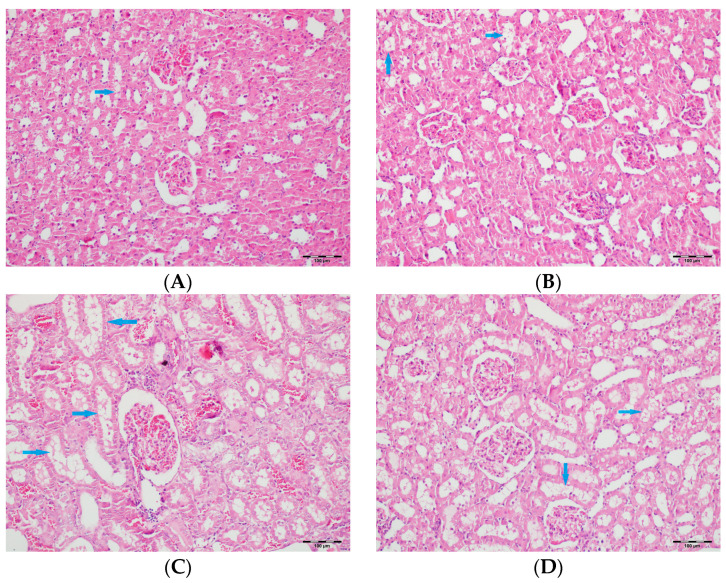 Figure 11
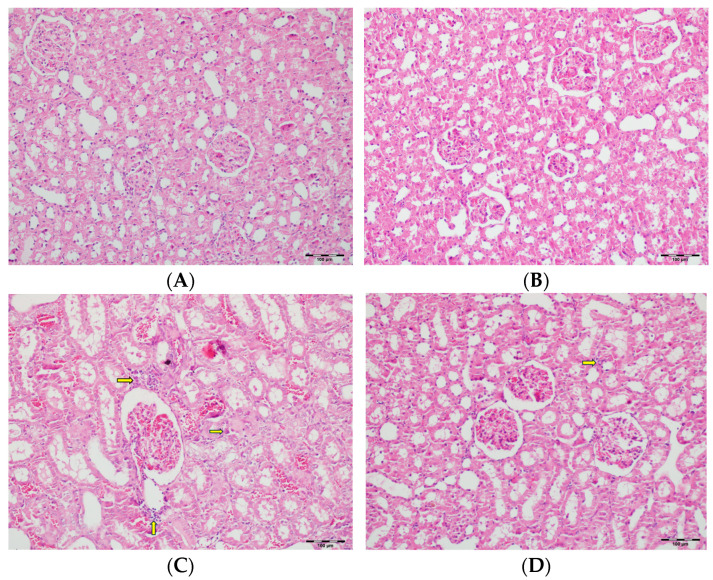 Figure 12
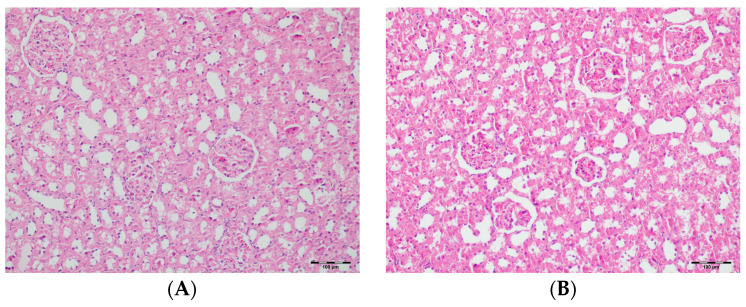 Figure 13
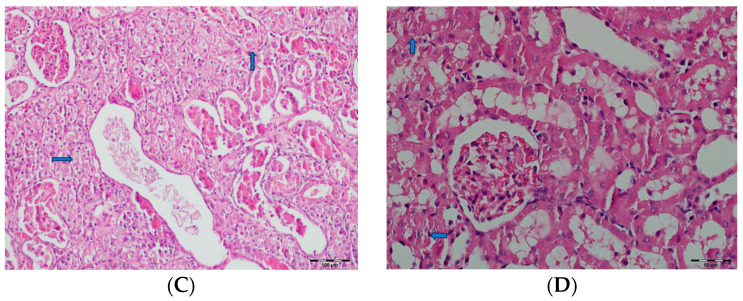 Figure 14
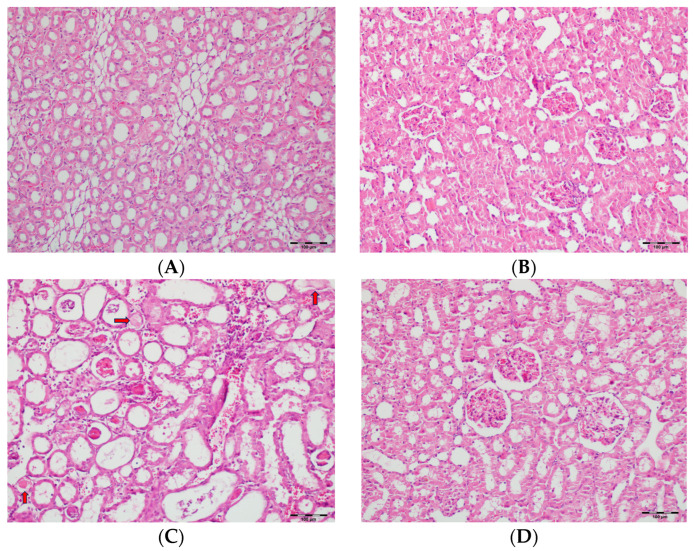 Figure 15
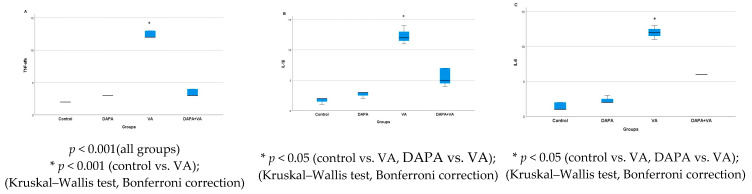 Figure 16
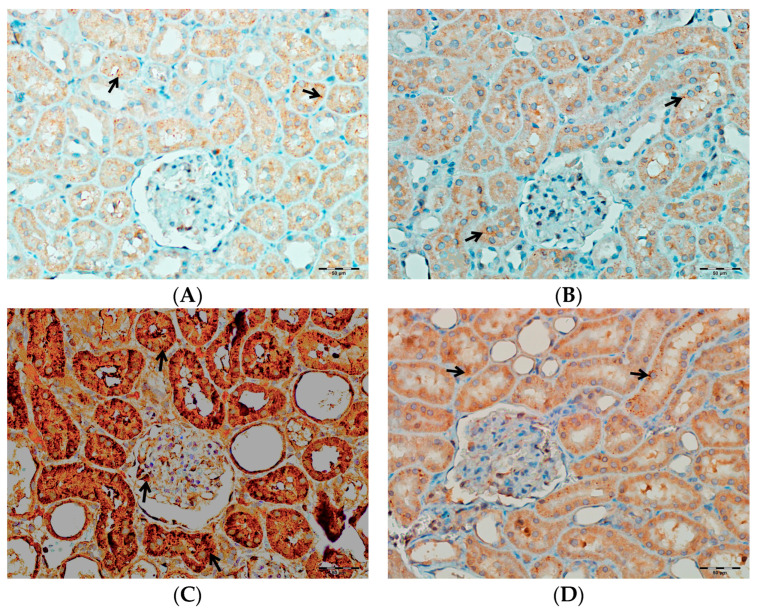 Figure 17
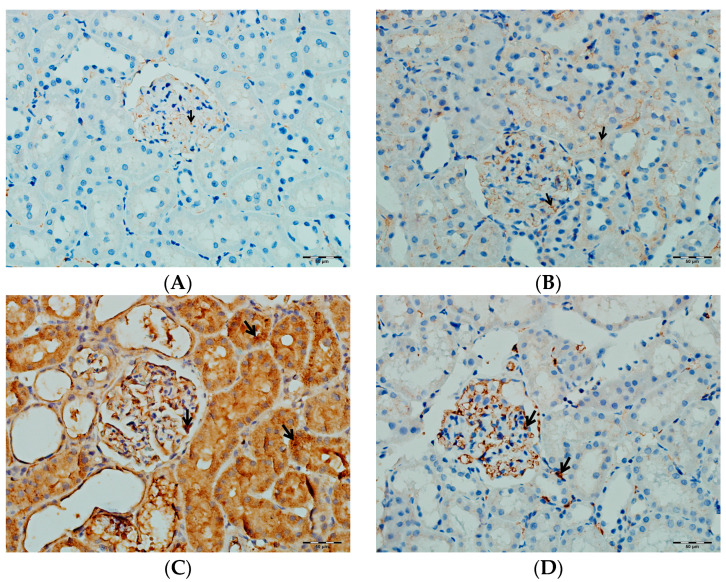 Figure 18
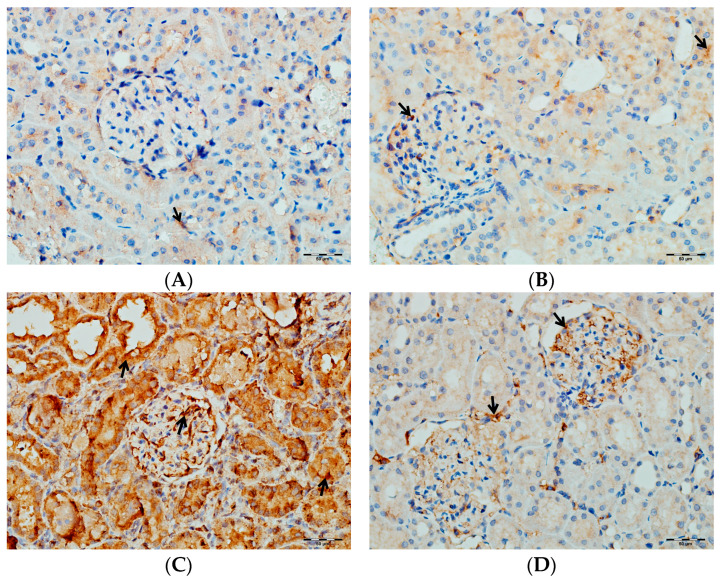 Figure 19
Peer Reviews
No public reviews on file for this paper yet. If you reviewed it on a platform where reviews are public (OpenReview, ICLR, NeurIPS, ICML), you can paste yours below so the community can read it here.
Videos
No videos yet. Explain this paper in a talk, walkthrough, or lecture? Add one.
Taxonomy
TopicsDiabetes Treatment and Management · Antimicrobial Resistance in Staphylococcus · Blood disorders and treatments