Revealing the Improving Effect and Molecular Mechanism of L-Clausenamide in Combating the Acute Lung Injury: Insights from Network Pharmacology, Molecular Docking, and In Vitro Validation
Yu Fu, Nannan Wang, Jinhai Luo, Yanyi Huang, Baoning Liu, Charles S. Brennan, Baojun Xu, Jincan Luo

TL;DR
This study shows how L-Clausenamide from wampee fruit helps treat acute lung injury by reducing cell damage and targeting key proteins like AKT1 and Caspase-3.
Contribution
The novel contribution is identifying L-Clausenamide's protective effect on lung injury via AKT1 and Caspase-3, supported by network pharmacology and in vitro validation.
Findings
L-Clausenamide reduces ROS, DNA damage, and mitochondrial dysfunction in LPS-induced lung injury.
AKT1 and Caspase-3 are key targets in the protective mechanism of L-Clausenamide.
Phosphorylation of Akt increases and Caspase-3 cleavage decreases with L-Clausenamide treatment.
Abstract
Acute lung injury (ALI) is a life-threatening disease, causing intrinsic classical apoptosis. Lipopolysaccharide (LPS) is commonly used to mimic ALI in vitro. L-Clausenamide is an amide from the fruit wampee. We found it is capable of alleviating LPS-mediated reactive oxygen species (ROS) and DNA damage accumulation, ATP decline, mitochondrial depolarization, and structural and functional collapse. By prediction and verification, we found both the AKT1 protein and Caspase-3 play an important role in the alleviation effect of L-Clausenamide. This finding reveals L-Clausenamide has developmental potential for ALI treatment, and further study on this mechanism may discover the effect among L-Clausenamide, AKT1, and Caspase-3. Acute lung injury is a severe disease with a high mortality rate, which can result in increased oxidative stress and further mitochondrial damage and cell apoptosis.…
Genes, proteins, chemicals, diseases, species, mutations and cell lines named across the full text — each resolved to its canonical identifier and authoritative record.
Click any figure to enlarge with its caption.
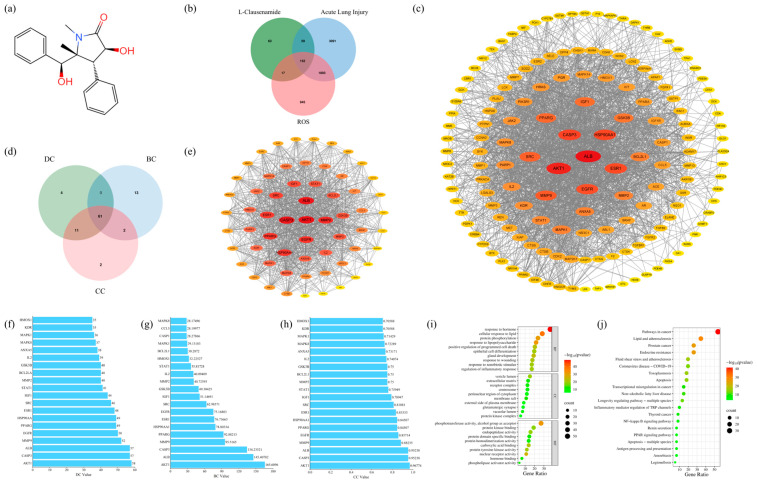 Figure 1
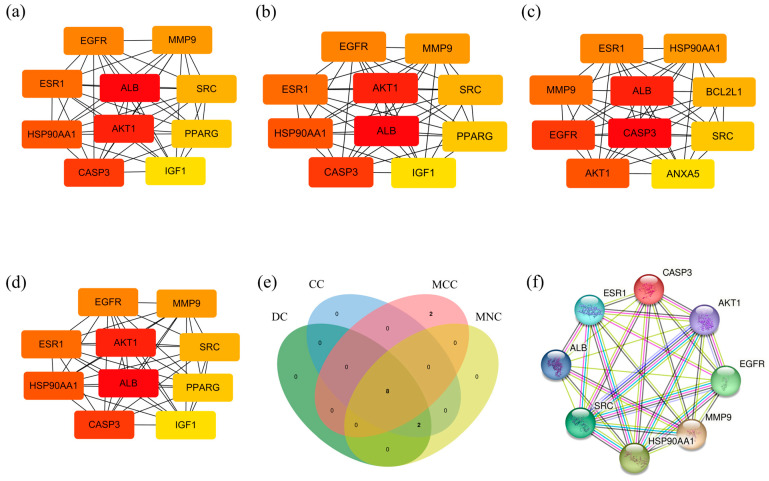 Figure 2
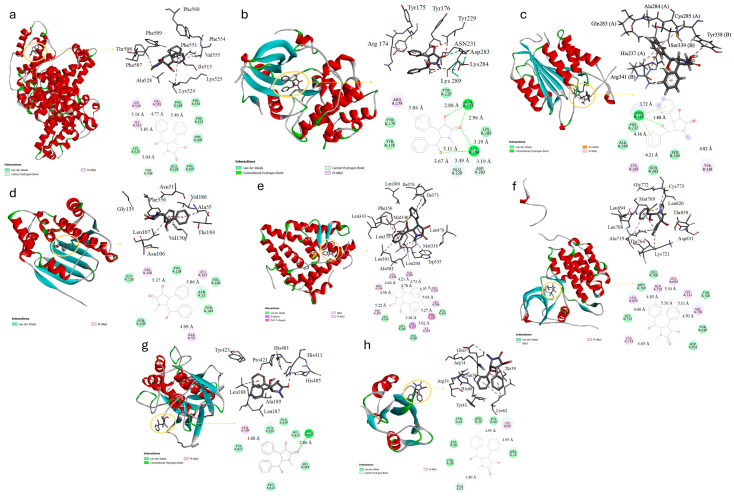 Figure 3
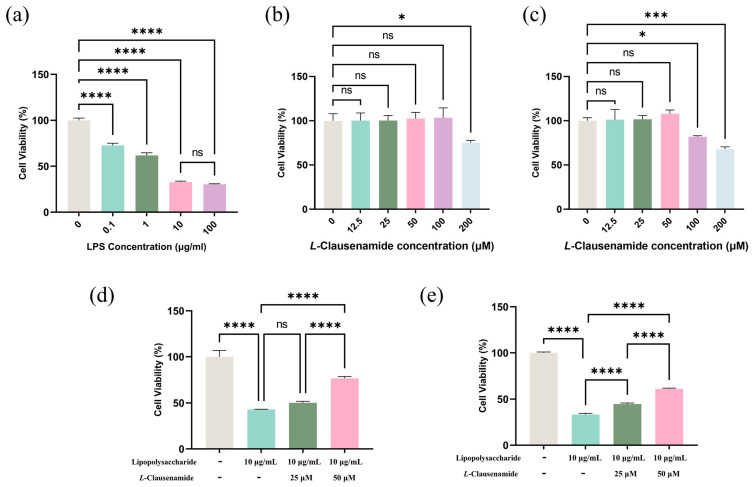 Figure 4
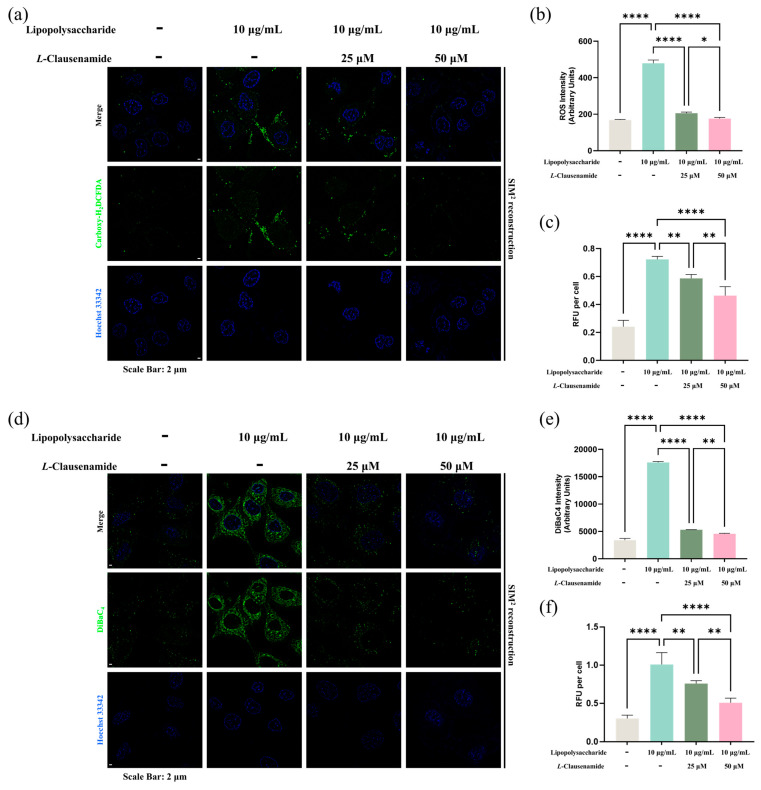 Figure 5
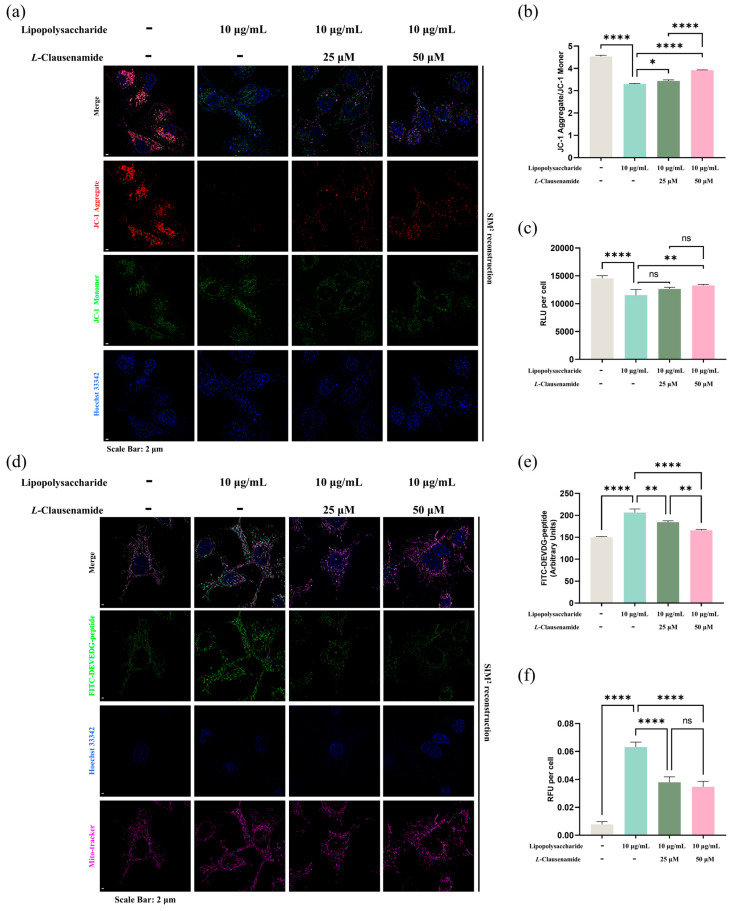 Figure 6
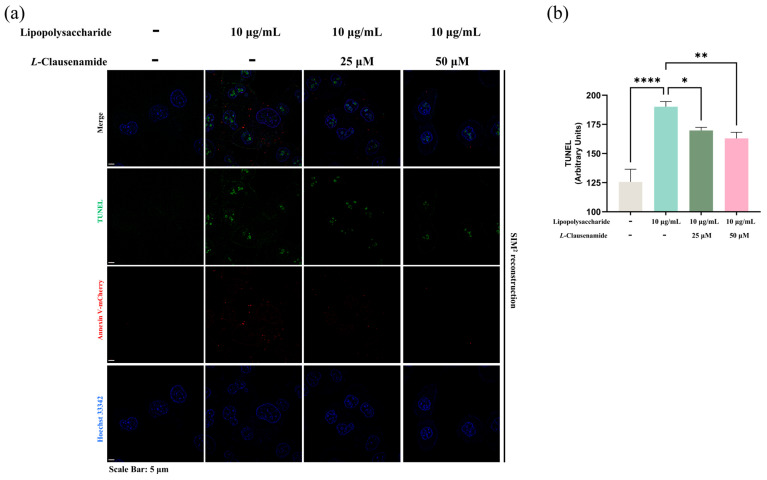 Figure 7
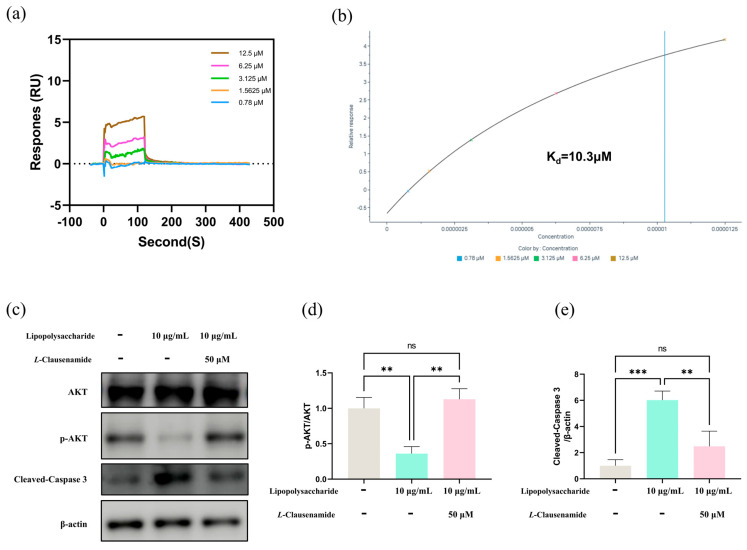 Figure 8
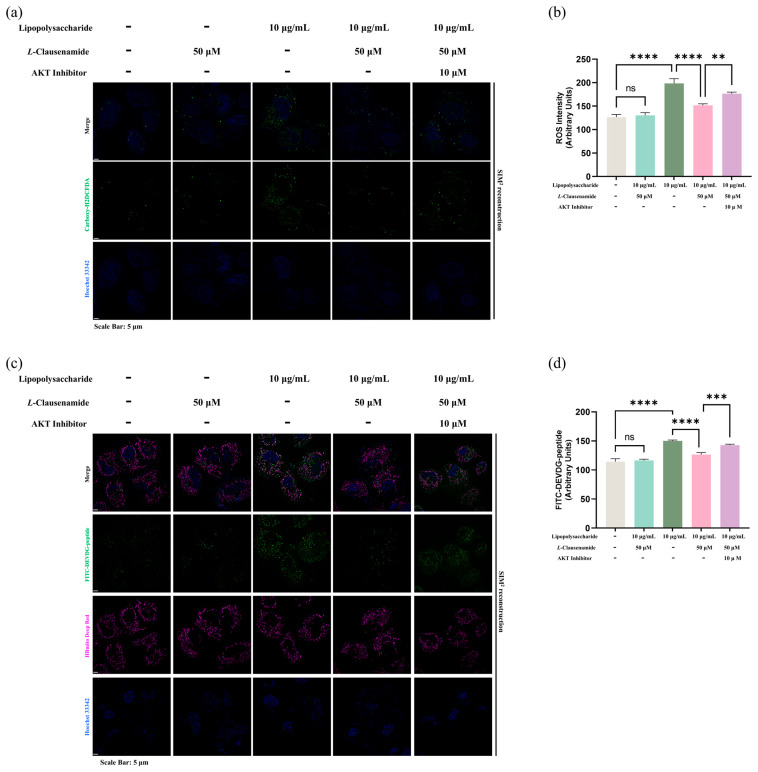 Figure 9
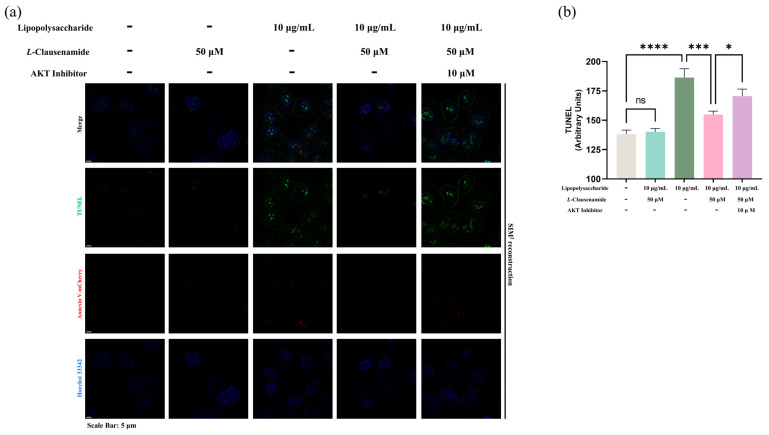 Figure 10
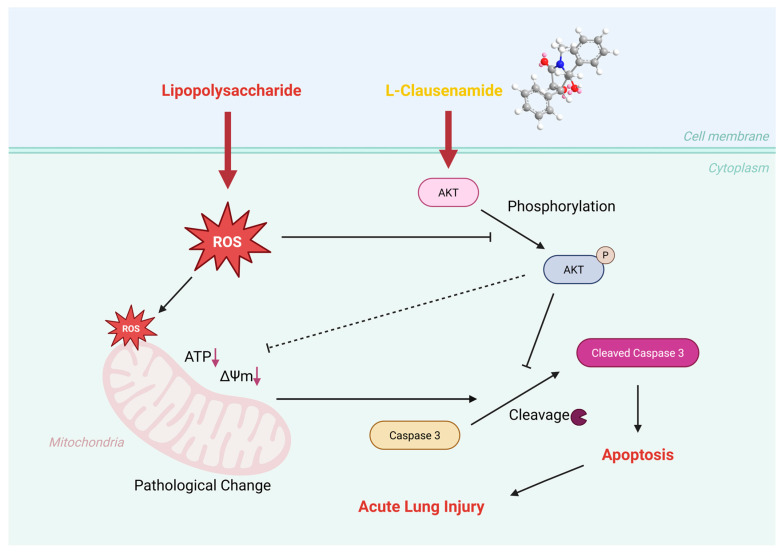 Figure 11
Peer Reviews
No public reviews on file for this paper yet. If you reviewed it on a platform where reviews are public (OpenReview, ICLR, NeurIPS, ICML), you can paste yours below so the community can read it here.
Videos
No videos yet. Explain this paper in a talk, walkthrough, or lecture? Add one.
Taxonomy
TopicsDrug-Induced Hepatotoxicity and Protection · Genomics, phytochemicals, and oxidative stress · Synthesis and biological activity