Non-agriculturalization of cultivated land in densely populated areas at the watershed scale: a case study of the Minjiang River Basin, China
Xi Zhao, Zhongwen Hu, Yinghui Zhang, Jingzhe Wang, Tiezhu Shi, Yanguo Liu, Jie Zhang, Guofeng Wu

TL;DR
This study analyzes how cultivated land is being lost to urbanization in China's Minjiang River Basin, highlighting patterns and drivers like population growth and economic factors.
Contribution
The study provides new insights into the spatiotemporal evolution and drivers of non-agriculturalization in a densely populated Chinese watershed.
Findings
Cultivated land in the Minjiang River Basin decreased from 1990 to 2020, concentrating in flat areas and shifting northward in three stages.
Non-agriculturalization areas show strong spatial clustering radiating from urban centers.
Population growth and economic factors are the main drivers of cultivated land loss in the region.
Abstract
Zero hunger is a top priority in the Sustainable Development Goals, however, millions of people worldwide still face hunger. Over the years, China has experienced rapid population growth, industrialization and urbanization, leading to significant agricultural land loss, which threats the nation’s food supply. Understanding the patterns and driving factors of non-agriculturalization is crucial for its protection. The Minjiang River Basin, the largest tributary of the Yangtze River, is densely populated and experiencing rapid urbanization, making it a typical snapshot of the non-agriculturalization in China. This study comprehensively examines the characteristics and trends in the spatiotemporal evolution of cultivated land in the Minjiang River Basin, along with the drivers of non-agriculturalization. The results reveal the findings: (1) From 1990 to 2020, the cultivated land in the…
Genes, proteins, chemicals, diseases, species, mutations and cell lines named across the full text — each resolved to its canonical identifier and authoritative record.
Click any figure to enlarge with its caption.
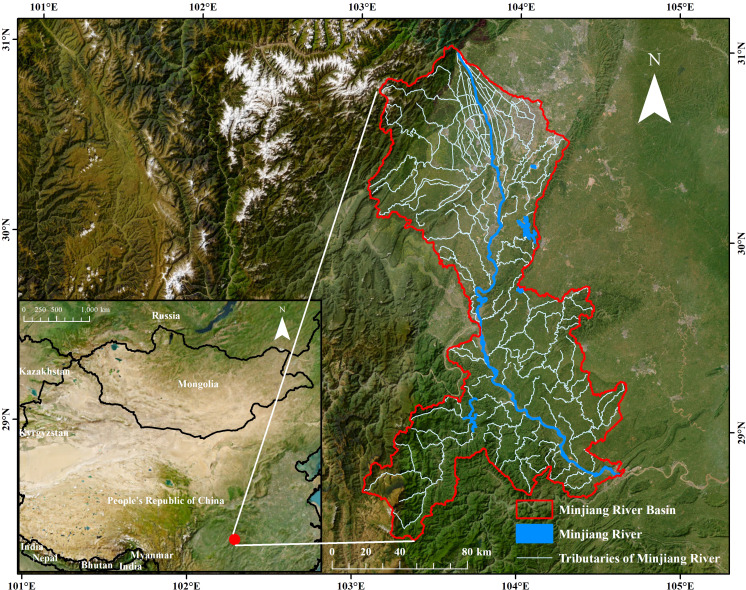 Figure 1
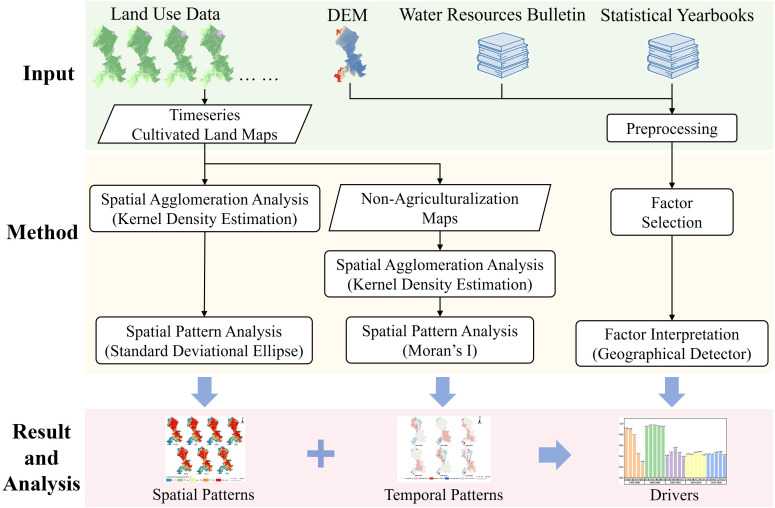 Figure 2
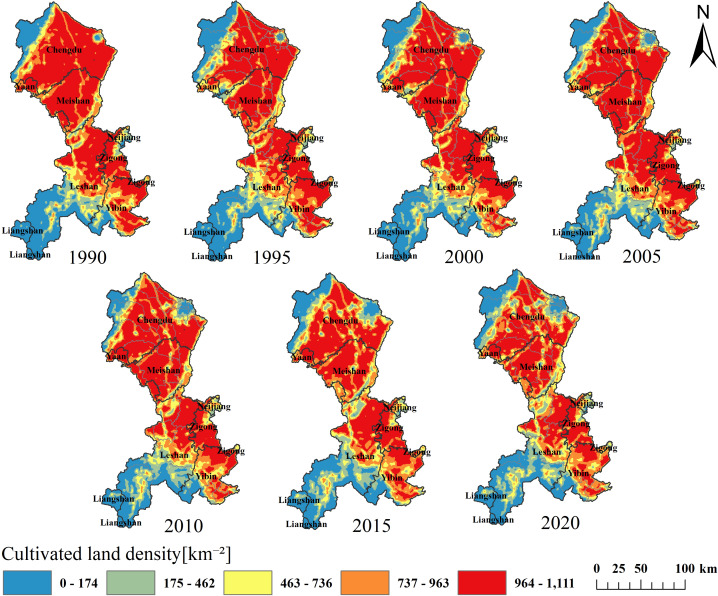 Figure 3
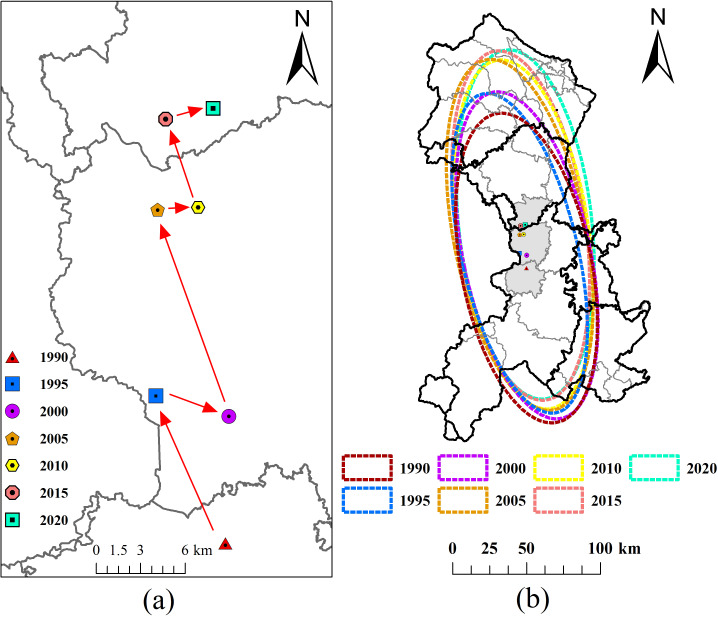 Figure 4
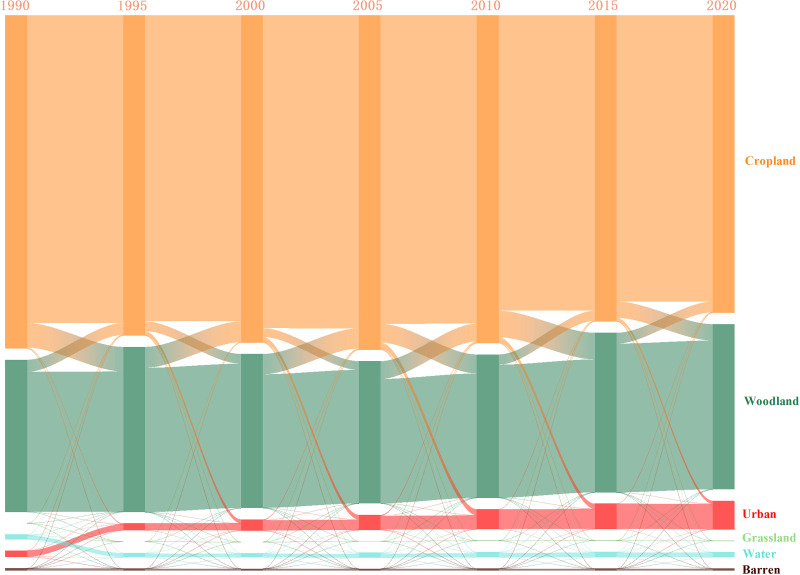 Figure 5
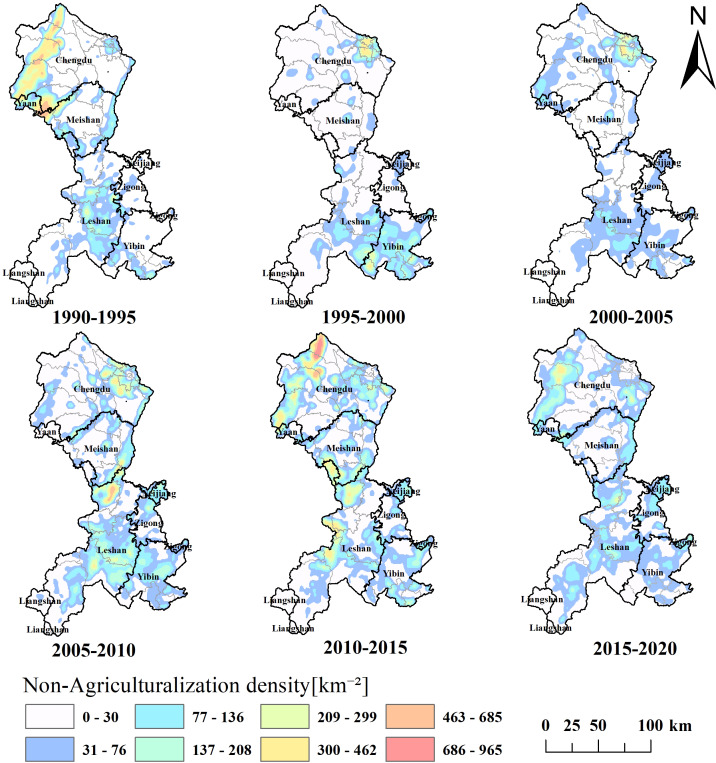 Figure 6
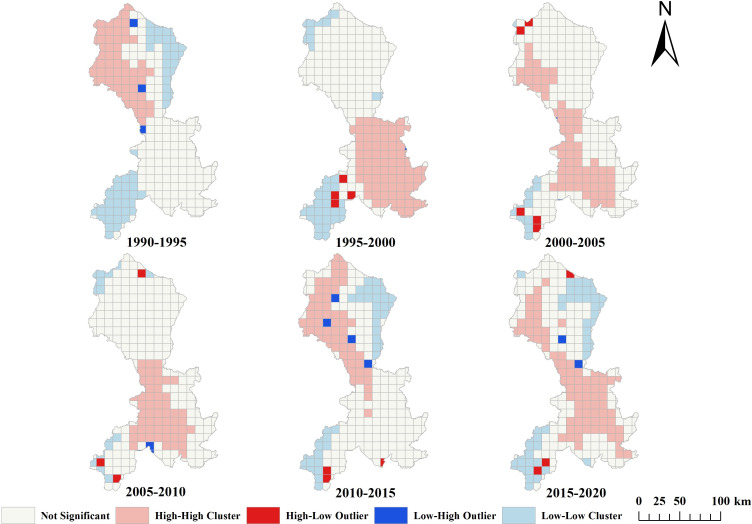 Figure 7
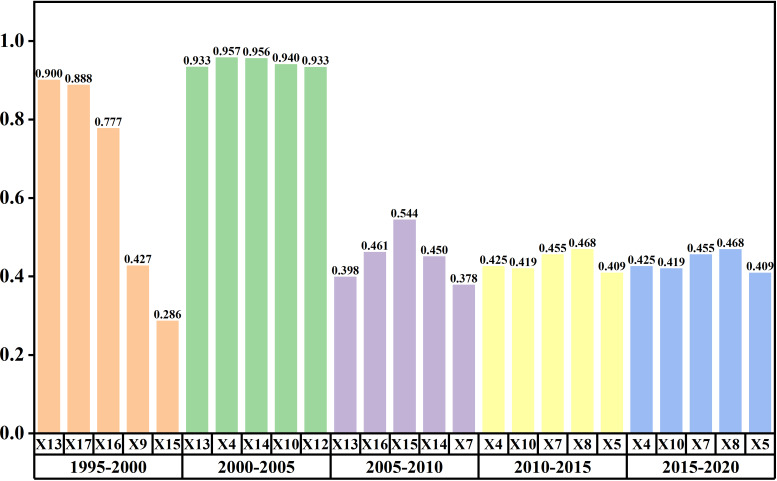 Figure 8
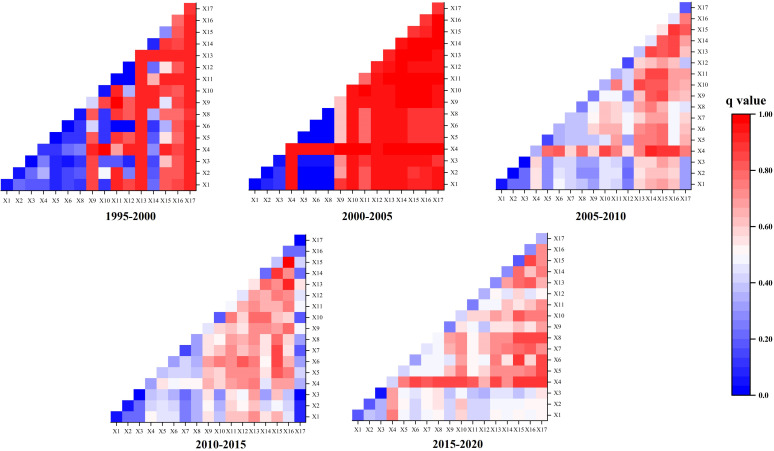 Figure 9
 Figure 10
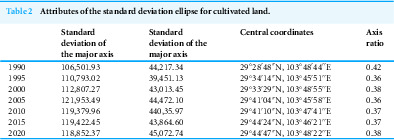 Figure 11
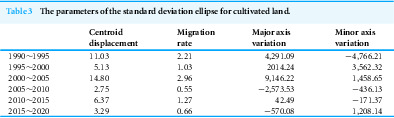 Figure 12
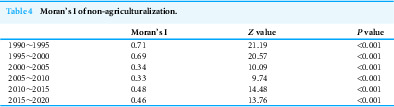 Figure 13
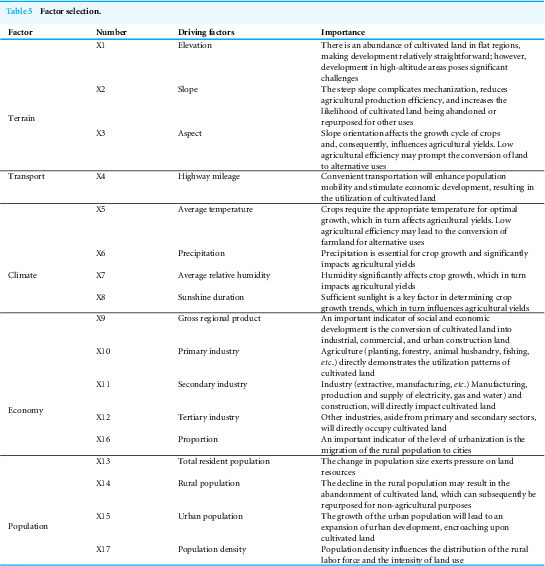 Figure 14
Peer Reviews
No public reviews on file for this paper yet. If you reviewed it on a platform where reviews are public (OpenReview, ICLR, NeurIPS, ICML), you can paste yours below so the community can read it here.
Videos
No videos yet. Explain this paper in a talk, walkthrough, or lecture? Add one.
Taxonomy
TopicsLand Use and Ecosystem Services · Land Rights and Reforms · Conservation, Biodiversity, and Resource Management